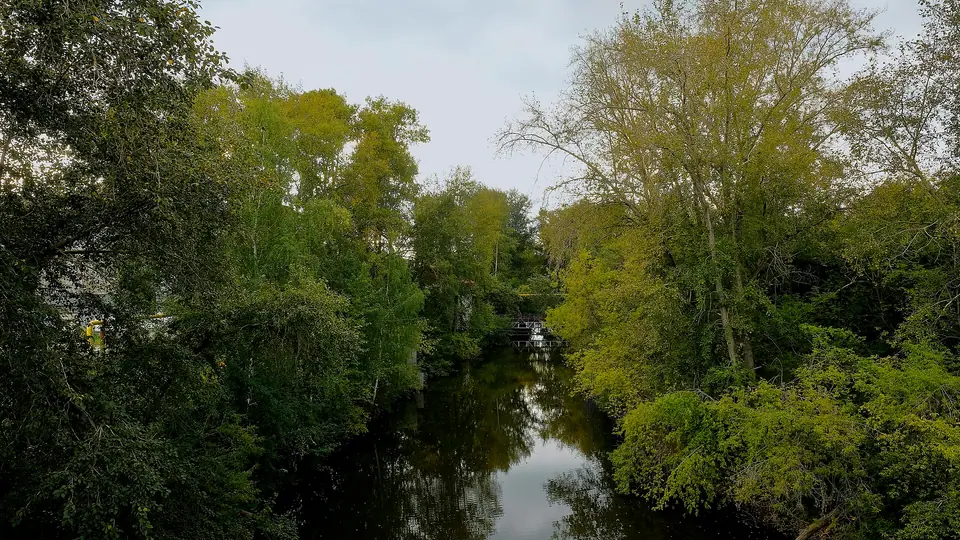
Photo: Vyacheslav Bukharov · CC BY-SA 4.0
Best Time to Visit Yekaterinburg: Ural Weather, Seasons & What to Pack
Discover the best season to explore Yekaterinburg with verified Ural climate data, detailed packing lists for winter frost, and timing advice for summer walking trails.
Sitting at an elevation of 237 to 270 metres on the eastern slope of the Middle Urals, Yekaterinburg experiences a continental Dfb climate. The surrounding low mountain terrain sits between moist Atlantic air masses moving eastward across Europe and freezing arctic or dry continental air arriving from Western Siberia and Kazakhstan. Based on long-term climate normals from the local weather station (WMO 28440), the city records an annual mean temperature of 3.5 °C and roughly 534 mm of total yearly precipitation.
Timing a journey here depends entirely on whether your priority is long daylight walking along the Iset River or witnessing a classic snow-covered Ural winter. Understanding seasonal temperature swings and snowfall patterns ensures that your travel dates align smoothly with architectural excursions, museum visits, and regional forest walks.
Ural Climate Norms and Seasonal Weather Overview
Open-Meteo records covering 2015 to 2024 illustrate the sharp contrasts between continental summer warmth and deep winter frost across the calendar year. Precipitation remains relatively low during early spring, increases significantly during the warmest summer months, and drops back to steady light snowfall throughout the colder half of the year.
| Month | Average High (°C) | Average Low (°C) | Monthly Precipitation (mm) | Wet Days |
|---|---|---|---|---|
| January | -9.3 | -15.5 | 26 | 4 |
| April | 10.1 | 0.3 | 17 | 3 |
| July | 24.3 | 14.4 | 19 | 3 |
| October | 6.9 | 1.0 | 23 | 4 |
Snow cover across the city typically lasts for roughly five months, beginning in late autumn and persisting well into April. The transitional months of March and November bring frequent freeze-thaw cycles, making waterproof footwear indispensable for outdoor exploration.
Summer Warmth and Long Evenings (June to August)
Late May through August is the warmest and most active period for travellers exploring the city centre on foot. June records daytime highs averaging 22.6 °C and overnight lows of 12.0 °C across 3 wet days with 20 mm of precipitation. July is the warmest month of the year, reaching average daytime highs of 24.3 °C and overnight lows of 14.4 °C with 19 mm of rainfall across 3 wet days. August sustains pleasant conditions with highs of 21.4 °C, lows of 12.2 °C, and 23 mm of rain across 4 wet days.
Extended daylight hours transform the granite walkways around Plotinka and the Iset Embankment into energetic social hubs. Open-air crowds gather near the water, and late June features Ural Music Night across dozens of open stages. These summer temperatures make it easy to follow self-guided architectural routes, walk to Sevastyanov's House and Vaynera Street, or undertake suburban excursions out to the forested granite formations at the Shartash Stone Tents.
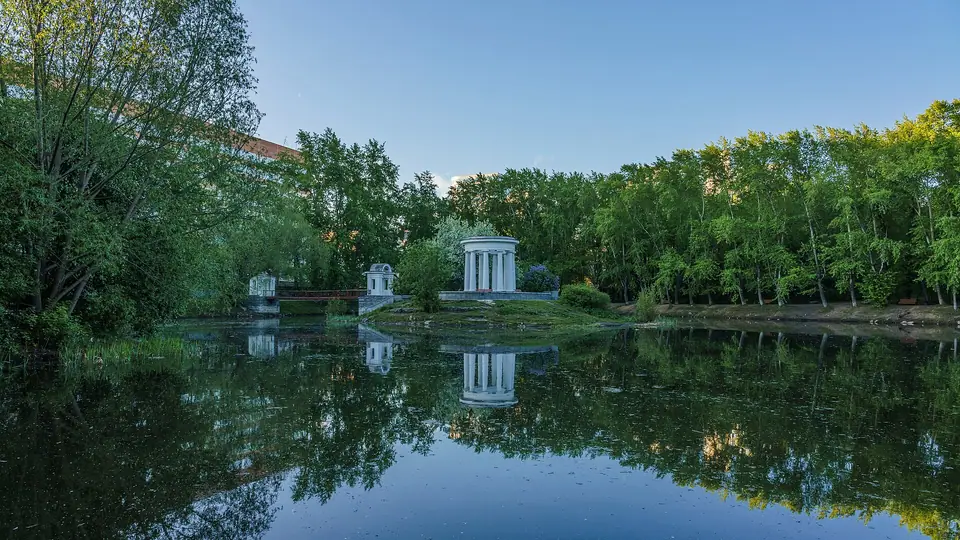
Autumn Foliage and Spring Thaw (September to May)
Autumn arrives swiftly across the Middle Urals as September delivers daytime highs of 15.0 °C and lows of 6.8 °C with 21 mm of precipitation. Early September offers golden birch and larch foliage in city parks before sharp frosts set in. By October, average highs fall to 6.9 °C while overnight lows hover at 1.0 °C with 23 mm of precipitation across 4 wet days. Freezing rain and sleet become frequent before steady snowfall begins late in the month.
Spring is characterised by rapid environmental shifts. March averages daytime highs of 0.9 °C and overnight lows of -7.3 °C with 19 mm of precipitation, meaning winter snow piles begin melting into street slush. April sees daytime temperatures rise to 10.1 °C with lows of 0.3 °C and 17 mm of precipitation, drying city pavements. May brings pleasant green growth, recording comfortable daytime highs of 18.3 °C and lows of 6.9 °C with 20 mm of rain across 3 wet days.

Winter Frost and Snowy Landscapes (November to February)
Winter sets in firmly during November, when daytime highs drop to -2.6 °C and lows sink to -7.8 °C across 24 mm of precipitation. December brings deeper frost, recording average highs of -7.8 °C and lows of -13.3 °C with 25 mm of precipitation over 4 snowy days. January is consistently the coldest month of the year, with daytime highs averaging -9.3 °C and overnight temperatures falling to -15.5 °C. February remains frigid, averaging -6.6 °C during the day and -14.1 °C overnight with 22 mm of precipitation across 4 wet days.
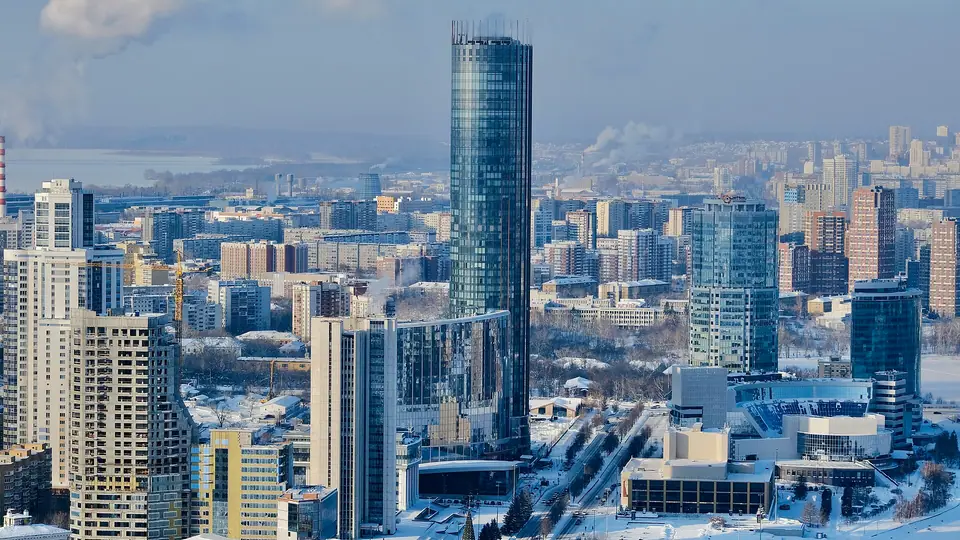
Despite the biting air, winter has distinct visual appeal. Thick ice blankets the City Pond, and municipal builders construct an elaborate Ice Town on 1905 Square featuring carved ice sculptures and slides. Crisp blue skies often accompany severe sub-zero cold spells. Travellers can warm up between outdoor walks by stepping inside heated galleries, boarding the underground network, or touring landmark cultural institutions like the Yeltsin Center and Vysotsky Skyscraper.
Packing Strategy for Continental Ural Extremes
Packing for Yekaterinburg requires a strategy tailored to the extreme temperature variance between seasons. Dressing properly ensures that you stay comfortable during prolonged walking tours regardless of the thermometer reading.
- Summer Essentials (June to August): Light breathable cotton and linen shirts, comfortable walking shoes with grippy rubber soles, UV-blocking sunglasses, and a lightweight windbreaker for cooler riverside evenings. A compact umbrella protects against sudden afternoon rain showers.
- Spring and Autumn Layers (April, May, September, October): Versatile mid-weight fleeces, wind-resistant outer jackets, water-resistant footwear, and a compact woollen beanie. Temperatures fluctuate rapidly between midday sun and overnight chills.
- Winter Cold Defence (November to March): A down-insulated parka rated for sub-zero weather, thermal base layers made from merino wool or synthetic fibres, fleece-lined trousers, insulated waterproof boots with deep treads for icy pavements, thick mittens, and a warm fleece or wool scarf.
Public interiors, transport hubs, and restaurants maintain powerful central heating throughout winter. Wearing multiple breathable layers allows you to shed heavy outer garments quickly upon entering heated museums, keeping you comfortable throughout full days of urban exploration.
Weather by month
Yekaterinburg is warmest in July, with average highs around 24°C, and coldest in January, when nights drop to about -15°C. January is the wettest month by rainfall (26 mm), with rain on about 4 days. For mild weather with fewer rainy days, aim for May, June and July.
| Month | Low | Range | High | Rain | Rainy days |
|---|---|---|---|---|---|
| Jan | -15°C | -9°C | 26 mm | 4 d | |
| Feb | -14°C | -7°C | 22 mm | 4 d | |
| Mar | -7°C | 1°C | 19 mm | 3 d | |
| Apr | 0°C | 10°C | 17 mm | 3 d | |
| May | 7°C | 18°C | 20 mm | 3 d | |
| Jun | 12°C | 23°C | 20 mm | 3 d | |
| Jul | 14°C | 24°C | 19 mm | 3 d | |
| Aug | 12°C | 21°C | 23 mm | 4 d | |
| Sep | 7°C | 15°C | 21 mm | 4 d | |
| Oct | 1°C | 7°C | 23 mm | 4 d | |
| Nov | -8°C | -3°C | 24 mm | 4 d | |
| Dec | -13°C | -8°C | 25 mm | 4 d |
Averages of daily values from 2015 to 2024. Rainy days are days with at least 1 mm of rain. Source: Open-Meteo · Compare destinations by month.
Where it is
- 1Yekaterinburg
- Koltsovo Airport (SVX) · about 16 km from Yekaterinburg in a straight line
- Directions in Google Maps
Stations and taxi ranks: OpenStreetMap. Airports: OurAirports. Distances are in a straight line.
Traveller tips
Real advice from people who have been to Yekaterinburg. Every tip is read by our team before it goes live.
No tips yet. Been here? Yours could be the first.
Thank you! Your tip will appear here after a quick review.
More in Yekaterinburg
Continue exploring Yekaterinburg with related neighbourhood, food, and planning guides
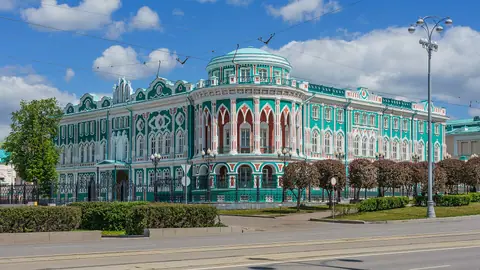
Sevastyanov's House, Lenin Avenue & Vaynera Street in Yekaterinburg
Yekaterinburg, Russia
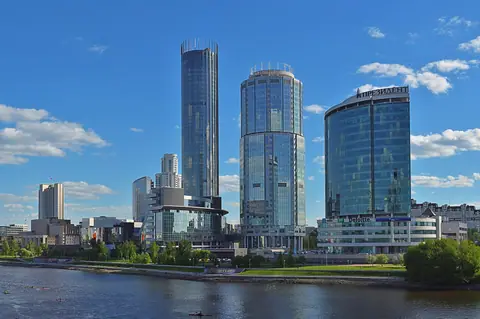
Vysotsky Skyscraper, Yeltsin Center & Iset Tower in Yekaterinburg
Yekaterinburg, Russia
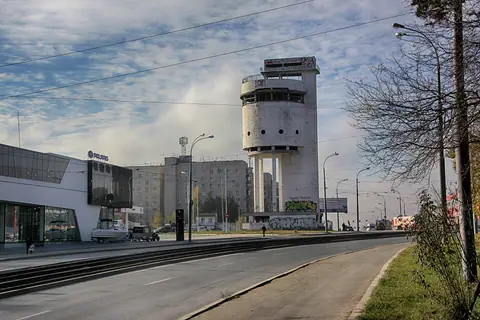
Constructivist Architecture in Yekaterinburg: White Tower & Chekist Town
Yekaterinburg, Russia
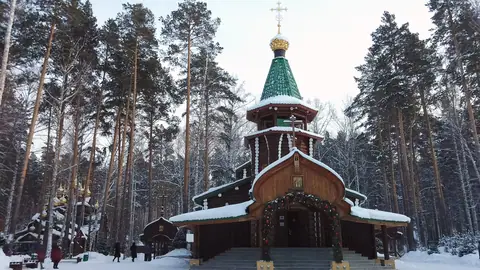
Ganina Yama Monastery & the Europe-Asia Border Near Yekaterinburg
Yekaterinburg, Russia
