Photo: Jorge Cancela @ Flickr · CC BY-SA 4.0
What to Eat in Yekaterinburg: Ural Pelmeni, Shangi and Regional Specialities
Discover traditional Ural dining in Yekaterinburg with this guide to three-meat pelmeni, open-faced shangi, forest mushroom dishes, and warming regional soups.
Ural cuisine developed through long continental winters on the eastern slopes of the Ural Mountains. Centuries of shared history between Russian factory workers and Finno-Ugric Komi-Permyak and Udmurt communities created a hearty dining tradition. The culinary style relies heavily on hand-pinched pastry, pasture-raised meats, preserved forest mushrooms, and cold-weather root vegetables. When you stroll down Lenin Avenue or spend an afternoon exploring dining spots near the Yeltsin Center, ordering these regional specialities provides direct insight into the history of the industrial Urals.
Ural Pelmeni: The Dumpling of the Mining Basins
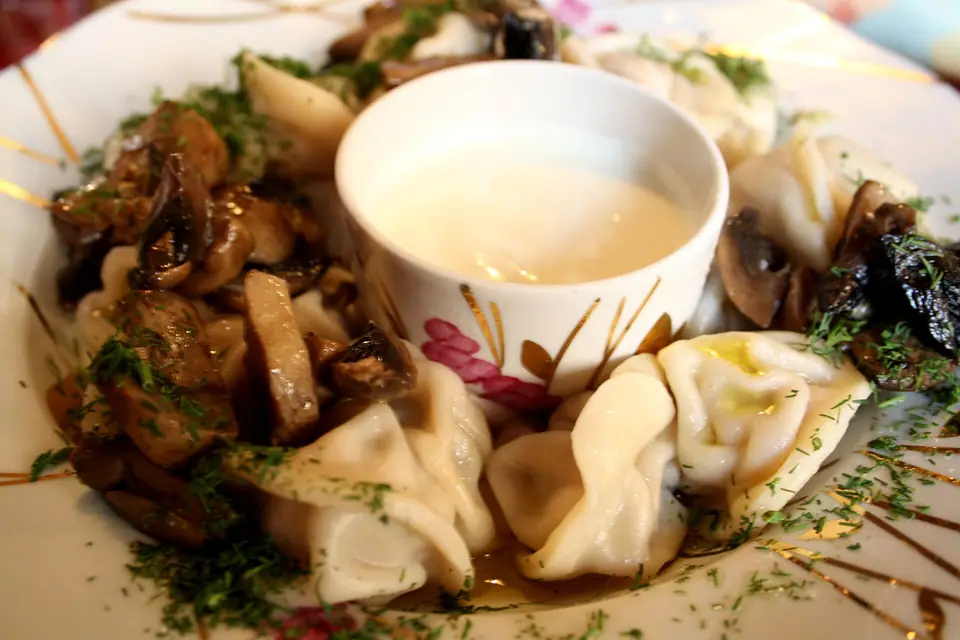
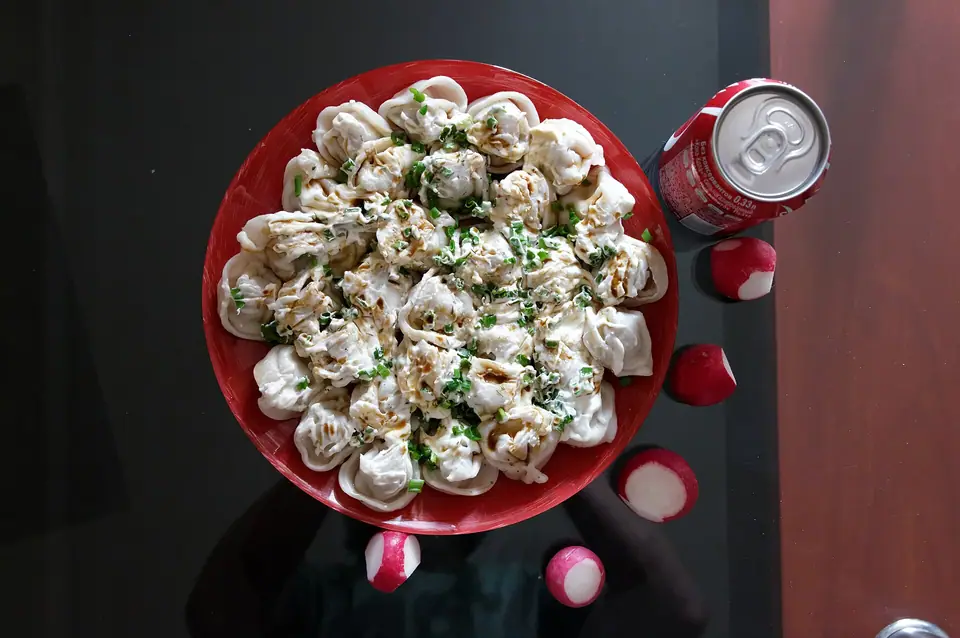
The definitive dish of the region is pelmeni. The Russian term comes from the Finno-Ugric Komi-Permyak and Udmurt compound pelnyan, which translates as bread ear. In this dialect, pel means ear, while nyan means bread. Local cooks still fold the unleavened wheat dough into small curved packages that resemble ears.
While western Russian kitchens often prepare dumplings using only single cuts of minced meat, authentic Ural pelmeni require a balanced three-meat filling. The traditional formula blends 45 percent beef, 35 percent mutton, and 20 percent pork. Chefs chop the meat with yellow onion, ground black pepper, and ice water to preserve inner moisture. The dough wrapper uses fine wheat flour, whole egg, and water, rolled thin before sealing.
Restaurants across the city serve these dumplings simmered in rich beef broth. Diners season their plates with cool sour cream, melted unsalted butter, or a sharp splash of table vinegar with prepared mustard. Several dining rooms offer wild alternatives filled with salted milk-cap mushrooms from local birch forests or minced freshwater pike-perch caught in nearby lakes.
Ural Shangi: Savoury Hearth Pastries
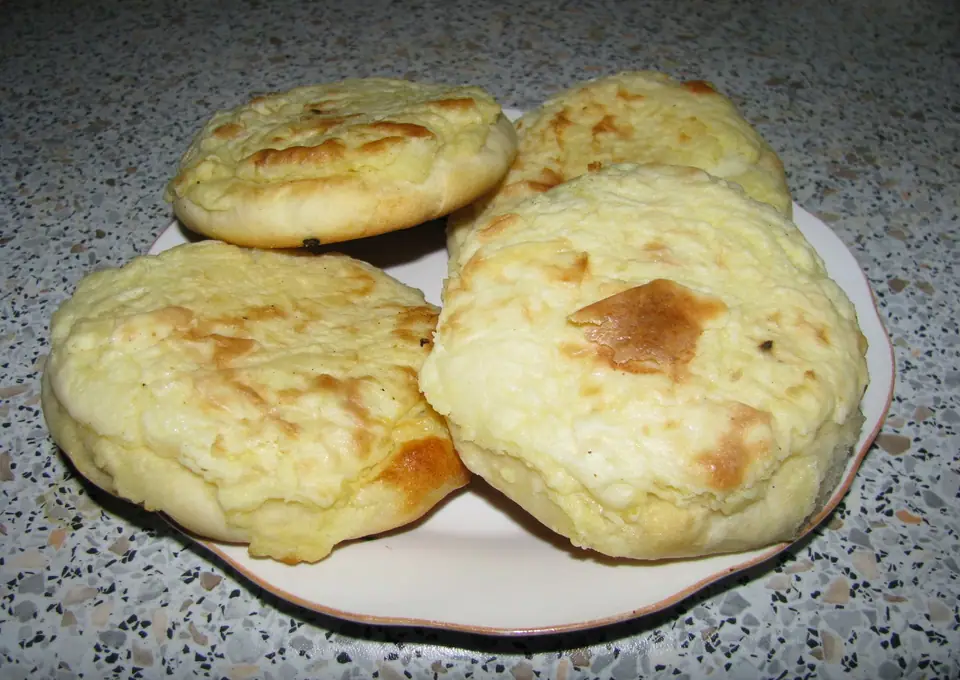
Another bedrock of regional baking is the shanga, with the plural form known as shangi. This open-faced savoury pastry originated among Ural river settlements long before commercial ovens appeared. Bakers roll soft yeast dough into flat rounds between 18 and 20 centimetres in diameter, though modern bakeries produce individual handheld versions as well.
Unlike central Russian vatrushki, which enclose fillings within a deep central dough well, a shanga has no pocket. Instead, bakers spread the topping across the entire top surface before baking. The dough base rises gently beneath the layer of savoury spread.
The classic Ural topping uses mashed boiled potatoes blended with milk and butter. Cooks brush the surface with sour cream and clarified butter before sliding the tray into high heat. The topping bakes into a mottled golden crust. Alternative toppings include sour cream beaten with flour, or seasoned quark cheese. Locals eat warm shangi straight from the bakery counter with strong black tea.
Taiga Mushrooms, Freshwater Fish and Winter Soups
Surrounding pine forests and cold river valleys supply Yekaterinburg pantries with ingredients that define Ural home cooking. Wild mushrooms play a central role, especially during cold months. Pickers collect milk-caps, boletus, and chanterelles across late summer. Kitchens salt them in wooden casks or dry them on strings to build aromatic stocks.
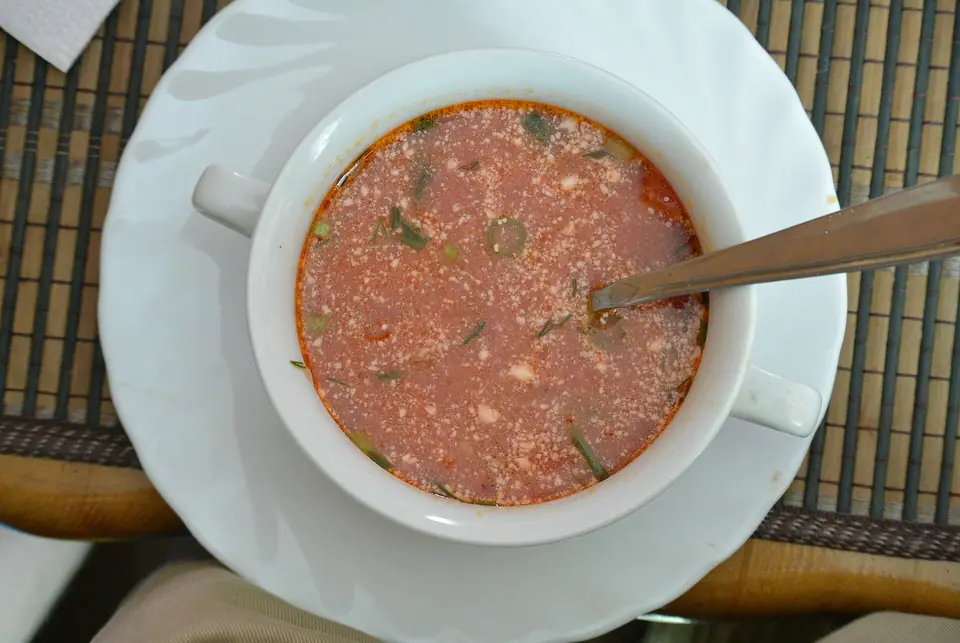
Beetroot borscht and tangy cabbage shchi feature prominently on lunch menus throughout the city. Ural versions frequently incorporate smoked meats or rich bone stocks to counter sub-zero weather. During winter, temperatures regularly drop to a low of -15.5°C in January. Soups arrive piping hot in heavy earthenware bowls, accompanied by rye bread and garlic spread.
Freshwater fish from regional lakes also appears in savoury pies and clear broths. Lake whitefish and pike-perch are baked with sour cream or layered into multi-tiered pastry pies called kulebyaka. These dishes pair naturally with berry fruit drinks made from lingonberries or cranberries gathered in the regional peatlands.
Guide to Iconic Ural Dishes in Yekaterinburg
To help you navigate local menus during a 3-day itinerary or a short city stop, this table details key Ural specialities, their primary ingredients, and standard culinary presentations.
| Dish Name | Primary Regional Ingredients | Culinary Role | Standard Serving Style |
|---|---|---|---|
| Three-Meat Pelmeni | Beef (45%), mutton (35%), pork (20%), thin wheat dough | Hearty main course | Served with sour cream, butter, or meat broth |
| Potato Shanga | Yeast dough, mashed potatoes, sour cream, melted butter | Bakery snack or breakfast | Eaten warm from the oven with black tea |
| Salted Gruzdi | Milk-cap mushrooms, garlic, dill seed, coarse salt | Cold starter or dumpling filling | Tossed with sliced onion and unrefined sunflower oil |
| Ural Shchi | Sauerkraut, smoked beef brisket, root vegetables | Warming midday soup | Ladle-served in clay pots with dollops of sour cream |
| Lingonberry Mors | Wild lingonberries, spring water, light sugar | Refreshing regional drink | Poured chilled in summer or warm during freezing winters |
Seasonal Dining Tips and Ural Flavours
Dining patterns in Yekaterinburg change dramatically with the seasons. Winter conditions demand hot soups and rich dumplings. If you review the best time to visit, you will notice that sub-zero lows persist from November through March. Cold weather makes hot pelmeni broths an essential mid-walk meal. Summer brings warmer highs reaching 24.3°C in July, when cold kvass soups, berry drinks, and light river fish become popular.
For the best dining experience, explore family-run pelmeni houses situated along older residential streets. These venues fold dumplings by hand throughout the day. Ordering a portion of classic pelmeni, a warm potato shanga, and a bowl of salted taiga mushrooms delivers an authentic taste of Ural culinary heritage.
Where it is
- 1Yekaterinburg
- Koltsovo Airport (SVX) · about 16 km from Yekaterinburg in a straight line
- Directions in Google Maps
Stations and taxi ranks: OpenStreetMap. Airports: OurAirports. Distances are in a straight line.
Traveller tips
Real advice from people who have been to Yekaterinburg. Every tip is read by our team before it goes live.
No tips yet. Been here? Yours could be the first.
Thank you! Your tip will appear here after a quick review.
More in Yekaterinburg
Continue exploring Yekaterinburg with related neighbourhood, food, and planning guides

Church on the Blood & Kharitonov Palace: Voznesenskaya Hill Guide
Yekaterinburg, Russia
Sevastyanov's House, Lenin Avenue & Vaynera Street in Yekaterinburg
Yekaterinburg, Russia

Vysotsky Skyscraper, Yeltsin Center & Iset Tower in Yekaterinburg
Yekaterinburg, Russia
Constructivist Architecture in Yekaterinburg: White Tower & Chekist Town
Yekaterinburg, Russia
