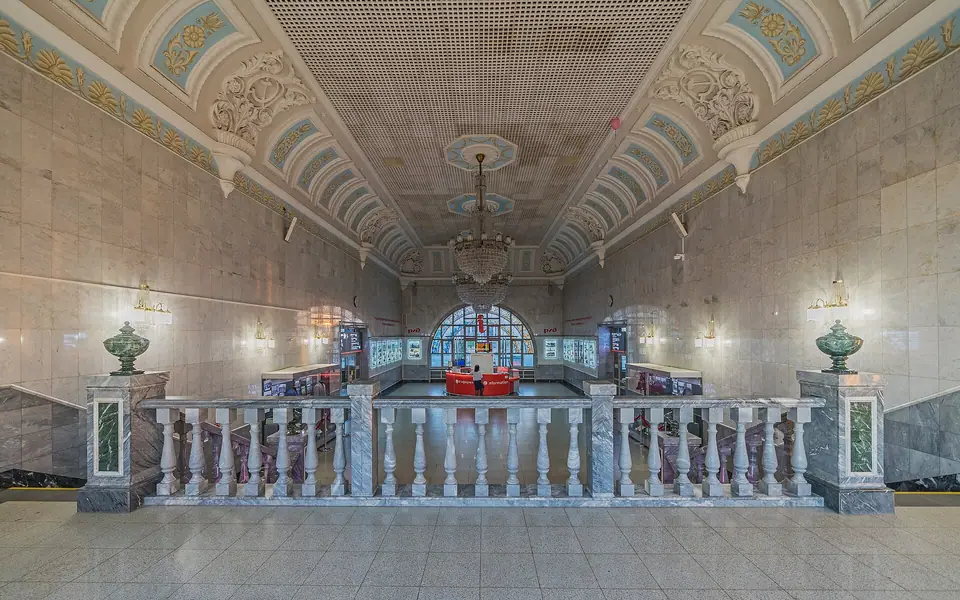
Photo: A.Savin · CC BY-SA 4.0
How to Get to Yekaterinburg: Koltsovo Airport and Trans-Siberian Trains
A comprehensive transit guide for arriving in Yekaterinburg via Koltsovo International Airport flights, Trans-Siberian rail connections, and local terminal links.
Positioned across the lowest pass of the Ural Mountains, Yekaterinburg serves as the historic geographic crossroads between European Russia and Siberia. Since the era of the Siberian Route, travellers crossing the continental boundary have channelled through this regional hub. Today, incoming visitors reach the Ural metropolis primarily through Koltsovo International Airport or via long-distance rail along the Trans-Siberian Railway line. Knowing the transit options between these arrival points and the urban core ensures an efficient start when checking into your accommodation in central Yekaterinburg neighbourhoods.
Arriving by Air: Koltsovo International Airport (SVX)
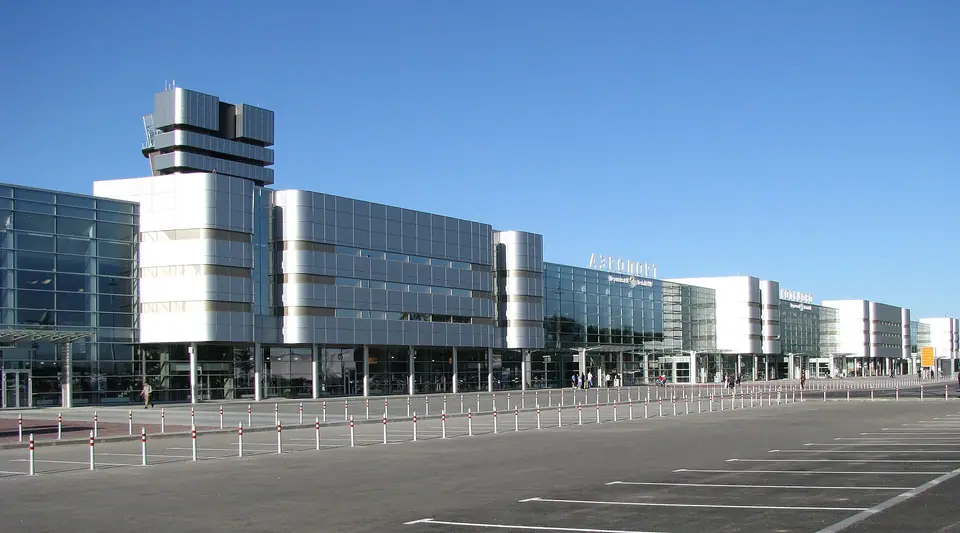
Koltsovo International Airport sits 16 kilometres southeast of central Yekaterinburg in the Koltsovo microdistrict. The airfield carries the official memorial title of Ural industrialist Akinfiy Demidov. Koltsovo began operations between 1928 and 1930 as a military airbase. Aviation historians remember the facility as the testing ground where test pilot Grigory Bakhchivadzhi flew the experimental Soviet rocket aircraft Bereznyak-Isayev BI-1 on 15 May 1942. The airfield opened to civil passenger transport on 10 July 1943 before receiving international gateway status in October 1993.
Today, Koltsovo operates as a primary aviation hub for the Ural region. The modern complex comprises domestic Terminal A, international Terminal B, and an unmistakable 90-metre air traffic control tower. Frequent scheduled flights link the Ural hub directly with Moscow, Saint Petersburg, Kazan, Sochi, and Kaliningrad, in addition to selective international destinations across Central Asia and beyond.
Ground Transport Links from Koltsovo Airport
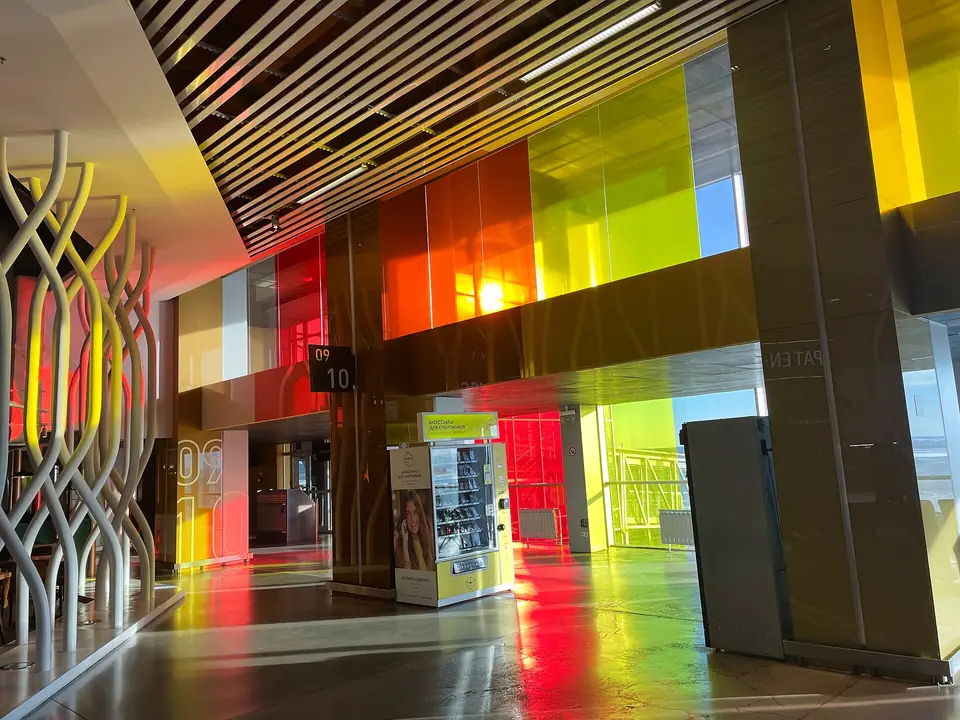
Passengers landing at Koltsovo have several transport methods to cover the 16 kilometres into the city centre. Municipal bus services provide regular direct connections from the curbside halts outside Terminal A and Terminal B:
- Municipal Bus 65: Operates regular daily runs connecting the airport terminals directly to Yekaterinburg-Passazhirsky Railway Station, stopping at intermediate stops across the eastern districts.
- Express Bus 01: Offers an express connection linking Koltsovo Airport to the city centre and the main railway terminal, travelling along major arterial bypasses.
- Suburban Commuter Rail: Suburban electric trains run along the regional line linking Koltsovo station to the central railway terminal via the Shartash junction. Passengers should check current daily timetable boards, as departures on this line are spaced across selected service windows.
- Official Taxis and Ride-Hailing: Authorised booking counters operate within the arrivals halls. Licensed app pickups occur on designated roadway lanes immediately outside the terminal doors. Expect travel times to fluctuate depending on peak traffic along the southern avenues.
Winter conditions directly affect arrival logistics across the Urals. Open-Meteo climate statistics between 2015 and 2024 reveal daytime highs averaging -9.3°C in January and -6.6°C in February, with overnight lows sinking to -15.5°C and -14.1°C. Heavy snowfall can prolong road transfers between Koltsovo and the central hotels, making public rail and the urban transit system referenced in our guide to getting around Yekaterinburg valuable backup alternatives.
Arriving by Rail: Yekaterinburg-Passazhirsky Station
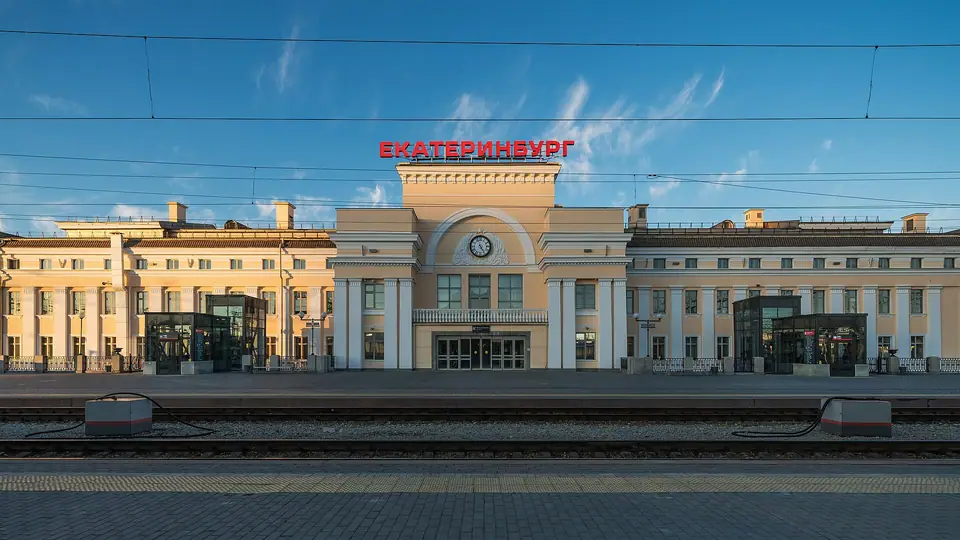
Yekaterinburg-Passazhirsky Railway Station stands as one of the most critical junction stations across the Russian rail network. The complex sits at 22 Vokzalnaya Street, directly north of the central downtown core. Long-distance travellers often recognise the junction by its historical Soviet name, Sverdlovsk-Passazhirsky, which the station held continuously until 30 March 2010.
The terminal sits at kilometre 1,816 of the classic Trans-Siberian Railway mainline when measured from Moscow via Yaroslavsky Station, and 1,667 kilometres along the route via Kazan. Operating as a comprehensive seven-way railway junction, the station links lines extending west toward European Russia, northwest to Perm, northeast toward Nizhny Tagil, east into Siberia, and south toward Chelyabinsk. Passenger services operate continuously day and night, carrying long-distance travellers completing multi-day rail crossings as well as regional commuters.
Architecture and Layout at the Central Station
Stepping off the train onto the platforms reveals an open-air museum of Russian and Soviet transport architecture spanning over a century. The railway station territory contains three major passenger buildings representing distinct historical epochs:
- The 1878 Old Station: Designed by architect Pyotr Shreyber, this stone neo-Russian structure served the original Ural Mining Railway line. Today, the preserved building functions as a dedicated railway history museum displaying period transport artefacts.
- The 1914 Art Nouveau Terminal: Constructed according to designs by Konstantin Babykin, this elegant structure provided expanded ticketing halls to accommodate the dramatic surge in early twentieth-century passenger traffic.
- The Main Modern Terminal: Originally erected in 1939 with neoclassical features, this large terminal building underwent extensive architectural reconstruction between 1997 and 2001. The interior presents monumental vaulted halls, painted decorative ceilings, marble balustrades, and brass chandeliers.
Exiting the station platforms directly connects arriving passengers to Uralskaya Metro Station, located right on the station forecourt plaza. The single-line metro system provides direct underground connections straight south underneath the historic centre towards 1905 Square, bypassing surface traffic jams during sub-zero winter spells. Those arriving ready for sightseeing can transfer into central districts to begin exploring the landmarks detailed in our 3 days in Yekaterinburg itinerary.
Arrival Hubs Comparison for Yekaterinburg
The following overview outlines key transit characteristics for the primary passenger gateways serving Yekaterinburg:
| Arrival Gateway | Location Distance | Direct Transport Options | On-Site Facilities |
|---|---|---|---|
| Koltsovo Airport Terminal A | 16 km southeast of centre | Buses 65, 01, suburban train via Shartash, taxis | Domestic check-in, luggage storage, cafes, retail counters |
| Koltsovo Airport Terminal B | 16 km southeast of centre | Buses 65, 01, suburban train via Shartash, taxis | International arrivals, border control, foreign exchange desks |
| Yekaterinburg-Passazhirsky | Central district (22 Vokzalnaya St) | Uralskaya Metro Station, city trams, local buses | Left luggage lockers, passenger waiting lounges, transit museum |
| Old 1878 Railway Terminal | Adjacent to modern station tracks | Walking access to Uralskaya Metro and tram halts | Preserved historical exhibition spaces and heritage statues |
Whether arriving via Koltsovo runway approaches or along the historic steel rails of the Trans-Siberian line, navigating these two passenger terminals provides an introduction to the deep transport heritage of the Ural capital.
Where it is
- 1Yekaterinburg
- Koltsovo Airport (SVX) · about 16 km from Yekaterinburg in a straight line
- Directions in Google Maps
Stations and taxi ranks: OpenStreetMap. Airports: OurAirports. Distances are in a straight line.
Traveller tips
Real advice from people who have been to Yekaterinburg. Every tip is read by our team before it goes live.
No tips yet. Been here? Yours could be the first.
Thank you! Your tip will appear here after a quick review.
More in Yekaterinburg
Continue exploring Yekaterinburg with related neighbourhood, food, and planning guides

Best Time to Visit Yekaterinburg: Ural Weather, Seasons & What to Pack
Yekaterinburg, Russia
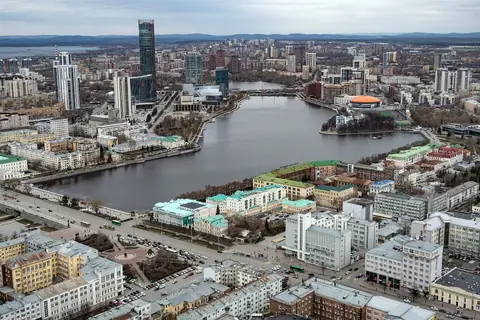
3 Days in Yekaterinburg: Plotinka, Constructivism and Ural Excursions
Yekaterinburg, Russia
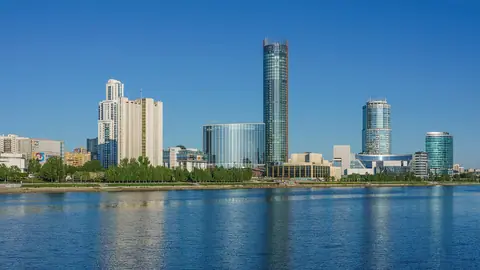
Yekaterinburg: Planning Your Visit to the Ural Capital
Yekaterinburg, Russia
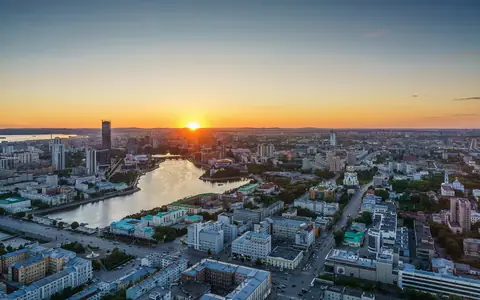
Best Things to Do in Yekaterinburg: Landmarks, Museums and Views
Yekaterinburg, Russia
