El Born Quarter: Santa Maria del Mar, Palaces and Maritime Lanes
Independent travellers explore El Born by walking through maritime Gothic vaults, aristocratic stone mansions, and shaded neighbourhood squares across eastern Barcelona.
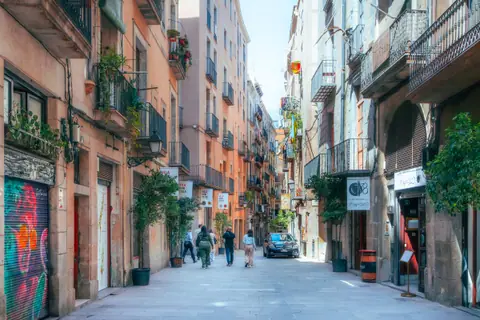
Standing just east of the central boulevard dividing old quarters, El Born represents the maritime soul of medieval Barcelona. While the neighbouring lanes of the Gothic Quarter housed royal officials and high bishops, this district flourished through sea trade, guild houses, and dockside workshops. Today, its narrow alleys display a fine balance between living residential squares and centuries of preserved stonework. We find quiet courtyards tucked behind heavy wooden carriage portals across every turn.
The physical fabric of the quarter reflects a dense commercial past shaped by sea merchants, craft masters, and mariners. Stone lintels overhead still carry engraved guild crests showing blacksmith tools, shoemaker knives, and ship ropes. Walking through these shaded corridors early in the morning lets you hear the ring of delivery carts across worn flagstones. Sunlight gradually filters down between tall stone facades, illuminating centuries of civic history.
Maritime Gothic Architecture at Santa Maria del Mar
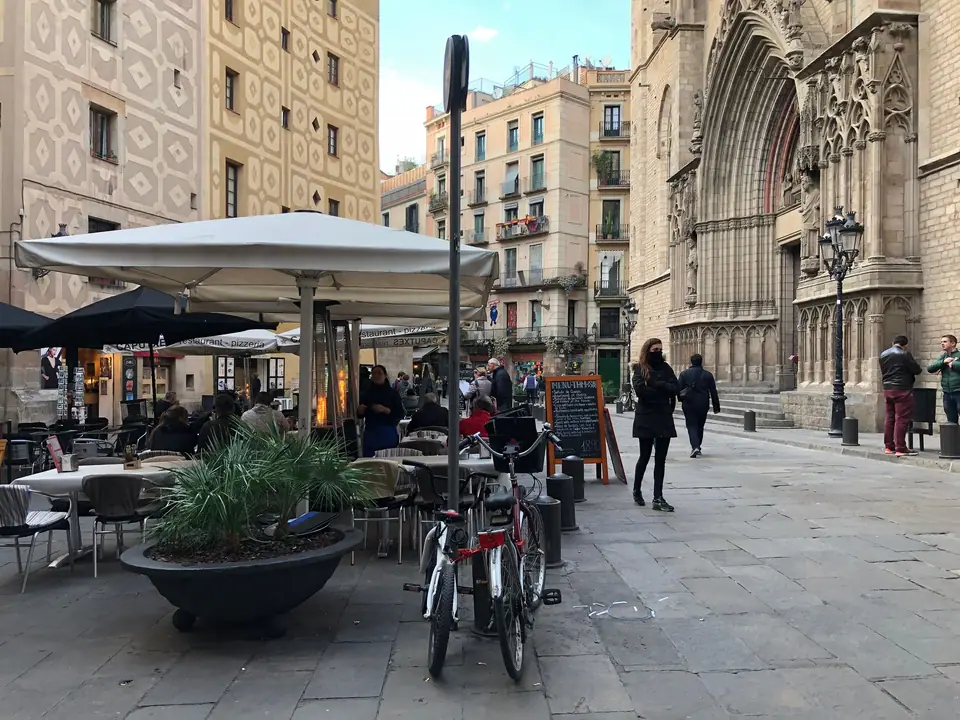
At the spiritual heart of the quarter rises the towering outline of the Basilica de Santa Maria del Mar. Local maritime guilds, dockers, and stone haulers funded and assembled this massive structure during the fourteenth century. Unlike elaborate French cathedrals, the exterior presents broad, austere walls and unadorned surfaces that emphasise geometric simplicity and strength. Step inside to appreciate the expansive interior nave, where slender octagonal pillars rise toward ribbed vaulting.
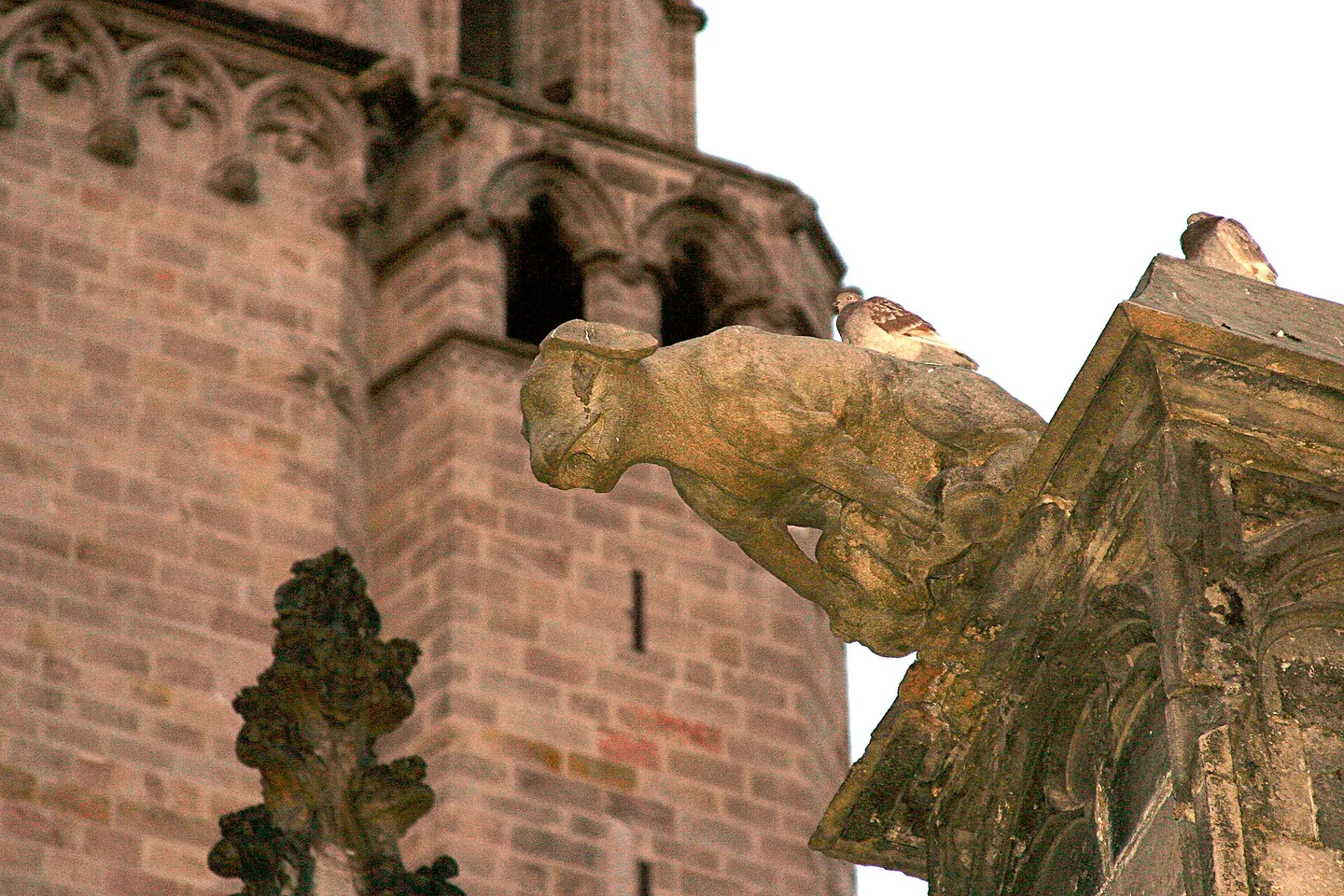
The interior space feels unusually open because the wide side aisles match the central nave in height, creating a grand hall atmosphere. Natural daylight filters through elevated clerestory windows, casting soft reflections onto smooth limestone flags beneath your feet. We recommend taking time to observe the guild emblems carved into small bronze plaques and stone pillars near the altar steps. Check official parish notices before arrival for seasonal visiting access, roof tours, and service times.
Acoustics inside the basilica remain exceptional due to the clean proportions of the central hall. Classical choirs and organists regularly perform under the soaring stone rib vaults. Even during quiet morning hours, whispers carry softly through the high nave, enhancing the contemplative atmosphere. The absence of heavy baroque altarpieces lets natural shadows define the monumental columns and plain stone surfaces.
Noble Mansions of Carrer de Montcada
Running north from the basilica, Carrer de Montcada once served as the most prestigious residential street in the port area. Wealthy merchants and nobles built grand palatial houses here, featuring internal courtyards, exterior stone staircases, and arched upper galleries. Several of these linked medieval residences now house major art galleries, allowing visitors to walk through Gothic domestic halls while admiring historic exhibitions. Visitors heading into the area can also explore the Picasso Museum along this very pedestrian lane.
Walking along this stone corridor reveals how medieval architects solved space limitations within crowded defensive ramparts. Ground floors contained broad storage arches for maritime cargo, while residential living rooms occupied the piano nobile on the first floor above. Small workshops and artisanal perfume shops continue to populate the street level, maintaining a continuous chain of craft tradition that extends back hundreds of years. The cool stone stairwells offer welcoming shade during warm Mediterranean afternoons.
These stone residences feature thick wooden doorways wide enough for loaded horse carts arriving from the docks. Above the central entry arches, iron lamp brackets and carved heraldic shields recall the merchant dynasties that financed Mediterranean trade voyages. Stepping into the interior courtyards allows you to view delicate Gothic windows that illuminated private family apartments. These peaceful open courtyards remain among the finest surviving examples of domestic Gothic engineering in Catalonia.
- Santa Maria del Mar: Maritime Gothic basilica built with octagonal pillars and wide naves funded by dockers.
- Carrer de Montcada: Narrow paved lane lined with linked noble palaces, courtyard staircases, and art museums.
- El Born CCM: Restored cast-iron market hall sheltering extensive archaeological ruins and stone street layouts.
- Passeig del Born: Tree-shaded promenade lined with independent cafés, vermouth counters, and artisan bakeries.
Excavated History at El Born CCM
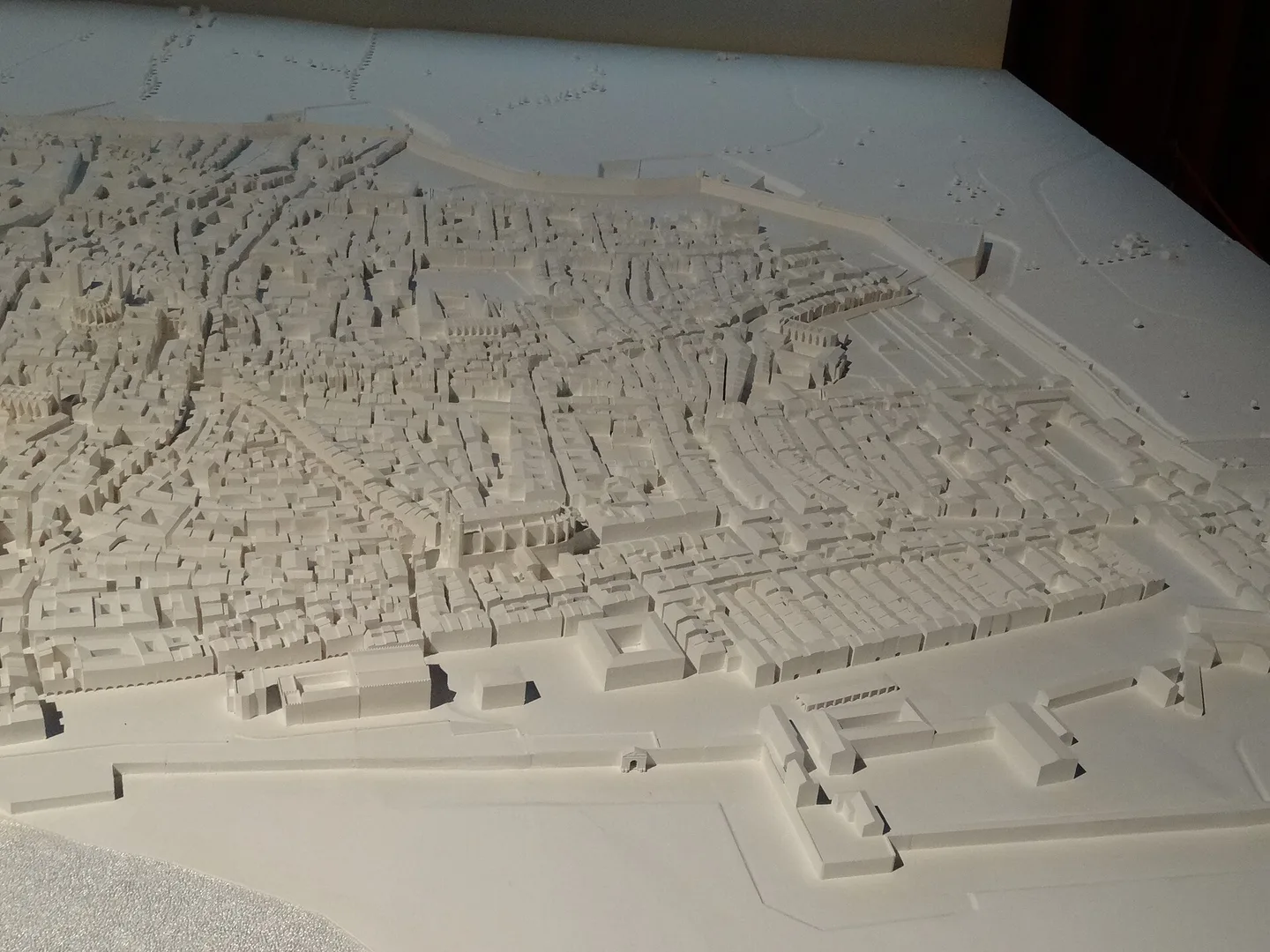
At the eastern end of the quarter stands the striking cast-iron structure of the Born Centre de Cultura i Memoria. Originally opened as an expansive neighbourhood food hall, the site underwent careful restoration that uncovered extensive archaeological remains beneath its floorboards. Visitors can walk along raised perimeter footbridges to observe genuine street patterns, domestic walls, and drainage channels preserved in clear detail.
Information panels around the iron perimeter trace the social lives of families, dockers, and merchants who resided in these houses centuries ago. The surrounding hall remains free to enter for viewing the physical archaeological expanse from above, giving travellers a direct perspective on urban layout. It serves as an instructive stop before continuing eastward toward the leafy perimeter pathways of the nearby city park. Check official cultural listings for rotating temporary exhibitions inside the upper side rooms.
The engineering of the nineteenth-century cast-iron canopy offers an impressive visual contrast to the medieval foundations below. Slender iron columns support a lofty roof that allows natural light to wash across the preserved stone foundations. Travellers can trace old water wells, cellar storage vaults, and street corner curb stones that once buzzed with daily commerce. This clear archaeological window reveals how the city grew and adapted across consecutive centuries.
Evening Strolls Along Passeig del Born and Surrounding Markets
Connecting the former market hall to the rear apse of Santa Maria del Mar, Passeig del Born forms the primary social spine of the district. In previous centuries, this long rectangular square hosted festive tournaments, civic processions, and community gatherings. In our era, outdoor tables stretch between mature trees, welcoming locals for early evening conversations, regional aperitifs, and small bites. Sampling traditional snacks here pairs naturally with exploring our dedicated food and tapas guide.
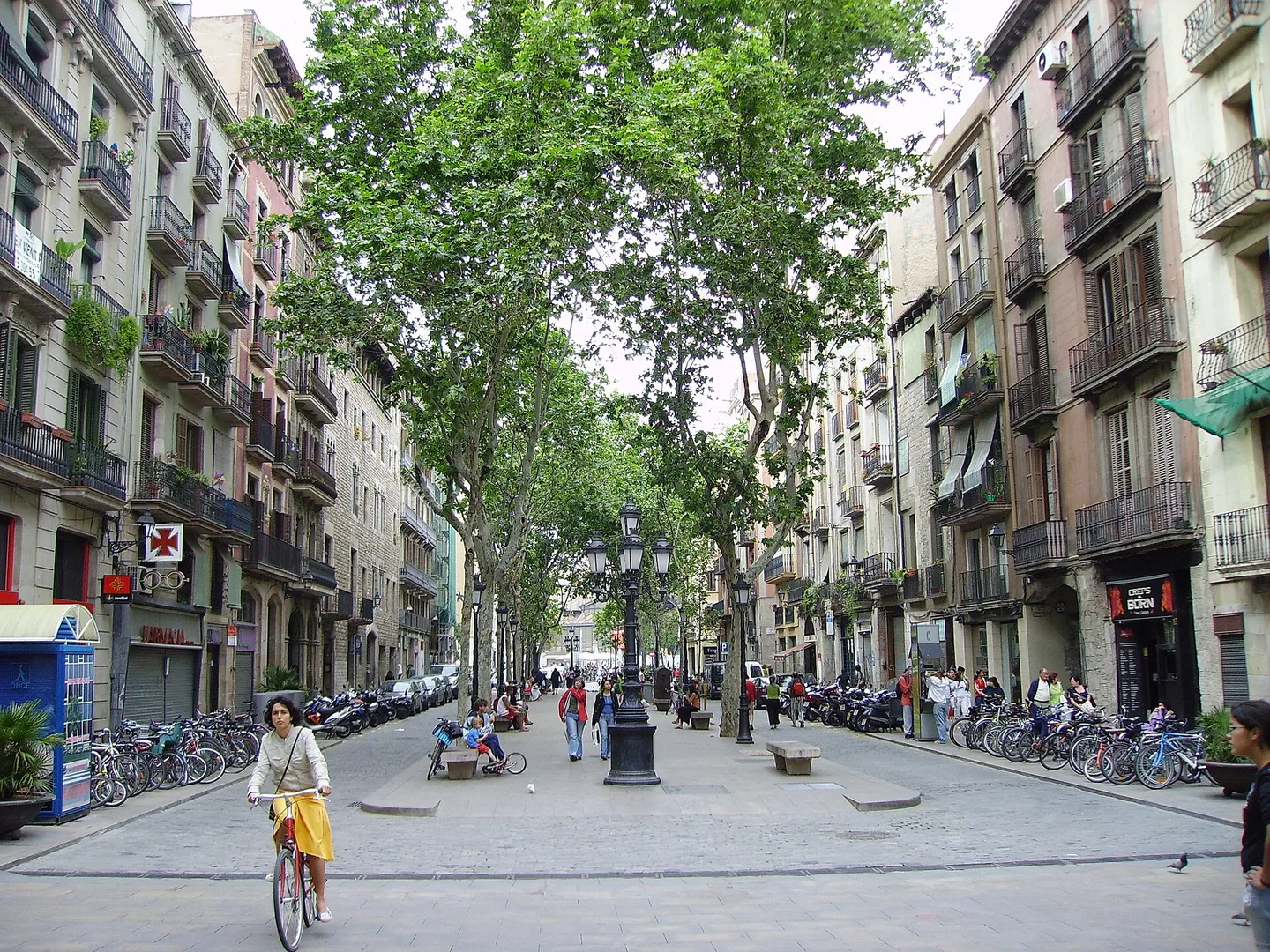
A short walk north brings you to the lively Santa Caterina Market, known for its undulating, brightly tiled roof sheltering dozens of fresh produce stalls. Visiting the market perimeter during midday lets you sample cured meats, regional cheeses, and seasonal fruits directly from local purveyors. Leaving the market hall, a brief stroll leads onto the open lawns of Ciutadella Park. That leafy parkland wraps up a day of discovery across eastern Barcelona nicely.
As evening falls, warm streetlights illuminate the ancient facades and narrow flagstone walkways around the central promenade. Neighbourhood residents mingle with international visitors at corner bakeries, independent bookshops, and family bodegas. The gentle rhythm of local life makes the quarter an inviting area for leisurely evening walks. Taking time to wander without a rigid timetable uncovers hidden squares and quiet architectural details throughout this historic port neighbourhood.
Official prices and opening hours
- Museu Picasso BarcelonaOfficial site ↗
Where it is
- 1El Born Quarter
- Josep Tarradellas Barcelona-El Prat Airport (BCN) · about 13 km from here in a straight line
- Directions in Google Maps
Stations and taxi ranks: OpenStreetMap. Airports: OurAirports. Distances are in a straight line.
Traveller tips
Real advice from people who have been to Barcelona. Every tip is read by our team before it goes live.
No tips yet. Been here? Yours could be the first.
Thank you! Your tip will appear here after a quick review.
More in Barcelona
Continue exploring Barcelona with related neighbourhood, food, and planning guides