Gràcia Guide: Village Plazas, Casa Vicens and the August Festa
Gràcia preserves its village identity north of Diagonal with shady cafe squares, early Gaudí architecture, and creative August street decorations.
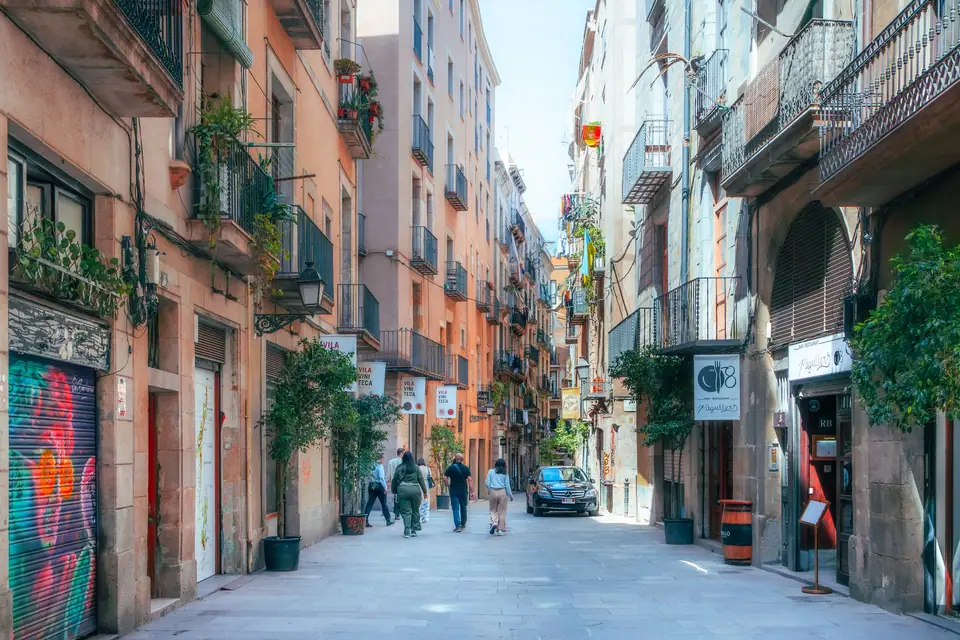
Gràcia existed as an independent farming village for centuries before Barcelona annexed the municipality in 1897. Even today, entering its tight network of residential streets feels distinct from the broad grid of the surrounding city. Low apartment blocks shade quiet lanes, while local bakeries and family hardware shops line pedestrian passages instead of multinational stores. The rhythm of daily life gathers across interconnected public squares, where outdoor terrace seating fills with neighbours every afternoon.
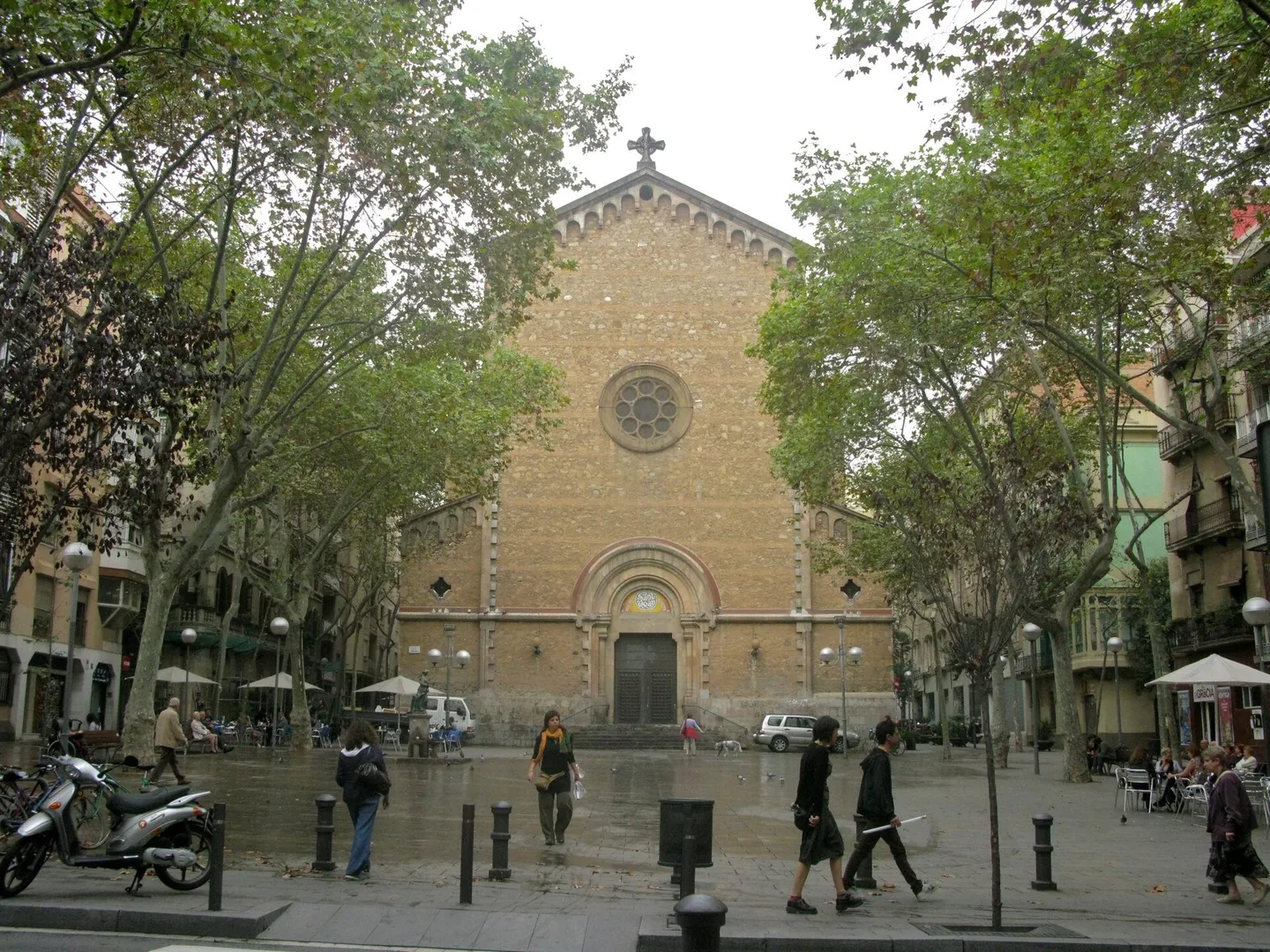
Plaça de la Vila de Gràcia stands as the civic core of the quarter, dominated by its thirty-three-metre historic bell tower. Children kick footballs across the stone pavement, while nearby cafés serve morning coffee beneath apartment balconies decorated with colourful laundry. Further east along Carrer de Verdi, Plaça de la Virreina offers shaded benches beneath leafy trees next to the parish church of Sant Joan. Plaça del Sol functions as an evening gathering space, drawing residents to its stepped stone perimeter for vermouth and small tapas dishes.
Casa Vicens and Early Modernisme
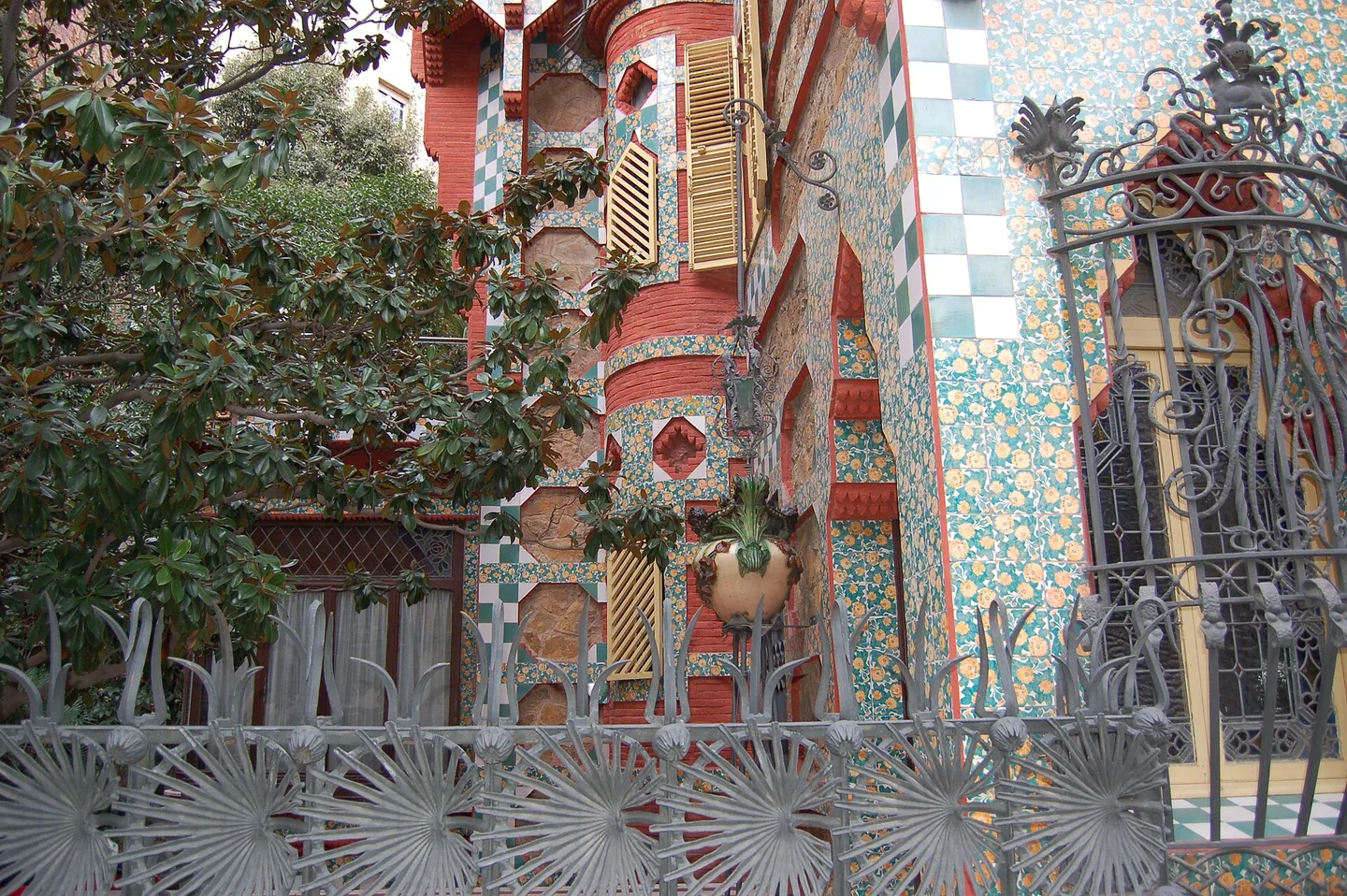
Tucked into Carrer de les Carolines, Casa Vicens represents the earliest residential masterpiece designed by Antoni Gaudí between 1883 and 1885. Built as a summer holiday home for tile manufacturer Manuel Vicens, the building marks a decisive break from classical architectural forms. Gaudí combined raw red brick with elaborate green and white ceramic tiles, reflecting strong Mudéjar and Orientalist influences throughout the façade. The floral ceramic motifs honour African marigolds that the architect observed growing across the original estate grounds before construction began.
UNESCO inscribed the residence on the World Heritage register as part of the collective Works of Antoni Gaudí. Inside, restored rooms display intricate timber ceilings, hand-painted papier-mâché decorations, and iron grilles shaped like palmetto leaves. Visitors can study how Gaudí integrated ventilation, natural light, and structural brickwork years before starting the grand projects of the Eixample. Ticket reservations require selecting timed entry slots, which prevents overcrowding inside the narrow corridors and garden paths.
Civil War Shelters and Literary Streets
Plaça del Diamant gained lasting literary recognition through the celebrated post-war Catalan novel by Mercè Rodoreda. A bronze sculpture commemorating her protagonist Natalia stands in the corner of the square, depicting her endurance through twentieth-century social upheaval. Beneath the paving stones lies a preserved subterranean air-raid shelter excavated during the Spanish Civil War. Neighbourhood volunteers dug those underground passages by hand to shield civilian families from aerial bombing raids.
Visiting Gràcia allows travellers to observe community preservation efforts that keep local cultural history alive across generations. You can review the main Barcelona guide to see how these village blocks link with adjacent districts. For overnight arrangements, comparing quiet village rentals with central hotels in the Barcelona neighbourhood hotel guide clarifies transit options and evening atmospheres.
| Square Name | Main Character | Notable Feature |
|---|---|---|
| Plaça de la Vila de Gràcia | Civic and administrative hub | Historic central bell tower |
| Plaça del Diamant | Literary and historical square | Subterranean Civil War air-raid shelter |
| Plaça de la Virreina | Quiet shaded retreat | Parish church of Sant Joan |
| Plaça del Sol | Social evening terrace venue | Wide open stone seating steps |
Festa Major de Gràcia and Walking Routes
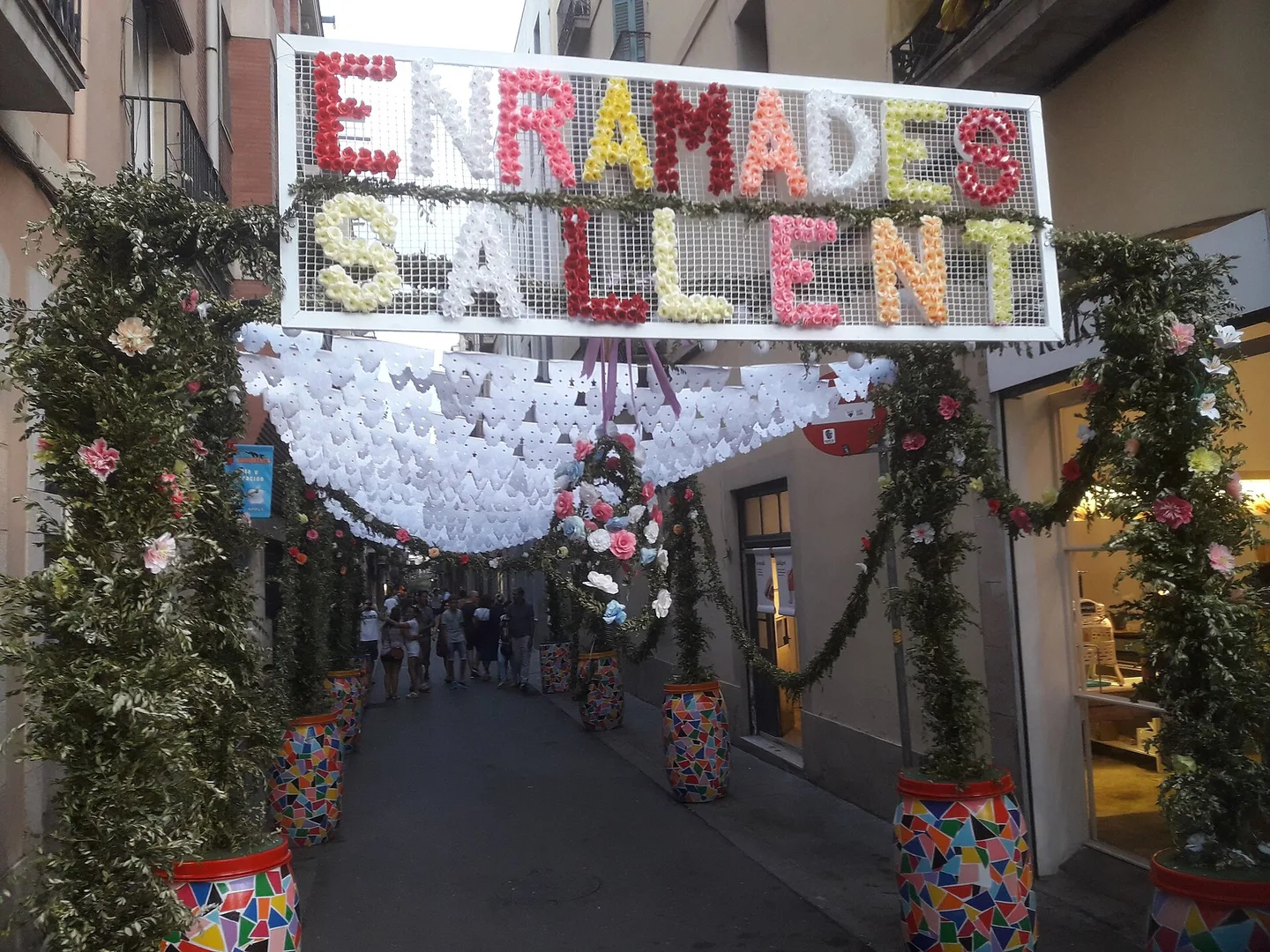
Every year in mid-August, the quarter hosts the famous Festa Major de Gràcia, transforming everyday streets into open-air art installations. Residents spend months collecting recycled cardboard, plastic bottles, and timber framing to build elaborate themed decorations overhead. Streets compete fiercely for annual prizes, decorating entire blocks with miniature rainforests, historical pageants, or mythological creatures. Evening brings communal banquets, folk dance performances, and acoustic concerts, making August a lively period for cultural immersion.
Reaching Gràcia is straightforward using the underground transport network, with Fontana on metro line L3 and Joanic on line L4 serving opposite borders. Visitors descending after touring the northern monuments can follow the walking itinerary in the Park Güell visitor guide. Reviewing the Barcelona seasonal timing recommendations helps plan around high summer temperatures and street festival crowds.
- Board metro line L3 to Fontana for immediate walking access to Carrer d'Astúries and Casa Vicens.
- Alight at Joanic on line L4 to approach Plaça del Sol and eastern artisan studios directly.
- Walk south downhill from Carrer de Larrard along Travessera de Dalt into the quiet residential lanes.
Official prices and opening hours
- Park Guell (Monumental Zone)Official site ↗
- TMB T-casual (10-Trip Zone 1) and Single TicketsOfficial site ↗
Where it is
- 1Gràcia
- Josep Tarradellas Barcelona-El Prat Airport (BCN) · about 13 km from here in a straight line
- Directions in Google Maps
Stations and taxi ranks: OpenStreetMap. Airports: OurAirports. Distances are in a straight line.
Traveller tips
Real advice from people who have been to Barcelona. Every tip is read by our team before it goes live.
No tips yet. Been here? Yours could be the first.
Thank you! Your tip will appear here after a quick review.
More in Barcelona
Continue exploring Barcelona with related neighbourhood, food, and planning guides
Montjuïc Guide: Cable Car, MNAC, Miró Museum and Fortress Views
Barcelona, Spain
Casa Batlló and Casa Milà: Comparing Gaudí Houses
Barcelona, Spain
El Born Quarter: Santa Maria del Mar, Palaces and Maritime Lanes
Barcelona, Spain
What to Eat in Barcelona: Catalan Classics, Vermouth and Meal Times
Barcelona, Spain
