Photo: JourneyCities
Montjuïc Guide: Cable Car, MNAC, Miró Museum and Fortress Views
Visitors ascend Montjuïc by funicular and cable car before walking downhill past historic fortresses, sculpture gardens, and grand Catalan art galleries.
Rising quietly above the commercial harbour, Montjuïc offers a spacious green counterweight to the dense stone grid of central Barcelona. Climbing its slopes on foot under the Mediterranean sun can quickly become exhausting, so we recommend starting right at the top. Taking transit uphill allows you to spend the rest of the day walking gently downhill between gardens, galleries, and scenic overlooks. When planning your transit around the capital, mastering the metro network and funicular links through our Barcelona transport network tips keeps the journey smooth.
The most pleasant approach begins by riding the underground metro to Paral-lel station, where an integrated funicular whisks you straight up the slope. At the upper funicular terminal, transfer directly to the red cabins of the Telefèric de Montjuïc. This aerial cable car glides high above pine canopies, providing expansive panoramas of the sea, the container docks, and the city streets below. Stepping out at the summit station places you directly outside the moat of Montjuïc Castle without a single drop of sweat.
The summit is dominated by Montjuïc Castle, a historic military fortress with sweeping ramparts built to command both sea approaches and the plains inland. We walk along the broad stone bastions, where vintage iron cannons still point across the deep blue Mediterranean water. From this elevated perch, you look straight down into the working maritime docks, watching colossal cargo ships and ferries manoeuvre through the harbour basins.
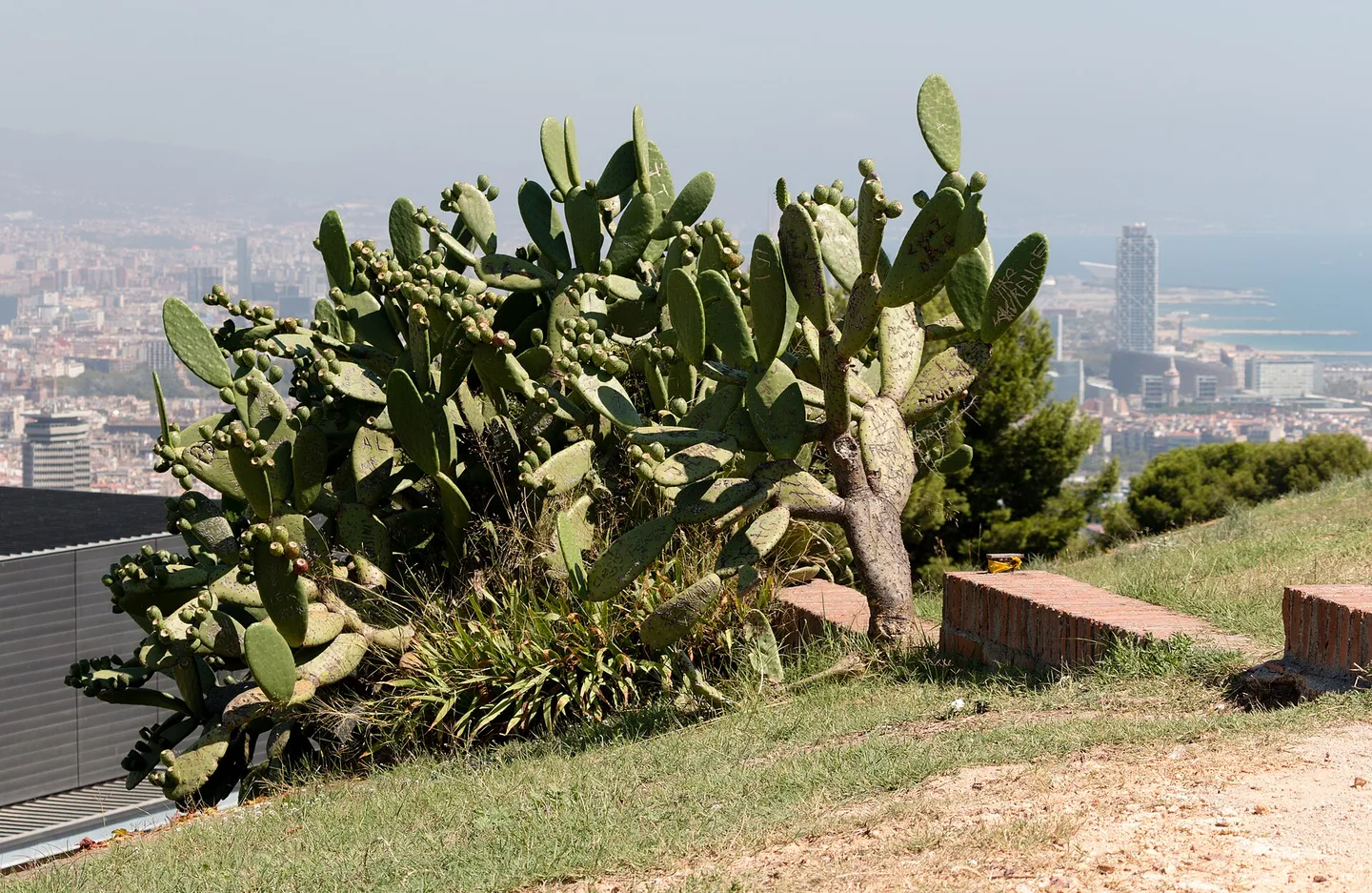
Strolling around the outer fortifications reveals dramatic views over the south face of the hill, lined with rugged coastal crags and hardy desert vegetation. Prickly pear cacti cling firmly to the weathered stone walls, creating a striking contrast against the sparkling maritime horizon. The castle courtyard and quiet perimeter pathways offer shaded benches, perfect for catching a cool sea breeze before you begin wandering downhill. Confirm fortress admission rules on the municipal castle site ahead of arrival.
Key Waypoints on the Montjuïc Downhill Walk
- Montjuïc Castle: Highest summit point featuring panoramic views across the cargo port and coastal shipping channels.
- Fundació Joan Miró: Modernist white pavilions designed by Josep Lluís Sert, housing bright surrealist paintings, tapestries, and sculptures.
- Olympic Ring: Wide public promenades connecting the historic stadium and distinctive telecommunications tower built for global sports competitions.
- Palau Nacional: Grand neoclassical palace housing the Catalan national art collection with stepped terraces overlooking the urban skyline.
- Plaça d'Espanya: Foot of the hill featuring twin Venetian towers, garden fountains, and direct metro connections back to the centre.
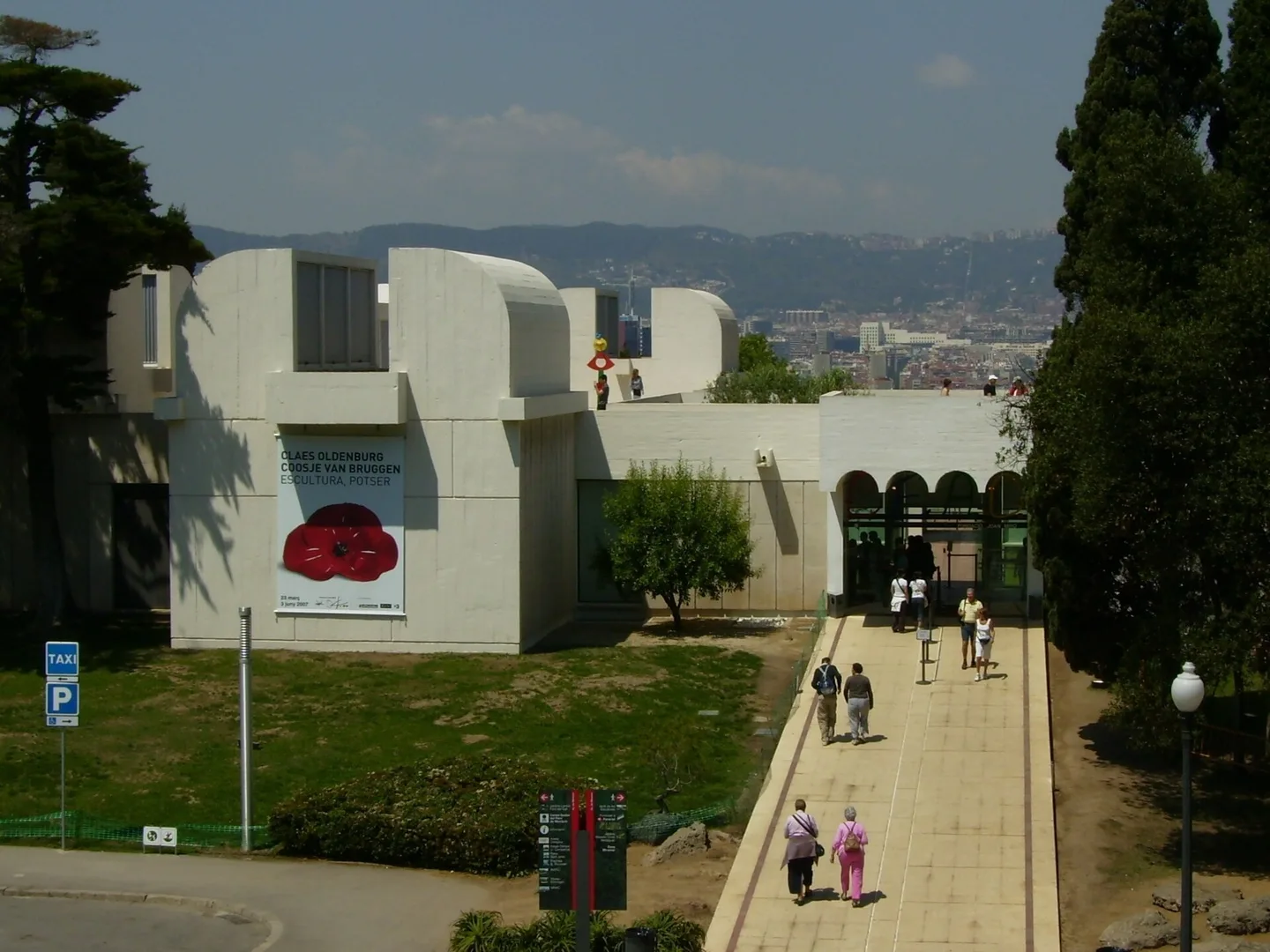
From the castle gates, follow the descending footpaths through scented pine groves toward the Fundació Joan Miró. Designed by Catalan architect Josep Lluís Sert, this luminous modernist building features bright white arches, courtyard trees, and sunlit exhibition halls. Inside, the galleries present a colourful collection of Miró's imaginative canvases, ceramic works, and monumental brass figures. Sculpture terraces on the upper roof garden offer quiet views framing both the art and the hills beyond. You can coordinate this stop with other major cultural sights highlighted in our curated list of Barcelona cultural landmarks and highlights.
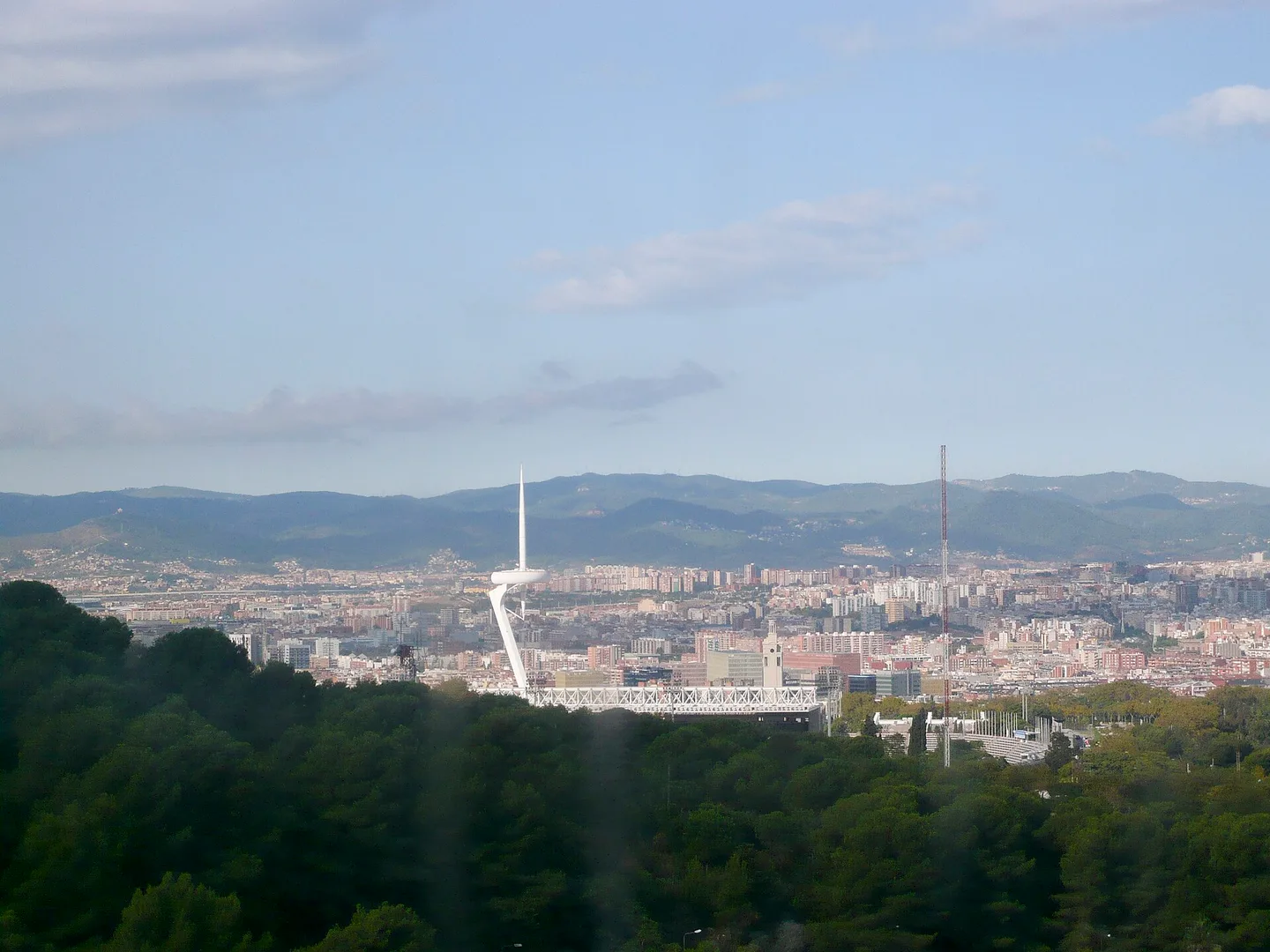
Continuing downhill past the museum grounds brings you to the wide avenues of the Olympic Ring. Here, the grand stadium sits beside the striking white silhouette of the telecommunications tower, framed by open paved esplanades. The calm atmosphere along these broad pedestrian plazas makes for relaxed walking away from heavy city traffic. Benches and leafy garden pockets provide welcome rest stops before you approach the palace esplanade.
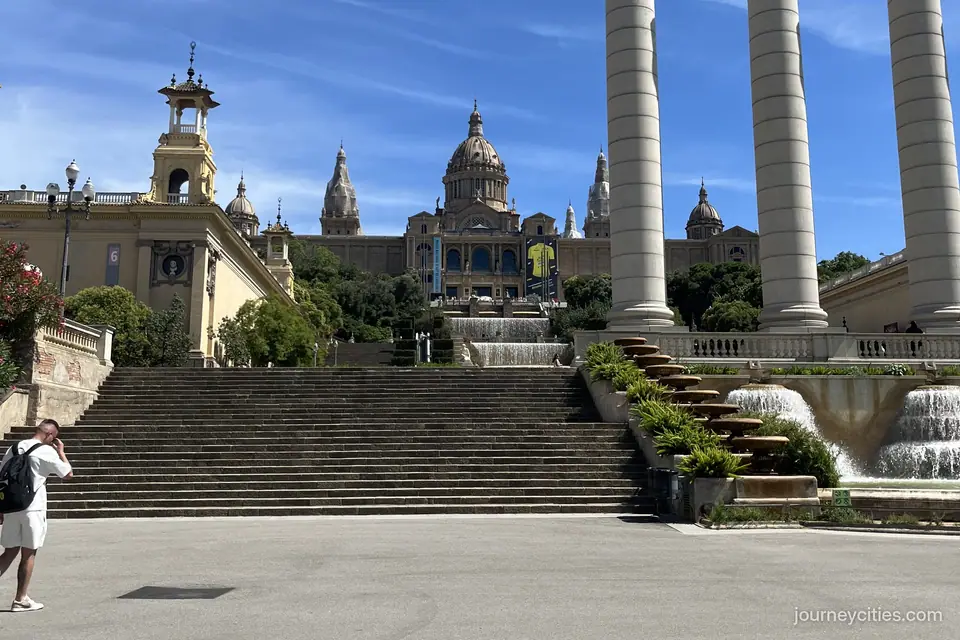
The route culminates at the Palau Nacional, home to the Museu Nacional d'Art de Catalunya, known widely as MNAC. The palace houses an exceptional collection of Catalan Romanesque church frescoes, Gothic paintings, and modern art treasures. Even if you choose to skip the interior galleries, the stone terrace behind the four classical columns offers one of the finest vantage points over Barcelona. Looking outward, the city spreads toward the hills, with the grid of the Eixample clearly visible below. Check current museum opening days and late weekend closures on the official MNAC portal before climbing.
From the front steps of the palace, long flights of outdoor escalators lead smoothly down past the cascades and the Magic Fountain. This descending route saves your knees entirely, guiding you directly to the roundabout of Plaça d'Espanya. At the bottom, twin Venetian towers frame the avenue, offering instant access to metro lines and city buses. If you are mapping out your days across Catalonia, weaving this half-day hill descent into a wider plan like our Barcelona three-day walking itinerary gives your trip balanced pacing.
Official prices and opening hours
- Museu Nacional d'Art de Catalunya (MNAC)Official site ↗
- Fundacio Joan MiroOfficial site ↗
- TMB T-casual (10-Trip Zone 1) and Single TicketsOfficial site ↗
Where it is
- 1Montjuïc
- Josep Tarradellas Barcelona-El Prat Airport (BCN) · about 10 km from here in a straight line
- Directions in Google Maps
Stations and taxi ranks: OpenStreetMap. Airports: OurAirports. Distances are in a straight line.
Traveller tips
Real advice from people who have been to Barcelona. Every tip is read by our team before it goes live.
No tips yet. Been here? Yours could be the first.
Thank you! Your tip will appear here after a quick review.
More in Barcelona
Continue exploring Barcelona with related neighbourhood, food, and planning guides
Gràcia Guide: Village Plazas, Casa Vicens and the August Festa
Barcelona, Spain
Getting Around Barcelona: Metro Lines, Transit Passes and Taxis
Barcelona, Spain
Barcelona on a Budget: Free Sights, Museum Windows and Smart Meals
Barcelona, Spain
Day Trips from Barcelona by Train: Montserrat, Girona, Sitges and Tarragona
Barcelona, Spain
