Photo: JourneyCities
La Rambla and La Boqueria Market Guide
The central promenade runs from Plaça de Catalunya to Port Vell past market counters and side alleys while avoiding classic street traps.
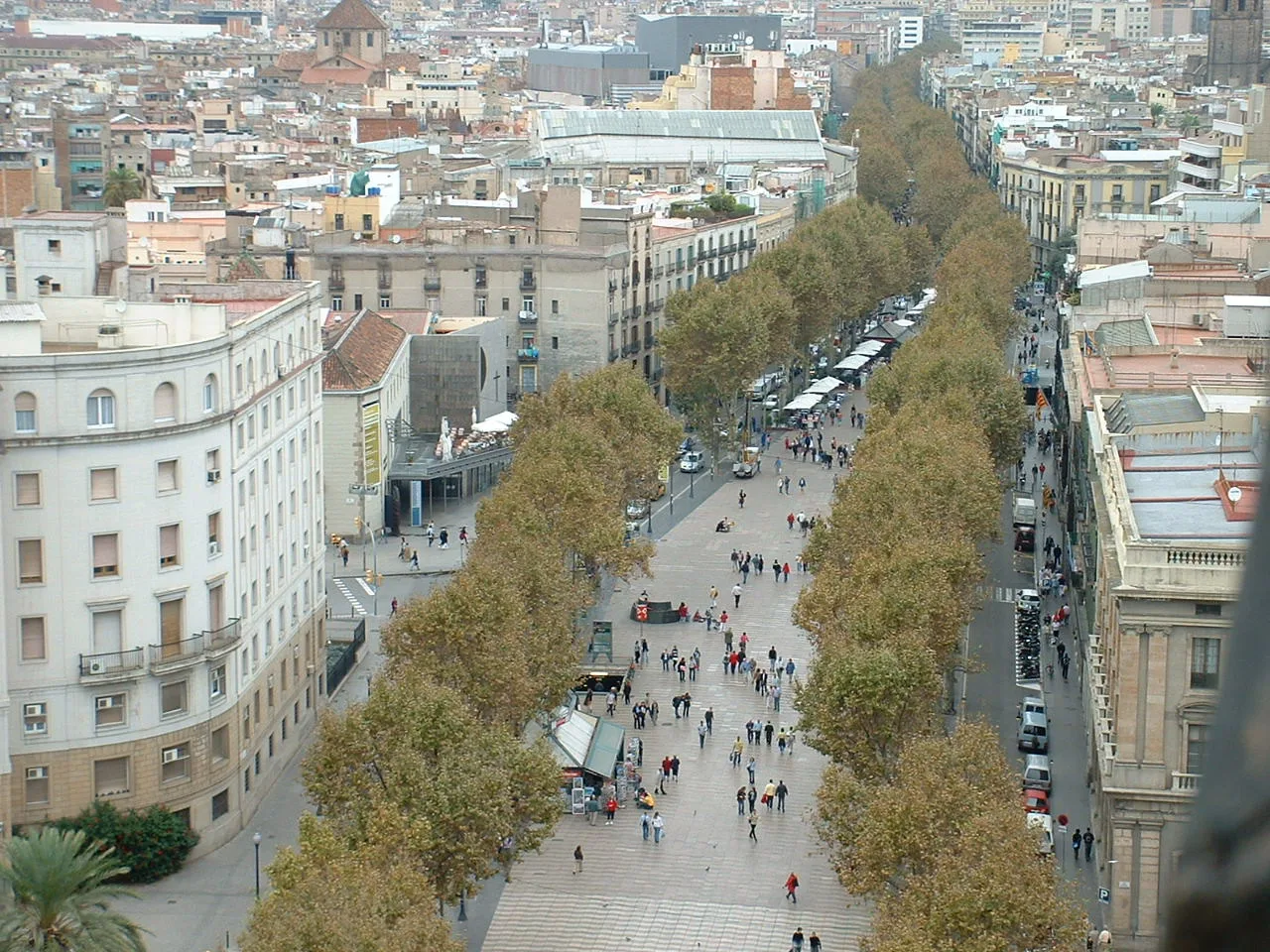
Walking down the famous central boulevard from Plaça de Catalunya reveals two centuries of urban life layered over former riverbeds and convent walls. We start at the top beside Font de Canaletes, where tradition holds that drinking the cool water guarantees your return to Catalonia. The central tree-shaded path gathers pedestrians between parallel roadway lanes, drawing crowds of sightseers and street performers through every daylight hour. Keeping valuables zipped inside cross-body bags is essential here, as the dense crowds create ideal conditions for opportunist theft.
As we continue south towards the Liceu metro stop, the street broadens alongside newsstands and historic flower stalls. The Gran Teatre del Liceu stands on the right, meticulously restored following a major fire with its ornate horseshoe auditorium intact. We advise avoiding the pavement terrace restaurants along this central promenade, where mass-produced frozen paella and overpriced sangria cater to unwary visitors. A quick turn into narrow medieval alleys connects directly to our Gothic Quarter guide, offering quiet stone corners away from the boulevard rush.
The central walkway functions as a series of distinct connected sections known locally as Las Ramblas. Each terrace along the avenue maintains a unique historic identity rooted in municipal growth. The uppermost section, Rambla de Canaletes, hosts informal political gatherings and sports celebrations around its cast-iron lamp. Walking downhill brings you across Rambla dels Estudis, named after a vanished sixteenth-century university hall. Next comes Rambla de les Flors, where independent florists continue trade established over a century ago.
Navigating Mercat de Sant Josep de la Boqueria
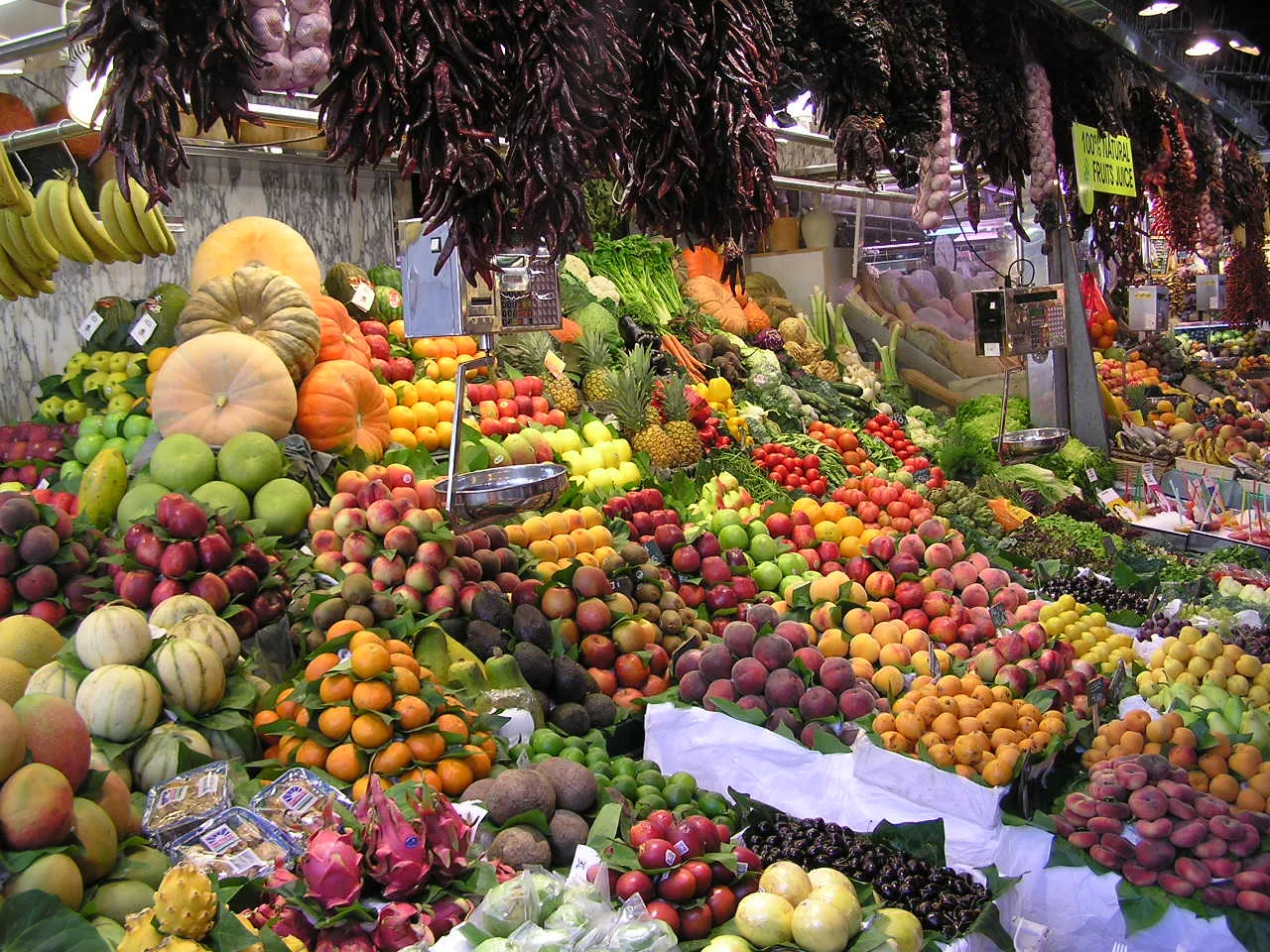
The iron gateway of Mercat de Sant Josep de la Boqueria opens directly off the right side of the boulevard. Morning visits reward early risers with orderly presentations of hanging Iberian hams, wild mushrooms, Mediterranean fish, and glistening pyramids of fruit. The front entrance stalls cater heavily to passing tourists with pre-cut fruit cups and sweetened smoothies. We advise walking past these crowded entry aisles directly toward the traditional stalls deeper inside the hall.
The central fish market displays octopus, red prawns, and monkfish resting on fresh shaved ice, served by multi-generational fishmongers. Tucked behind these wholesale aisles, small dining bars prepare regional shellfish directly on hot plancha grills for counter patrons. You can learn more about finding seasonal Catalan dishes across neighbourhood halls in our food and tapas guide. Keep backpacks in front while watching food displays, as pickpockets target travellers distracted by the colourful overhead signs and photography.
Traditional vendors inside the market pride themselves on regional provenance and seasonal sourcing. Salt-cod specialists present thick cuts alongside brined olives, capers, and sweet peppers. Butcher counters display cured sausages from Pyrenean farms alongside whole legs of dry-cured ham. Sampling these authentic regional flavours deep within the market arcade reveals genuine culinary heritage away from entry-gate tourist merchandise.
Pavement Mosaics, Gaudí Lanterns, and Side Detours
Re-entering the boulevard directly outside the market brings your feet across the circular pavement mosaic by modern artist Joan Miró. This colourful terrazzo installation sits embedded directly in the walkway stone, often walked over unnoticed by rushing commuter crowds. Looking down reveals the playful primary colours that define the Catalan artist celebrated public works across the city. The mosaic also marks the historic boundary between the upper theatre district and the lower maritime approach.
Just steps to the east, an arched stone portal leads visitors into Plaça Reial, a graceful neoclassical square lined with palm trees. Antoni Gaudí designed the elaborate six-armed street lanterns that illuminate the central fountain, showcasing his earliest municipal commissions in the city. Turning west down Carrer Nou de la Rambla leads to Palau Güell, an innovative townhouse built for an industrial patron. Dressing appropriately with comfortable footwear for uneven cobblestones and walking stretches is detailed in our what to wear advice.
Further along the lower avenue, historic side streets branch into the Raval neighbourhood. This lively western quarter contains independent art galleries, vintage shops, and cultural foundations. The contrast between grand boulevard facades and dense tenement architecture gives the area compelling energy. Taking deliberate detours into these shaded lanes adds rich cultural context to any central Barcelona stroll.
Boulevard Strategy and Lower Port Descent
The final southern stretch of the walkway descends gently towards Port Vell and the coastal waters. Tall maritime palm trees replace the dense plane trees as salty sea air drifts inland across the open boulevard. Souvenir stalls cluster thickly near the monument base, where the Columbus Column rises against the open harbour sky. Choosing which cultural landmarks to prioritise along this lively walk helps keep your itinerary focused and manageable.
- Canaletes Fountain: Historic drinking spout near Plaça de Catalunya celebrated by local football supporters.
- La Boqueria: Covered market hall featuring fresh seafood bars and produce stalls situated past the entrance.
- Liceu Opera House: Reconstructed nineteenth-century opera theatre hosting premier classical music and stage productions.
- Plaça Reial: Porticoed neoclassical square featuring palm trees and early lamp posts designed by Antoni Gaudí.
- Palau Güell: Distinctive early residential mansion designed by Antoni Gaudí located just off the main avenue.
Planning your city transit connections to the harbour terminal or central metro interchanges is covered in our Barcelona city destination overview. Exiting the boulevard towards the wooden walkways of the marina offers a pleasant respite from street crowds. Checking market access rules and regional transit cards beforehand keeps your morning promenade calm and orderly.
Official prices and opening hours
- Mercat de Sant Josep de la BoqueriaOfficial site ↗
- TMB T-casual (10-Trip Zone 1) and Single TicketsOfficial site ↗
Where it is
- 1La Rambla and La Boqueria Market
- Josep Tarradellas Barcelona-El Prat Airport (BCN) · about 12 km from here in a straight line
- Directions in Google Maps
Stations and taxi ranks: OpenStreetMap. Airports: OurAirports. Distances are in a straight line.
Traveller tips
Real advice from people who have been to Barcelona. Every tip is read by our team before it goes live.
No tips yet. Been here? Yours could be the first.
Thank you! Your tip will appear here after a quick review.
More in Barcelona
Continue exploring Barcelona with related neighbourhood, food, and planning guides
Park Güell Guide: Monumental Zone Tickets, Serpentine Views, and Hill Approaches
Barcelona, Spain
Gothic Quarter Walking Guide: Roman Walls, Barcelona Cathedral and Medieval Squares
Barcelona, Spain
Where to Stay in Barcelona: Distinct Quarters and Local Bases
Barcelona, Spain
Barcelona in Three Days: Historic Quarters, Modernisme and Panoramic Ridges
Barcelona, Spain
