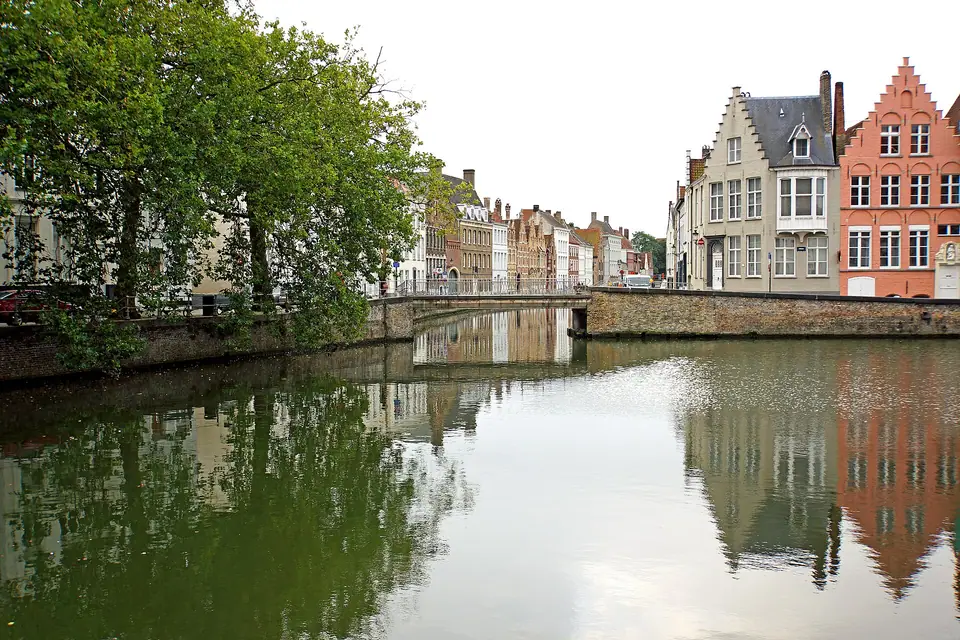
Photo: Dennis G. Jarvis · CC BY-SA 4.0
Bruges: Canal Layout, Passes & Sightseeing Tips
Master Bruges's historic canal layout, compare the 72-hour Musea Brugge Card, and learn how to beat the daytime visitor rush.
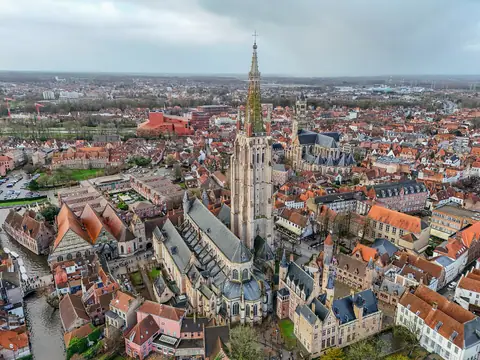
Shaped like a compact medieval egg, the UNESCO-listed historic centre of Bruges (Brugge) is surrounded entirely by a green moat ring (the Vesting) planted with chestnut trees and crowned by four surviving wooden windmills. Within this water boundary, a network of inner waterways known locally as the Reien (named. The canalised medieval River Reie) winds beneath historic brick and stone bridges. Pair this orientation guide with our Markt and Burg Square guide and our Bruges 3-day itinerary.
| Neighbourhood / Zone | Location Inside the Ring | Core Sights & Character | Crowd Level & Best Time |
|---|---|---|---|
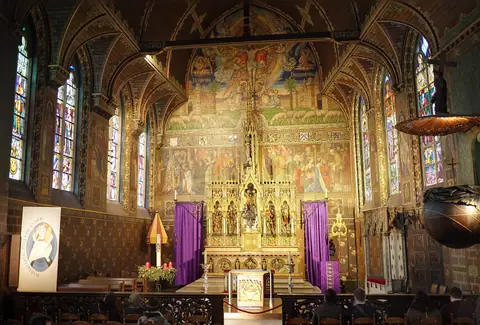
| Markt, Burg & Dijver (The Golden Triangle). | Dead centre to southern canal bend. | Belfort, Gothic Town Hall, Basilica of the Holy Blood, Rozenhoedkaai, and Groeningemuseum. | Busy during peak daytime hours. Visit early morning or late afternoon. |
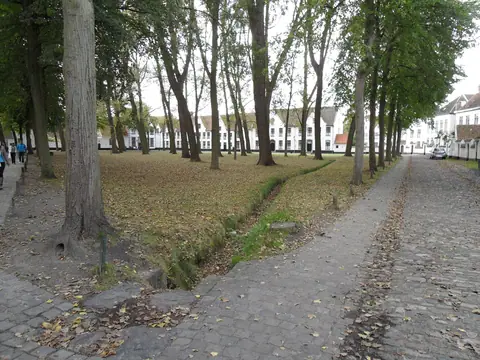
| Minnewater & Begijnhof (Southern Gateway). | Between Brugge Station and Church of Our Lady. | Lake of Love (Minnewater), historic Beguinage, De Halve Maan Brewery, and St John's Hospital. | Busy on main path. Tranquil inside the Beguinage lawn early in the morning. |
| Sint-Anna & Kruisvest (Northeast Quarter). | East of Spiegelrei to the outer ramparts. | Jeruzalemkerk, Kantcentrum (Lace Centre), Sint-Janshuismolen windmill, and quiet almshouses. | Low all day. Best area for quiet afternoon walks. |
| Sint-Gillis & Spiegelrei (Hanseatic North). | North of Jan van Eyckplein along Golden Hand Canal. | Old Burgers' Lodge, medieval merchant warehouses, and quiet canal bridges. | Low all day. Ideal for sunset photography and local bistros. |
How to beat the daytime visitor rush
Bruges welcomes millions of visitors each year, and many are day-trippers arriving on coaches from Brussels, Paris, and cruise terminals. Almost every tour group follows the southern corridor through the city centre during peak daytime hours. Coaches drop passengers near Minnewater to walk past the Begijnhof up Katelijnestraat, cross Bonifacius Bridge, board a canal boat, and finish at Markt Square.
To experience Bruges at its best, invert that clock. Walk the Golden Triangle, Rozenhoedkaai, Bonifacius Bridge, the Begijnhof courtyard, and Burg Square early in the morning before major tour groups arrive. During the middle of the day, step inside the galleries of the Groeningemuseum. Cross northeast of Burg Square into the quiet residential cobbles of the Sint-Anna Quarter. Here you can explore the Sint-Janshuismolen and outer ramparts with fewer crowds. Later in the evening, when excursion buses depart, the central canals empty out and floodlights illuminate the historic brick gables.
Musea Brugge Card overview
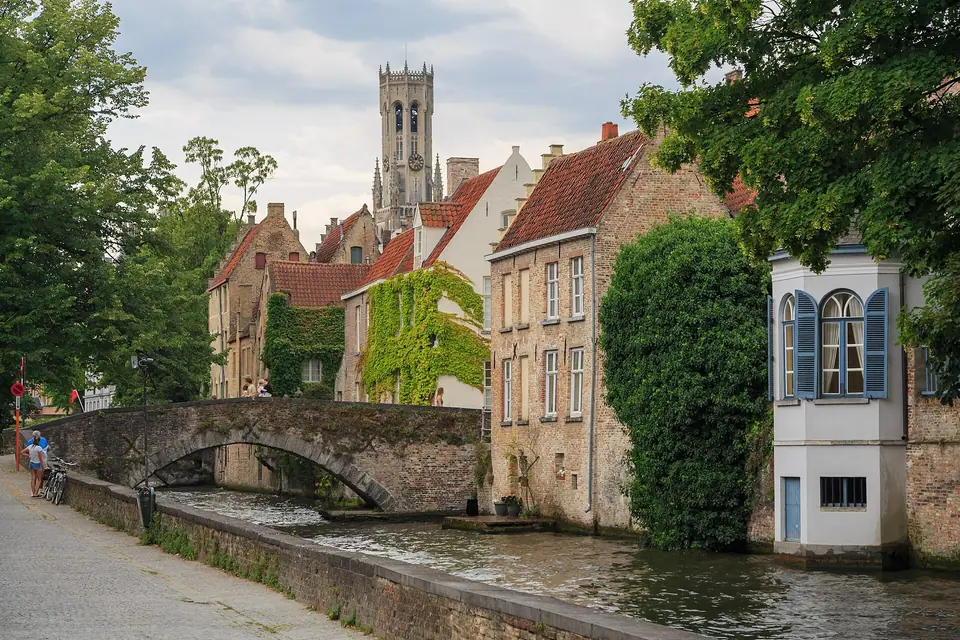
Municipal museums and historic monuments in Bruges are operated by Musea Brugge across 13 monumental locations. Individual admission tickets vary by site, covering landmarks such as the Belfort, the Groeningemuseum, the Sint-Janshospitaal, the Gruuthusemuseum, and the Stadhuis (Gothic Town Hall on Burg Square). A ticket purchased for the Stadhuis also grants free admission to the Brugse Vrije, and the Gruuthusemuseum sits adjacent to the Museum of the Church of Our Lady.
The official Musea Brugge Card is valid for 72 hours and provides free admission to all open locations managed by Musea Brugge, an online card only activates upon the start of your first museum visit and can be activated up to one year after purchase. The pass offers substantial value if you plan to visit multiple municipal heritage properties across three days. Note that the pass covers Musea Brugge sites rather than private commercial attractions, and you should check the official site for current admission details and advance booking options.
Language, currency, tipping, and cycling rules
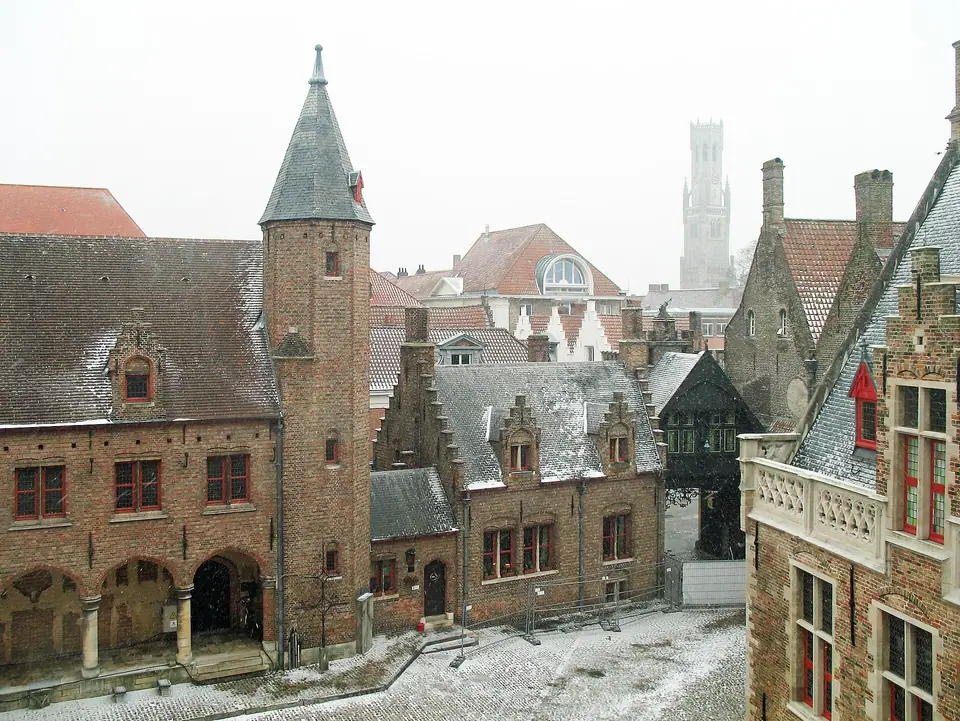
- Dutch (Flemish) is the official language: Bruges is in Flanders. Local street signs and train boards read Brugge (pronounced roughly BRU-kheh) rather than the French Bruges. Nearly everyone working in hotels, museums, and restaurants speaks fluent English together with Dutch and French, and greeting shopkeepers with "Goeiedag" (Good day) or "Dank u wel" (Thank you) is warmly appreciated.
- Card-first payments with a few cash exceptions. Belgium runs overwhelmingly on electronic and contactless card payments for daily purchases. However, carrying some euro coins and small notes remains practical for public restrooms and minor cash transactions. A couple of traditional brown pubs also prefer cash for small bar tabs.
- Tipping etiquette in Flanders. Belgian law mandates that service charges and taxes are included in printed menu prices. You do not need to add a mandatory tip. In casual cafés and brasseries, rounding up the bill slightly for friendly table service is customary.
- Watch for cyclists and horse-drawn carriages on shared cobbles: Many narrow streets inside the Bruges ring are one-way motor lanes where local cyclists are legally permitted to ride in both directions (marked Uitgezonderd fietsers). Always look both ways before stepping off the narrow pavement to frame a photograph, and listen for the hooves of the licensed horse-drawn carriages (koetsen) trotting between Markt Square and the Begijnhof.
Traveller tips
- Check museum schedules in advance. Weekly opening schedules can vary between municipal venues, so check the official site before setting out. The Belfort on Markt Square remains a central landmark across the week.
- Leave heavy luggage at station lockers if visiting for the day. Rolling heavy suitcases over historic cobblestones can be awkward and slow. Automatic luggage lockers inside Brugge Railway Station allow travellers to store bags safely before exploring the historic centre on foot.
- Avoid driving inside the historic ring. Curbside parking inside the medieval centre is strictly limited and monitored. If driving, use designated off-street garages such as the underground facilities near ’t Zand or the railway station.
- Use free public drinking water fountains. Refillable water taps stand near major pedestrian routes. Helping you stay hydrated during long walking tours across the historic core.
When planning your museum visits across Bruges, you can visit the tourist information office. At Historium on Markt 1 or the office at the railway station on Stationsplein 5. Digital tickets and passes can also be arranged through official online channels before your arrival.
Public restrooms are situated near key pedestrian hubs including the Belfort courtyard on Markt Square and major transport arrival points. Carrying small coins ensures smooth access wherever coin-operated facilities remain in service.
To explore the outer ramparts and windmills along the Kruisvest, renting a bicycle provides a comfortable alternative to walking. Dedicated paths circle the green canal ring under the shade of mature trees.
Every neighbourhood inside the medieval canal ring sits within an easy walk of Markt Square and Burg Square. Cyclists share these quiet streets, so remember to check both directions before stepping onto the roadway.
Municipal heritage properties manage capacity carefully. Meanwhile, venues like the Sint-Janshuismolen mill can accommodate a maximum of 25 students per half hour due to safety limits. Booking ahead or arriving early ensures a relaxed visit.
Coastal weather from the nearby North Sea can bring sudden showers across West Flanders. Keeping a compact windproof layer in your daypack ensures you stay comfortable on canal walks and open squares.
Architectural conservation rules protect the historic gables and brickwork across the entire centre, which is listed as a UNESCO World Heritage site. Look above modern shopfronts to spot carved stone ornaments and historic facades dating back centuries.
Early morning and evening hours transform the cobbled lanes and canal quays into a quiet architectural sanctuary. Once day-tripper coaches depart in the late afternoon, reflections of stepped brick gables shimmer undisturbed across the water. Strolling northward into the residential parish quarters of Sint-Anna and Gillis reveals quiet squares, lace workshops, and historic almshouses.
Where it is
- 1Bruges
- Brussels Airport (BRU) · about 94 km from Bruges in a straight line
- Directions in Google Maps
Stations and taxi ranks: OpenStreetMap. Airports: OurAirports. Distances are in a straight line.
Traveller tips
Real advice from people who have been to Bruges. Every tip is read by our team before it goes live.
No tips yet. Been here? Yours could be the first.
Thank you! Your tip will appear here after a quick review.
More in Bruges
Continue exploring Bruges with related neighbourhood, food, and planning guides
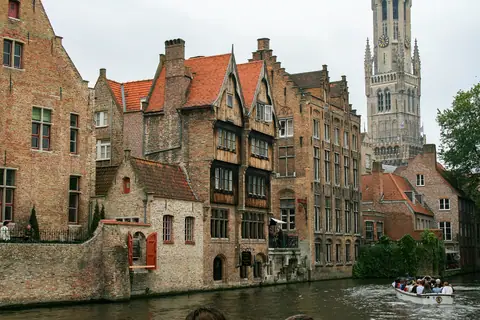
Bruges Canal Boat Tours, Rozenhoedkaai & Secret Bridges Walk
Bruges, Belgium
Flemish Primitives in Bruges: Groeningemuseum, Memling & Michelangelo
Bruges, Belgium
Basilica of the Holy Blood, Veneration Schedule & Jeruzalemkerk Guide
Bruges, Belgium
Begijnhof Beguinage, Minnewater Lake & Hidden Godshuizen Walk
Bruges, Belgium
