Three Days in Córdoba: Jesuit Heritage, Bohemian Güemes and Mountain Air
We map three balanced days through central Córdoba, connecting colonial courtyards, artisan evening markets, university heritage, and nearby mountain foothills.
Day One: Colonial Foundations and the UNESCO Jesuit Block
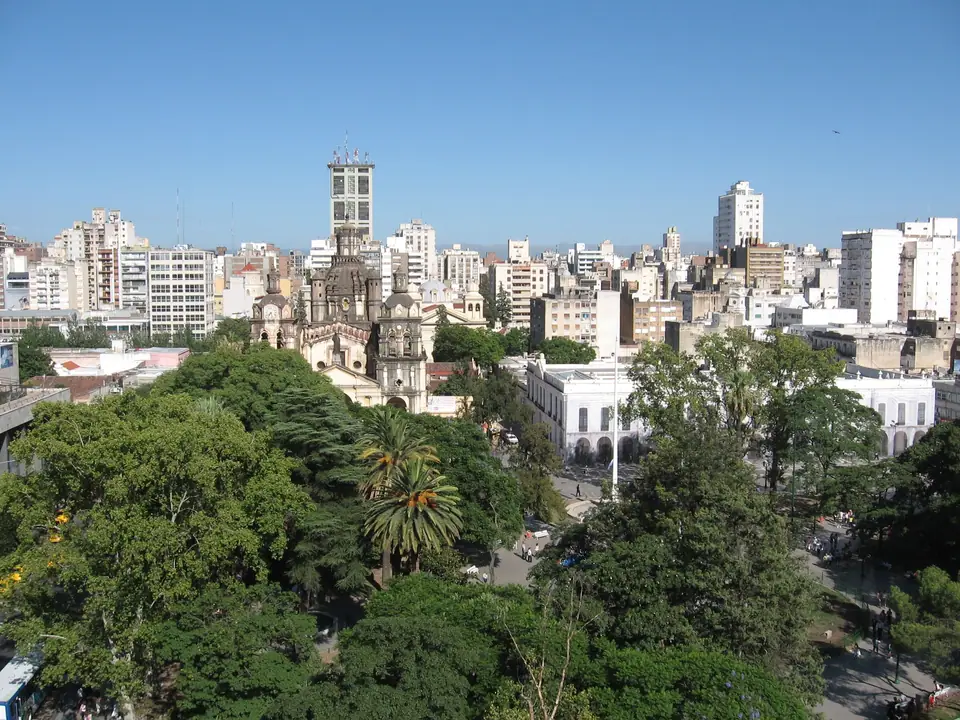
We begin our journey in the historic core of Córdoba, where stone churches, leafy plazas, and cloistered educational halls shape the oldest municipal street plan in central Argentina. Starting at Plaza San Martín, we observe the sturdy towers of the main cathedral before walking south along pedestrianised flags toward the Manzana Jesuítica. This monumental complex preserves centuries of scholarly devotion, housing centuries of theological study within quiet courtyards that insulate visitors from urban traffic. We admire the thick masonry, wooden ceilings, and interior archives that earned the entire compound global recognition from UNESCO.
As midday approaches, we stroll along neighbouring side alleys to explore small colonial chapels, quiet bookshops, and traditional midday dining rooms serving regional roast beef and hand-folded pastries. Moving through these shaded flagstone corridors helps us understand how religious orders shaped early colonial life across the interior provinces. Entry rules for the Manzana Jesuítica and Museo Histórico UNC sit outside the main narrative. Exact opening schedules and admission fees are listed in the practical details box.
During the late afternoon, we continue east toward adjacent civic spaces, watching local students gather beneath jacaranda canopies as university lectures conclude. We combine quiet architectural observation with gentle urban wandering, linking municipal history to modern student activity along peaceful pedestrian lanes. Checking airport shuttles and intercity bus terminals ahead of time keeps hotel transfers running smoothly on arrival.
Day Two: Arts, Modernist Spaces, and Bohemian Güemes
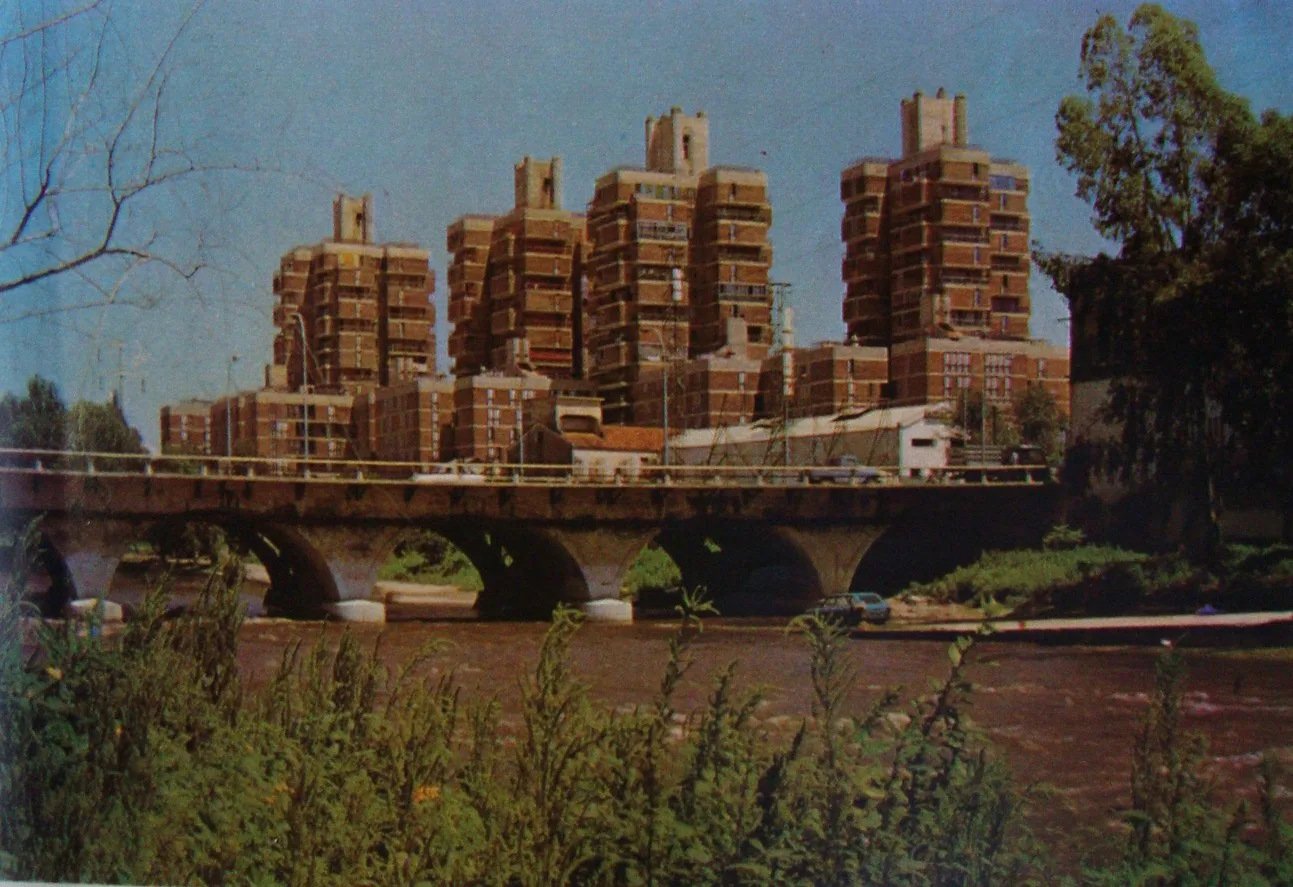
Our second morning shifts focus from colonial stones to cultural institutions and mid-century architecture across the southern quarters of the city. We wander past public housing landmarks and civic structures designed by prominent architects, observing how concrete geometry blends with traditional residential blocks. The surrounding districts feature creative workshop spaces, independent printing presses, and small community galleries displaying contemporary Argentine paintings. Taking time to appreciate these transitional zones reveals a forward-looking provincial metropolis that thrives beyond its famous religious heritage.
By mid-afternoon, our route guides us straight into Güemes, the primary bohemian neighbourhood celebrated for antique fairs, craft vendors, and leafy courtyard cafes. We walk through the restored shopping arcades of the Paseo de las Artes, admiring leatherwork, ceramic pottery, and hand-pressed herbal infusions. Sidewalk tables begin filling as dusk settles over the district, creating an inviting space to sample craft beer, regional wines, and warm empanadas alongside resident artists. We suggest weaving across multiple residential avenues to discover tucked-away courtyards and open-air rooftop terraces.
Güemes remains particularly pleasant for leisurely evening walks, as street musicians, lantern-lit dining patios, and design boutiques keep the pavements lively into the night. We pace our walking carefully, pausing at quiet corners to absorb the neighbourhood character. Pair evening patios with daytime Jesuit courtyards and downtown art museums across every season.
Day Three: Foothills, Scenic Valleys, and Open Horizons
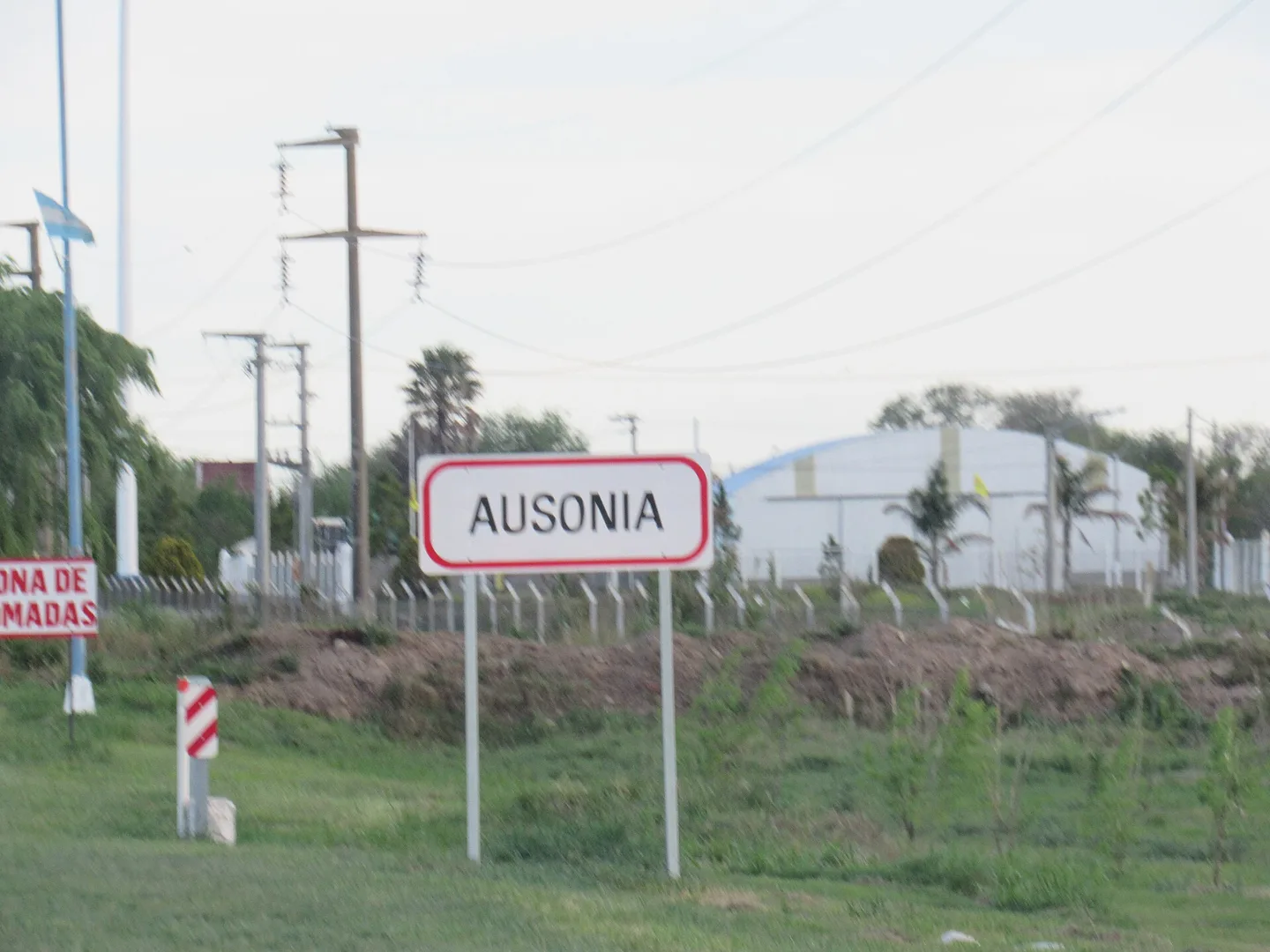
On our third day, we leave the urban grid behind to encounter the vast rural horizons, winding country routes, and elevated pastures of the surrounding province. Leaving the outer ring roads, provincial motorways lead through agricultural settlements such as Ausonia, where open farmland stretches across wide plains under expansive southern skies. These rural journeys highlight the agricultural backbone that has sustained provincial towns through generations of cattle farming, grain harvesting, and quiet community life.
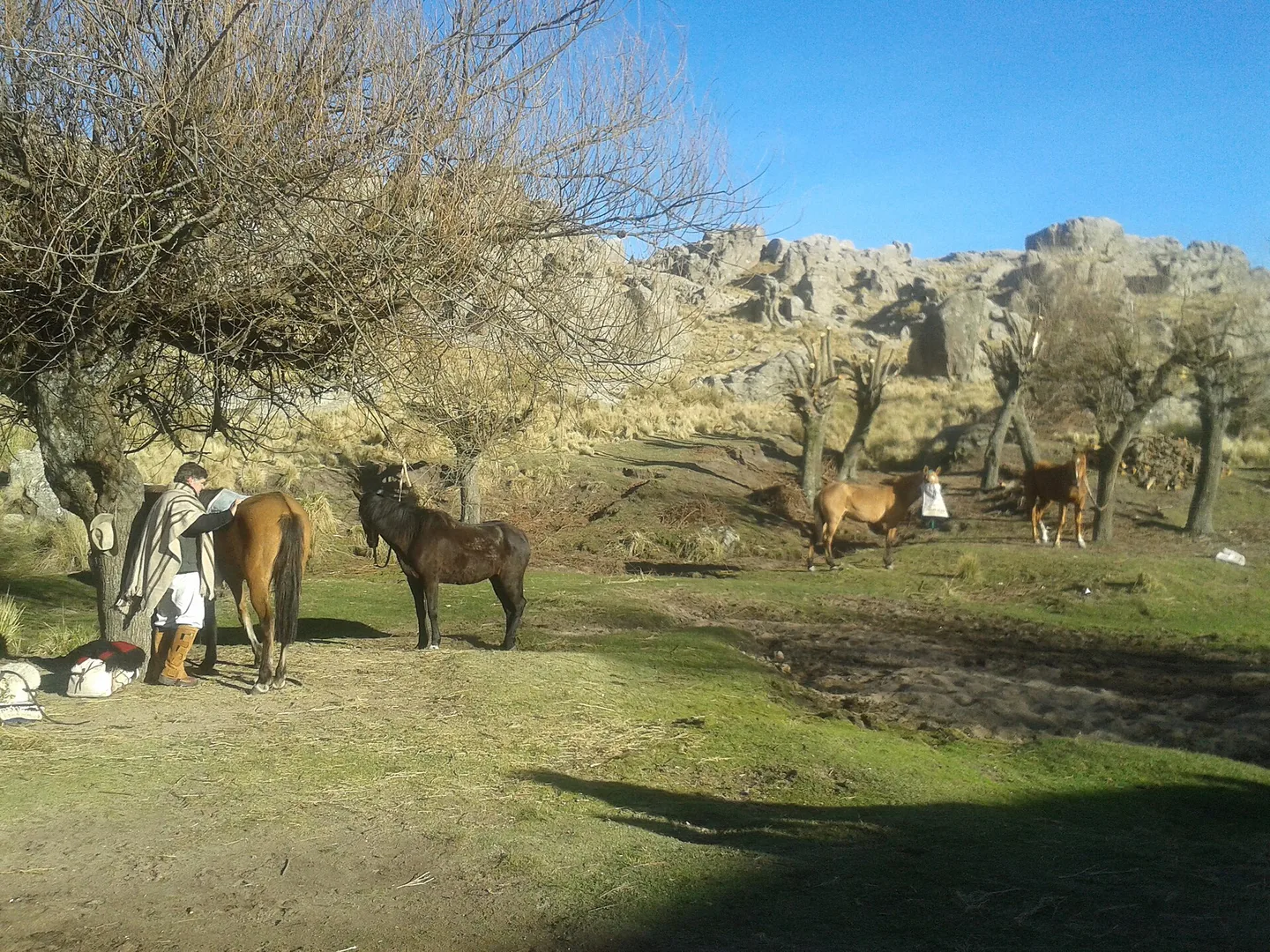
Continuing toward higher ground brings us into the foothills and rolling ridges that frame the western horizon of the province. In wilder reaches like the high granite plateau of Pampa de Achala, rugged terrain replaces urban avenues with windswept grasslands, clear mountain streams, and grazing horses. Here, local horsemen saddle their mounts along quiet bridle paths, maintaining traditional equestrian crafts against dramatic rocky backdrops. Taking deep breaths of crisp highland air offers a welcome counterbalance to our previous days spent among colonial masonry and busy creative corridors.
We spend the afternoon exploring winding rural tracks, stopping at roadside lookouts that gaze down across sunlit valleys and forested gullies. As daylight softens, we return toward the provincial capital, enjoying the dramatic transition from rural serenity back to lively central avenues. Seasonal rainfall and highland temperature shifts alter mountain road conditions, so matching dates with clear autumn and spring months clarifies road weather before heading toward remote ridgelines.
Three-Day Route Coordination and Neighbourhood Logistics
Structuring three distinct days across central Córdoba requires thoughtful pacing between walkable urban pavement and rural provincial travel. The table below outlines how we distribute our exploration across districts, atmospheric highlights, and transit connections:
| Itinerary Stage | Primary Focus | Atmospheric Highlight | Transit Approach |
|---|---|---|---|
| Day One | Colonial Centre & Jesuit Block | Quiet stone courtyards and cathedral squares | Pedestrian walking along historic flagstones |
| Day Two | Modernist Arts & Güemes | Craft markets, bohemian cafes, and artisan shops | Short urban strolls and local municipal buses |
| Day Three | Provincial Plains & Mountain Horizons | Rural ranchlands and sweeping highland plateaus | Regional rural coaches or private car hire |
We recommend choosing central lodging within walking range of Plaza San Martín or upper Nueva Córdoba to minimise daily travel time. From either location, you can reach historic monuments, leafy boulevards, and evening dining corridors on foot without relying on complex connections. Reading our local neighbourhood and transit handbook gives clear city context before departure.
Navigating this provincial capital proves straightforward once you establish familiar reference points around Plaza San Martín and the Jesuit Block. Urban blocks follow a predictable grid, allowing visitors to walk between major cultural venues and quiet public gardens at an unhurried pace. The contrast between historic stone cloisters, lively student districts, and remote highland pastures gives Córdoba its distinctive provincial identity.
- Pack sturdy walking shoes with resilient soles to handle uneven historic flagstones and loose mountain gravel comfortably.
- Carry a refillable water bottle and sun protection, especially when heading out onto high exposed plateaus.
- Allow ample flexibility during late afternoons to enjoy local cafe culture at a relaxed provincial tempo.
By blending colonial architecture, neighbourhood arts, and rural mountain landscapes, this balanced three-day itinerary captures the character of central Argentina. Each district presents a unique rhythm, encouraging thoughtful travel across cultural landmarks and panoramic natural scenery.
Official prices and opening hours
- Manzana Jesuítica & Museo Histórico UNC (UNESCO)Official site ↗
Where it is
- 1Córdoba
- Ingeniero Aeronáutico Ambrosio L.V. Taravella International Airport (COR) · about 12 km from Córdoba in a straight line
- Directions in Google Maps
Stations and taxi ranks: OpenStreetMap. Airports: OurAirports. Distances are in a straight line.
Traveller tips
Real advice from people who have been to Córdoba. Every tip is read by our team before it goes live.
No tips yet. Been here? Yours could be the first.
Thank you! Your tip will appear here after a quick review.
More in Córdoba
Continue exploring Córdoba with related neighbourhood, food, and planning guides
Córdoba Field Guide: Jesuit Heritage, Street Grids and Mountain Excursions
Córdoba, Argentina
12 Best Things to Do in Córdoba: Jesuit Heritage, Fine Arts and Sierras
Córdoba, Argentina
Arriving in Córdoba: Airport Connections, Long-Distance Coaches and Local Transit
Córdoba, Argentina
Córdoba Seasonal Guide: Climate Cycles, Urban Rhythm, and Mountain Excursions
Córdoba, Argentina
