12 Best Things to Do in Córdoba: Jesuit Heritage, Fine Arts and Sierras
Central plazas, collegiate courtyards, and creative neighbourhoods shape Argentina's second city across easy pedestrian routes.
Argentina's second metropolis balances a deep collegiate legacy with creative youth, shaped by centuries of scholarship and civic reform. We begin every survey of the city at its historic heart. Here Spanish foundations sit directly against monumental educational institutions. The streets surrounding Plaza San Martín form a compact grid of paved lanes, stone porticoes, and grand church portals. These stone passages remain exceptionally walkable throughout the day. Broad regional insights appear in our Córdoba travel guide for planning walks across the central districts.
Walking the UNESCO Jesuit Block and Historic Core
The Manzana Jesuítica stands as the defining monument of early colonial learning in the Southern Cone. Established by the Society of Jesus, this protected precinct preserves ancient university halls and private chapels. It also holds the quiet stone cloister of the Colegio Nacional de Monserrat. Timber ceilings carved by indigenous artisans span the domestic chambers. Meanwhile, the thick masonry walls isolate visitors from outdoor traffic noise. Visitors should check official onsite museum desks for verified admission guidelines.
Steps away, the central cathedral faces Plaza San Martín with its substantial neoclassical façade and richly gilded naves. The building incorporates native stone and decorative baroque flourishes. These artistic elements reflect generations of continuous structural expansion. Behind the church, the colonial Cabildo houses municipal exhibition halls. These galleries display regional historical artifacts and rotating contemporary installations. The surrounding pedestrian flagstones link directly to quiet convent courtyards. Here shady arcades provide welcome shelter during warm afternoons.
Cultural Corridors and Fine Art in Nueva Córdoba
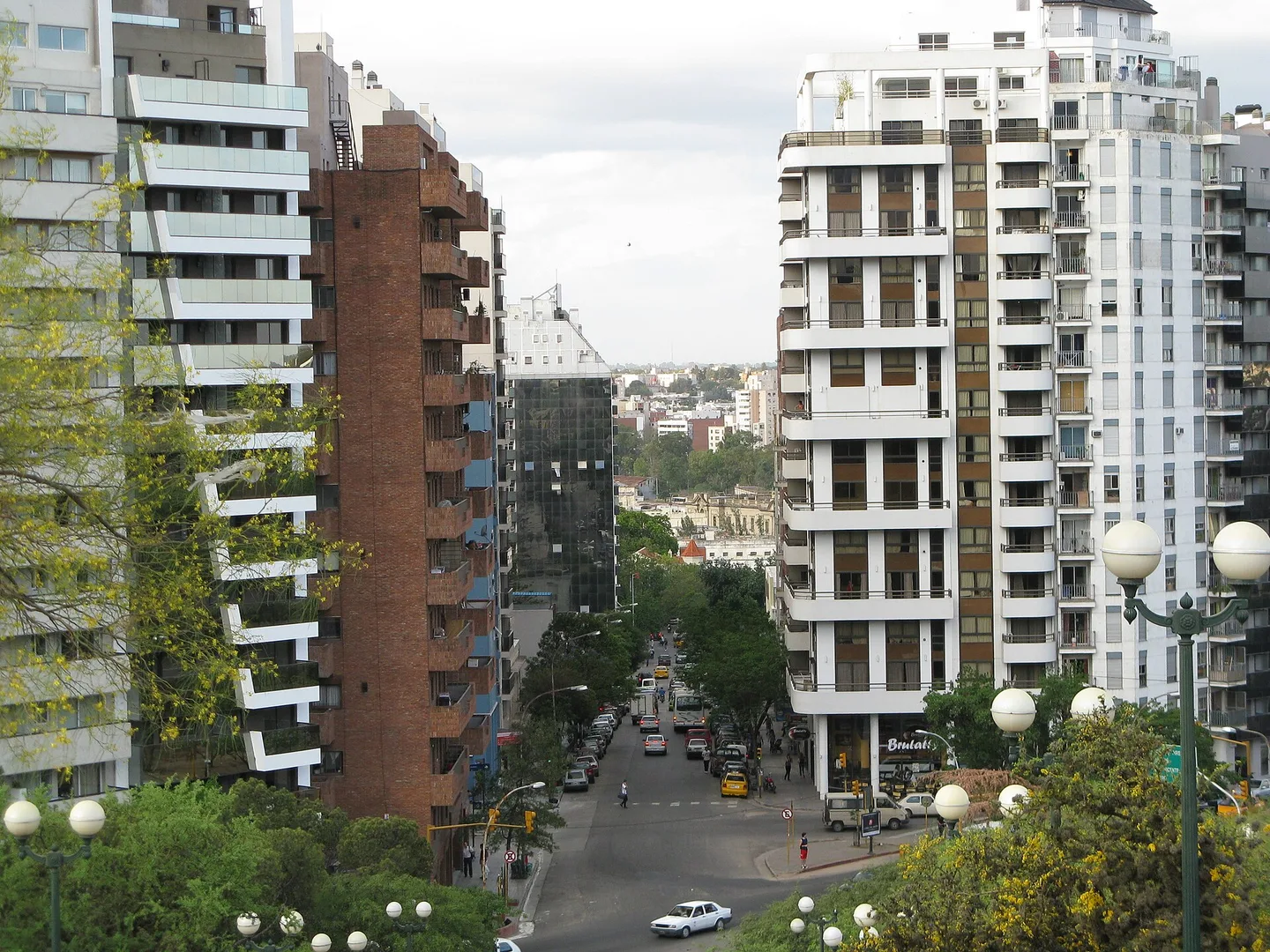
Heading south from the colonial core leads directly into the broad, tree-lined boulevards of Nueva Córdoba. This energetic neighbourhood centres on student life, outdoor cafés, and classic early twentieth-century townhouses. Contemporary apartment towers stand gracefully beside these older residences. Leafy avenues funnel pedestrian movement toward grand urban roundabouts and public gardens. Urban planners established these green circles during Argentina's agricultural export boom. Visitors seeking lodging near these promenades can review neighbourhoods and hotels in Córdoba for convenient access.
The cultural axis here culminates along Avenida Hipólito Yrigoyen. Former aristocratic mansions along this avenue now house premier provincial art galleries. The Palacio Ferreyra displays classic regional and national canvases inside an opulent French-style residence. Manicured private parkland surrounds the grand structure. A short stroll down the avenue brings you to the Museo Emilio Caraffa. The museum presents rotating modern exhibitions behind an expansive stone portico. These institutions create a dense cluster of visual arts. This layout allows travellers to study diverse artistic movements on foot.
Architectural Highlights and Sacred Art Across the Districts
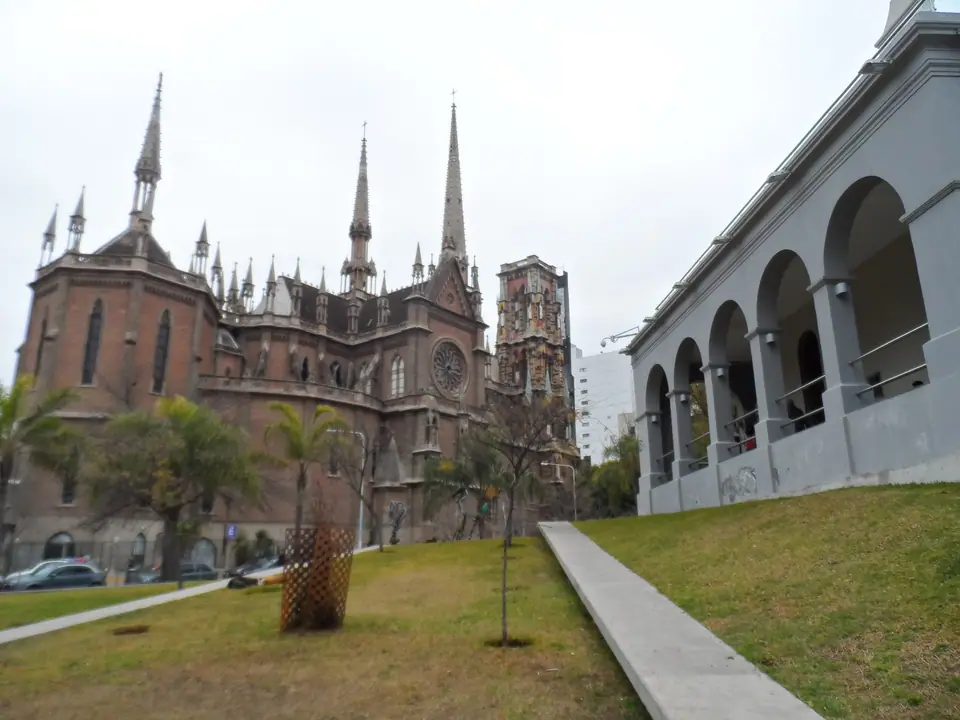
Architectural variety remains one of the city's finest qualities. The urban fabric moves effortlessly from raw colonial limestone to flamboyant European revivals. The neo-Gothic Church of the Sacred Heart, locally known as Los Capuchinos, commands immediate attention. It features multicoloured brickwork, an openwork spire, and detailed stone figures. Inside, the vaulted ceiling depicts starry constellations. This visual effect creates an atmospheric sanctuary amidst the university avenues. The table below outlines how central highlights compare across location and primary appeal.
| Monuments and Districts | Dominant Style | Primary Focus | Urban Location |
|---|---|---|---|
| Manzana Jesuítica | Colonial Baroque | Scholastic history and library | Historic Core |
| Plaza San Martín Cathedral | Neoclassical and Baroque | Civic heritage and religious art | Central Grid |
| Palacio Ferreyra | Beaux-Arts Mansion | Provincial fine art collection | Nueva Córdoba |
| Iglesia Los Capuchinos | Neo-Gothic Revival | Polychrome masonry and towers | Nueva Córdoba |
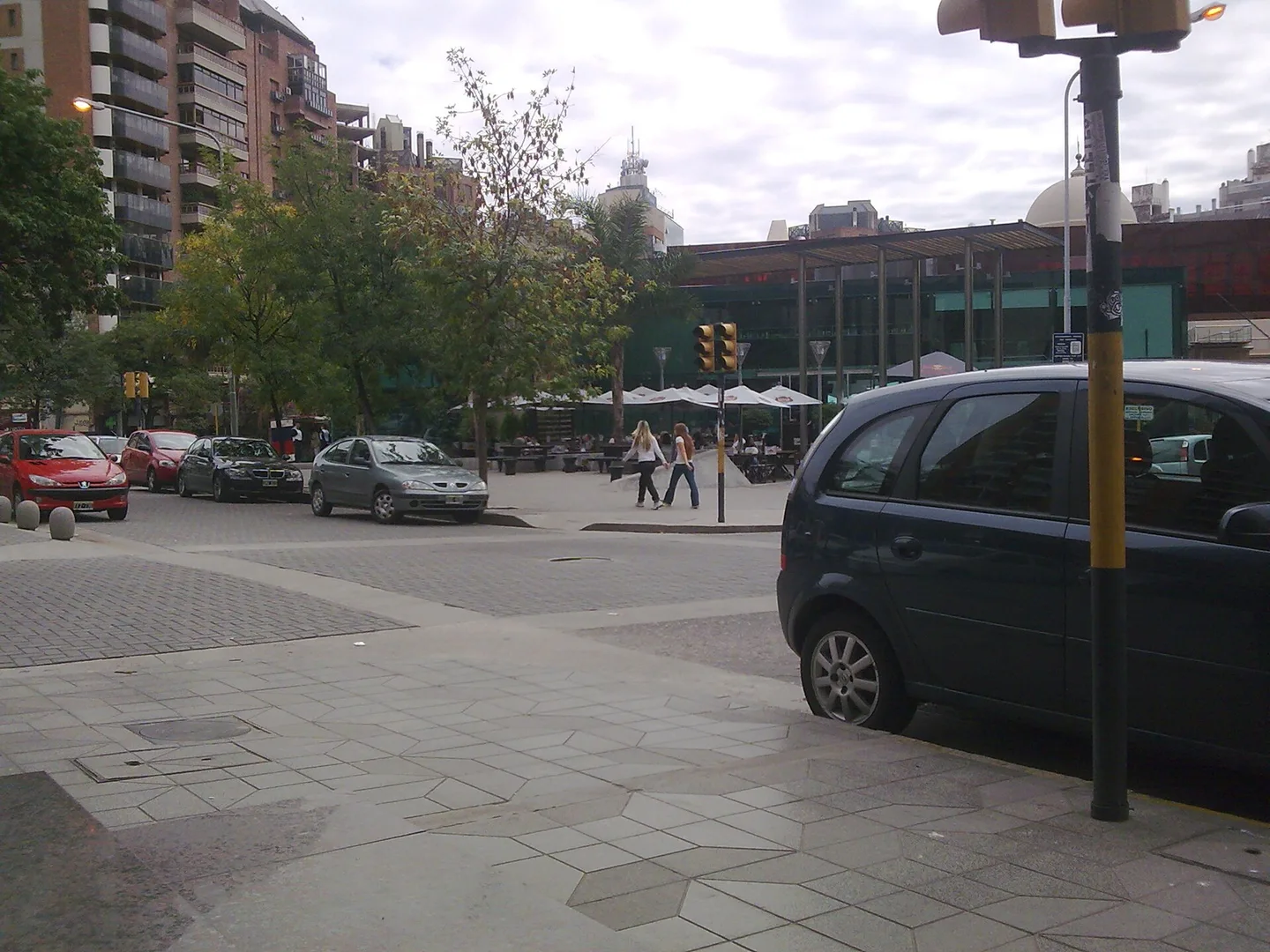
To experience local street life alongside historic architecture, walk a few blocks west into the historic neighbourhood of Güemes. Low-rise brick warehouses and former workers' cottages here have found second lives. They now operate as artisan workshops, design studios, and relaxed courtyards. The central pedestrian arcade hosts open-air craft stalls on weekends. These markets draw independent makers from across the entire province. The quarter serves as an ideal evening counterpart to daytime museum exploration. It provides shaded patios, open communal tables, and regional fare.
Riverside Greenery and Escapes Toward the Sierras
Natural landscapes integrate closely with urban leisure along the banks of the Suquía River and across Parque Sarmiento. Designed as a grand civic lung, the park features artificial lagoons and shady rose gardens. Terraced paths run downward from the upper scenic ridges. Families and runners gather here during temperate late afternoons. They share herbal infusions and enjoy open woodland clearings. The riverbank promenade also offers designated cycling paths. These paths trace the northern edge of the historic quarter.
Beyond the metropolitan limits, the undulating ridgelines of the Sierras de Córdoba beckon travellers toward rural chapels and clear streams. Outlying Jesuit estancias dot the foothills. They demonstrate how agricultural estates historically funded the collegiate institutions within the city. These pastoral outposts combine stone reservoirs, rustic chapels, and peaceful olive groves. Rocky crests form an impressive backdrop behind the stone structures. Returning to the city centre after a day in the hills highlights a rare civic balance. Córdoba harmonizes university scholarship, urban culture, and raw mountain territory.
Official prices and opening hours
- Manzana Jesuítica & Museo Histórico UNC (UNESCO)Official site ↗
Where it is
- 1Córdoba
- Ingeniero Aeronáutico Ambrosio L.V. Taravella International Airport (COR) · about 12 km from Córdoba in a straight line
- Directions in Google Maps
Stations and taxi ranks: OpenStreetMap. Airports: OurAirports. Distances are in a straight line.
Traveller tips
Real advice from people who have been to Córdoba. Every tip is read by our team before it goes live.
No tips yet. Been here? Yours could be the first.
Thank you! Your tip will appear here after a quick review.
More in Córdoba
Continue exploring Córdoba with related neighbourhood, food, and planning guides
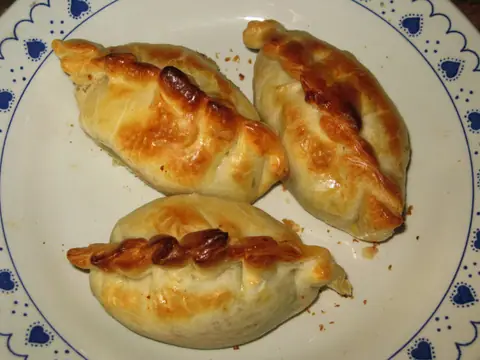
What to Eat in Córdoba: Traditional Dishes and Regional Flavours
Córdoba, Argentina
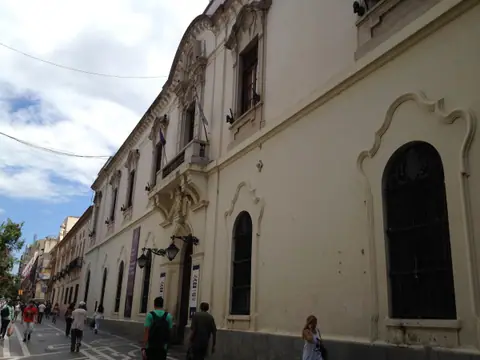
Córdoba Jesuit Block, Cathedral and Plaza San Martín Field Guide
Córdoba, Argentina
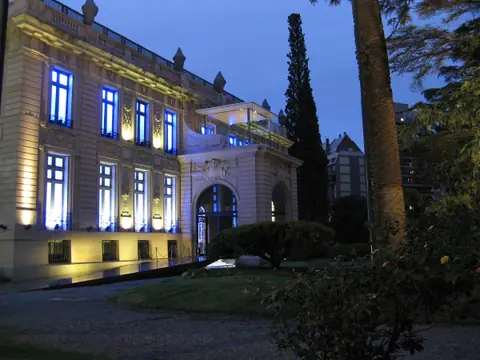
Nueva Córdoba Architecture: Paseo del Buen Pastor to Palacio Ferreyra
Córdoba, Argentina
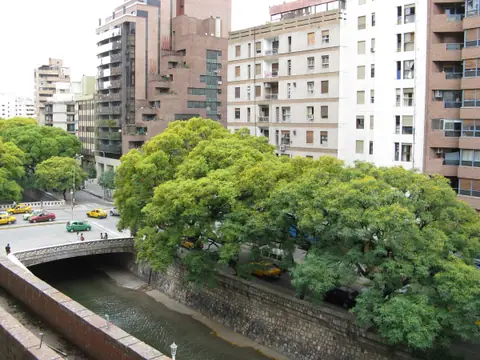
Barrio Güemes and Arroyo La Cañada Walking Circuit
Córdoba, Argentina
