Jesús María, Alta Gracia, and Santa Catalina Jesuit Estancias Guide
Baroque chapels, ancient millraces, and stone cloisters define the centuries-old Jesuit estancias scattered across the hills of Córdoba.
Alta Gracia and the Foothill Cloisters
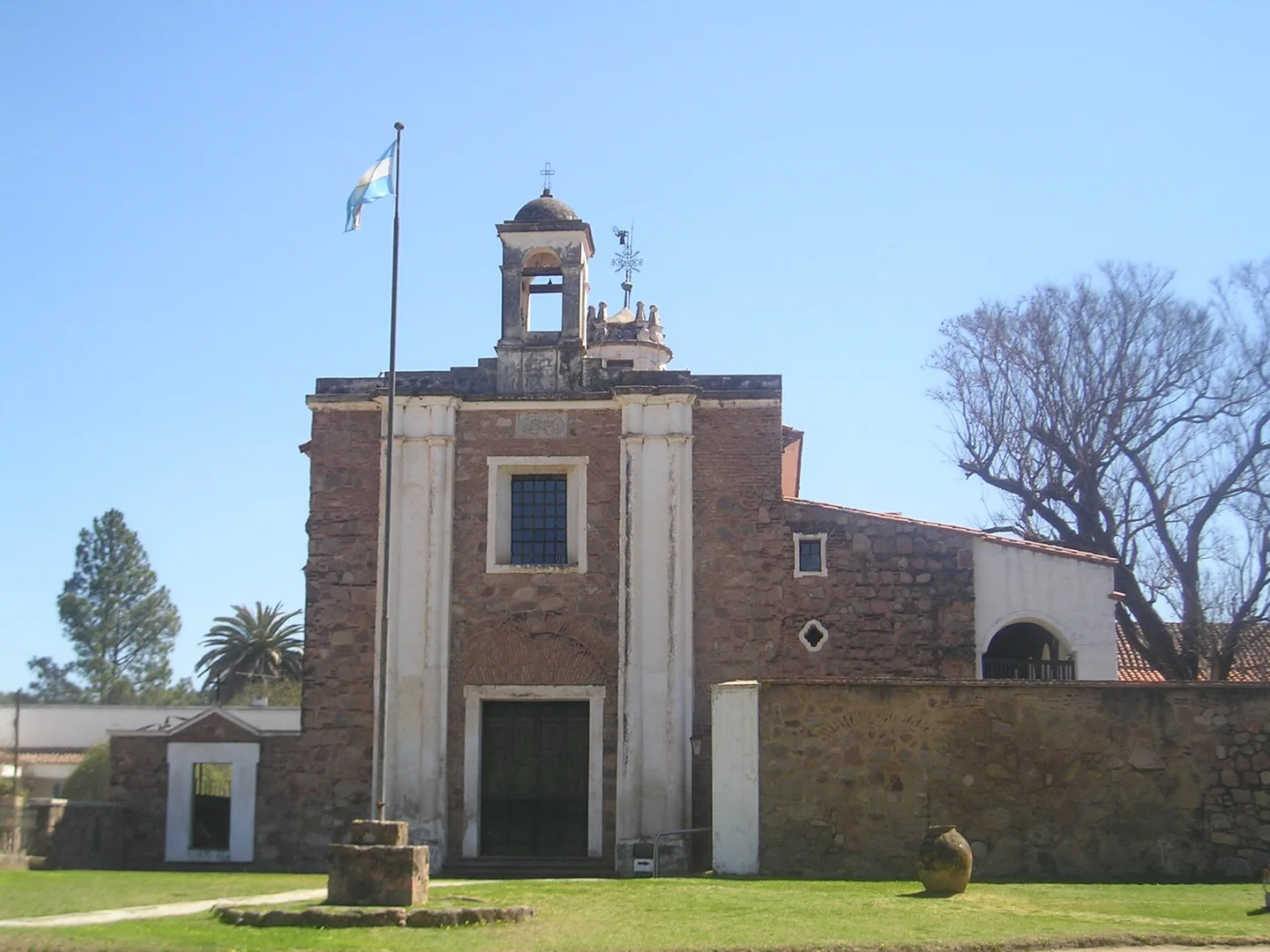
Rising quietly south-west of the provincial capital, the quiet foothills town of Alta Gracia centres on one of the best-preserved historical Jesuit estates in the country. We begin our morning walking circuit around the central paved courtyard. Arched corridors connect the private living quarters to the grand parish church. The stone masonry reflects skilled craftsmanship, as builders combined European Baroque flourishes with local raw materials gathered along nearby riverbanks.
Standing beside the historic millrace, we watch water channelled from mountain streams through heavy masonry arches. The adjacent artificial lake, known as the Tajamar, once powered grain mills and irrigated extensive kitchen gardens supporting workers and students. Walking slowly around the grassy perimeter reveals clean stone spillways, brick buttresses, and shady carob trees framing colonial roofs. Today, museum rooms inside the main residential wing house historic furniture, religious art, and personal relics reflecting everyday estate management.
Regular coaches depart from the main downtown terminal, making Alta Gracia an effortless half-day trip out of town. Checking regional coach terminals and highway links clarifies departure platforms before heading south-west. Inside quiet cloisters, dappled light crosses thick limewashed plaster, carved cedar ceiling beams, and cool stone paving.
Jesús María and the Viticulture Legacy
Heading north across rolling plains, the estancia of Jesús María opens an instructive window into colonial agricultural enterprise. Here, Jesuit builders planted early regional vineyards and pressed grapes into wines carried overland toward Upper Peru. Sprawling stone bodegas and thick-walled barrel cellars remain intact, trapping cool mountain air beneath heavy timber roof beams.
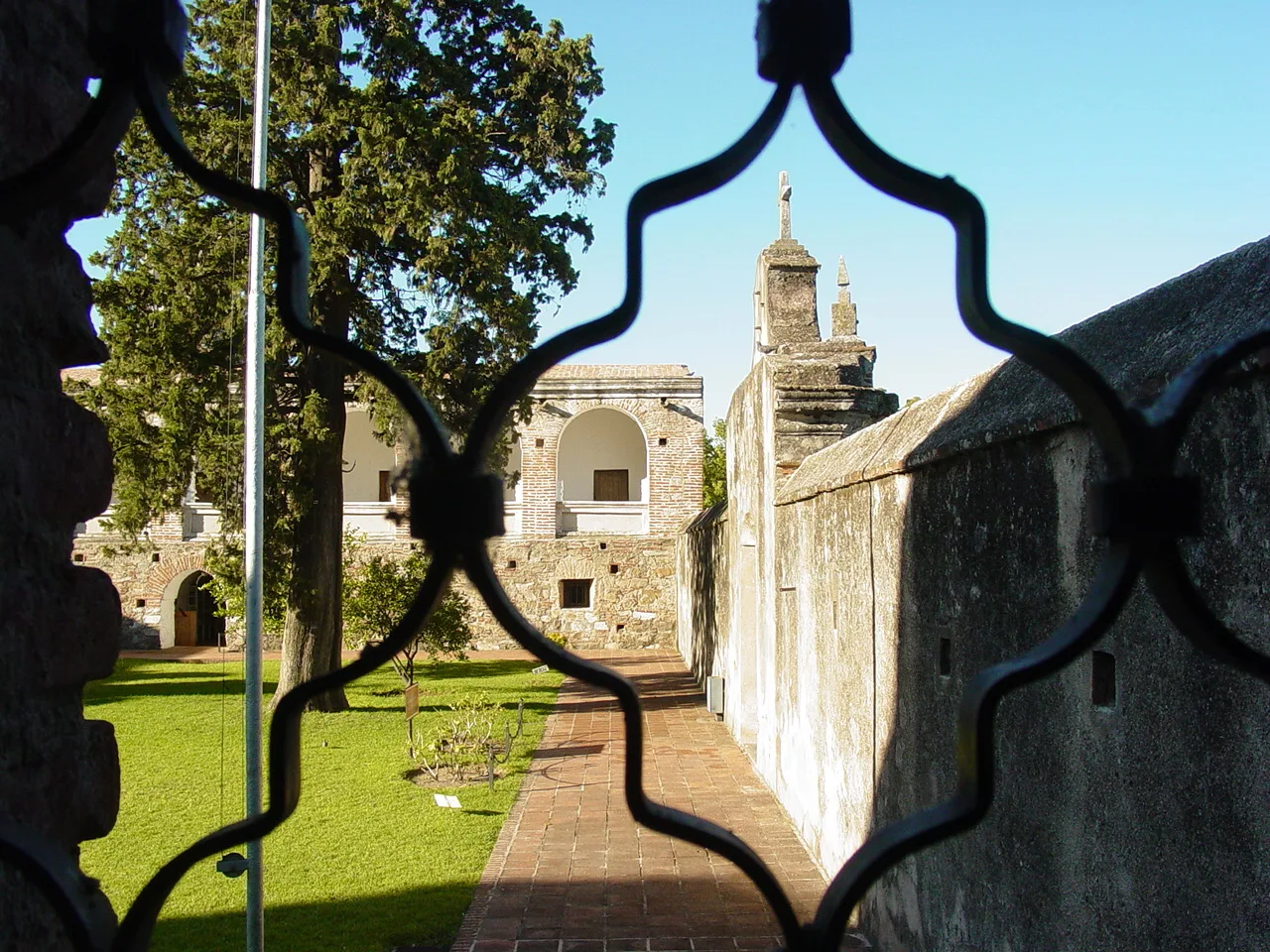
Walking down the arched cloister corridors shows how architecture merged daily farm work with quiet monastic study. Residential rooms preserve domestic quarters, arched galleries, and a domed church holding carved wooden altars, wrought iron grilles, and colonial textiles. Outdoor courtyard paths also link visitors with historic workshops where carpenters and leather stitchers once fitted regional supply wagons.
Quiet riverside plazas line the town approach outside the museum grounds, giving calm spots to rest between galleries. Using our Córdoba district orientation handbook helps tie rural valley stops cleanly to downtown transit cards. Original stone pressing troughs outside reveal how gravity channels guided grape juice into underground storage jars.
Santa Catalina and Rural Mountain Sanctuaries
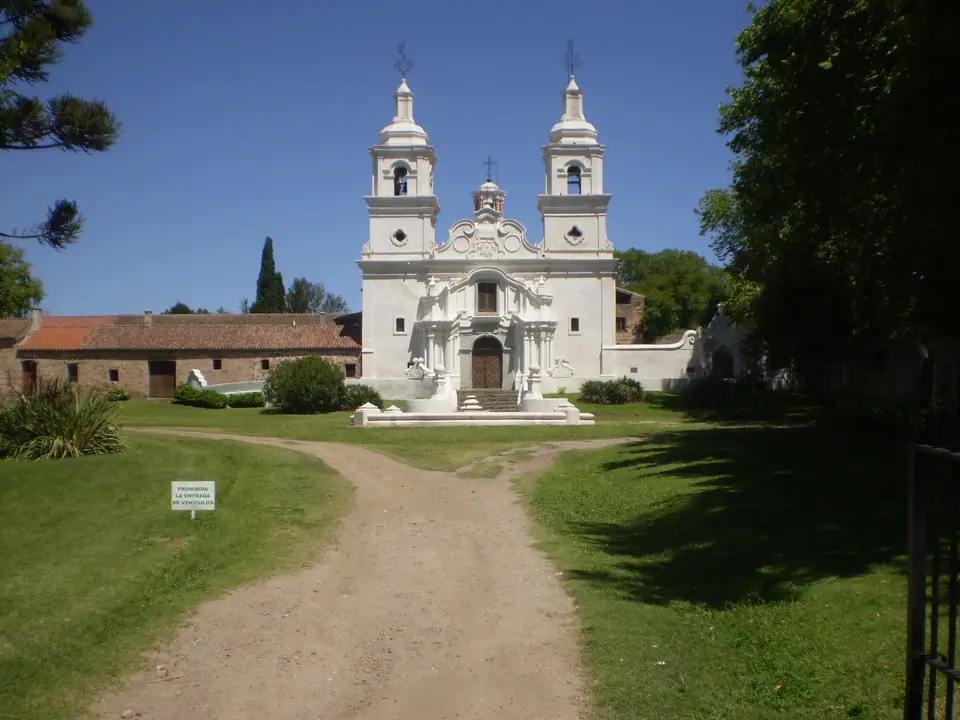
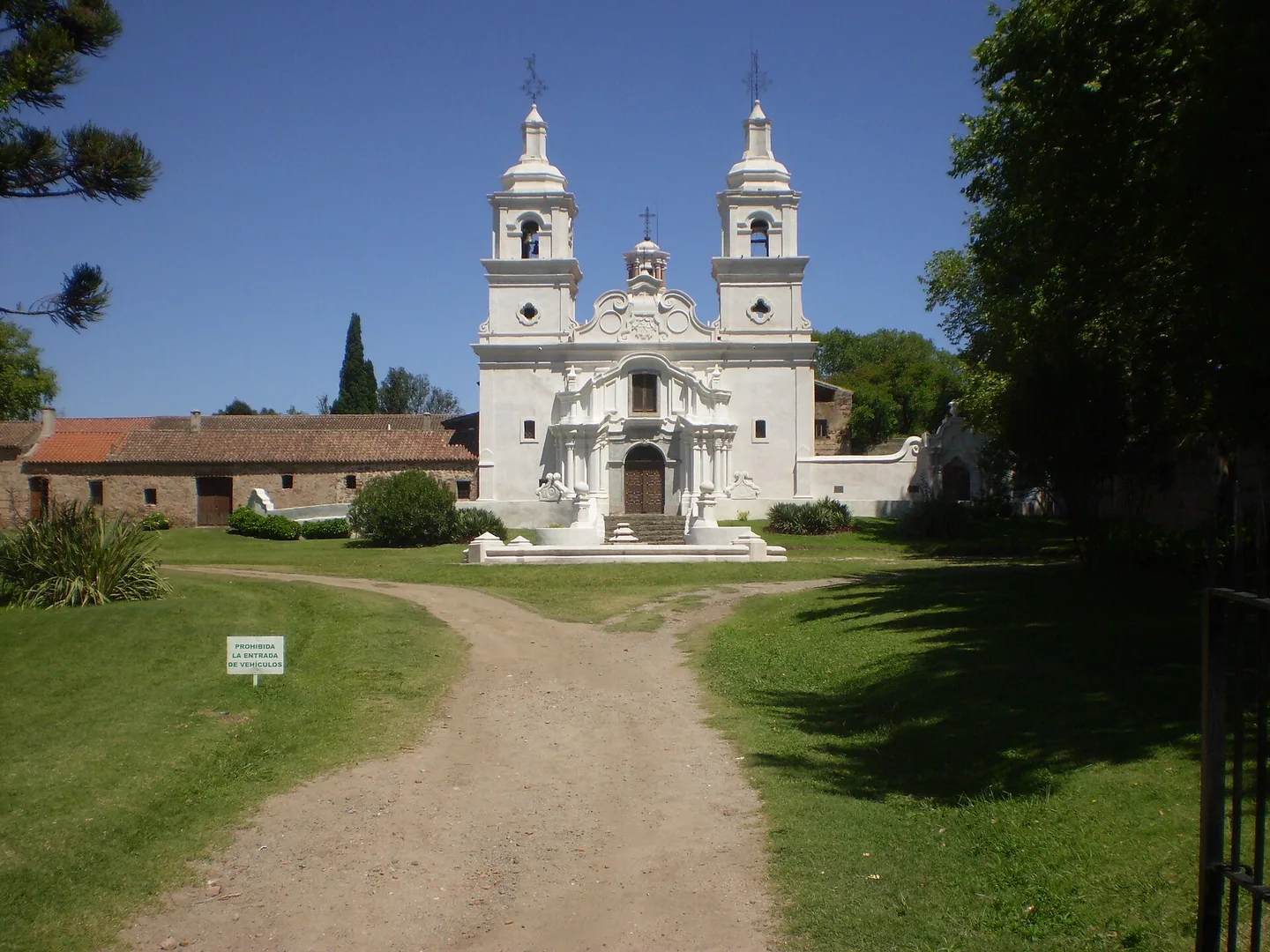
Tucked deeper into the northern hills, Santa Catalina stands as the most secluded estate across the entire circuit. Approaching along quiet rural gravel roads, the twin Baroque bell towers of the stone church rise cleanly above native thorn woodland. The enormous scale of this rural sanctuary highlights how self-reliant these frontier estates remained across colonial centuries.
Three connected courtyards divided grain lofts, weaving rooms, blacksmith workshops, and livestock yards inside stout stone perimeter walls. Just outside the main gate rests a calm reflecting reservoir mirroring the sculpted stone church gables beneath wide skies. Morning sunlight warms rose-tinted stucco walls while quiet gardens frame centuries-old stone fountains and shaded stone benches. Because rural bus coverage stays sparse beyond main highways, hiring a car or taxi makes reaching Santa Catalina much simpler for day visitors.
Planning Circuits Across the Estancias
Balancing travel times across southern and northern countryside corridors keeps each visit relaxed without rushing historic cloisters. Allowing generous morning hours helps walkers cover stone yards steadily before warmer afternoon breezes arrive across open plains. The table below compares key traits across each estancia stop:
| Estancia | Primary Focus | Landscape Setting | Access Route |
|---|---|---|---|
| Alta Gracia | Baroque church and Tajamar reservoir | Urban foothill fringe | Direct paved highway south-west |
| Jesús María | Colonial wine cellars and museum | River valley town | National route north |
| Santa Catalina | Monumental facade and three courtyards | Remote mountain woodland | Gravel rural roads north-west |
- Check seasonal opening times and entry arrangements in the practical details box before catching early coaches.
- Bring flat walking shoes for dusty courtyard flagstones, wooden steps, and gravel approaches outside Santa Catalina.
- Carry drinking water and cash for rural bus tickets or simple country cafe refreshments between estates.
Pairing country estates with downtown Jesuit cloisters and museum halls completes the wider UNESCO story neatly. Alta Gracia suits a standalone morning outing, whereas Jesús María and Santa Catalina combine naturally across one relaxed northern countryside loop.
Official prices and opening hours
- Manzana Jesuítica & Museo Histórico UNC (UNESCO)Official site ↗
Where it is
- 1Jesús María, Alta Gracia, and Santa Catalina Jesuit Estancias
- Ingeniero Aeronáutico Ambrosio L.V. Taravella International Airport (COR) · about 44 km from here in a straight line
- Directions in Google Maps
Stations and taxi ranks: OpenStreetMap. Airports: OurAirports. Distances are in a straight line.
Traveller tips
Real advice from people who have been to Córdoba. Every tip is read by our team before it goes live.
No tips yet. Been here? Yours could be the first.
Thank you! Your tip will appear here after a quick review.
More in Córdoba
Continue exploring Córdoba with related neighbourhood, food, and planning guides
Where to Stay in Córdoba: Finding the Right Base
Córdoba, Argentina
Three Days in Córdoba: Jesuit Heritage, Bohemian Güemes and Mountain Air
Córdoba, Argentina
What to Eat in Córdoba: Traditional Dishes and Regional Flavours
Córdoba, Argentina
Córdoba Jesuit Block, Cathedral and Plaza San Martín Field Guide
Córdoba, Argentina
