Nueva Córdoba Architecture: Paseo del Buen Pastor to Palacio Ferreyra
Nueva Córdoba pairs Neo-Gothic spires, repurposed heritage cloisters, and grand residential mansions along tree-lined avenues south of the historic city centre.
Nueva Córdoba stretches immediately south of the colonial core, presenting an active student district where grand early twentieth-century residences meet modern apartment blocks. Broad avenues cut across gently sloping terrain, shaded by mature tipa trees and lined with outdoor coffee terraces. Walking south from central squares onto Avenida Hipólito Yrigoyen brings an immediate shift from quiet colonial stone to energetic urban boulevards. Tens of thousands of university scholars keep these sidewalks lively throughout term time, complementing broader city context in our provincial capital orientation handbook.
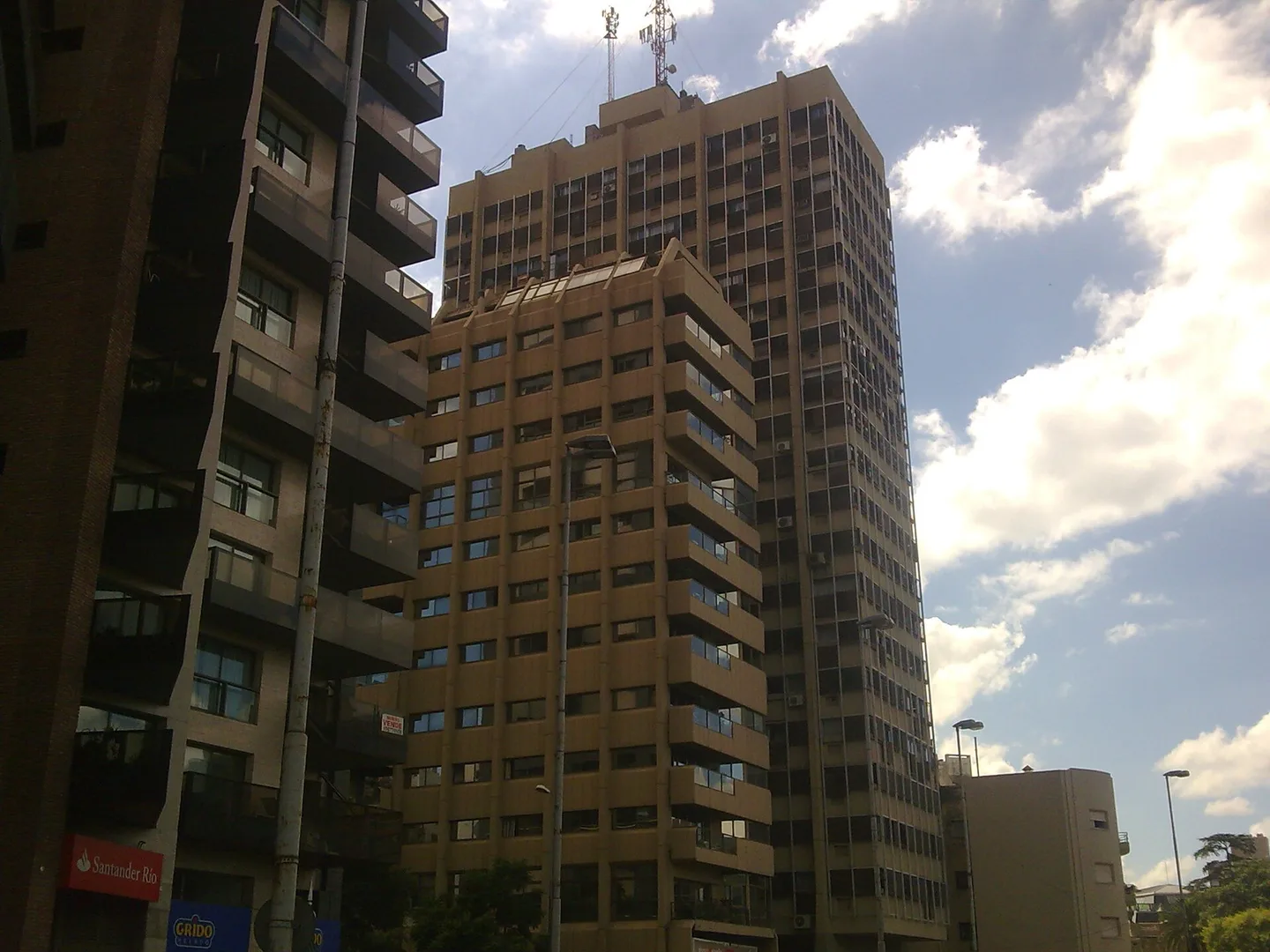
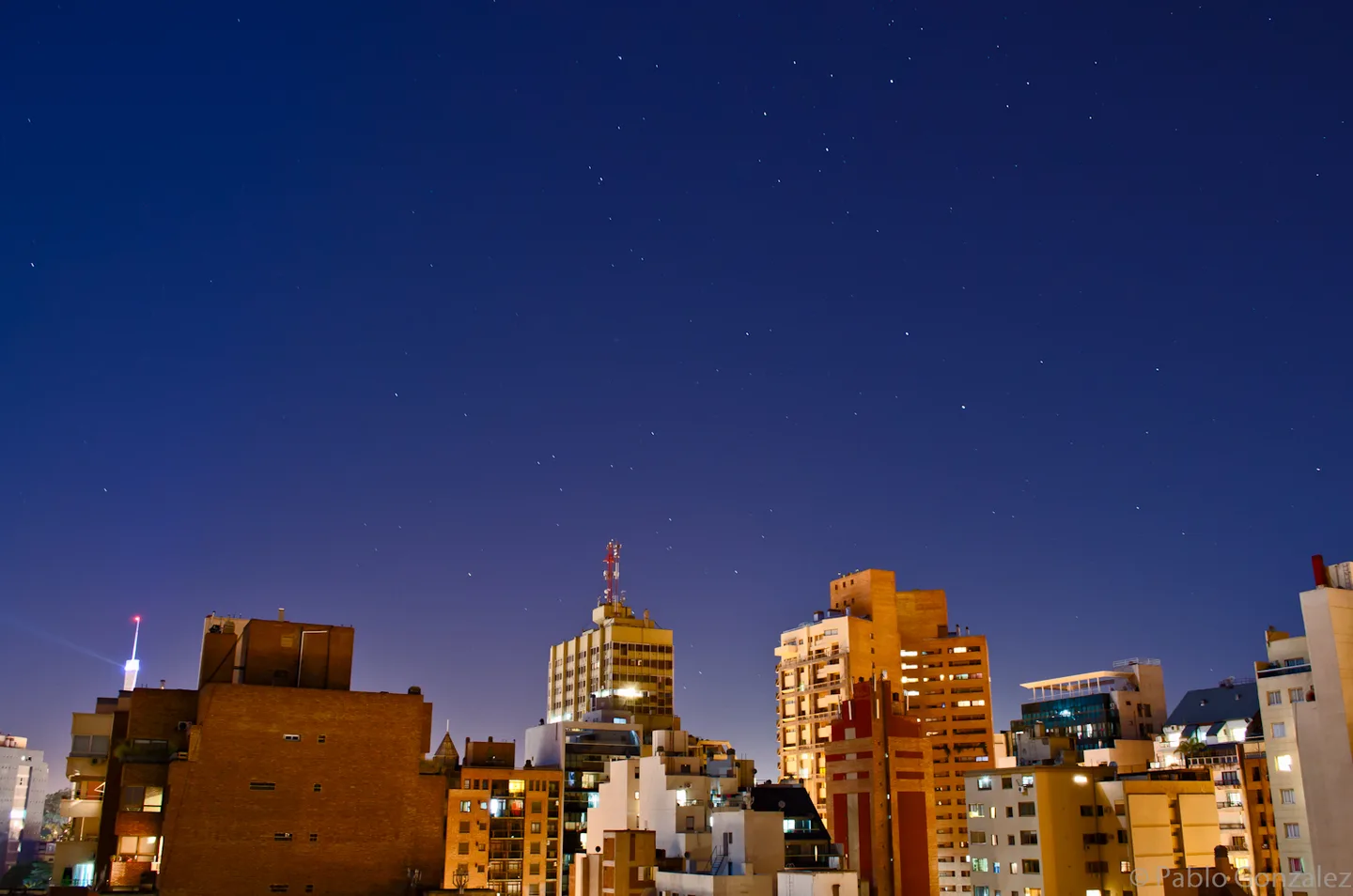
Wide sidewalks support cycling paths and casual strolling, connecting university faculties with public art spaces and leafy residential squares. Unlike the dense seventeenth-century layout of the Jesuit core, this quarter features sweeping roundabouts and broad boulevard views framed by tall residential balconies. Brick towers and historic cornices sit side by side along shaded intersections where corner kiosks pour hot espresso all day. Architectural contrasts show the rapid growth and civic ambition that reshaped Córdoba at the turn of the twentieth century.
Paseo del Buen Pastor and Los Capuchinos
At the centre of the quarter stands Paseo del Buen Pastor, a cultural complex converted from a former women's prison and chapel. The restored chapel anchors the site with religious murals, lofty timber roof rafters, painted arches, and calm gallery halls. Outside, stone terraces surround illuminated fountains where students gather during warm afternoons to share yerba mate on broad green lawns. Rotating sculpture displays occupy quiet interior corridors set back from busy outdoor cafes and bakery benches.
Directly opposite rises the striking church of the Sacred Heart, known locally as Los Capuchinos. This soaring Neo-Gothic building stands out for warm terracotta masonry, asymmetrical spires, carved columns, and sculpted stone figures along front porticos. Inside, deep blue vaulted ceilings sprinkled with golden stars overlook quiet wooden pews and warm stained glass windows. Pairing this quarter with Jesuit cloisters and central art halls balances historic monuments against youthful street life.
Cultural Corridor to Palacio Ferreyra
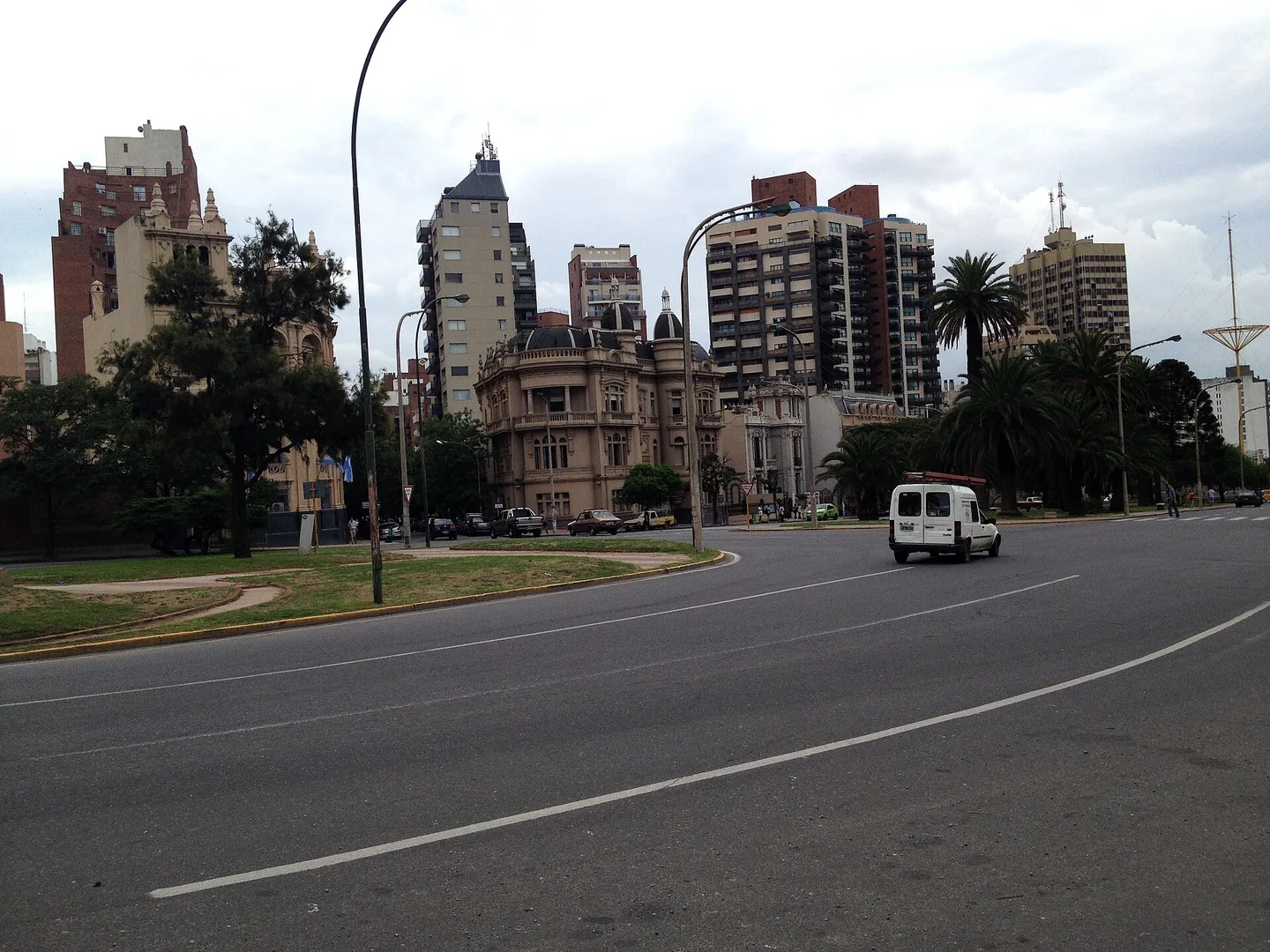
Continuing south along Avenida Hipólito Yrigoyen follows a flat residential boulevard flanked by grand early twentieth-century mansions. The roadway curves smoothly toward Plaza España, a wide circular junction ringed by modern cultural institutions and landscaped lawns. Ornate iron balconies, carved limestone porticos, and steep slate mansard roofs trace an era of agricultural wealth along pleasant daytime pavements.
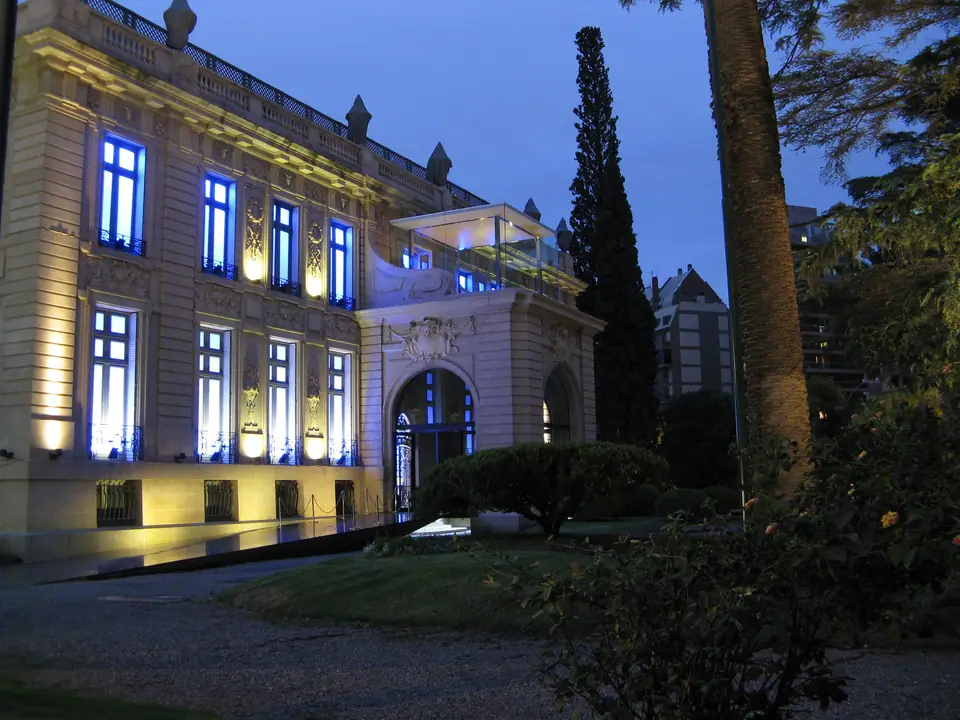
The highlight of the boulevard is Palacio Ferreyra, now home to the Museo Superior de Bellas Artes Evita. Built in French Beaux-Arts style, this stately mansion showcases sweeping stone staircases, rich wood panelling, chandeliers, and high sunlit reception halls. Landscaped grounds planned by Charles Thays surround the building under mature magnolias, grassy slopes, and tall palms. Inside, permanent galleries hang nineteenth- and twentieth-century Argentine painters alongside contemporary works, with ticket rates and opening times listed in the practical details box.
Walking Route Planning and Practical Transit
Organising this route as one linear downhill stroll connects the colonial centre cleanly through to Sarmiento Park without uphill climbs:
| Stop Along Avenue | Architectural Style | Atmosphere & Highlight |
|---|---|---|
| Paseo del Buen Pastor | Converted nineteenth-century cloister | Dancing fountains, lawns, restored chapel |
| Los Capuchinos | Neo-Gothic terracotta church | Asymmetrical spire and star-painted nave vault |
| Palacio Ferreyra | French Beaux-Arts mansion | Provincial fine arts and magnolia gardens |
| Plaza España | Civic landscaped roundabout | Glass cultural wings and Parque Sarmiento gate |
- Start on the southern edge of the Jesuit Block and follow Avenida Hipólito Yrigoyen southward.
- Pause at Paseo del Buen Pastor to see restored chapel masonry and courtyard fountains.
- Cross the boulevard to study the mismatched spires and terracotta facade of Los Capuchinos.
- Continue south to Palacio Ferreyra to tour provincial fine art rooms and shaded gardens.
- Finish at Plaza España where tree-lined walkways enter Parque Sarmiento.
City buses run frequently along perimeter avenues using contactless Red Bus smartcards, while yellow taxis wait continuously beside Plaza España and busy hotel corners. Keeping small belongings close along crowded evening blocks keeps walks calm after dinner. Independent sweet shops, bakeries, and quiet espresso cafes stay open late across leafy student blocks near Chacabuco boulevard. Check airport shuttles and downtown bus links when planning arrival routes into the district.
Official prices and opening hours
- Manzana Jesuítica & Museo Histórico UNC (UNESCO)Official site ↗
Where it is
- 1Nueva Córdoba Architecture
- Ingeniero Aeronáutico Ambrosio L.V. Taravella International Airport (COR) · about 13 km from here in a straight line
- Directions in Google Maps
Stations and taxi ranks: OpenStreetMap. Airports: OurAirports. Distances are in a straight line.
Traveller tips
Real advice from people who have been to Córdoba. Every tip is read by our team before it goes live.
No tips yet. Been here? Yours could be the first.
Thank you! Your tip will appear here after a quick review.
More in Córdoba
Continue exploring Córdoba with related neighbourhood, food, and planning guides
What to Eat in Córdoba: Traditional Dishes and Regional Flavours
Córdoba, Argentina
Córdoba Jesuit Block, Cathedral and Plaza San Martín Field Guide
Córdoba, Argentina
Barrio Güemes and Arroyo La Cañada Walking Circuit
Córdoba, Argentina
Jesús María, Alta Gracia, and Santa Catalina Jesuit Estancias Guide
Córdoba, Argentina
