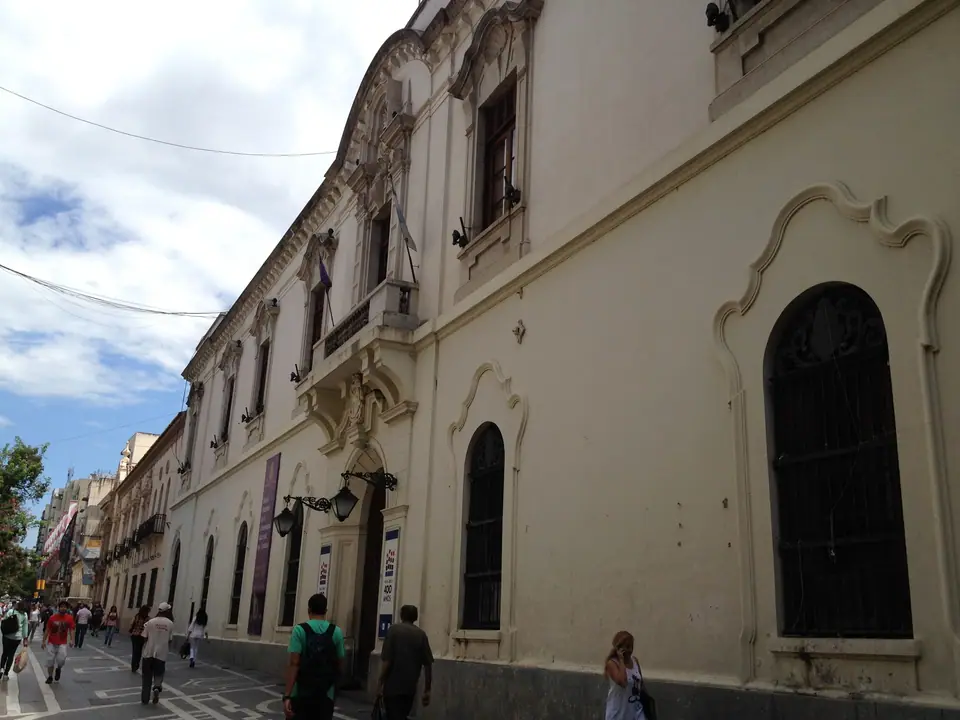
Córdoba Jesuit Block, Cathedral and Plaza San Martín Field Guide
Historic stone monuments define the Córdoba UNESCO Jesuit Block, colonial cathedral, and central Plaza San Martín.
The Jesuit Heart and Academic Heritage
Córdoba preserves one of the finest colonial ensembles in South America within the central UNESCO Manzana Jesuítica. This compact urban block gathers venerable institutional structures that shaped educational culture across the continent. Stepping into the quiet stone precincts, we find the Universidad Nacional de Córdoba and its historic courtyards tucked just behind the primary civic grid.
Thick masonry walls buffer the traffic hum of the surrounding avenues, creating an atmosphere of quiet study and contemplation. Carved timber accents, arched arcades, and tranquil cloistered gardens characterise the interior corridors. Architectural walkers can connect these quarters with broader routes featured across curated Córdoba highlights.
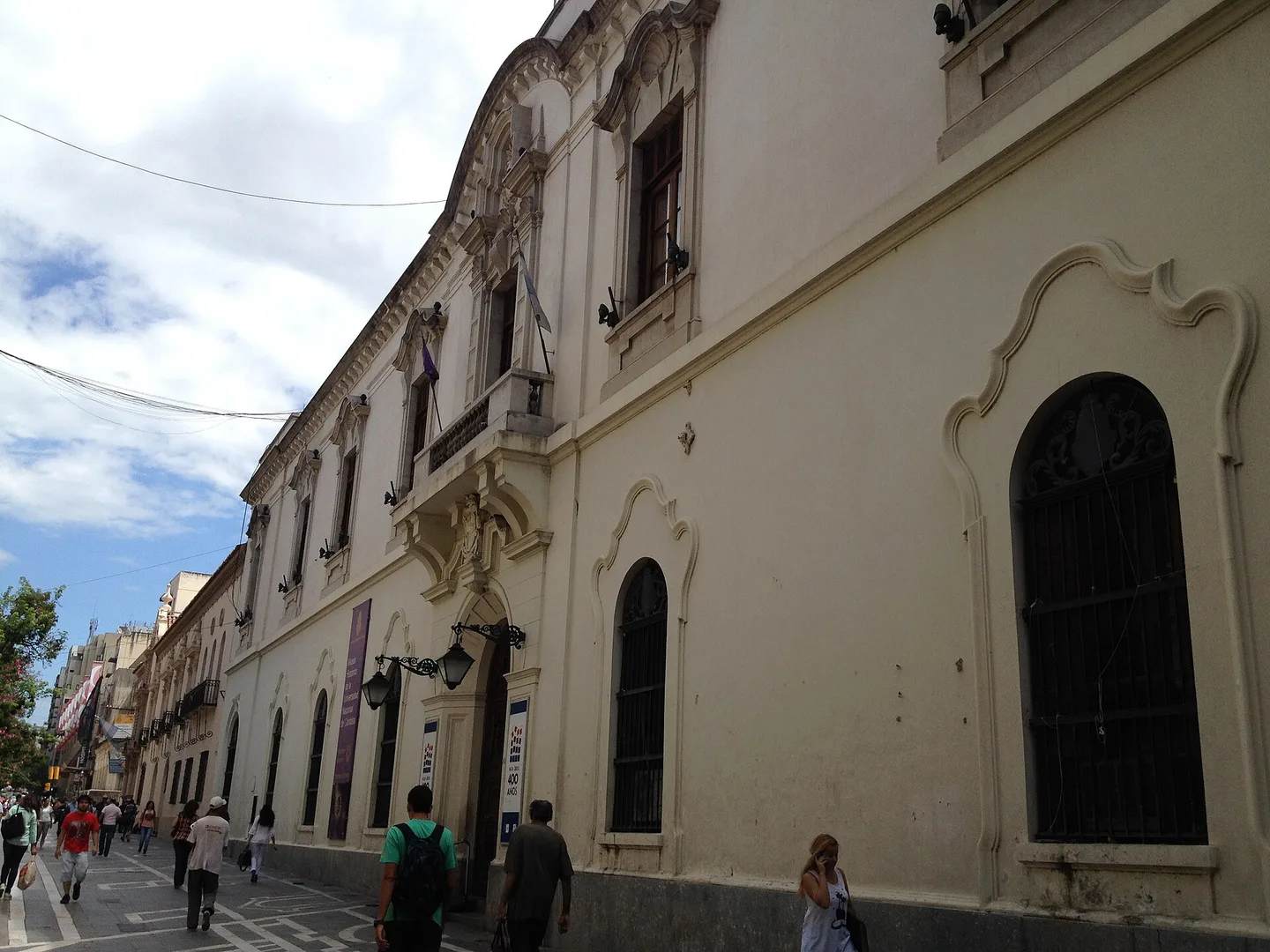
The Museo Histórico within the university complex displays rare antique books and early educational records. Walking these stone pathways reveals the enduring legacy of early scholars who established academic disciplines here. Current opening hours and entry rules are listed in the practical details box.
The adjoining Iglesia de la Compañía de Jesús showcases exceptional seventeenth-century woodwork and austere stone masonry. Master craftspeople assembled its barrel-vaulted ceiling using cedar planks secured without iron nails. Standing inside the nave, visitors experience the remarkable acoustic clarity and understated grandeur characteristic of regional Jesuit construction.
The Colegio Nacional de Monserrat stands adjacent to the church and university cloister, completing the core academic ensemble. Its central patio, flanked by rhythmic classical arcades, continues to serve secondary students as it has done for centuries. The harmonious balance between religious devotion and rigorous scholarly inquiry remains tangible across these historic corridors.
Navigating the Cathedral and Plaza San Martín
A few short blocks north of the university block lies Plaza San Martín, the traditional civic hub of the provincial capital. Shaded by mature trees and framed by historic facades, the open square draws locals throughout the day. Pedestrians cross the paved footpaths toward banking houses, municipal offices, and welcoming street-level cafés.
Dominating the western flank of the square, the colonial cathedral presents an impressive facade marked by twin bell towers and baroque ornamentation. Its broad stone steps offer a natural vantage point over the open plaza. We admire the interplay of Indigenous stonemasonry and Spanish colonial design visible along the upper exterior friezes.
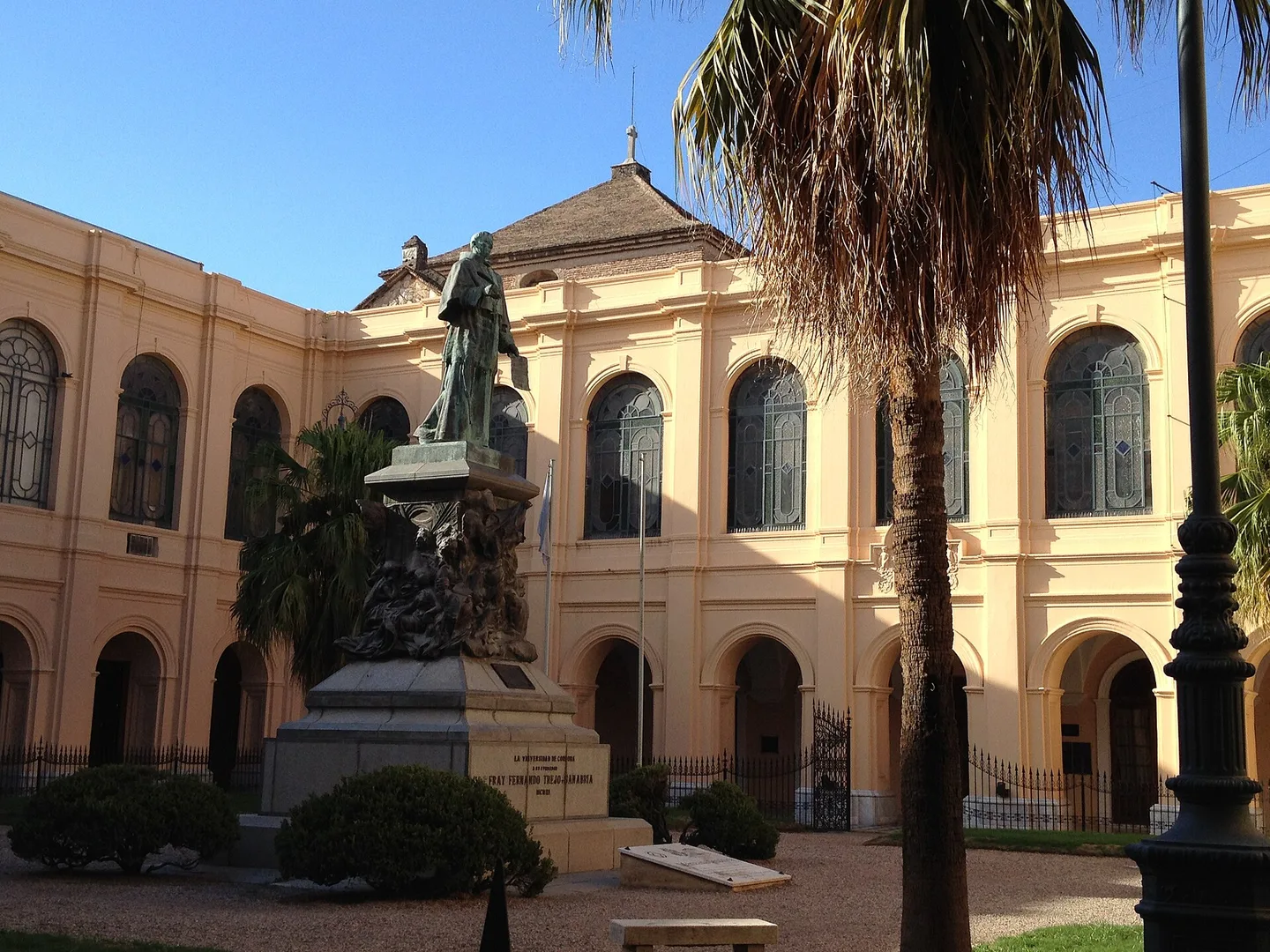
Inside the nave, high vaulted ceilings shelter historic paintings, delicate silverwork, and detailed wood carvings. The cool interior offers a soothing respite during warm afternoons. Stepping back outside into the sunlight, the central monument to General San Martín anchors the surrounding plaza with dignity.
Facing the plaza on its southern border, the Cabildo of Córdoba provides a stately example of colonial civic architecture. Its wide ground-floor colonnade once housed the colonial government and municipal police. Today, the building serves as an active cultural centre hosting seasonal art exhibitions, historical displays, and public performances.
Walking along the perimeter of Plaza San Martín reveals the layered architectural heritage of the city. Centuries of urban growth surround the original square, from eighteenth-century municipal buildings to early twentieth-century bank headquarters. Street vendors and musicians gather under the canopy of tipa trees, establishing a steady urban pulse.
Walking Routes and Architectural Sequence
Connecting these historic landmarks on foot requires minimal physical strain, as the central core remains relatively flat and compact. We recommend grouping the major landmarks into a coherent morning sequence to appreciate their architectural evolution:
- Plaza San Martín: Begin in the open square to observe the morning rhythm and colonial civic facades.
- Cathedral of Córdoba: Explore the historic nave, painted vaults, and religious silver treasures.
- Iglesia de la Compañía de Jesús: Admire the distinctive timber ceiling constructed with cedar beams.
- Universidad Nacional de Córdoba: Wander the stone cloisters and peaceful scholarly courtyards.
- Museo Histórico: Study archival colonial volumes and early academic collections.
- Cabildo de Córdoba: Pass through the shaded arcade to view rotating cultural galleries.
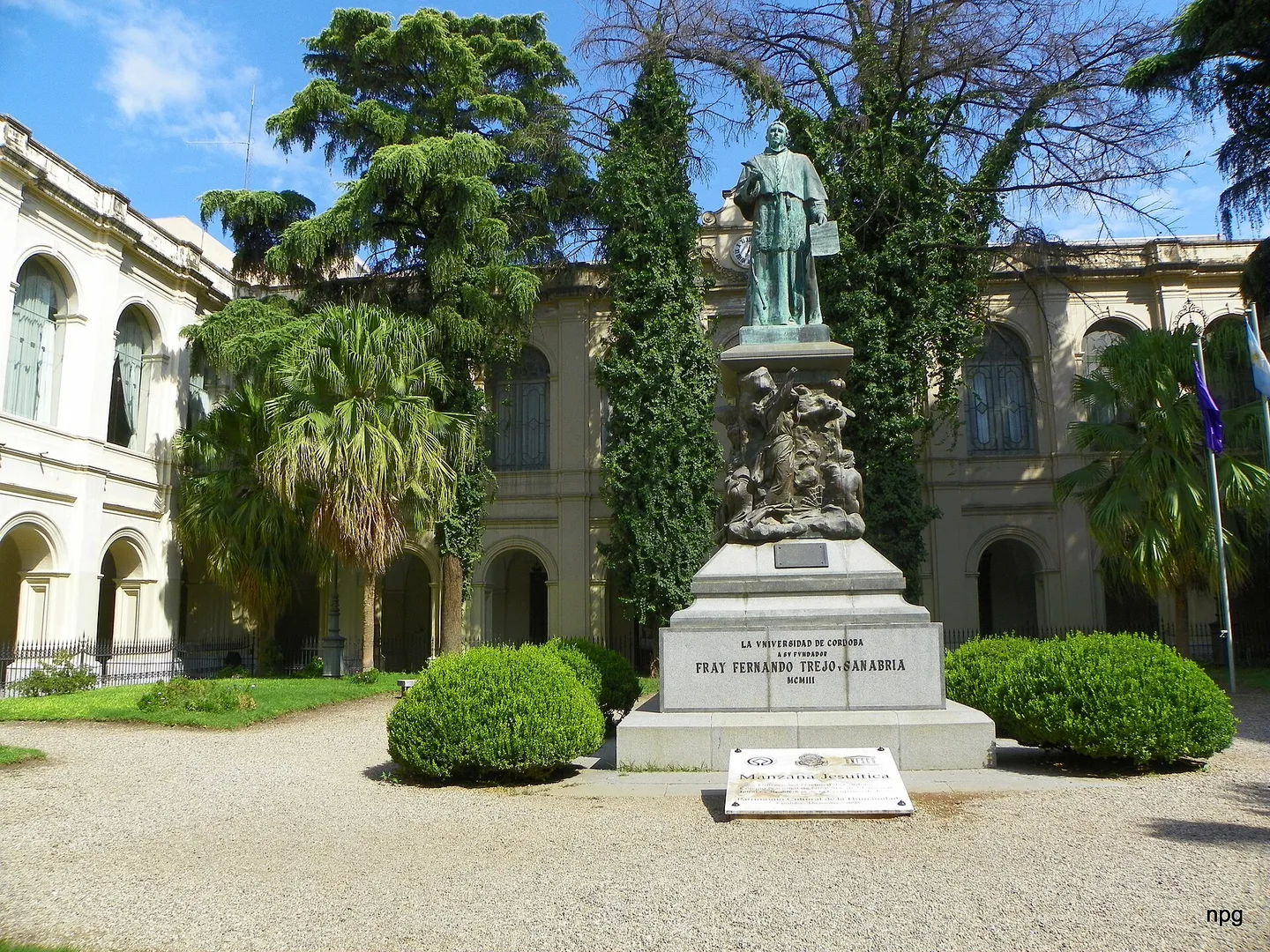
Each monument stands within easy strolling distance of the next, allowing travellers to set their own unhurried pace. A complete circuit covers less than two kilometres, making it accessible for walkers of all fitness levels. Pair your architectural walk with ideas from the Córdoba city guide for local dining options nearby.
Neighbourhood Rhythm and Practical Movement
The streets immediately surrounding the Jesuit Block are largely pedestrianised, which keeps vehicular noise manageable during daylight hours. Polished stone flagstones can occasionally become slick after sudden rain, so wearing sturdy footwear is wise. Exploring the perimeter early allows you to photograph the facades before delivery vans and crowds arrive.
Urban buses serve the perimeter avenues, linking the historic centre with outer districts and transit hubs. Taxis and regional ride-hailing services operate frequently along the perimeter roads framing Plaza San Martín. Check opening hours and admission requirements in the practical details box before planning your walking circuit through this landmark precinct.
Midday brings a distinct lull as local businesses and administrative offices pause their operations for lunch. This quiet interval offers an ideal window for peaceful photography around the exterior courtyards and facades. As afternoon turns to dusk, pedestrian traffic swells once more with students and commuters heading home.
Official prices and opening hours
- Manzana Jesuítica & Museo Histórico UNC (UNESCO)Official site ↗
Where it is
- 1Córdoba Jesuit Block, Cathedral and Plaza San Martín Field
- Ingeniero Aeronáutico Ambrosio L.V. Taravella International Airport (COR) · about 12 km from here in a straight line
- Directions in Google Maps
Stations and taxi ranks: OpenStreetMap. Airports: OurAirports. Distances are in a straight line.
Traveller tips
Real advice from people who have been to Córdoba. Every tip is read by our team before it goes live.
No tips yet. Been here? Yours could be the first.
Thank you! Your tip will appear here after a quick review.
More in Córdoba
Continue exploring Córdoba with related neighbourhood, food, and planning guides
Altas Cumbres, Quebrada del Condorito and Traslasierra
Córdoba, Argentina
Cuarteto Music, Fernet con Coca, and University Life in Córdoba
Córdoba, Argentina
Córdoba Field Guide: Jesuit Heritage, Street Grids and Mountain Excursions
Córdoba, Argentina
12 Best Things to Do in Córdoba: Jesuit Heritage, Fine Arts and Sierras
Córdoba, Argentina
