Córdoba Field Guide: Jesuit Heritage, Street Grids and Mountain Excursions
Colonial core streets, university courtyards, stone canal promenades, and serene provincial valleys cross central Argentina.
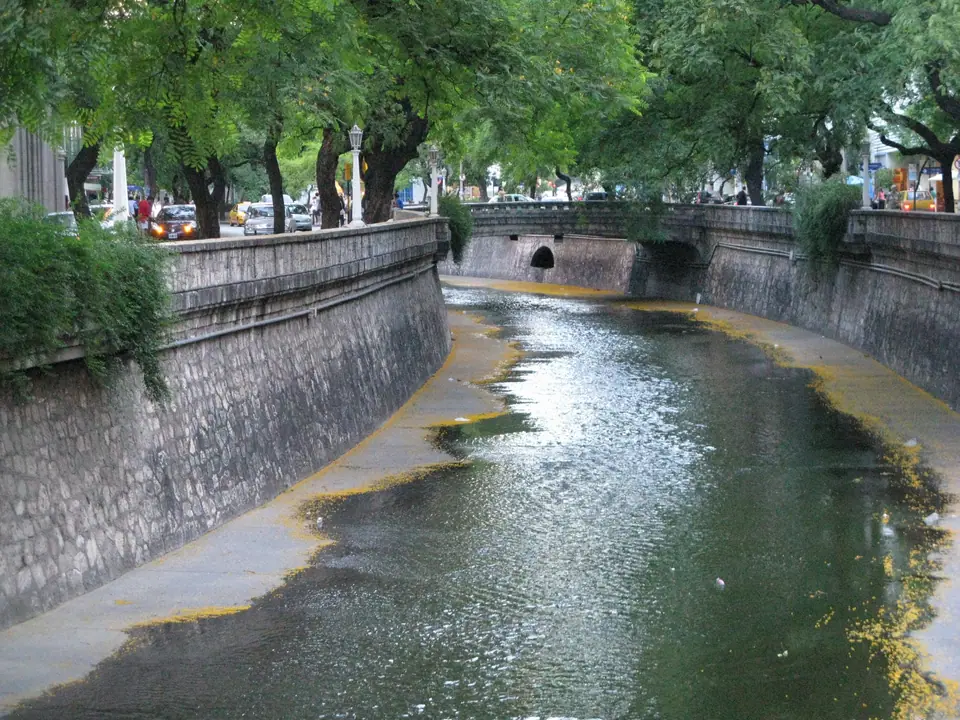
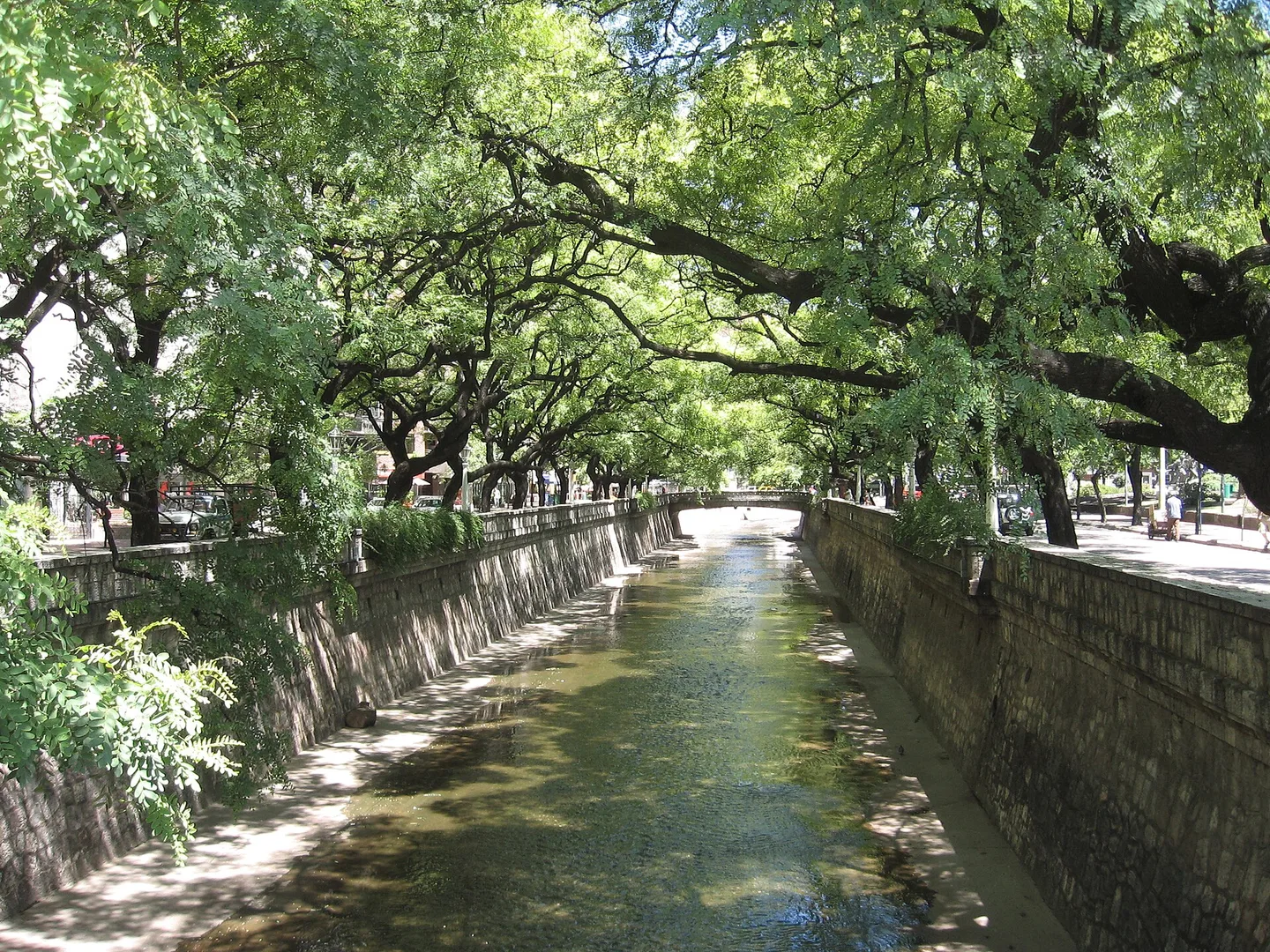
Argentina's second city unfolds across a wide plain bordered by gentle mountain ridges, pairing university life with remarkable seventeenth-century religious architecture. The municipal grid surrounds Plaza San Martín, where colonial foundations meet nineteenth-century civic facades, shaded benches, and civic monuments. A short walk west brings travellers to Arroyo La Cañada, a celebrated stone-walled canal banked by sprawling tipuana trees. These green arches offer welcome shade during hot afternoon strolls through central avenues.
Understanding the street layout simplifies navigating downtown Córdoba on foot. Central avenues follow strict cardinal bearings, interrupted by pedestrianised retail passages that link historic banks and busy bakeries. As daytime commerce winds down, office crowds thin out and students gather around stone bridges crossing the water channel. Planning early arrivals with airport shuttles and downtown bus terminals keeps hotel transfers smooth.
Colonial Legacy in the Jesuit Block
At the cultural heart of the city lies the Manzana Jesuítica, an extraordinary ensemble recognised by UNESCO for its scholarly and architectural prominence. The complex shelters the ancient rooms of the Universidad Nacional de Córdoba, alongside the domestic quarters and the soaring barrel vault of the domestic chapel. Thick stone masonry insulates these peaceful interior cloisters from modern traffic noises outside on the pavements.
We wander through whitewashed porticoes where early scholars compiled dictionaries, printed texts, and debated theological philosophy beneath carved cedar ceilings. Adjoining courtyards lead directly into the Museo Histórico de la UNC, housing delicate instruments, colonial manuscripts, and preserved wooden furnishings. Access rules, entry fees, and seasonal opening schedules are listed in the practical details box before you step inside the entrance gates.
A sensible itinerary balances these scholastic sanctuaries with broader religious sites across the central core. The companion Iglesia de la Compañía de Jesús displays ceiling craftsmanship fashioned from Paraguayan cedar, installed without iron nails. Visitors can easily arrange their days by grouping nearby monuments along the cobbled lanes, discovering historic cloisters, museum galleries, and civic squares without rushing between stops.
- Manzana Jesuítica: Central stone cloisters, ancient university lecture halls, and Jesuit domestic quarters.
- Iglesia de la Compañía de Jesús: Seventeenth-century wooden ceiling artistry assembled without metal nails.
- Plaza San Martín: Foundation square connecting the historic municipal council and the stone cathedral facade.
- Museo Histórico UNC: Archival collections, historic maps, and restored university library rooms.
Neighbourhood Charms from Nueva Córdoba to Güemes
Beyond the colonial centre, Córdoba splits into lively districts shaped by creative studios, student apartments, and culinary corridors. Nueva Córdoba features broad boulevards lined with mid-century residential towers, art spaces, and open parkland surrounding the Palacio Ferreyra. The atmosphere here feels youthful, populated by thousands of undergraduates who fill bookshops and corner coffee spots throughout the academic term.
Directly west of Nueva Córdoba lies Barrio Güemes, traditionally an artisan quarter that now serves as the evening dining hub of the city. Low-rise brick warehouses and restored family dwellings have been converted into craft beer taprooms, regional bistros, and vintage workshops. On weekends, the Paseo de las Artes street fair spreads across several cobblestone blocks, attracting local ceramic artists, leatherworkers, and musicians.
Travellers seeking diverse evening plans will appreciate the contrast between quiet daytime heritage walks and the buzzing energy of Güemes after dusk. You can combine afternoon museum visits with relaxed tastings of regional beef cuts, empanadas, and herbal aperitifs. To select the best district base for your personal travelling rhythm, study our recommended Córdoba accommodation areas before finalising your lodging bookings.
| Neighbourhood | Primary Character | Key Landmark or Street |
|---|---|---|
| Centro Histórico | Colonial architecture and civic administration | Plaza San Martín and Jesuit complex |
| Nueva Córdoba | Student residential quarter and fine art museums | Hipólito Yrigoyen boulevard |
| Barrio Güemes | Artisan markets, vintage shops, and dining | Belgrano street and Paseo de las Artes |
Ascending into the Sierras and Provincial Outskirts
The western skyline of Córdoba rises steadily into the Sierras Chicas, welcoming city dwellers into cool pine forests, rivers, and tranquil valley towns. Local buses depart frequently from the central terminal, winding uphill through suburban settlements toward popular lakeside resorts and mountain hamlets. Travellers frequently make day trips to Villa Carlos Paz along San Roque lake or head farther into the Calamuchita valley for alpine walking trails.
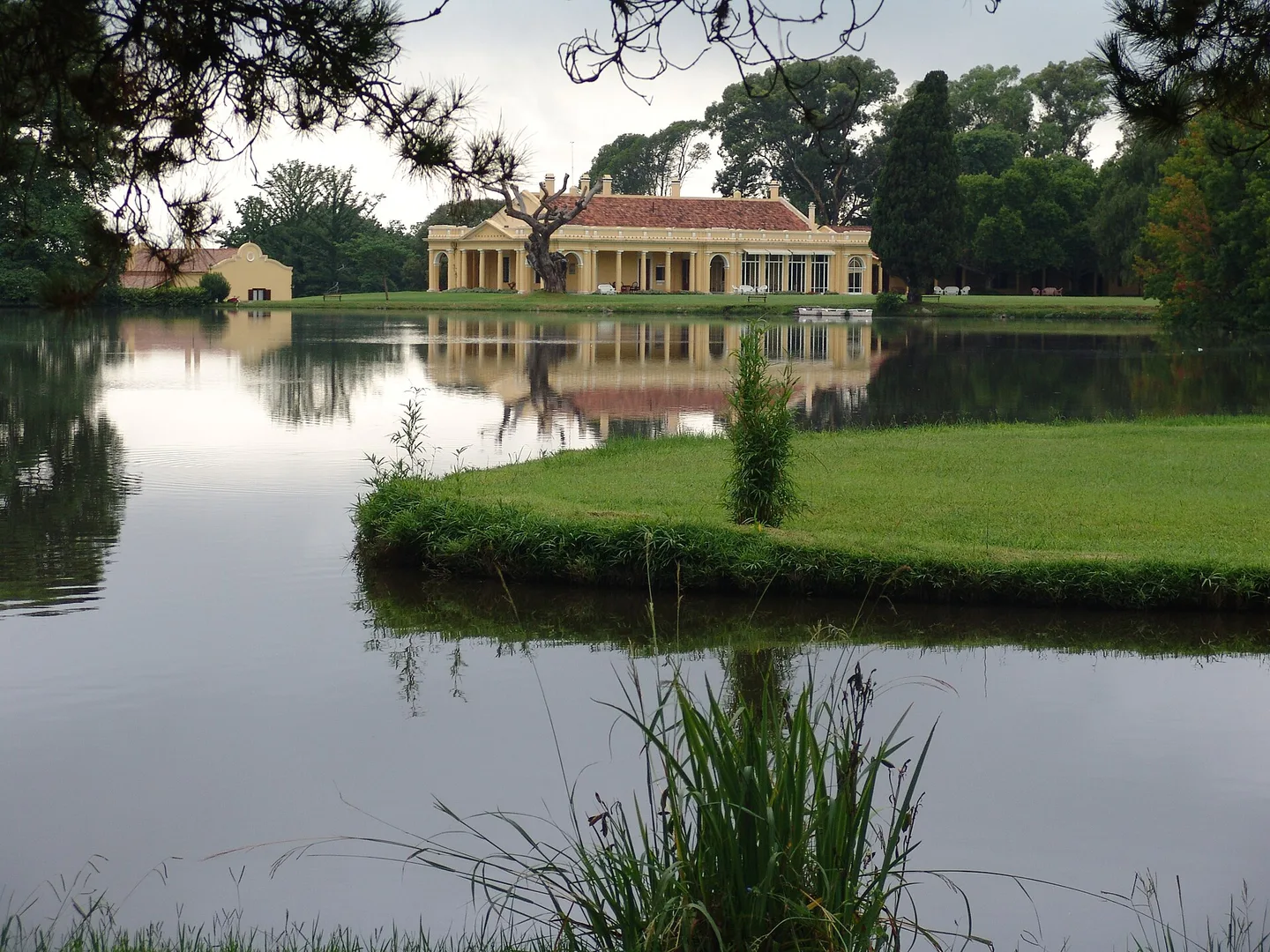
Historic travel through the province also highlights the outlying Jesuit country estates, known locally as estancias. Properties such as Santa Catalina, Alta Gracia, and Estancia La Paz near Jesús María showcase the agricultural and industrial systems that once sustained early university education. These country houses featured productive vineyards, cattle pastures, and hydraulic flour mills set against dramatic mountain backdrops.
Visiting these countryside retreats gives travellers authentic insight into regional Argentine heritage away from the city centre. Scenic winding roads follow mountain ridges through small hamlets where bakeries bake traditional alfajores filled with rich dulce de leche. To discover an extensive selection of day excursions, valley hiking tracks, and architectural landmarks, browse our curated guide to varied Córdoba cultural activities before heading up into the hills.
Official prices and opening hours
- Manzana Jesuítica & Museo Histórico UNC (UNESCO)Official site ↗
Where it is
- 1Córdoba
- Ingeniero Aeronáutico Ambrosio L.V. Taravella International Airport (COR) · about 12 km from Córdoba in a straight line
- Directions in Google Maps
Stations and taxi ranks: OpenStreetMap. Airports: OurAirports. Distances are in a straight line.
Traveller tips
Real advice from people who have been to Córdoba. Every tip is read by our team before it goes live.
No tips yet. Been here? Yours could be the first.
Thank you! Your tip will appear here after a quick review.
More in Córdoba
Continue exploring Córdoba with related neighbourhood, food, and planning guides
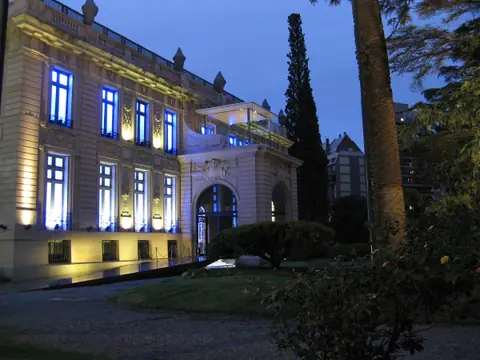
Nueva Córdoba Architecture: Paseo del Buen Pastor to Palacio Ferreyra
Córdoba, Argentina
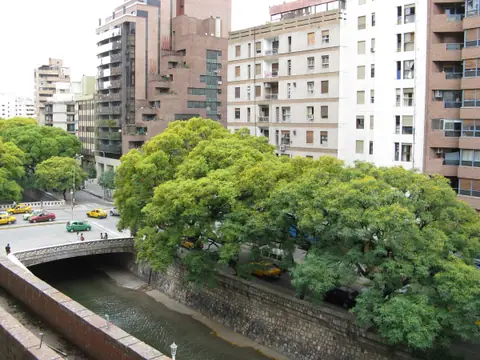
Barrio Güemes and Arroyo La Cañada Walking Circuit
Córdoba, Argentina
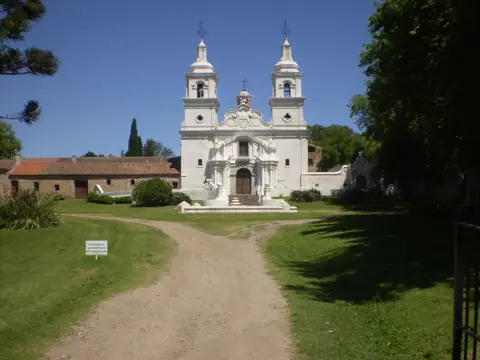
Jesús María, Alta Gracia, and Santa Catalina Jesuit Estancias Guide
Córdoba, Argentina
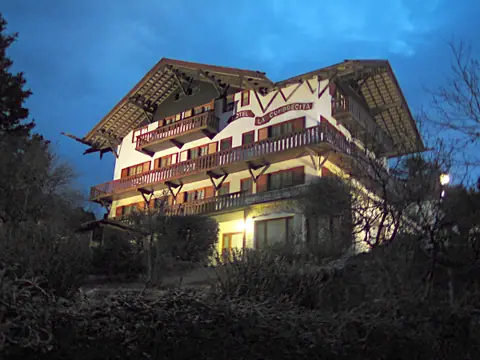
Calamuchita Valley: Villa General Belgrano and La Cumbrecita Excursion
Córdoba, Argentina
