Photo: Eneas De Troya
Three Days in La Paz: Historic Canyon, Urban Cableways and Tiwanaku
We navigate dramatic canyon topography, silent electric cableways, and ancient high-altitude ruins across three balanced days in western Bolivia.
Arriving in this high Andean basin requires deliberate movement and steady pacing. We start our first morning deep inside the natural bowl, where centuries of architectural layers cling to steep slopes. Cobbled alleys lead toward colonial facades, quiet interior courtyards, and busy market lanes that reveal local trading customs. Wandering along Calle Jaén introduces historic whitewashed walls, iron lanterns, and independent municipal galleries. We pause regularly to let our bodies adapt comfortably to the thin mountain air.
By early afternoon, we cross over to Plaza Murillo to observe civic life around the governmental palace and central cathedral. The contrasting 19th-century architecture gives perspective on modern political history before we continue into market avenues. You can review our detailed La Paz city notes before exploring the nearby herb and artisan stalls. The surrounding trade stalls display traditional textiles, dried remedies, and ritual offerings crafted by regional Aymara vendors.
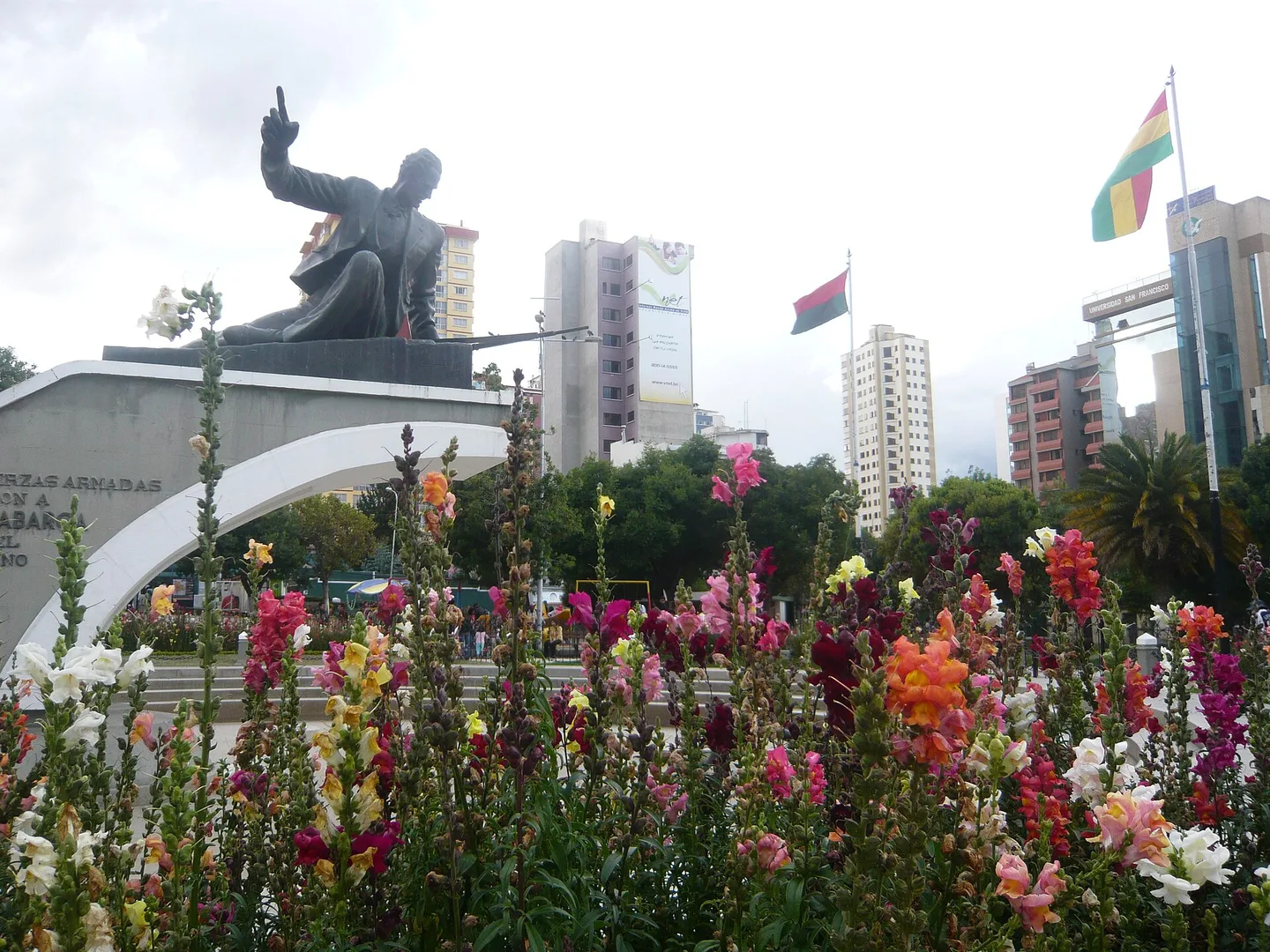
We spend the late afternoon taking an easy downhill amble toward the bohemian enclave of Sopocachi. Leafy rest spots around Plaza Avaroa offer park benches shaded by tall trees, ideal for slow conversation. Small independent coffee houses and regional kitchens cluster along these quieter avenues. Settling here allows us to enjoy warm quinoa soups, local cheese pastries, and soothing herbal infusions as twilight settles.
Day Two: Mi Teleférico Lines and High El Alto Vistas
We dedicate our second morning to the aerial transit network that threads the entire mountain valley. Boarding smooth cabins on the lower lines carries us above red-brick neighbourhoods and precipitous dirt gullies. The silent transit glide removes urban street friction, granting sweeping panoramas of snow-dusted Andean peaks across the horizon. Check specific route connections in the practical details below before mapping your transfers.
Ascending to the northern rim brings us into the wide high plains of El Alto. Here, innovative multi-storey mansions showcase brilliant geometric colours and bold neo-Andean architectural flourishes. We walk carefully through open street markets selling mountain produce, hand-knitted woollens, and metal hardware. Consulting our overview of curated attractions in La Paz highlights key civic landmarks across this sprawling upper plain.

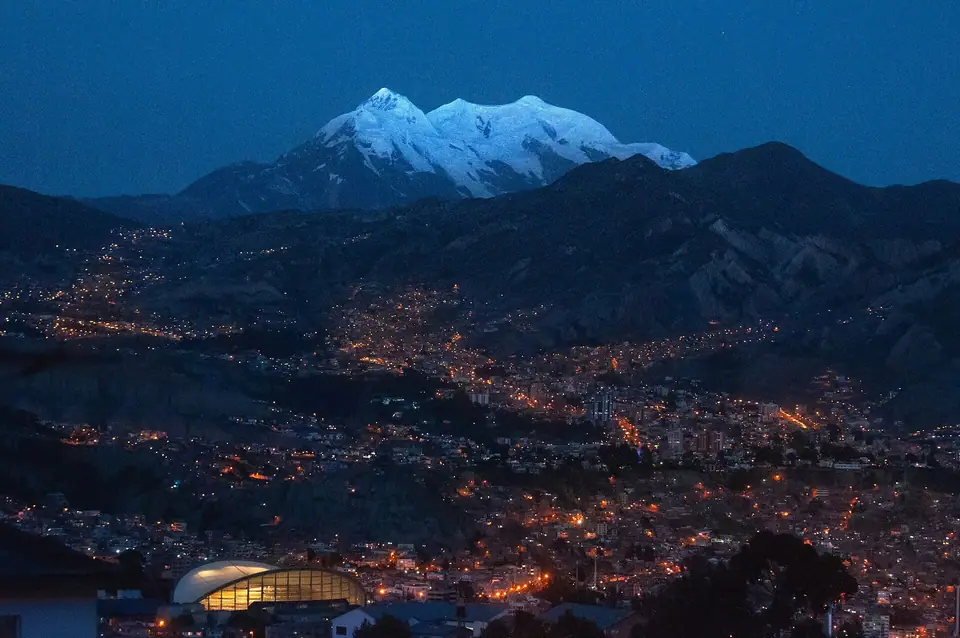
Riding the western cable lines downhill as dusk approaches reveals thousands of glowing domestic lights across the canyon walls. The urban bowl transforms into a field of amber dots framed by the majestic silhouette of Mount Illimani. We complete the transit loop back down in the central district, finding traditional dining halls serving roasted meats and potato dishes.
Day Three: Ancient Tiwanaku and Altiplano Stone Craft
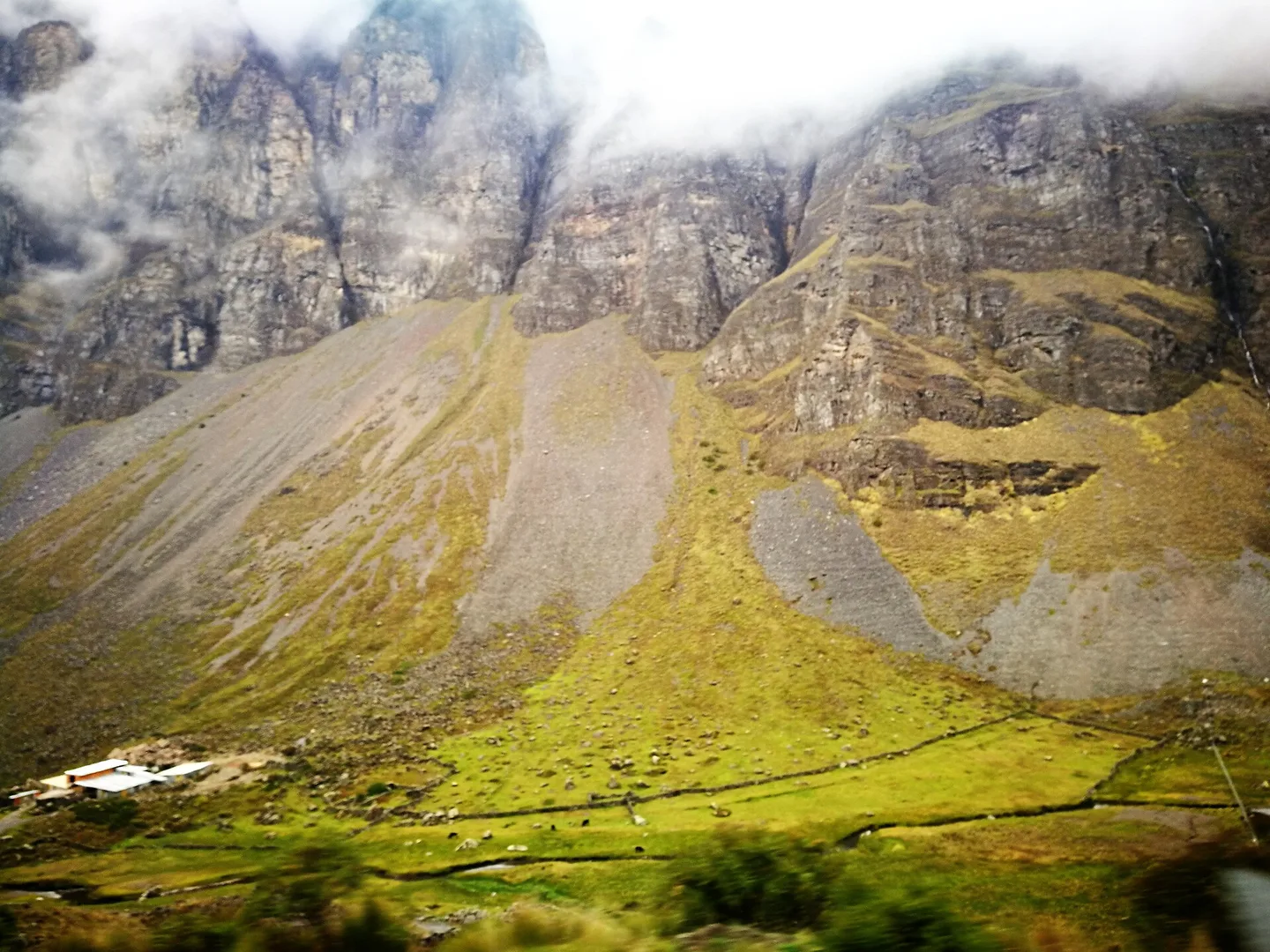
Our third day begins with an early overland journey across the Altiplano toward the archaeological site of Tiwanaku. The barren plateau landscape stretches under broad skies, bordered by grazing llama herds and remote farming hamlets. Reaching this sacred valley reveals the architectural genius of an empire that flourished long before the Incas arrived. Find entry advice and practical transit details in the section below.
We walk through the monumental Akapana pyramid platform before approaching the subterranean temple courtyard. Carved stone heads emerge from sandstone walls, displaying distinctive ancestral facial traits and expressions. Nearby, the Sun Gate presents elaborate low-relief carvings depicting sacred staff-bearing figures and solar iconography. The sheer precision of the massive andesite joinery demonstrates sophisticated prehistoric masonry techniques.
The on-site ceramic and lithic museums offer vital context regarding regional trade routes, religious rituals, and urban agriculture. We spend a quiet hour studying delicate clay vessels, bronze tools, and carved stone monoliths before departing. Returning eastward across the high plains brings us back to the canyon rim just as the sun sets over the snowy cordillera.
Planning Flow, Pace, and Essential Field Logistics
Managing three full days at extreme elevation requires structured daily schedules that balance physical walking with vehicular transport. We recommend keeping daytime commitments focused within defined geographical sectors to prevent unnecessary uphill climbs on foot. Reviewing practical guidance on transport links to La Paz helps coordinate arrival flight intervals with our proposed walking route.
| Itinerary Stage | Primary Focus | Transit Method | Physical Effort |
|---|---|---|---|
| Day One | Colonial streets and historic plazas | Pedestrian walking | Moderate incline |
| Day Two | Valley lookouts and El Alto architecture | Mi Teleférico cable network | Gentle stepping |
| Day Three | Archaeological ruins of Tiwanaku | Overland bus or private car | Flat walking |
To avoid sudden fatigue, we advise travellers to adopt several sensible personal habits while exploring the capital:
- Drink plenty of still bottled water throughout the day to support gradual acclimatisation.
- Rely on aerial cableways rather than steep roadside footpaths when traversing contrasting district elevations.
- Wear layered woollen garments to adapt readily to sharp shifts between midday sunshine and cold evening air.
By respecting the mountain terrain and pacing each day thoughtfully, we encounter the full cultural breadth of this singular Andean landscape.
Official prices and opening hours
- Mi Teleférico Cable Car Network (La Paz – El Alto)Official site ↗
- Tiwanaku UNESCO Archaeological Site & MuseumsOfficial site ↗
Where it is
- 1La Paz
- El Alto International Airport (LPB) · about 6 km from La Paz in a straight line
- Directions in Google Maps
Stations and taxi ranks: OpenStreetMap. Airports: OurAirports. Distances are in a straight line.
Traveller tips
Real advice from people who have been to La Paz. Every tip is read by our team before it goes live.
No tips yet. Been here? Yours could be the first.
Thank you! Your tip will appear here after a quick review.
More in La Paz
Continue exploring La Paz with related neighbourhood, food, and planning guides
La Paz: Navigating Canyon Heights and Urban Altitude
La Paz, Bolivia
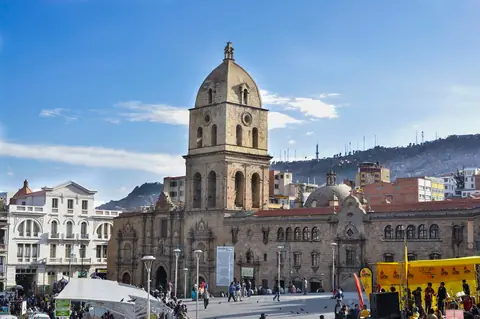
Things to Do in La Paz: Urban Cable Cars, Historic Markets and High Altiplano Day Trips
La Paz, Bolivia
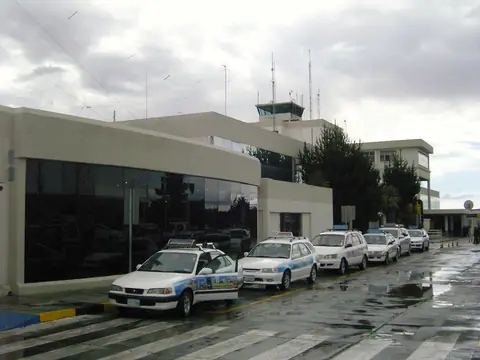
Arriving in La Paz: Flights to El Alto and Overland Andean Routes
La Paz, Bolivia
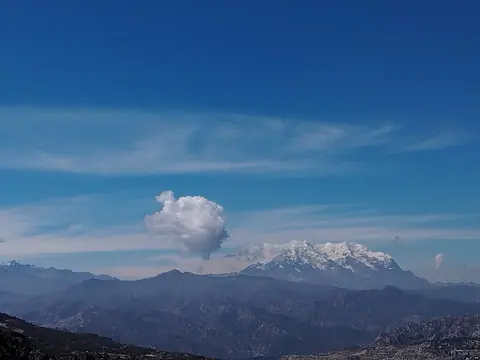
Best Time to Visit La Paz: Dry Andean Winter Skies, Gran Poder and Seasonal Normals
La Paz, Bolivia
