Photo: Tamorlan
What to Eat in La Paz: Salteñas, Anticuchos and Andean Street Dining
High-altitude street stalls and neighbourhood markets across La Paz dish up savoury baked salteñas alongside hearty Andean comfort foods.
Stepping out onto the steep pavements of the Andean basin introduces travellers to a rich food culture defined by high mountain produce and communal warmth. Local culinary habits revolve around distinct parts of the day, beginning with baked pastries and transitioning to steaming broth at market tables. Before setting out across the canyon on foot, look over the La Paz field guide to familiarise yourself with district layouts and walking routes. High-elevation dining requires hearty carbohydrates, sweet corn varieties, and warming spices that sustain mountain life throughout the year.
Salteña Rituals and the Midday Pastry Culture
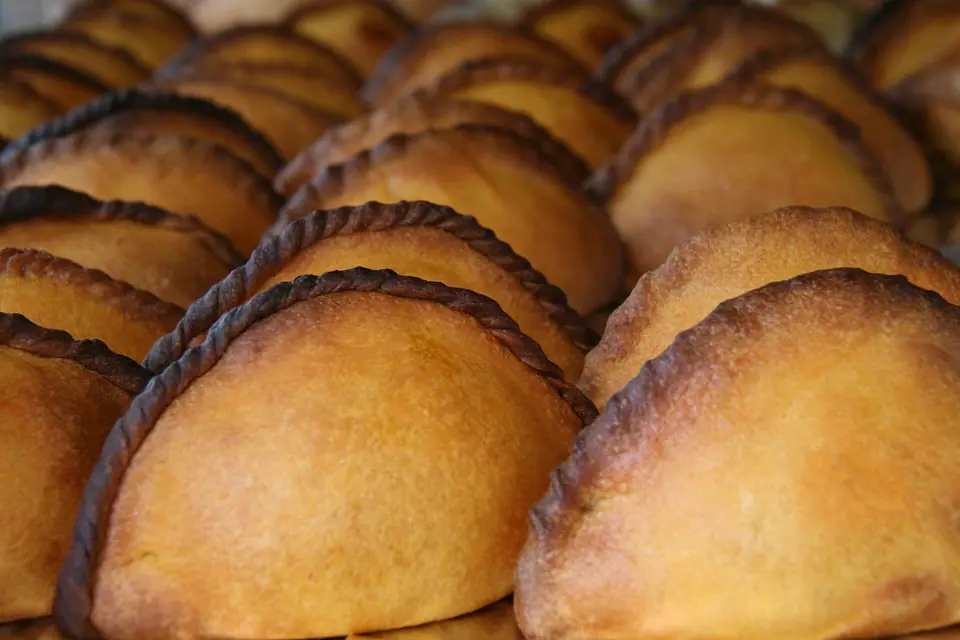
The salteña stands as Bolivia's most celebrated mid-morning snack, baked within an oval shell of slightly sweet, braided golden pastry. Inside this crisp crust sits a rich stew of diced beef or chicken, potatoes, peas, olives, and a spiced gelatinous gravy. Because the internal stew melts into hot broth during baking, eating one requires a specific technique to avoid spilling the juice down your sleeves. Locals carefully nibble the braided seam at the top, sip the savoury liquid, and spoon the remaining filling directly into their mouths.
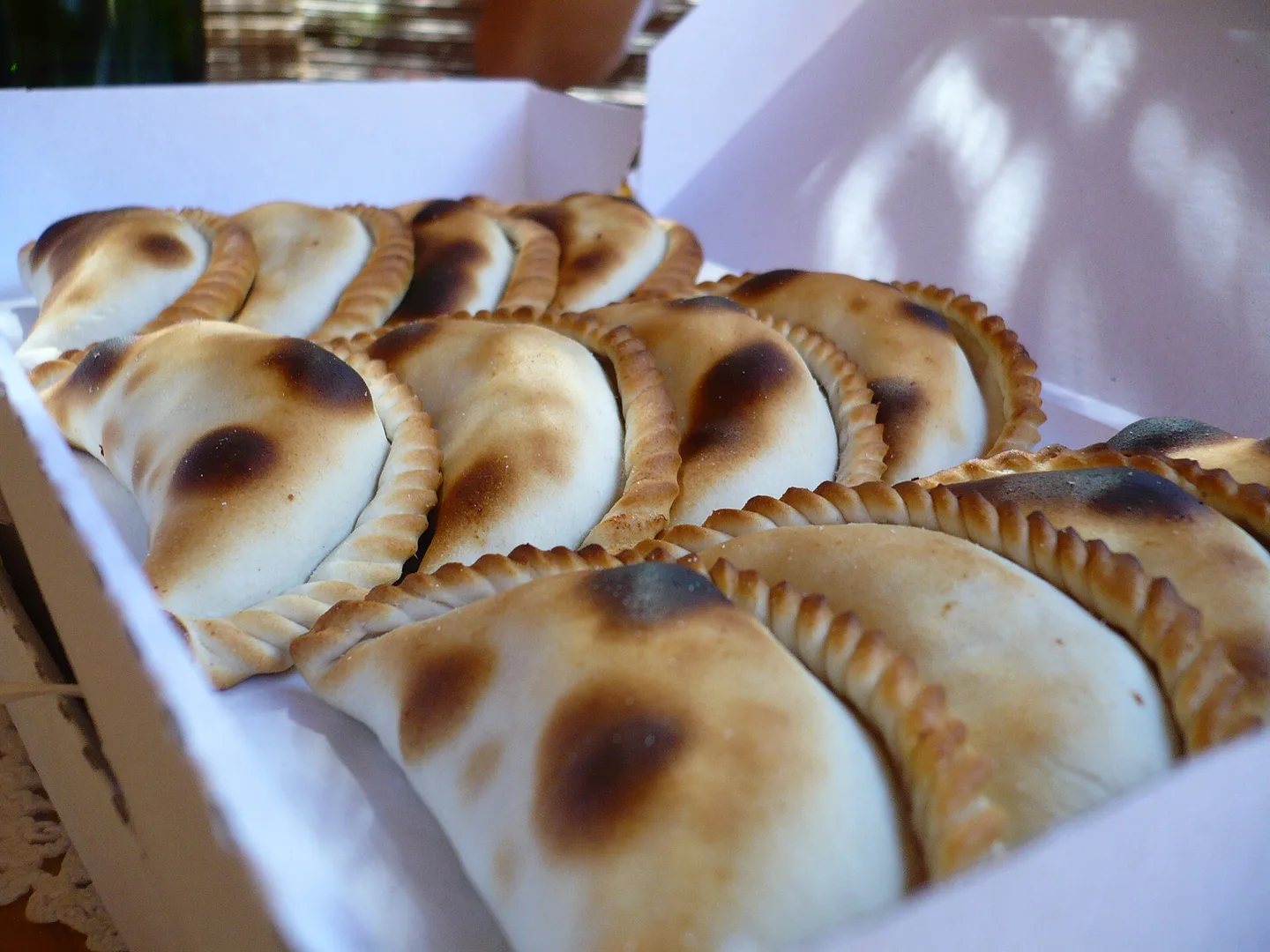
Bakeries and street carts prepare these savoury parcels at dawn and typically sell out well before noon. You will spot office workers and school children gathered on street corners, balancing paper napkins while enjoying their midday repast. Pair your savoury pastry with a mild chilli salsa known as llajwa, freshly crushed on stone grinders using rocoto chillies and aromatic herbs. The contrast between slightly sweet dough and piquant braised meat demonstrates the nuanced seasoning typical of traditional paceño kitchens.
Market Kitchens and the Hearty Plato Paceño
Covered neighbourhood markets house active comedores populares where rows of wooden benches welcome diners for wholesome midday lunches. These communal market kitchens offer affordable two-course meals centred on seasonal vegetables and Andean root crops. The definitive local feast remains the plato paceño, an abundant plate that celebrates local harvest produce from the surrounding valleys. Unlike many heavy South American platters, this traditional specialty features no red meat, focusing entirely on native staples.

A classic plato paceño combines whole cobs of giant-kernel choclo corn, tender broad beans boiled in their skins, and boiled native potatoes. A generous slice of salty country cheese is fried in a shallow pan and laid across the steaming hot vegetables. The entire dish comes crowned with fresh spoonfuls of spicy llajwa salsa to enhance the natural sweetness of the garden corn. While walking between dining spots, visitors can check things to do around La Paz to link historic markets with nearby city plazas.
| Dish Name | Primary Elements | Ideal Time to Eat |
|---|---|---|
| Salteña | Braised meat, potatoes, spiced broth, braided pastry | Mid-morning snacks |
| Plato Paceño | Choclo corn, broad beans, potatoes, fried cheese | Midday market lunch |
| Anticucho | Skewered beef heart, roasted potato, spicy peanut sauce | Evening street dining |
| Api con Pastel | Purple maize beverage, cloves, giant fried cheese turnover | Late afternoon warm-up |
Market comedores also serve restorative soups that help travellers adapt comfortably to the thin mountain atmosphere. Chairo paceño remains the most popular choice, featuring shredded lamb or beef simmered with dried chuño potatoes, wheat kernels, and mint. Chuño, a naturally freeze-dried potato produced by frosty Altiplano nights, adds a distinct earthy flavour and pleasant chewy bite to the rich broth. Eating alongside market traders offers genuine insight into domestic food ways.
Evening Skewers and Sizzling Street Stalls
As darkness settles over the steep canyon walls, the aromas of glowing charcoal braziers drift through chilly residential street corners. Street vendors push portable metal carts onto pavements, setting up folding stools around small flickering flames. The signature evening street dish is the anticucho, consisting of thinly sliced beef heart marinated in garlic, cumin, and vinegar. Sizzled rapidly over high charcoal heat, the skewers remain remarkably tender while acquiring a fragrant smoky char.
Vendors thread each skewer with a small parboiled potato that chars alongside the meat directly over the coals. The skewer is then drizzled generously with a creamy, spicy peanut sauce called salsa de maní. Diners eat anticuchos standing beside the grill, balancing skewers over small plastic bags while chatting with the cook. For those seeking late night nourishment, street kiosks also serve silpancho, featuring a breaded beef cutlet over rice with fried eggs and beets.
- Anticuchos: Marinated skewered beef heart served hot from glowing street grills with spicy peanut cream.
- Relleno de papa: Mashed potato croquettes filled with seasoned minced beef and hard-boiled egg before frying.
- Sandwich de chola: Crusty bread roll packed with slow-roasted pork leg, crispy crackling, and pickled vegetables.
- Sopa de maní: Velvety soup made from crushed raw peanuts, simmered with beef ribs and crispy fried potatoes.
Highland Spirits and Aromatic Regional Sips
Drinking traditions in the mountain capital match the comforting warmth of its hearty plates. The national spirit is singani, an aromatic white brandy distilled exclusively from white Muscat of Alexandria grapes grown in southern valleys. Locals celebrate social gatherings with the chuflay, a refreshing highball mixing singani with ginger ale, ice, and freshly squeezed lime wedges. Another favourite cocktail is the yungueño, which blends the grape spirit with fresh sweet orange juice and simple syrup.
For afternoon refreshment on brisk days, street stalls offer steaming glasses of api, a thick spiced drink prepared from ground purple corn. Flavoured with cinnamon bark, orange peel, and cloves, api is traditionally paired with a massive, airy fried pastry called a pastel. Inside the hollow fried dough sits a small pocket of salty melted cheese that contrasts against the sweet purple maize. Herbal infusions like muña mint and coca leaf tea round out evening meals, calming the stomach after a long day.
Official prices and opening hours
- Mi Teleférico Cable Car Network (La Paz – El Alto)Official site ↗
- Tiwanaku UNESCO Archaeological Site & MuseumsOfficial site ↗
Where it is
- 1La Paz
- El Alto International Airport (LPB) · about 6 km from La Paz in a straight line
- Directions in Google Maps
Stations and taxi ranks: OpenStreetMap. Airports: OurAirports. Distances are in a straight line.
Traveller tips
Real advice from people who have been to La Paz. Every tip is read by our team before it goes live.
No tips yet. Been here? Yours could be the first.
Thank you! Your tip will appear here after a quick review.
More in La Paz
Continue exploring La Paz with related neighbourhood, food, and planning guides

Best Time to Visit La Paz: Dry Andean Winter Skies, Gran Poder and Seasonal Normals
La Paz, Bolivia

Where to Stay in La Paz: Sopocachi, Casco Viejo and Zona Sur
La Paz, Bolivia

Three Days in La Paz: Historic Canyon, Urban Cableways and Tiwanaku
La Paz, Bolivia
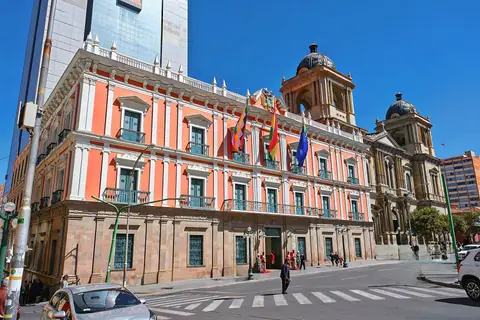
Plaza Murillo: The Cathedral Basilica, Palacio Quemado and Clock of the South
La Paz, Bolivia
