Photo: Parallelepiped09
Where to Stay in La Paz: Sopocachi, Casco Viejo and Zona Sur
Choosing the right district in La Paz balances steep topography, altitude comfort, cable car connectivity, and local dining options across distinct neighbourhoods.
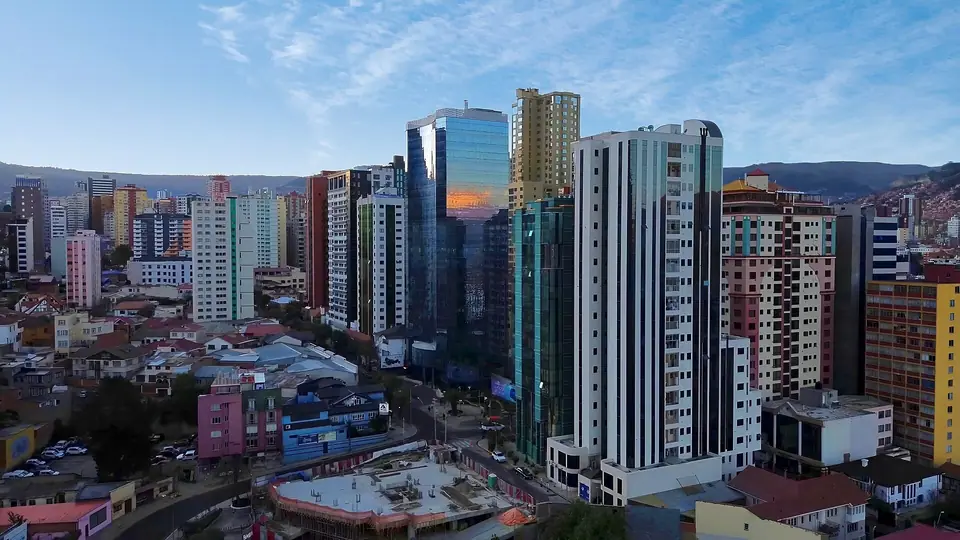
Finding an ideal base in the world's highest administrative capital requires balancing elevation against urban mobility. The city rests within a steep canyon basin where different neighbourhoods offer noticeably varied microclimates, street gradients, and cultural rhythms. Staying at lower elevations softens early altitude headaches, whilst staying central keeps key attractions within a straightforward stroll.
Sopocachi: Bohemian Comfort and Central Transit
Sopocachi remains the most favoured district for independent travellers seeking a pleasant urban pace. This leafy residential quarter features quiet side streets, independent coffee houses, art galleries, and modern apartment blocks. It sits halfway down the canyon basin, granting moderate elevation relief compared to the higher rim above.
The district gathers around green spaces such as Plaza Abaroa and Plaza España, where locals meet beneath mature trees. Travellers staying here gain convenient access to local dining, boutique grocery shops, and evening cocktail lounges without excessive road noise. Stepping out in the morning offers easy walks to bakeries and fresh produce stalls along peaceful pavements.
Cable car connectivity in Sopocachi is among the best in the bowl. Lines converge along the ridge, allowing you to bypass steep road climbs entirely when travelling toward the commercial centre. When planning local travel sequences, check our La Paz things to do notes to align cable car lines with key museums across the valley.
Casco Viejo: Heritage Streets and Immediate Sights
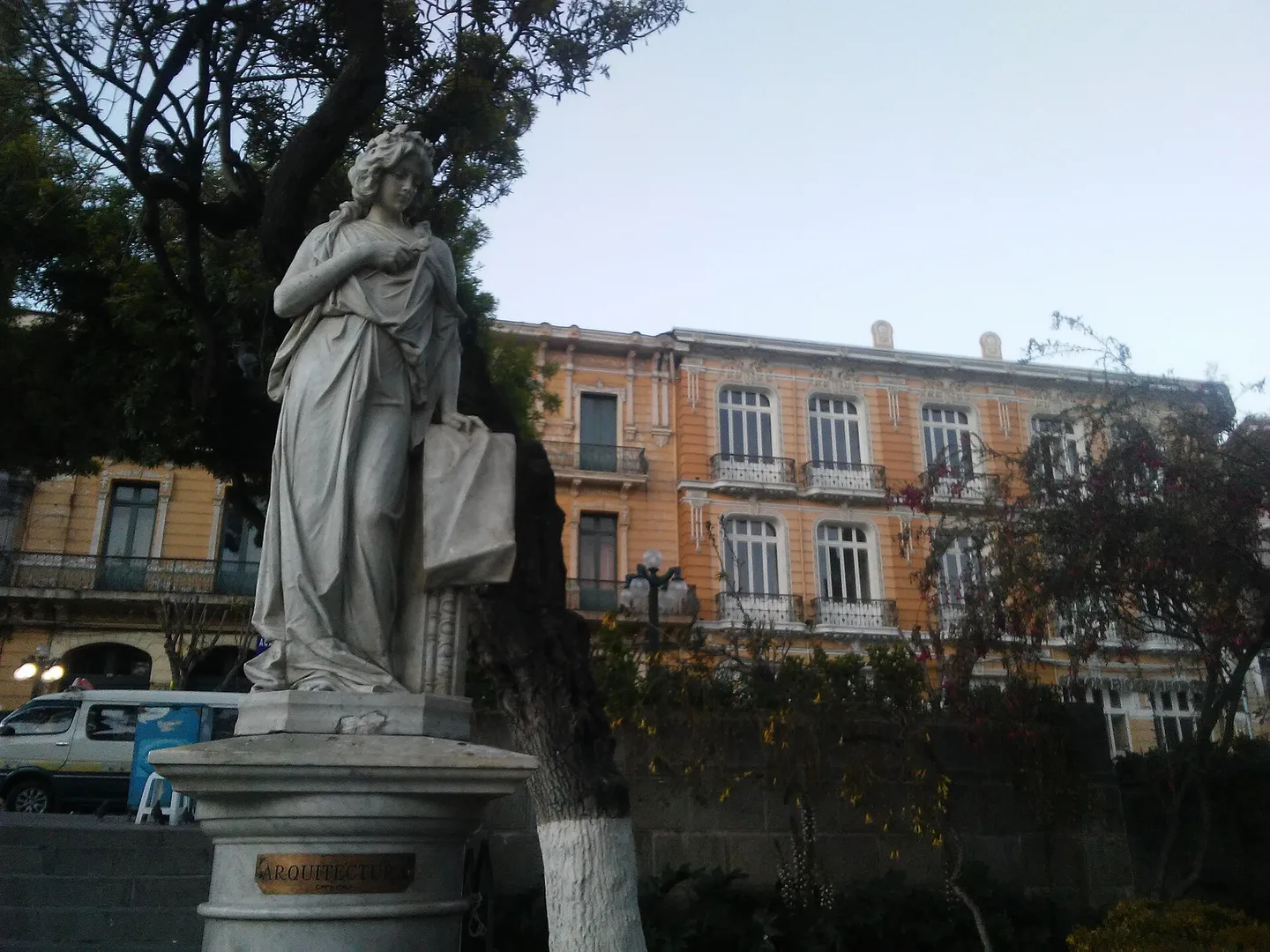
The historic core, known as Casco Viejo, surrounds Plaza Murillo and the grand colonial church of San Francisco. Choosing accommodation in this central quarter places you steps away from political landmarks, artisan craft stalls, and lively pedestrian avenues. It is the natural choice for visitors with limited time who prioritise direct street access to primary museums.
Street life here is energetic throughout the daylight hours, with street food vendors, commuters, and market traders filling the pavements. Many traditional properties occupy restored republican courtyards or compact multi-storey townhouses. The compact geography means you rarely need taxis to visit the city's oldest architectural sights.
However, the historic centre sits higher in the basin and features intense traffic along narrow cobblestone passages. The steep uphill climbs can quickly test unacclimatised lungs after a single block. Travellers arriving straight from sea level should factor in physical exertion when hauling luggage up steep stone alleys.
Zona Sur: Lower Altitudes and Modern Residential Ease
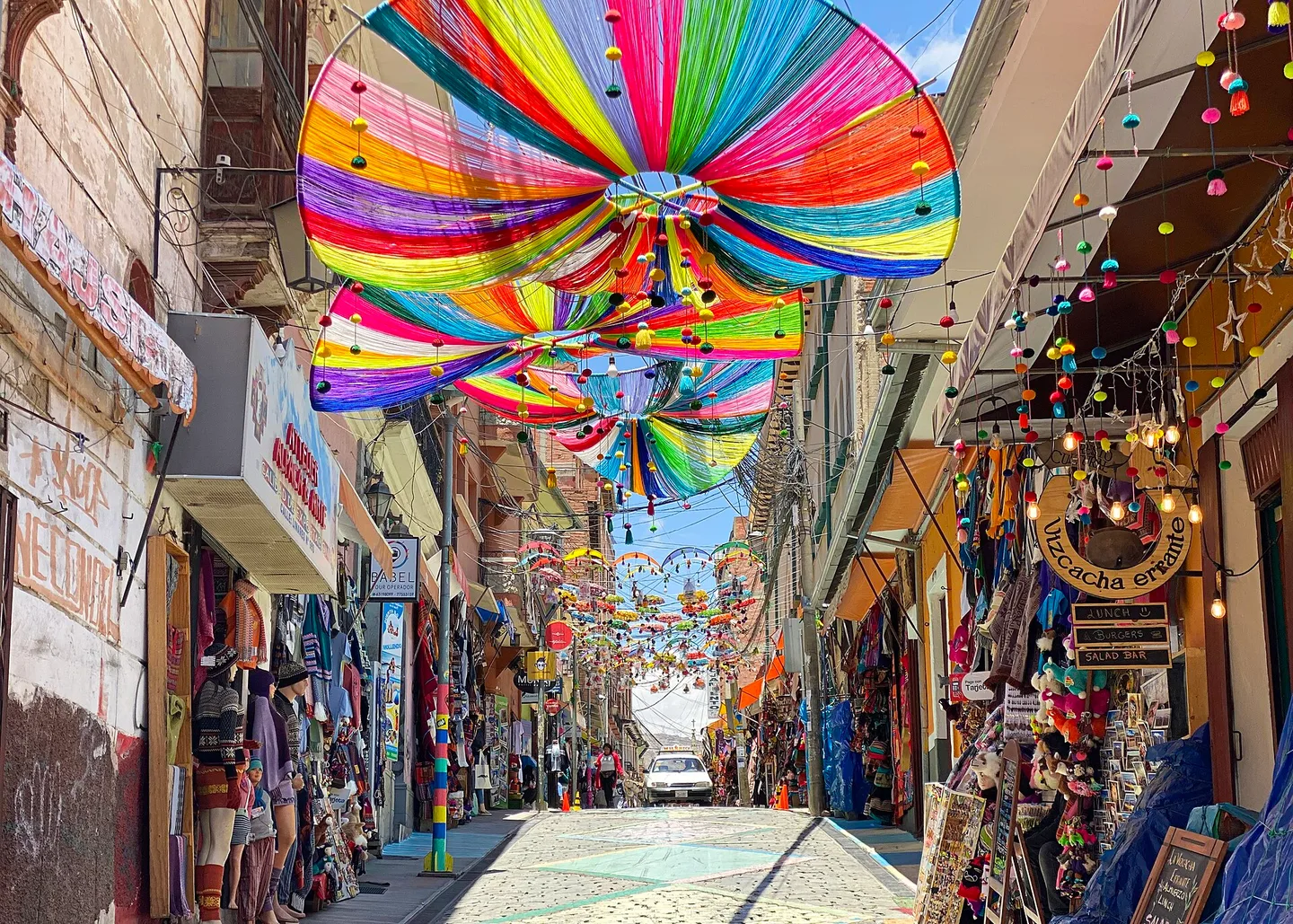
Zona Sur encompasses modern residential neighbourhoods including Calacoto, San Miguel, and Achumani. These districts sit significantly lower in the canyon floor, creating a milder, sunnier climate with visibly warmer afternoon temperatures. Travellers sensitive to thin air often select this southern enclave to acclimatise in comfort during their opening days.
Wide avenues, contemporary shopping complexes, and international embassies define the southern streetscape. The area feels removed from the rugged grit of the northern basin, providing calm streets and international restaurants. Modern hotels here feature full amenities, tranquil internal courtyards, and level walking circuits that avoid punishing gradients.
The main trade-off is distance from the historic quarter and central markets. Reaching the civic centre requires either a taxi journey along the main highway or a scenic ride up through the integrated aerial cable network. If you plan to land at the international airport, browse how to get to La Paz to map route transfers directly down to the south.
Neighbourhood Comparison and Route Practicalities
Selecting the best location depends on your tolerance for high elevation, walking endurance, and overall travel style. The historic quarter suits fast-paced sightseers, Sopocachi suits culture lovers, and Zona Sur caters to those who value gentle acclimatisation and restful nights.
| Neighbourhood | Primary Character | Elevation Profile | Best For |
|---|---|---|---|
| Sopocachi | Bohemian, leafy, culinary | Mid-elevation canyon basin | Independent travellers and food lovers |
| Casco Viejo | Historic, dense, energetic | High-elevation bowl | Short visits and walking access to sights |
| Zona Sur | Modern, calm, upscale | Lowest elevation in the valley | Acclimatisation, families, and quiet stays |
To maximise your comfort across the city, keep these practical points in mind before reserving your room:
- Select upper-floor rooms in Casco Viejo to minimise street traffic rumble during morning rush hours.
- Verify proximity to an aerial cable car station to eliminate exhausting uphill road climbs.
- Allow two full days of relaxed rest if sleeping in the higher central districts upon arrival.
- Consider splitting your stay between Zona Sur for rest and Sopocachi for urban exploration.
Each district reveals an entirely different aspect of this high-altitude metropolis. Matching your accommodation to your daily pace helps you experience the canyon's dramatic character with genuine comfort.
Official prices and opening hours
- Mi Teleférico Cable Car Network (La Paz – El Alto)Official site ↗
- Tiwanaku UNESCO Archaeological Site & MuseumsOfficial site ↗
Where it is
- 1La Paz
- El Alto International Airport (LPB) · about 6 km from La Paz in a straight line
- Directions in Google Maps
Stations and taxi ranks: OpenStreetMap. Airports: OurAirports. Distances are in a straight line.
Traveller tips
Real advice from people who have been to La Paz. Every tip is read by our team before it goes live.
No tips yet. Been here? Yours could be the first.
Thank you! Your tip will appear here after a quick review.
More in La Paz
Continue exploring La Paz with related neighbourhood, food, and planning guides
Best Time to Visit La Paz: Dry Andean Winter Skies, Gran Poder and Seasonal Normals
La Paz, Bolivia
Three Days in La Paz: Historic Canyon, Urban Cableways and Tiwanaku
La Paz, Bolivia

What to Eat in La Paz: Salteñas, Anticuchos and Andean Street Dining
La Paz, Bolivia
Plaza Murillo: The Cathedral Basilica, Palacio Quemado and Clock of the South
La Paz, Bolivia
