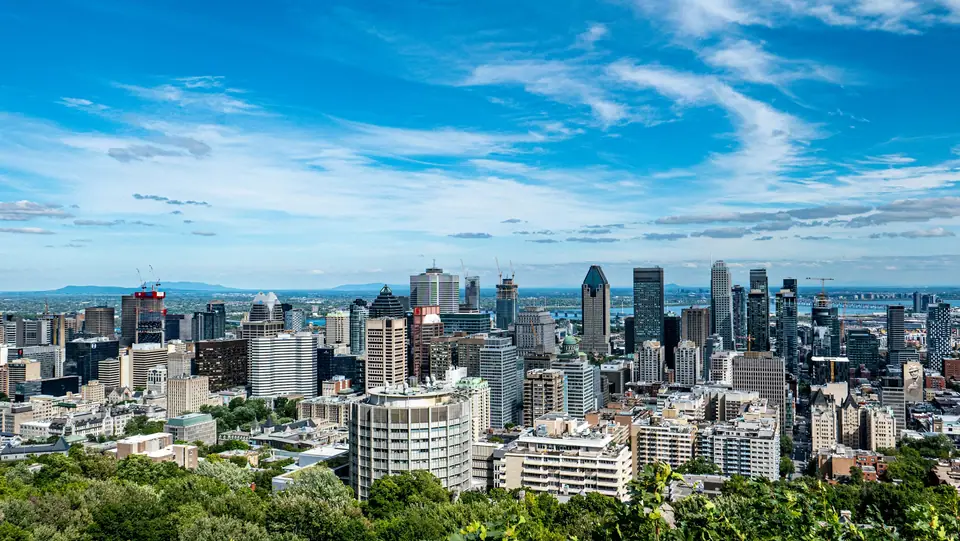
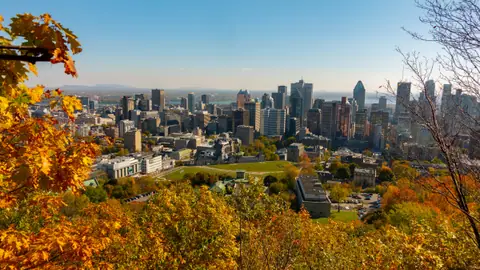
Photo by Grant Van Cleemput on Unsplash
Montreal
Discover Montreal through bilingual neighbourhoods, efficient underground Metro lines, historic Old Port quays, and sweeping park trails above the Saint Lawrence River.
Quick decisions
How many days?
Set aside three to four days to explore Old Montreal, Mount Royal, local food markets, and cultural galleries at a measured pace. Follow our Montreal 3-day itinerary for a structured schedule.
Where should I stay?
Choose Downtown for direct rail links and sheltered underground access. Pick Plateau-Mont-Royal for quiet avenues with distinctive iron staircases. Compare neighbourhood options in our Montreal accommodation guide.
Do I need a car?
You do not need a private car within the central island. Metro trains, frequent buses, and walkable pavements make driving unnecessary. Save car rentals for journeys into the Laurentian countryside.
Best for
Travellers who value French-language heritage, historic stone architecture, distinct urban neighbourhoods, and public parklands along a major river corridor.
Before you go
Winter temperatures drop to -13.2°C in January, while July averages 26.5°C. Pack warm footwear, thermal base layers, and windproof coats. Study seasonal clothing tips in our Montreal packing guide.
Getting around
Ride the four STM Metro lines connecting through central transfer hubs. Buy multi-day tickets or single fares at station kiosks. Find airport bus routes in our Montreal transit guide.
Continue your trip
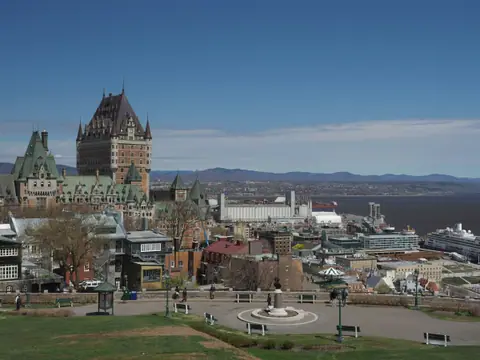
Board direct VIA Rail passenger trains from Montreal Central Station to discover French-speaking ramparts along the Saint Lawrence River. Plan onward connections using our Quebec City day trip guide.
Overview
Montreal stands on a large island at the confluence of the Saint Lawrence and Ottawa rivers. The city blends centuries of French civic tradition with modern North American urban planning. Stone townhouses line narrow lanes along the waterfront, while clean glass skyscrapers rise along inland avenues. Bilingual street life gives every neighbourhood a distinct atmosphere where French and English mingle naturally in shops and cafés.
The urban fabric changes rapidly between districts. Pedestrians wander from colonial squares in the south to tree-lined residential avenues in the north. Above the skyline rises Mount Royal, a wooded hill offering quiet forested walking tracks and broad lookouts. Efficient public services make Montreal one of the most accessible and practical large cities to navigate across eastern Canada.
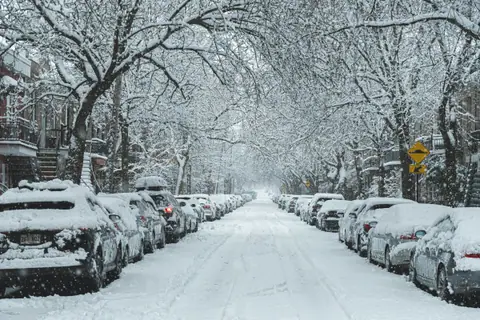
Distinct seasonal swings shape outdoor schedules throughout the year. Winter brings sustained freezes, with January recording daytime highs of -4.3°C, overnight lows around -13.2°C, and snowy spells across roughly 12 wet days. Spring thaws roads steadily through April before warm breezes return in May. Peak summer in July brings afternoon warmth averaging 26.5°C alongside occasional passing showers, followed by mild sunlit September days and crisp late-autumn chill in November.
Getting there
Arriving travellers reach the city via Montreal-Trudeau International Airport located west of the central core. The express STM 747 shuttle bus runs around the clock between passenger terminals and downtown transport hubs. For domestic and cross-border rail, VIA Rail and Amtrak trains arrive directly at Montreal Central Station underneath the commercial district.
Getting across the city centre relies on the four-line rubber-tyred STM Metro system. Beneath downtown streets lies the RESO underground pedestrian network, connecting stations, office towers, and shopping concourses. This climate-controlled system protects walkers from harsh winter winds and heavy snow. Check ticketing options and route connections before travelling across the island.
Where to stay
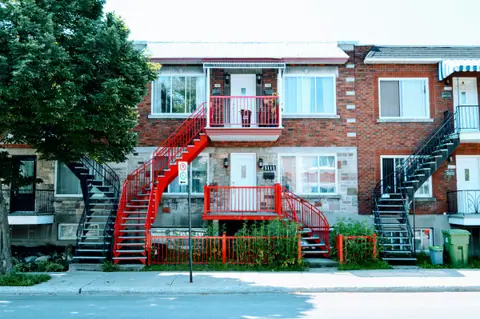
Downtown Montreal suits travellers who prioritise quick transit access and direct rail links. Staying here places you within easy walking distance of the central railway station and underground concourses. If you prefer quiet residential surroundings with character, consider Plateau-Mont-Royal. Its streets feature leafy canopies, local bakeries, and exterior spiral staircases that define regional domestic architecture.
Old Montreal offers boutique hotels set inside restored eighteenth-century warehouses and stone banking halls. Cobblestone pavements make rolling heavy luggage slightly slower, yet the riverfront promenade sits right on your doorstep. Compare each district thoroughly in our Montreal neighbourhood guide before reserving your room.
Things to do
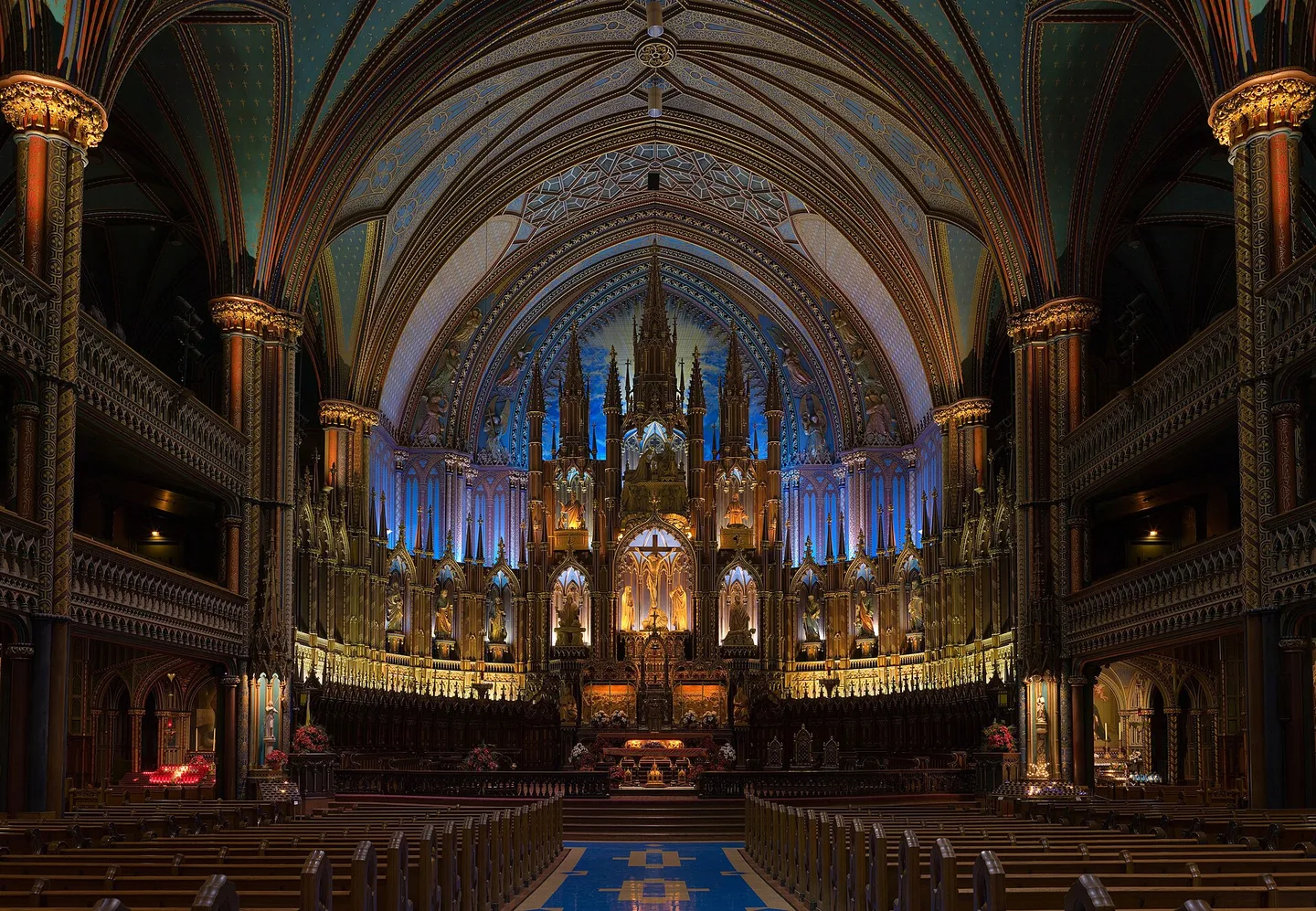
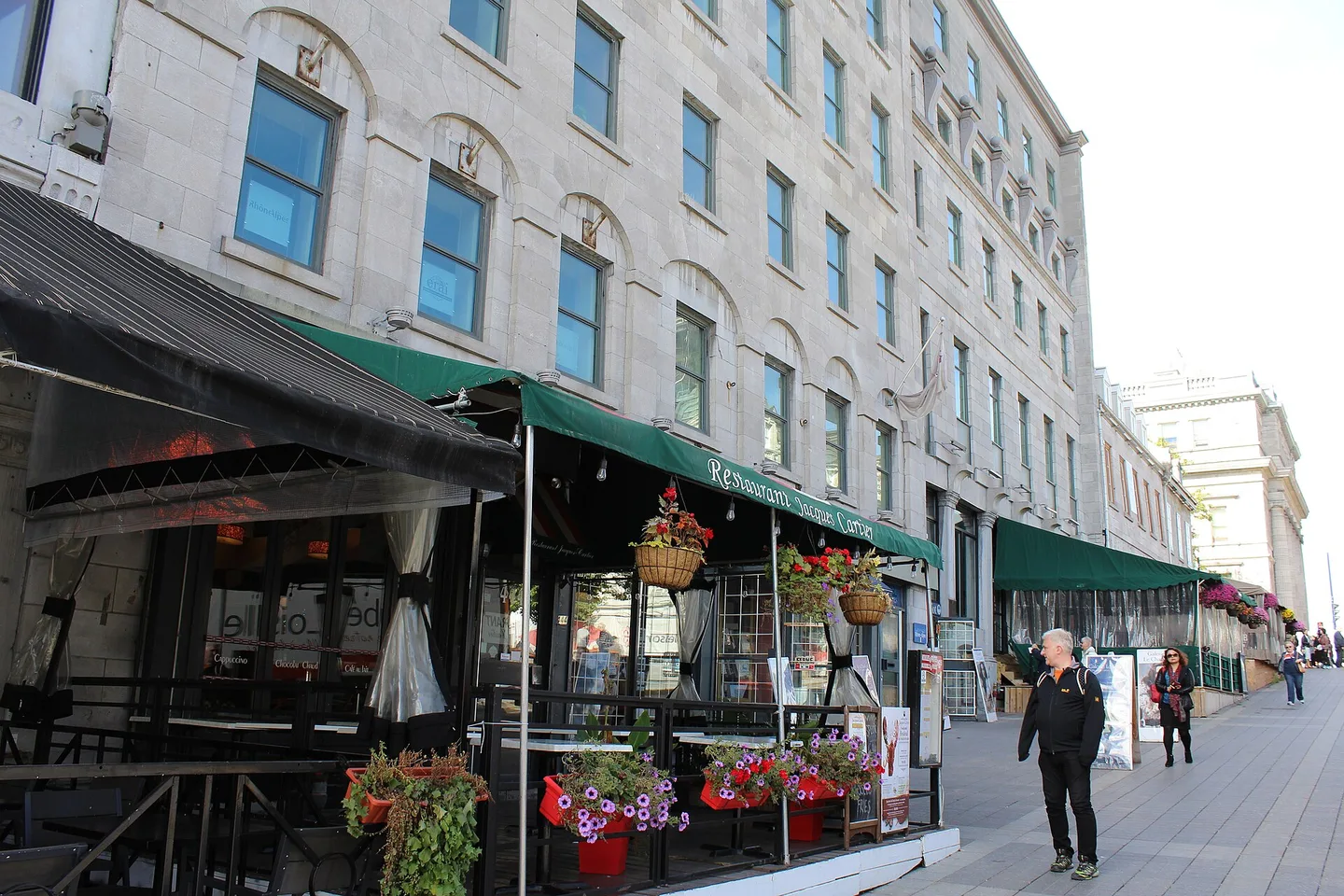
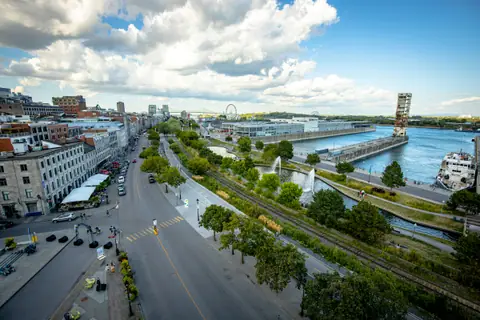
Begin your morning in Old Montreal, where historic quays meet neoclassical stone landmarks. Walk through Place Jacques-Cartier towards the waterfront, then admire the Gothic Revival facade of Notre-Dame Basilica. Nearby, the Pointe-à-Callière Archaeology and History Complex showcases original colonial foundations preserved directly beneath the modern museum floor.
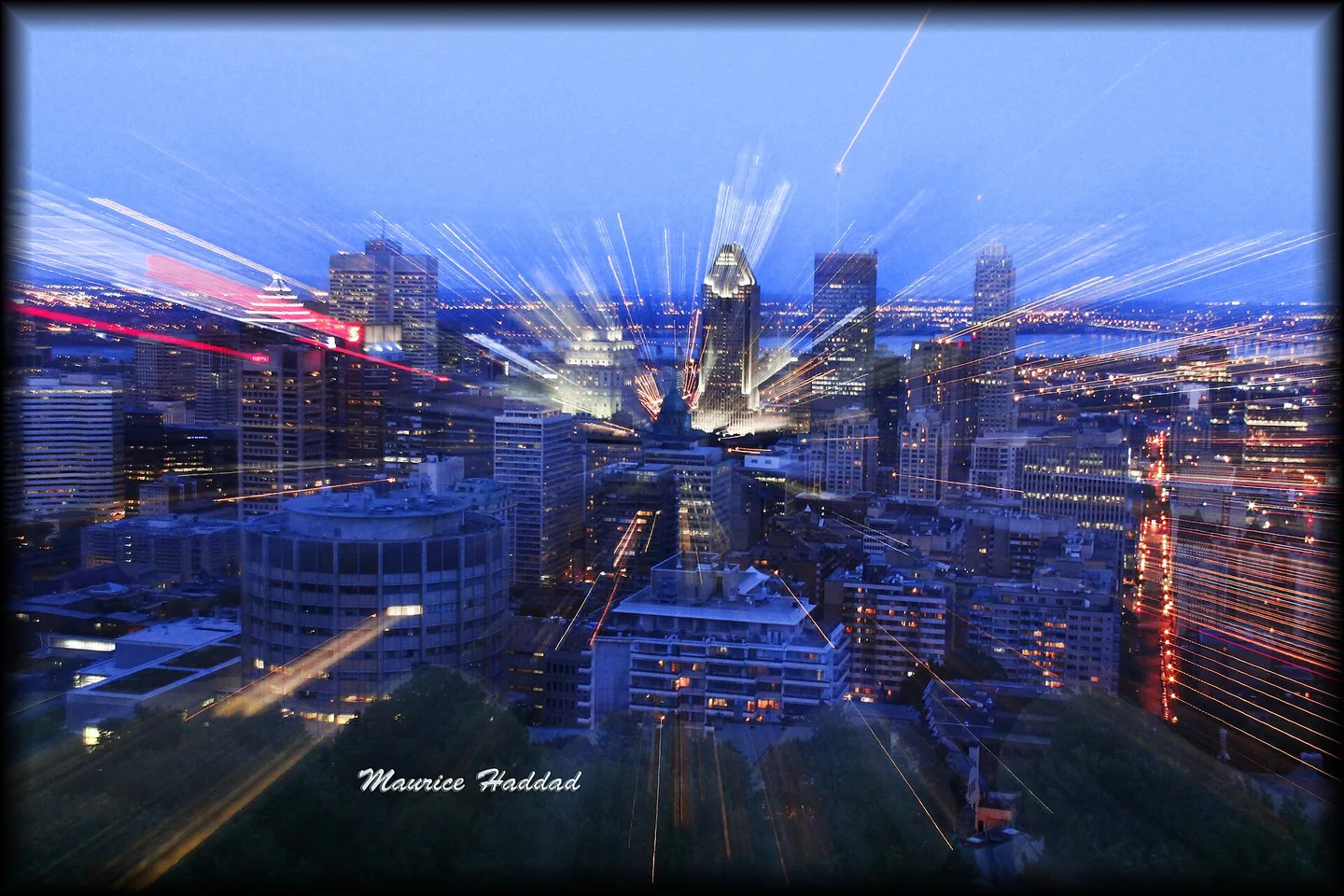
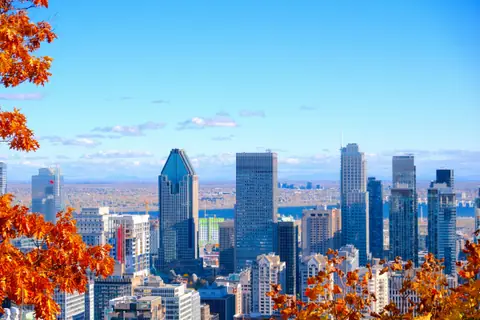
Ascend Mount Royal in the afternoon for sweeping panoramic views across the downtown towers and river bridges. Designed by Frederick Law Olmsted, the park contains winding trails leading up to the Kondiaronk Belvedere. Find detailed walking circuits and sight information in our dedicated Montreal activities guide and Old Montreal guide.
Food and drink
Montreal is known for distinct culinary traditions shaped by immigrant communities and French heritage. Fresh sesame bagels baked in wood-fired ovens define the Mile End neighbourhood, where bakeries operate around the clock. Classic delis serve cured smoked meat briskets carved by hand and piled high on rye bread with mustard.
The province of Quebec is also famous for poutine, combining crisp chips, fresh cheese curds, and rich hot gravy. For fresh produce, head north to Jean-Talon Market or west to Atwater Market. Both sites gather local cheesemakers, maple syrup producers, and seasonal fruit growers under wide open-air canopies.
Culture
French is the official language of Quebec and the primary language of public life across Montreal. A polite greeting in French, such as "Bonjour", opens shop interactions warmly before staff naturally switch between languages. Tipping customs follow standard North American practices, with fifteen to twenty percent added for restaurant table service.
Seasonal changes deeply influence urban rhythms. Winter brings deep freezes, requiring heavy boots and thermal layers, while summer fills pedestrianised streets with outdoor terrasses and music festivals. Organise your visits using our comprehensive Montreal travel guide to experience the cultural calendar in comfort.
Official prices and opening hours
- STM 747 Airport Bus & 24-Hour Metro PassOfficial site ↗
- Notre-Dame Basilica of Montreal (Vieux-Montréal)Official site ↗
- Pointe-à-Callière Archaeology and History ComplexOfficial site ↗
Weather by month
Montreal is warmest in July, with average highs around 27°C, and coldest in January, when nights drop to about -13°C. October is the wettest month by rainfall (126 mm), with rain on about 12 days. For mild weather with fewer rainy days, aim for May and September.
| Month | Low | Range | High | Rain | Rainy days |
|---|---|---|---|---|---|
| Jan | -13°C | -4°C | 78 mm | 12 d | |
| Feb | -13°C | -3°C | 75 mm | 11 d | |
| Mar | -7°C | 3°C | 80 mm | 12 d | |
| Apr | 0°C | 11°C | 114 mm | 13 d | |
| May | 8°C | 19°C | 76 mm | 10 d | |
| Jun | 14°C | 24°C | 118 mm | 14 d | |
| Jul | 18°C | 27°C | 106 mm | 13 d | |
| Aug | 17°C | 25°C | 121 mm | 13 d | |
| Sep | 13°C | 22°C | 77 mm | 9 d | |
| Oct | 7°C | 14°C | 126 mm | 12 d | |
| Nov | -1°C | 6°C | 81 mm | 12 d | |
| Dec | -7°C | 0°C | 92 mm | 13 d |
Averages of daily values from 2015 to 2024. Rainy days are days with at least 1 mm of rain. Source: Open-Meteo · Compare destinations by month.
Montreal on the map
Every place we cover in Montreal. Tap a category or pin to explore.
In-depth Montreal guides
Browse the guides grouped by topic: sights, neighbourhoods, food, transport, day trips and trip planning.
Sights, Landmarks & Parks
Key monuments, viewpoints, museums and nature trails.
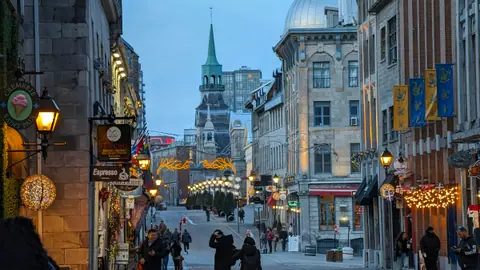 Top Sights and Experiences Across MontrealMontreal pairs historic cobbled riverfront quarters with expansive wooded summit lookouts and celebrated neighbourhood produce markets across distinct quarters.
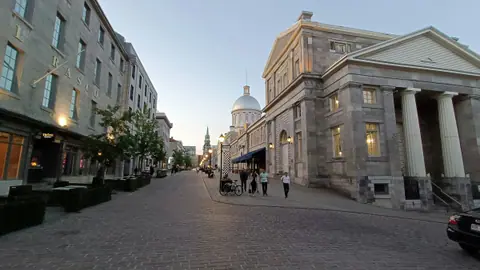 Old Montreal Historic Route and Riverside SightsFollow our heritage route across Old Montreal cobbles, discovering historic squares, riverside paths, and ancient underground stone foundations.
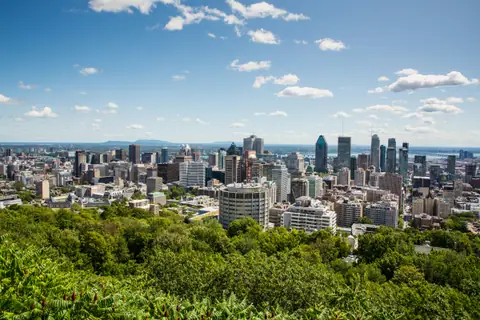 Mount Royal Park Footpaths, Belvederes, and Forest EscapesMount Royal forms the green forested spine of Montreal, offering panoramic belvederes, winding paths, and tranquil waters above downtown rooftops.
Neighbourhoods & Where to Stay
Districts, historic quarters and the best bases for your stay.
Getting Around & Arrival
Airport transfers, public transit, passes and driving rules.

Day Trips & Excursions
Easy half-day and full-day trips from the city.
Trip Planning & Itineraries
When to visit, what to pack and day-by-day routes.
 Montreal Orientation and: What to Know Before You GoStreet geography, bilingual etiquette, and underground networks help you navigate urban Montreal comfortably throughout your stay.
 Montreal Seasonal Guide: Festivals, Autumn Colours, and Winter LifeChoosing the right season shapes your experience between warm park picnics, striking autumn hillsides, and cosy subterranean winter days.
 What to Wear in Montreal for Cobblestones and SeasonsDressing for Montreal requires sturdy flat footwear for historic pavements alongside adaptable layers that withstand intense cold or summer humidity.
 Three Days in Montreal: Heritage Quarters and ParksWe map out three balanced days across Montreal, linking historic cobblestone lanes, neighbourhood bakeries, public markets, and leafy park summits smoothly.
Upcoming events in and near Montreal
Concerts, festivals and tours with their own guide on JourneyCities. Check dates with the organiser before you book.


Need your embassy or consulate in Canada? See embassies and consulates in Canada.
Reviews
Log in to write a review.
No reviews yet.