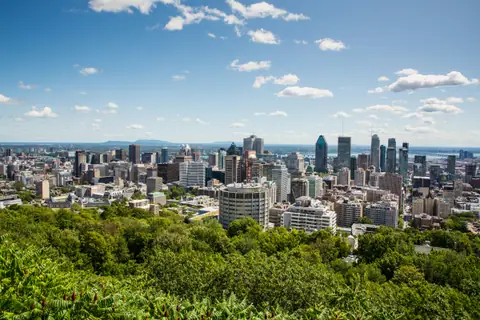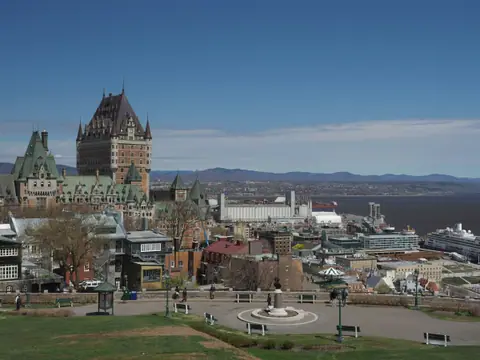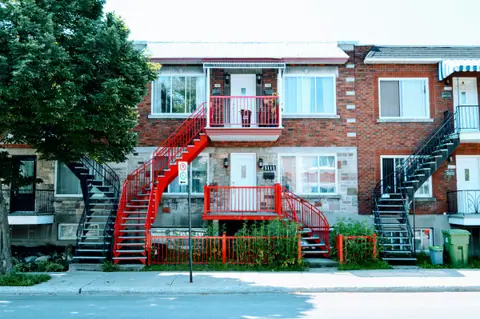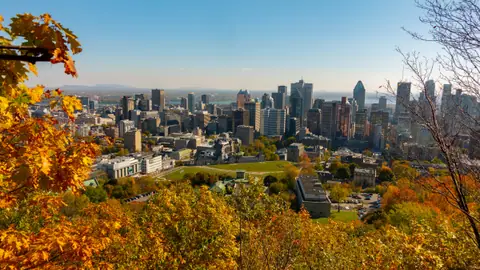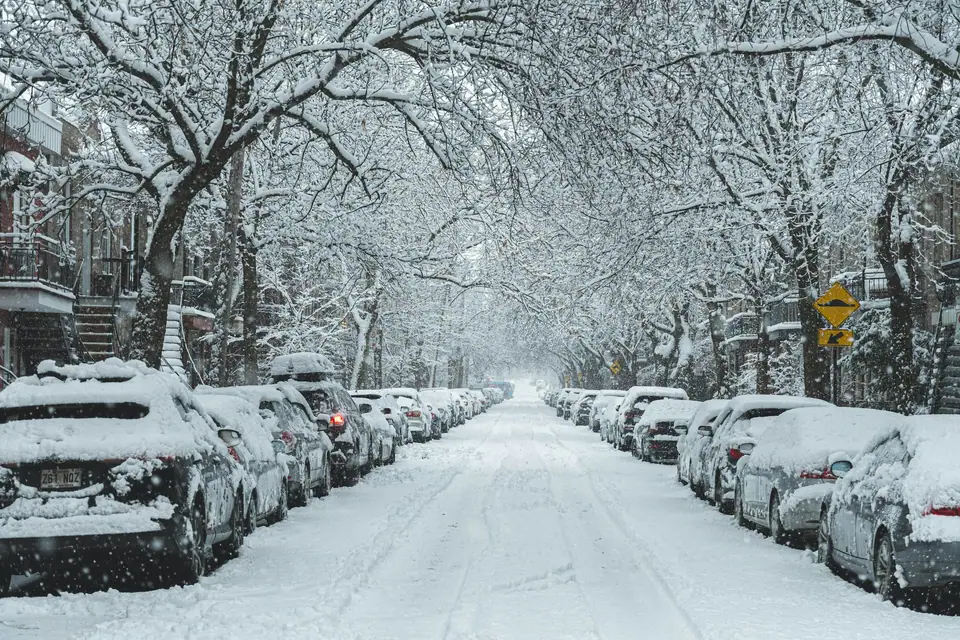
Photo by Etienne Delorieux on Unsplash
What to Wear in Montreal for Cobblestones and Seasons
Dressing for Montreal requires sturdy flat footwear for historic pavements alongside adaptable layers that withstand intense cold or summer humidity.
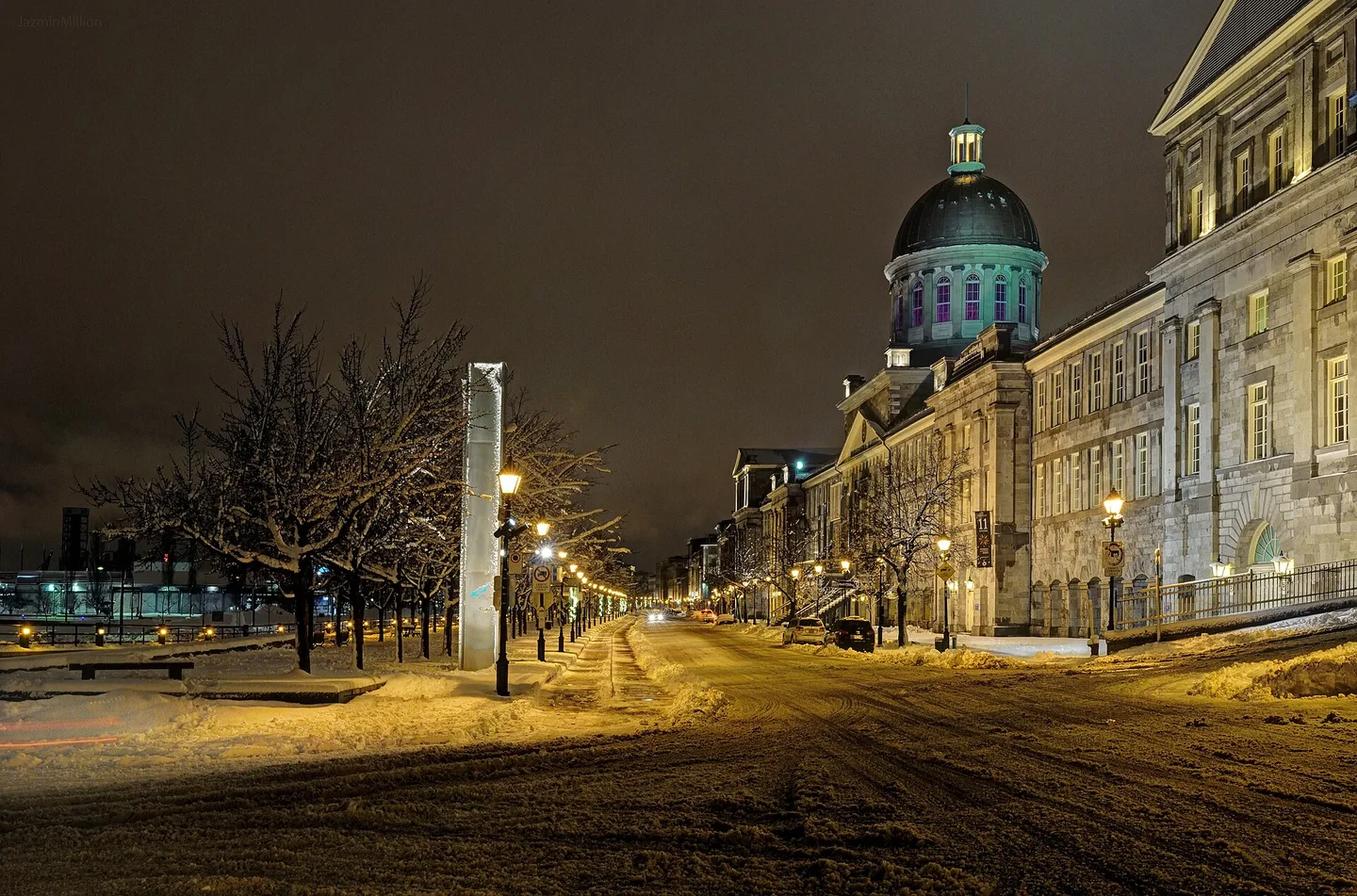
Walking through the historic quarters demands sensible foot choices from the very first morning out. The historic alleys of Old Montreal feature authentic stone surfaces that punish thin pumps and unstable heels. Sturdy leather shoes with textured rubber undersides help you keep your footing across uneven kerbs and heritage alleys.
City exploration also involves stepping between polished limestone indoor corridors and rough granite outdoor surfaces. Supportive trainers or broken-in ankle boots protect arches during long urban routes. Selecting cushioned footwear keeps tired feet comfortable when wandering through museum halls and public gardens.
Navigating Historic Pavements and Urban Walking
Casual elegance defines local dressing habits across neighbourhood bistros, bookshops, and evening terraces. Locals rarely wear overly formal suits for dinner, choosing instead smart jeans, neat dark knitwear, and crisp tailored overshirts. Pack practical walking items that adapt smoothly from daytime park walks to evening wine bar tables.
- Flat leather boots or supportive trainers with grip for rough granite surfaces.
- A breathable daypack or secure cross-body bag for city essentials.
- Comfortable stretch trousers or dark denim suitable for day-to-night transitions.
Avoid thin synthetic soles that easily slip on wet pavements after sudden showers. Natural leather or water-resistant canvas keeps feet dry when crossing historic plazas or cobblestone intersections. Carrying a compact shoulder bag leaves both hands free for balance while navigating steep street corners.
Evening outings in creative districts like Mile End or Le Plateau invite relaxed personal styling. Dark denim paired with breathable wool layers looks sharp without feeling stiff or overdressed. Packing neutral staples that mix and match easily reduces suitcase bulk while keeping daily dressing effortless.
Handling Deep Winter Frost and Windchill
Winter conditions in Quebec bring intense sub-zero temperatures, sharp wind gusts, and deep snow drifts. A knee-length down parka with a windproof exterior shell forms your primary defence against freezing breezes sweeping off the river. Insulated winter boots with thick rubber outsoles protect toes against icy footpaths and slushy kerbs.
Road maintenance teams apply salt and chemical grit across all public pedestrian pavements throughout the colder months. This gritty mixture leaves stubborn white stains and erodes untreated footwear, making waterproof leather or rubber coatings necessary. Wipe boots down with a damp cloth every evening to preserve the outer grain.
| Layer Level | Recommended Garment | Primary Purpose |
|---|---|---|
| Base | Merino wool thermal top and leggings | Wicks moisture away from skin |
| Mid | Fleece jumper or wool cardigan | Traps warm air close to core |
| Outer | Windproof down-filled hooded parka | Blocks freezing river winds |
| Footwear | Treated waterproof boots with deep tread | Prevents slips on compacted snow |
Thermal regulation indoors requires easy peeling, as shops and metro carriages run their heating systems at high temperatures. Wearing a merino base layer beneath a buttoned cardigan lets you shed warmth quickly upon entering indoor centres. Finish winter ensembles with a fleece-lined wool beanie, a thick woven scarf, and windproof thermal gloves.
Outdoor accessories make a critical difference when standing at unsheltered bus stops or riverside viewpoints. Windproof mitts often keep fingers warmer than standard gloves during sustained sub-zero strolls. Packing a spare pair of dry thermal socks inside your daypack shields against damp chill if slush seeps into footwear.
Dressing for High Summer Heat and Sudden Rain
Warm summer afternoons bring muggy conditions that surprise travellers who only associate the province with northern snow. Breathable linen shirts, lightweight cotton shorts, and loose summer dresses help manage the muggy afternoon atmosphere. Sunglasses with full UV protection and broad-brimmed sun hats keep you comfortable under open skies.
Indoor spaces, public transport carriages, and department stores operate cooling air systems at high strength. Shifting between outdoor humidity and chilled indoor retail halls can leave you feeling cold within minutes. Carrying a thin cotton cardigan or light linen scarf inside your daypack resolves sudden indoor temperature drops.
Transition Layers for Spring Thaw and Autumn Colour
Spring and autumn bring rapid weather shifts where bright morning sunshine quickly yields to crisp evening chill. Autumn walks along the wooded trails of Mount Royal call for breathable layered garments and sturdy walking shoes. Packable down gilets, corduroy jackets, and water-repellent macs serve as practical outer garments during shoulder periods.
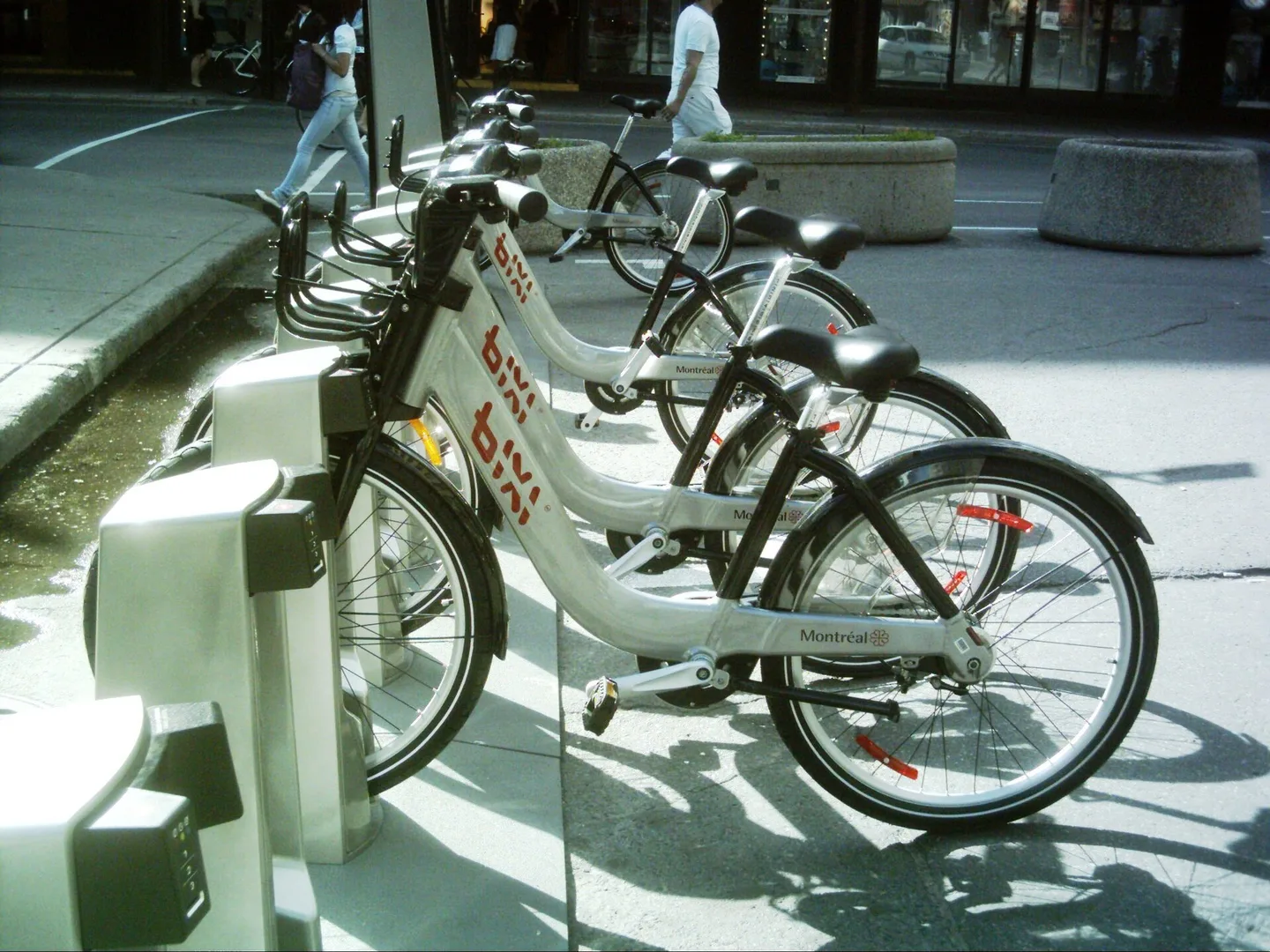
Hiring a city cycle through the municipal BIXI bike scheme requires comfortable clothing that permits unrestricted pedalling. Flexible trousers and wind-resistant windbreakers protect your chest against cool breezes along canal paths or boulevards. Anyone planning outdoor cycling routes during mild shoulder months can review the best time to visit guide.
Spring thaw brings melting snowbanks that transform road edges into wide pools of cold grey slush. Ankle-high rubber rain boots or water-sealed leather boots keep socks dry during early spring walks. Always carry a sturdy windproof folding umbrella, as seasonal squalls arrive quickly across the river valley.
Weather by month
Montreal is warmest in July, with average highs around 27°C, and coldest in January, when nights drop to about -13°C. October is the wettest month by rainfall (126 mm), with rain on about 12 days. For mild weather with fewer rainy days, aim for May and September.
| Month | Low | Range | High | Rain | Rainy days |
|---|---|---|---|---|---|
| Jan | -13°C | -4°C | 78 mm | 12 d | |
| Feb | -13°C | -3°C | 75 mm | 11 d | |
| Mar | -7°C | 3°C | 80 mm | 12 d | |
| Apr | 0°C | 11°C | 114 mm | 13 d | |
| May | 8°C | 19°C | 76 mm | 10 d | |
| Jun | 14°C | 24°C | 118 mm | 14 d | |
| Jul | 18°C | 27°C | 106 mm | 13 d | |
| Aug | 17°C | 25°C | 121 mm | 13 d | |
| Sep | 13°C | 22°C | 77 mm | 9 d | |
| Oct | 7°C | 14°C | 126 mm | 12 d | |
| Nov | -1°C | 6°C | 81 mm | 12 d | |
| Dec | -7°C | 0°C | 92 mm | 13 d |
Averages of daily values from 2015 to 2024. Rainy days are days with at least 1 mm of rain. Source: Open-Meteo · Compare destinations by month.
Official prices and opening hours
- STM 747 Airport Bus & 24-Hour Metro PassOfficial site ↗
Where it is
- 1Montreal
- Montreal / Pierre Elliott Trudeau International Airport (YUL) · about 14 km from Montreal in a straight line
- Directions in Google Maps
Stations and taxi ranks: OpenStreetMap. Airports: OurAirports. Distances are in a straight line.
Traveller tips
Real advice from people who have been to Montreal. Every tip is read by our team before it goes live.
No tips yet. Been here? Yours could be the first.
Thank you! Your tip will appear here after a quick review.
More in Montreal
Continue exploring Montreal with related neighbourhood, food, and planning guides