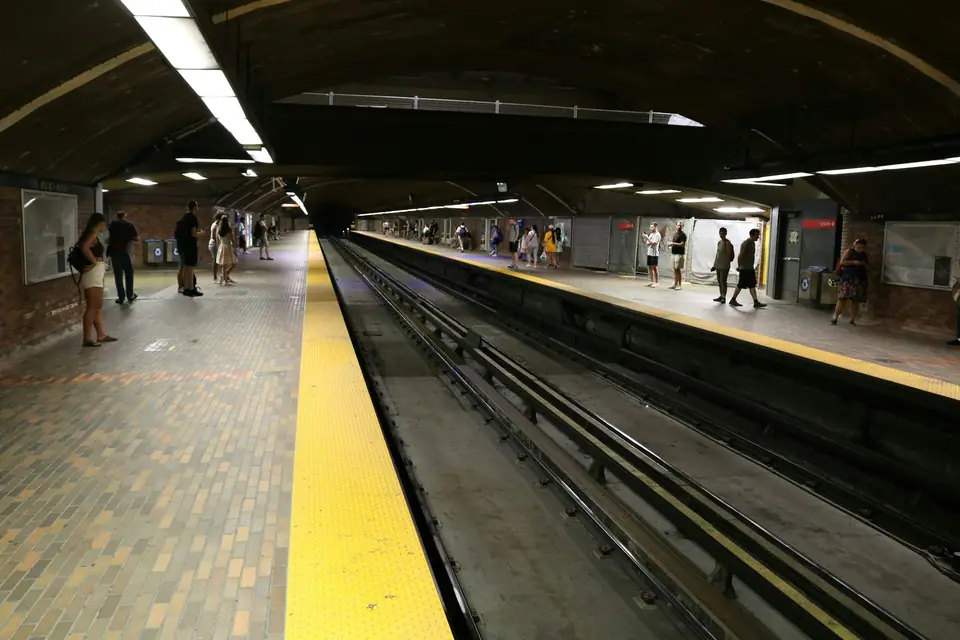
Photo by Alain Guillot on Unsplash
Arriving in Montreal by Air, Rail, and Road
Reaching Montreal involves navigating direct airport express buses, intercity rail links at Central Station, and bridges crossing the Saint Lawrence River.
Arriving on the island of Montreal begins with choosing between direct air arrivals, mainline passenger trains, or highway bridges that cross the water. Most international travellers touch down at the primary passenger hub west of the centre before connecting directly into the public transport network. The local authority runs dedicated express buses directly from the terminal kerb towards regional subway hubs. Validating fare passes immediately upon departure helps prevent delays during morning transfers. Passengers who plan their transport connections in advance move smoothly through the network.
The dedicated STM 747 express bus runs around the clock between the airport arrivals area and downtown subway interchanges. Travellers with rolling luggage can board directly outside the terminal doors without negotiating complicated transfer tunnels. The bus interior features broad luggage racks designed for heavy baggage and sports gear. Choosing this transit service allows visitors to bypass expensive car rentals when heading towards central accommodation. The comprehensive Montreal travel guide outlines walking routes starting right from your initial transit stop. Many visitors find that public transport offers the most economical connection into the city core.
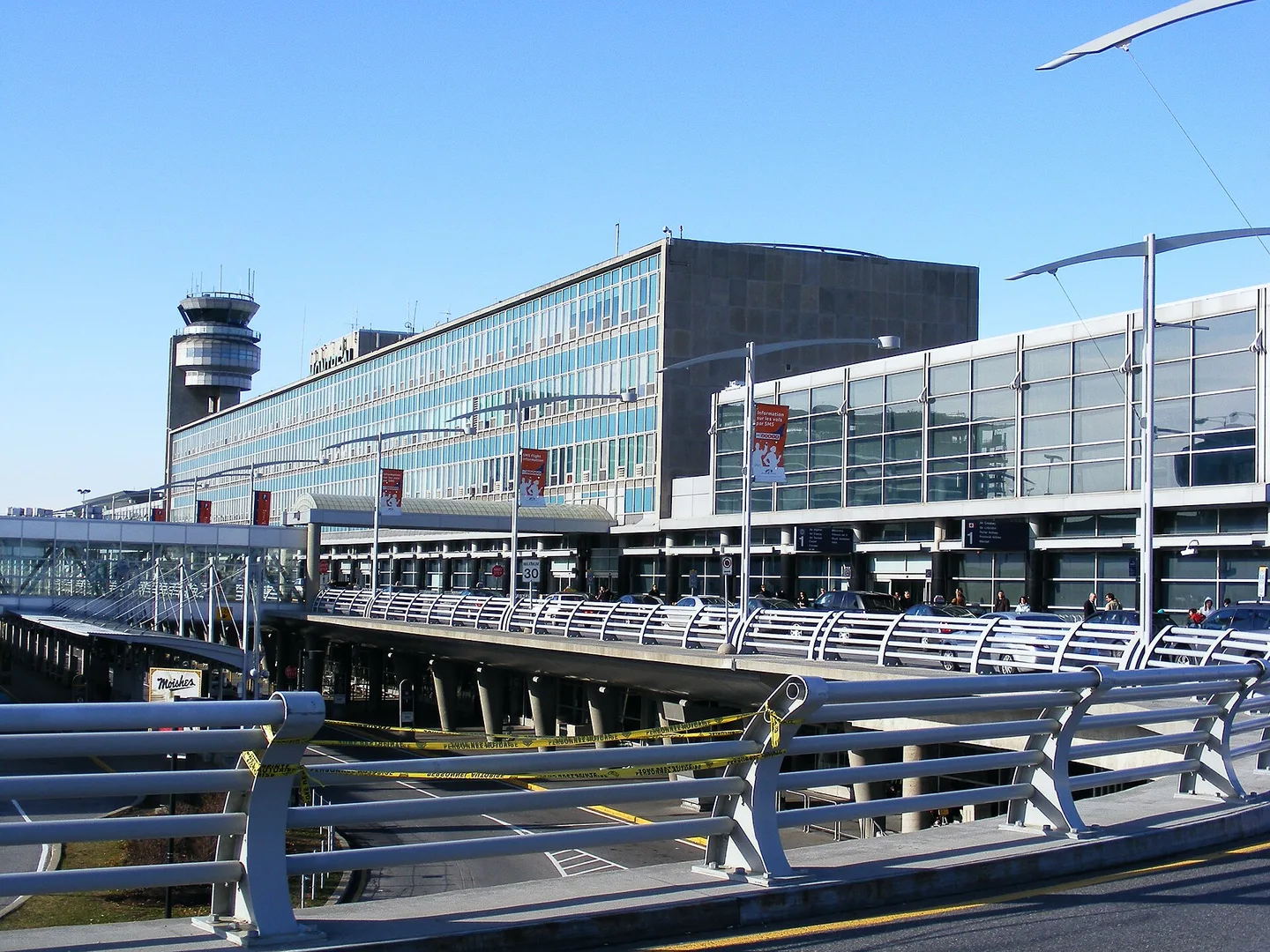
Navigating the 747 Routes to Lionel-Groulx and Berri-UQAM
The express airport bus serves two distinct routing patterns depending on final passenger destinations across the city centre. The fastest route runs directly along the motorway corridor towards Lionel-Groulx station on the southwestern edge of the central core. At Lionel-Groulx, passengers transfer easily between the Green Line and Orange Line without walking through long subterranean passages. This transfer point serves anyone travelling towards residential districts or older parts of town. Passengers heading to western neighbourhoods also disembark at this junction.
Alternatively, certain runs continue eastwards along downtown boulevards towards the main bus terminal at Berri-UQAM. This extended route makes multiple street-level stops along primary commercial avenues through the urban retail core. It suits visitors staying near university campuses, downtown avenues, or eastern neighbourhoods. Passengers can observe local architecture and city life as the bus travels along these thoroughfares. Review the differences between these two primary bus branches before boarding:
- Lionel-Groulx express route: direct non-stop run along the highway to the Orange and Green metro lines.
- Berri-UQAM downtown route: sequential stops along downtown thoroughfares ending at the main transfer hub.
- Onboard amenities: large floor racks and overhead compartments for bags on all airport shuttle vehicles.
- Network ticketing: valid bus passes transfer directly onto the underground rail network at both terminus stations.
- Service frequency: buses depart regularly day and night to keep waiting periods brief for all passengers.
- Fare options: tickets purchased at airport vending machines include full access to connecting subway lines.
Picking the correct terminus saves valuable journey time when checking into your chosen lodgings. Travellers heading straight to historic districts or southern quarters generally benefit from swapping to the Orange Line at Lionel-Groulx. You can coordinate your transport arrival with central Montreal districts near metro hubs to minimise walking with heavy luggage. Selecting a hotel near an underground entrance allows swift access throughout your entire stay.
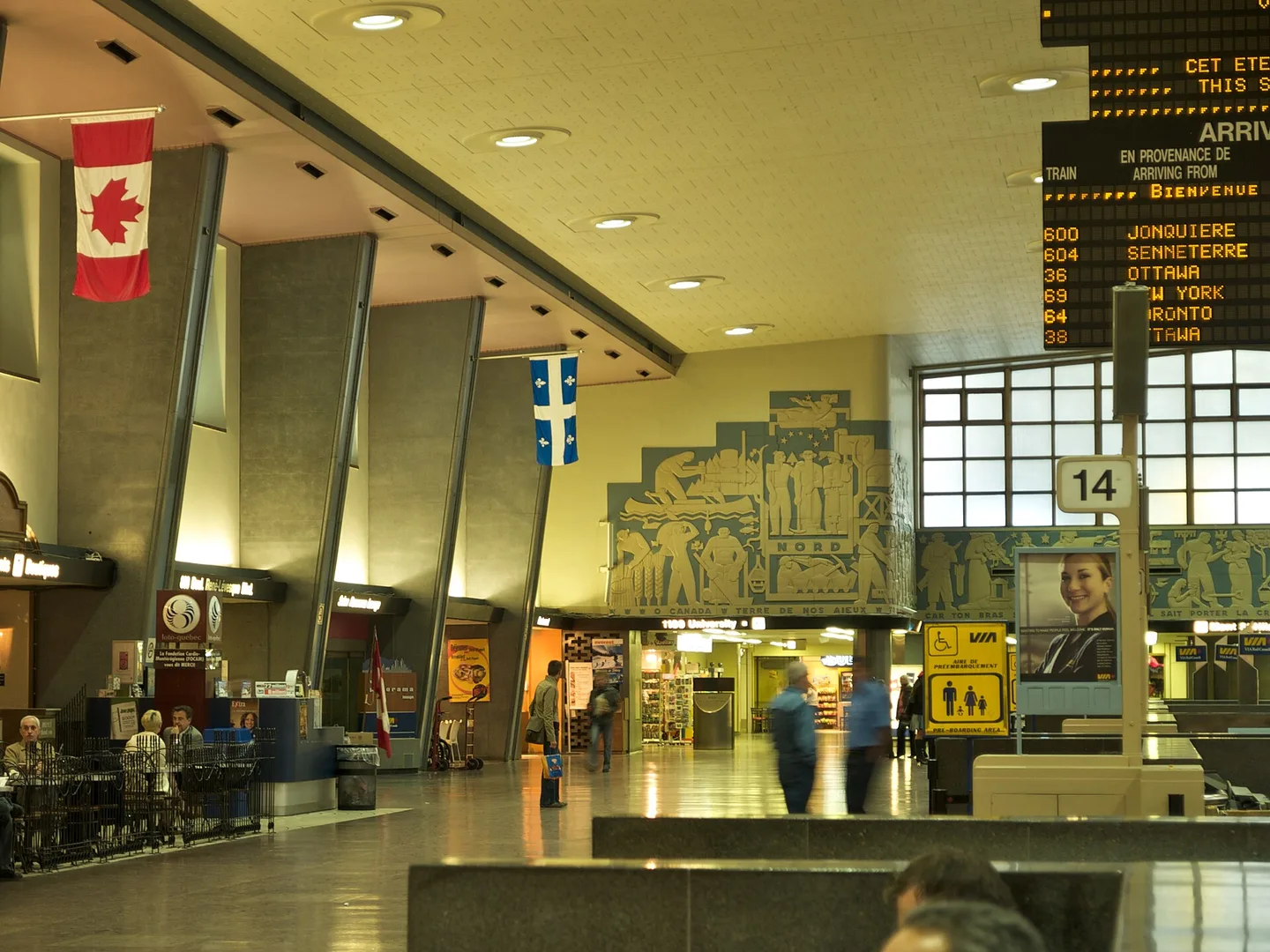
Arriving by Rail at Central Station
Passengers visiting from regional Canadian cities or the United States usually disembark at Central Station, known locally as Gare Centrale. This major railway terminal rests beneath downtown commercial towers and connects directly to underground pedestrian walkways. Mainline rail corridors link the city with national capitals and provincial centres without the stress of airport security lines. Rail passengers disembark into concourses equipped with cafes, ticket desks, and immediate subway access. Luggage assistance and passenger information counters stand ready along the main concourse floor.
Regular passenger services link Montreal with several major regional urban centres along the eastern corridor. Trains run along established tracks towards Quebec, while western runs connect directly into Ontario. The table below highlights key passenger rail corridors serving the concourses of Central Station:
| Departure Corridor | Primary Destination | Terminal Hub | Onward Urban Connection |
|---|---|---|---|
| Eastern Rail Corridor | Quebec City | Central Station | Orange Line Metro |
| Western Rail Corridor | Ottawa | Central Station | Orange Line Metro |
| Ontario Mainline | Toronto | Central Station | Bonaventure Metro Station |
| Cross-Border Route | New York | Central Station | Underground Pedestrian Network |
Departing the train concourse brings passengers directly to Bonaventure metro station via indoor pedestrian passages. These underground corridors protect travellers from freezing winter winds and heavy summer rainstorms alike. Passengers planning excursions to provincial destinations like Quebec City can board trains directly from these platforms. Similarly, western services heading towards Ottawa depart from the same passenger tracks multiple times daily. The station forms a central anchor for long-distance transport routes across the province.
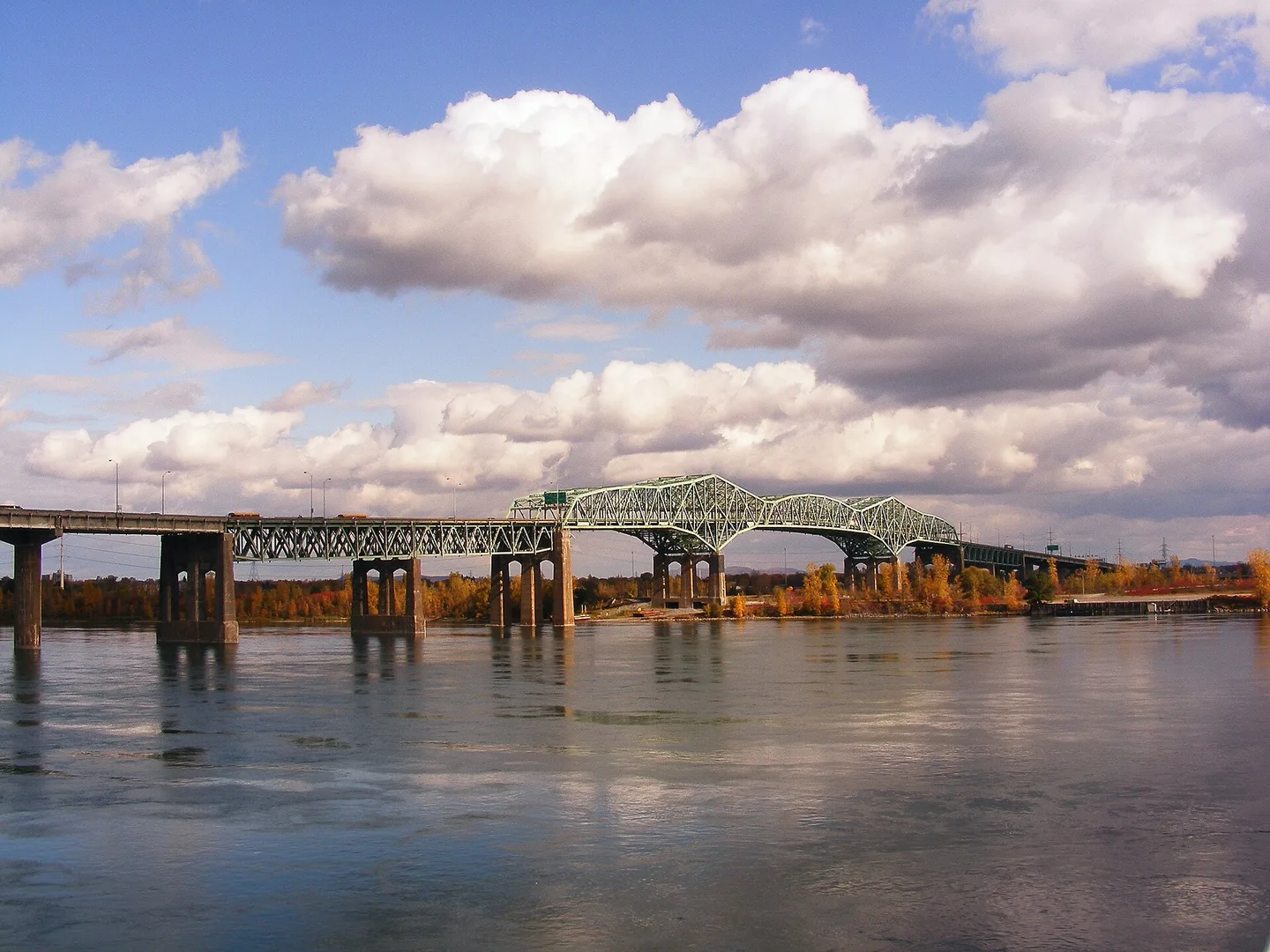
Highway Corridors and River Crossings
Entering Montreal by road requires crossing the broad waters of the Saint Lawrence River via extensive suspension and cable-stayed bridges. Major road corridors approach the island from the south, east, and north before funneling onto perimeter expressways. Motorists arriving during morning or late afternoon hours often encounter slow vehicle queues across these vital river crossings. Careful route planning helps drivers avoid heavy commercial bottlenecks during peak weekday commuting periods. Checking live roadway updates before reaching the bridge approaches reduces travel stress.
Key bridge spans include modern multi-lane crossings that carry both private vehicles and regional light rail tracks. Once drivers clear the river spans, city expressways lead directly towards underground parking garages beneath downtown skyscrapers. Visitors should note that turning right on a red traffic signal is strictly prohibited across the entire island of Montreal. This local road regulation differs from the rest of the surrounding province and carries substantial financial fines for non-compliance. Municipal police officers monitor key intersections closely to enforce this city-wide safety rule.
Long-distance coaches also arrive via these river corridors before pulling into the central bus station above Berri-UQAM station. Regional coach lines connect smaller regional towns and cross-border points with the centre of the city. Arriving by coach gives direct access to three distinct metro lines without stepping outdoors. You can review our main Montreal portal to prepare your broader sightseeing programme across the island. Public transit connections allow smooth journeys from every intercity arrival point straight to local attractions.
Official prices and opening hours
- STM 747 Airport Bus & 24-Hour Metro PassOfficial site ↗
Where it is
- 1Montreal
- Montreal / Pierre Elliott Trudeau International Airport (YUL) · about 14 km from Montreal in a straight line
- Directions in Google Maps
Stations and taxi ranks: OpenStreetMap. Airports: OurAirports. Distances are in a straight line.
Traveller tips
Real advice from people who have been to Montreal. Every tip is read by our team before it goes live.
No tips yet. Been here? Yours could be the first.
Thank you! Your tip will appear here after a quick review.
More in Montreal
Continue exploring Montreal with related neighbourhood, food, and planning guides