Montreal Seasonal Guide: Festivals, Autumn Colours, and Winter Life
Choosing the right season shapes your experience between warm park picnics, striking autumn hillsides, and cosy subterranean winter days.
Montreal changes character dramatically as the calendar turns, shifting from sun-drenched terrace dining in July to silent, snow-covered avenues in January. Warm breezes invite locals outside to parks, street fairs, and outdoor dining tables during the balmy summer months. Planning around these seasonal rhythms helps you pack proper footwear, select suitable neighbourhoods, and pace your daily walks.
Summer Warmth and Outdoor Festival Culture
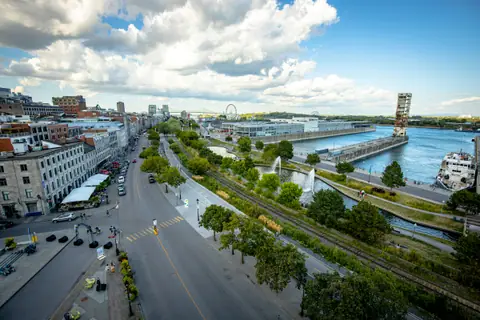
Summer brings long daylight hours, lively pavement terraces, and sustained outdoor celebrations that fill central squares and neighbourhood avenues. Pedestrianised corridors encourage unhurried exploration between heritage bakeries, quiet public squares, and riverfront docks. Visitors seeking outdoor music, neighbourhood markets, and canal cycling find the midsummer weeks exceptionally welcoming. Review historic routes and cultural landmarks within our Montreal attractions overview before setting out into the warm sun.
Parks become communal living rooms where residents gather for afternoon picnics under mature shade trees. Waterfront paths along the Saint Lawrence River bring refreshing breezes during warmer afternoons when humidity rises slightly. Evening temperatures remain mild enough for open-air concerts, terrace dinners, and late strolls along historic stone lanes.
Autumn Foliage Across Urban Parks
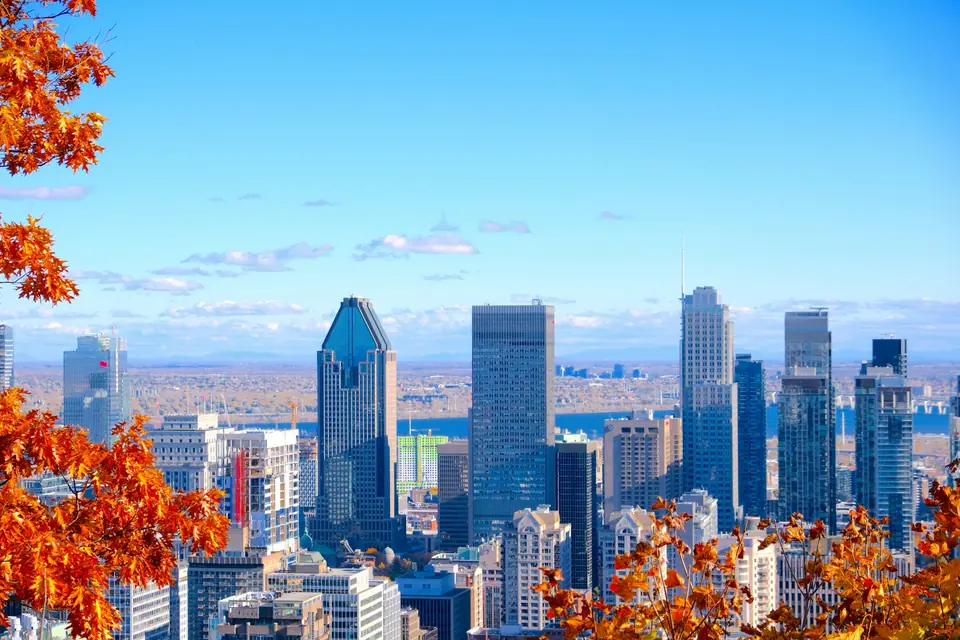
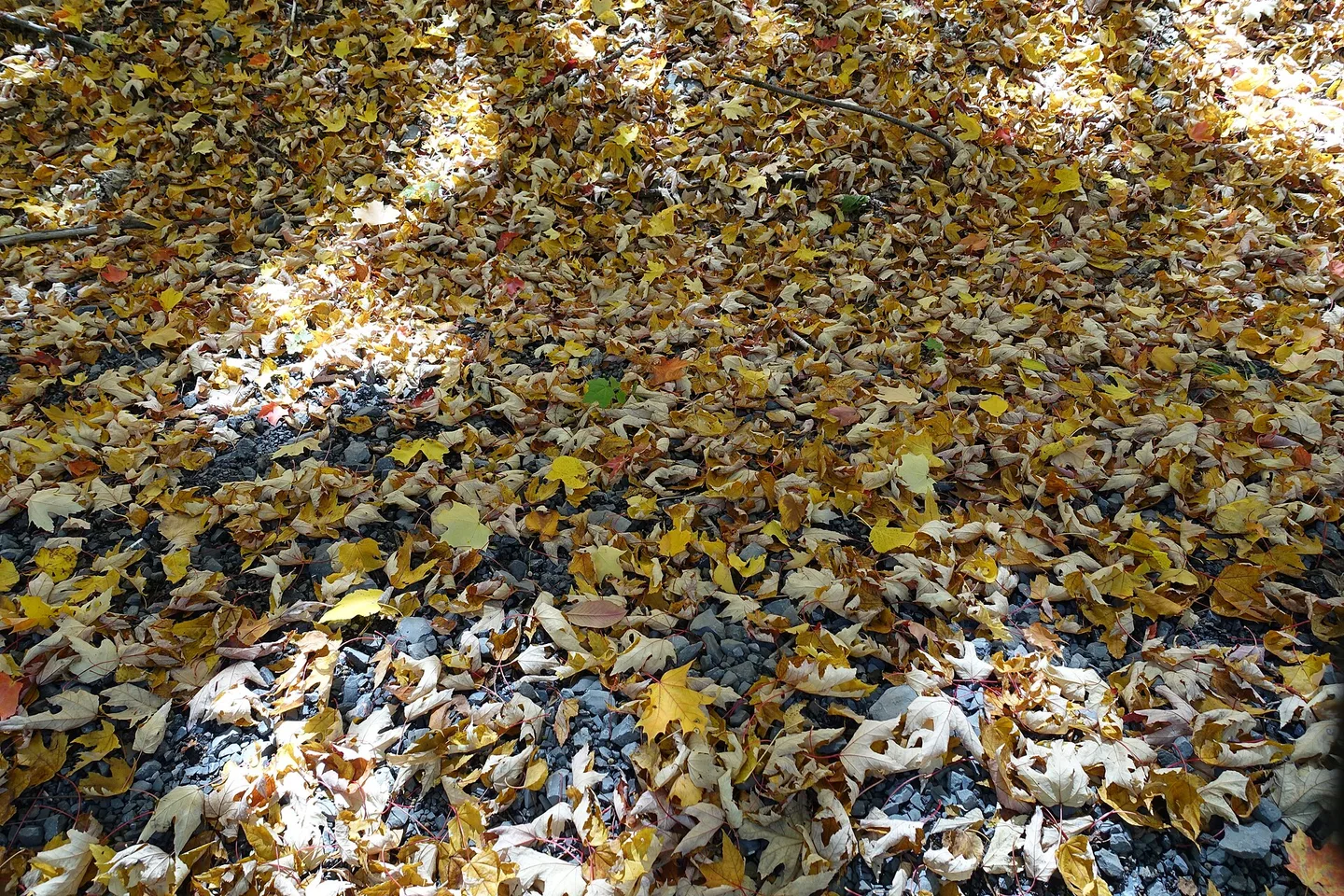
As September arrives, crisp breezes replace the humid summer air and urban canopies turn into rich shades of gold, orange, and deep crimson. Walking paths on the central hill offer broad views framed by changing maple leaves. Walkers can explore elevated trails and scenic viewpoints through our Mount Royal walking notes to time foliage trips properly.
Autumn brings clear skies, dry walking conditions, and comfortable temperatures that make long city walks effortless. Fruit stalls display seasonal apples, bakeries produce spiced pastries, and neighbourhood coffee shops fill with students and travellers seeking cosy seating. The table below highlights practical seasonal characteristics to help you plan your itinerary:
| Season | Prevailing Atmosphere | Primary Outdoor Focus |
|---|---|---|
| Summer | Energetic street life, outdoor dining, and open-air arts | Waterfront cycling, park picnics, and pedestrianised streets |
| Autumn | Crisp sunny afternoons, colourful foliage, and relaxed pace | Hilltop vistas, botanical garden walks, and market visits |
| Winter | Crisp snowfall, ice rinks, and warm indoor havens | Cross-country trails, underground shopping, and museum galleries |
| Spring | Gradual warming, maple sugar season, and quiet avenues | Heritage architecture walks and early café terrace openings |
Foliage peaks across central districts during late September and early October, drawing photographers to heritage parks and tree-lined residential streets. Crisp evenings encourage warm sweaters, evening concerts, and quiet bistro dinners after full days outdoors.
Subterranean Life and Deep Winter Snow
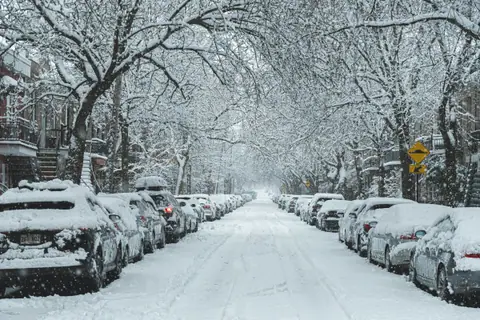
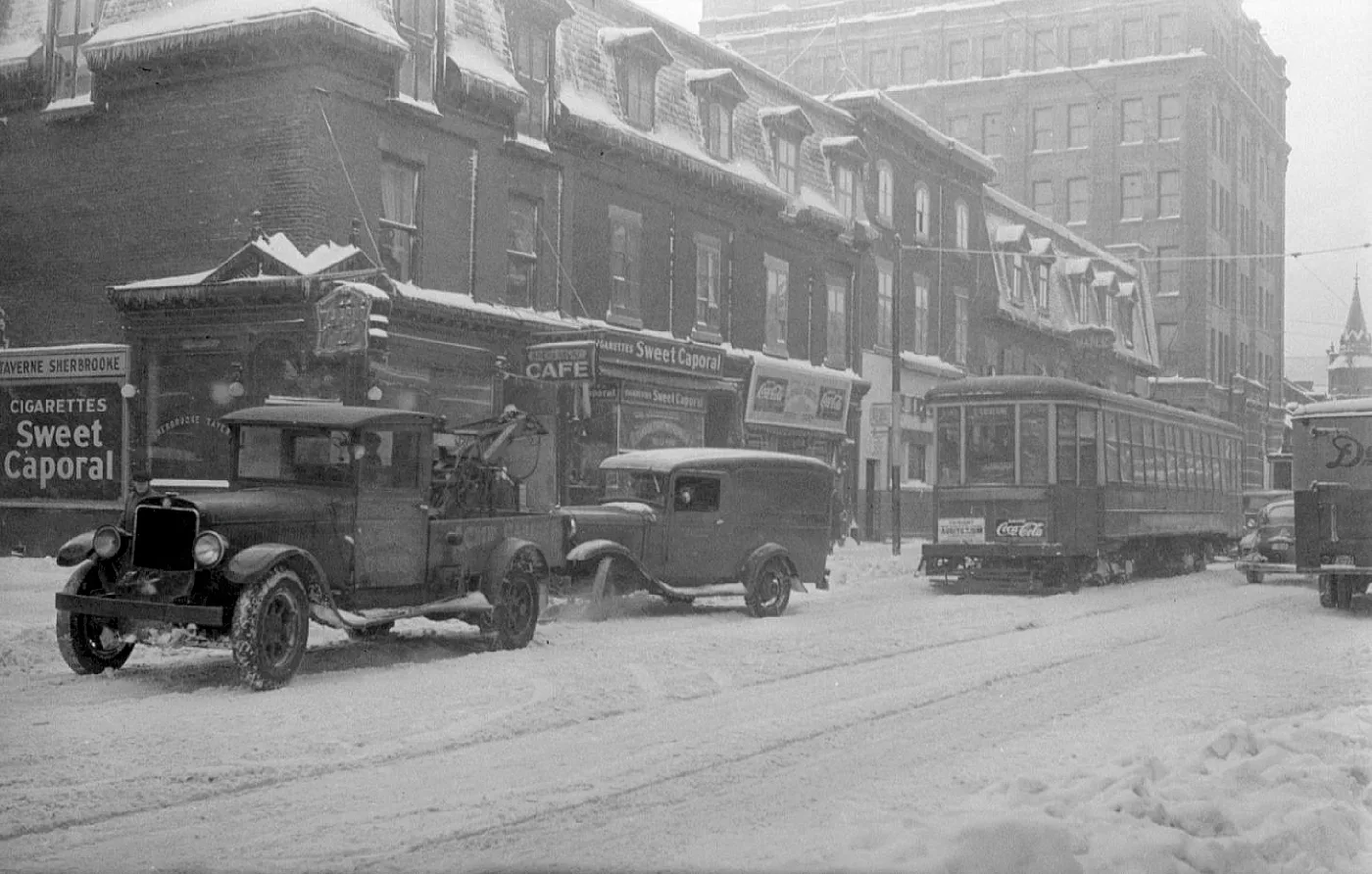
Winter blankets the city under deep snow, bringing sub-zero temperatures and transformed urban scenery. Montreal embraces the cold through dedicated ice skating rinks, illuminated public art, and extensive underground passageways. The underground network links metro stations, shopping complexes, university halls, and concert venues, keeping pedestrians warm during severe cold spells.
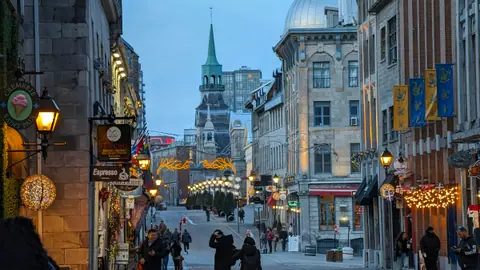
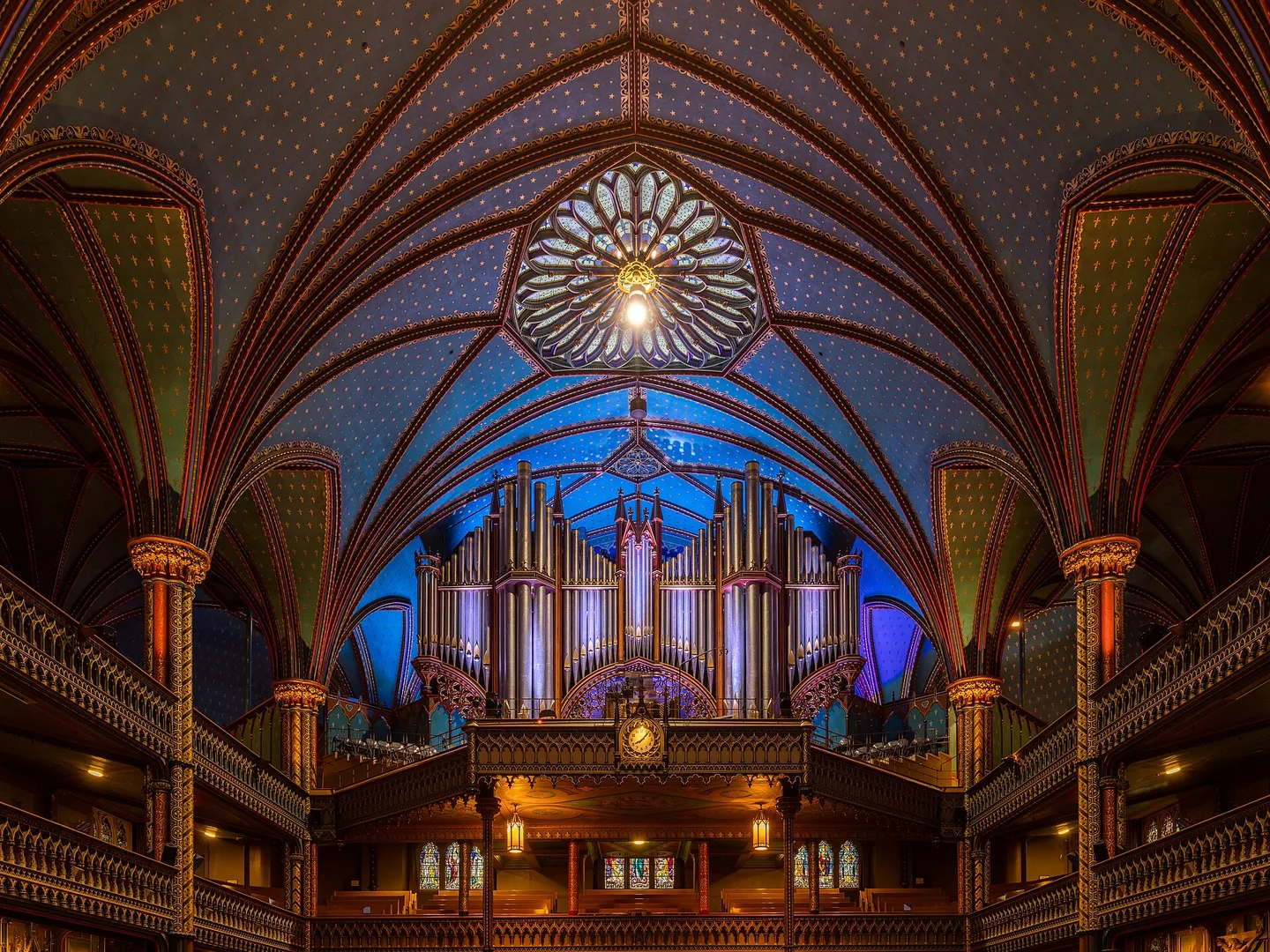
Historic buildings take on dramatic beauty when frosted with snow, particularly around Old Montreal where gas lamps cast warm light onto stone facades. Stepping inside warm heritage interiors brings welcoming respite after crisp outdoor walks. Central landmarks present quiet spaces to admire historic architecture away from freezing winds.
Pack insulated boots with textured rubber soles, thermal base layers, and windproof outer coats to handle frozen paths comfortably. Careful clothing choices allow you to enjoy outdoor winter festivals, downhill sledging, and cross-country ski trails without feeling chilled.
Spring Thaw and Shoulder Season Planning
Spring begins slowly as winter snows recede and daylight lengthens across city parks and avenues. Early spring marks maple season across nearby rural valleys, while neighbourhood restaurants showcase seasonal maple specialities on local menus. April and May bring fresh green buds to park trees and quieter museum galleries before summer crowds arrive.
Preparing your luggage requires layered clothing that adapts easily to shifting morning chill and afternoon sunshine. Check our practical packing recommendations to select appropriate waterproof layers and versatile footwear for changing spring conditions. Pair these tips with our main Montreal destination guide to map transit routes and central neighbourhoods ahead of your journey.
Shoulder season months offer fewer queues at cultural institutions, easier restaurant bookings, and relaxed walking conditions throughout central districts. You can explore historic markets, browse independent bookshops, and admire residential architecture without encountering peak seasonal crowds.
Weather by month
Montreal is warmest in July, with average highs around 27°C, and coldest in January, when nights drop to about -13°C. October is the wettest month by rainfall (126 mm), with rain on about 12 days. For mild weather with fewer rainy days, aim for May and September.
| Month | Low | Range | High | Rain | Rainy days |
|---|---|---|---|---|---|
| Jan | -13°C | -4°C | 78 mm | 12 d | |
| Feb | -13°C | -3°C | 75 mm | 11 d | |
| Mar | -7°C | 3°C | 80 mm | 12 d | |
| Apr | 0°C | 11°C | 114 mm | 13 d | |
| May | 8°C | 19°C | 76 mm | 10 d | |
| Jun | 14°C | 24°C | 118 mm | 14 d | |
| Jul | 18°C | 27°C | 106 mm | 13 d | |
| Aug | 17°C | 25°C | 121 mm | 13 d | |
| Sep | 13°C | 22°C | 77 mm | 9 d | |
| Oct | 7°C | 14°C | 126 mm | 12 d | |
| Nov | -1°C | 6°C | 81 mm | 12 d | |
| Dec | -7°C | 0°C | 92 mm | 13 d |
Averages of daily values from 2015 to 2024. Rainy days are days with at least 1 mm of rain. Source: Open-Meteo · Compare destinations by month.
Official prices and opening hours
- STM 747 Airport Bus & 24-Hour Metro PassOfficial site ↗
Where it is
- 1Montreal
- Montreal / Pierre Elliott Trudeau International Airport (YUL) · about 14 km from Montreal in a straight line
- Directions in Google Maps
Stations and taxi ranks: OpenStreetMap. Airports: OurAirports. Distances are in a straight line.
Traveller tips
Real advice from people who have been to Montreal. Every tip is read by our team before it goes live.
No tips yet. Been here? Yours could be the first.
Thank you! Your tip will appear here after a quick review.
More in Montreal
Continue exploring Montreal with related neighbourhood, food, and planning guides