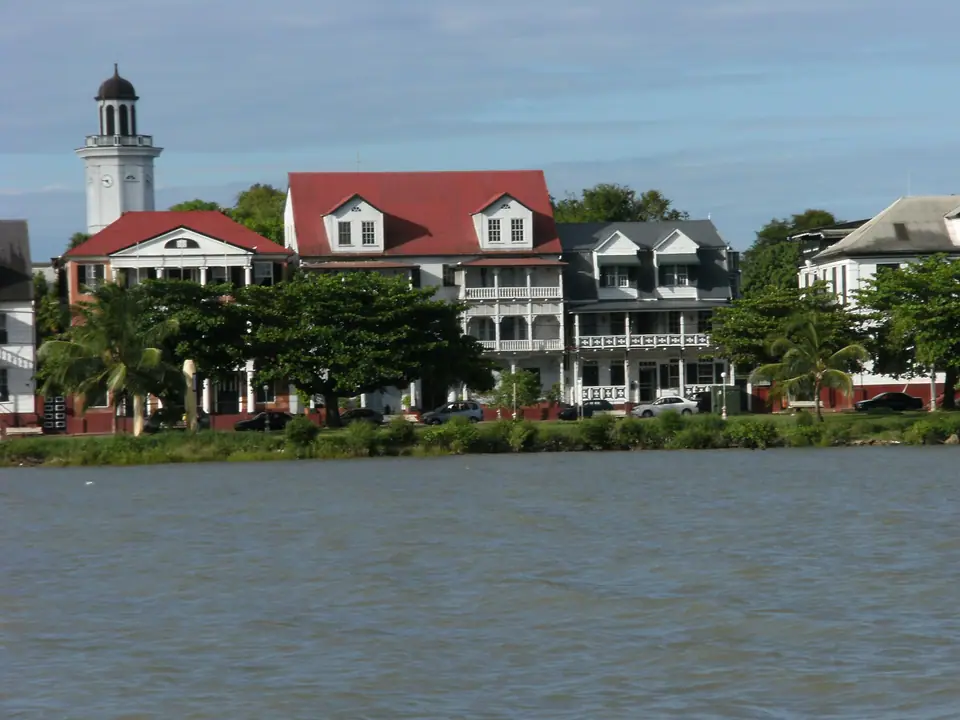
Photo: Mark Ahsmann · CC BY-SA 4.0
Waterkant, Central Market and UNESCO Wooden Streets of Paramaribo
Paramaribo presents an exceptional blend of Dutch timber architecture and tropical riverbank life along the historic bends of the Suriname River.
Paramaribo reveals its distinct character along the broad water of the Suriname River, where the Waterkant promenade forms the visual anchor of the capital. White timber facades stand behind shady mahogany trees, creating a continuous frontage that reflects northern European building traditions and equatorial adaptations. We find this waterside strip ideal for observing the slow river currents and gentle commuter ferries moving between the banks.
Walking westward along the riverbank reveals how the historic colonial core connects directly to daily transit networks and residential quarters. The open breeze from the water softens the tropical heat, making the waterfront an enduring meeting place for residents throughout the afternoon. Several open-air food stalls serve fresh snacks beneath the foliage, inviting visitors to rest while viewing passing cargo vessels.
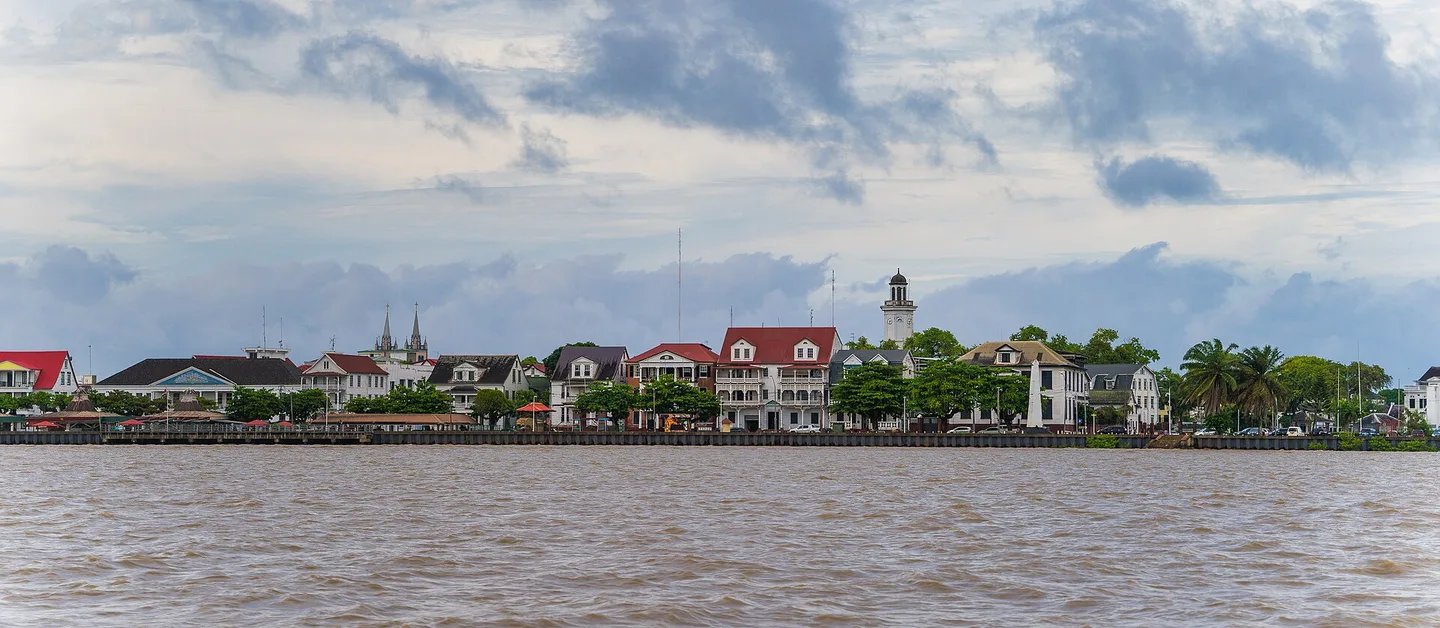
Riverside Heritage Along the Waterkant
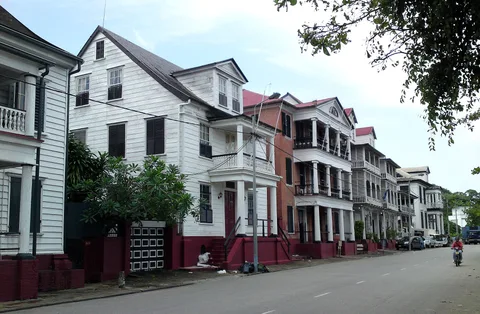
The architecture of the Waterkant represents a rare surviving ensemble of Dutch colonial timber construction adapted to tropical South America. Master carpenters erected symmetrical facades using local hardwoods, setting structures on brick foundations to protect against seasonal moisture and river dampness. Tall sash windows and louvered shutters encourage natural cross-ventilation, demonstrating practical solutions to intense coastal heat.
As you stroll past these grand former merchant houses, the relationship between maritime trade and civic design becomes immediately apparent. Deep verandas project over the walkways, sheltering pedestrians from sudden equatorial rain showers while maintaining clear sightlines across the water. Combining this riverside route with nearby fort grounds and religious landmarks creates a full morning architecture circuit.
| Historic Street Zone | Primary Architectural Character | Walking Atmosphere |
|---|---|---|
| Waterkant Promenade | Grand whitewashed timber merchant houses with brick bases | Breezy riverside walkway with clear views across the Suriname River |
| Central Market Hall | Sprawling covered market with produce, fish, and spice vendors | Energetic trade hub along the busy southern waterfront quayside |
| Inner UNESCO Streets | Shaded residential lanes with shuttered wooden townhouses | Quiet colonial streetscape featuring deep verandas and gardens |
Central Market Rhythms and River Commerce
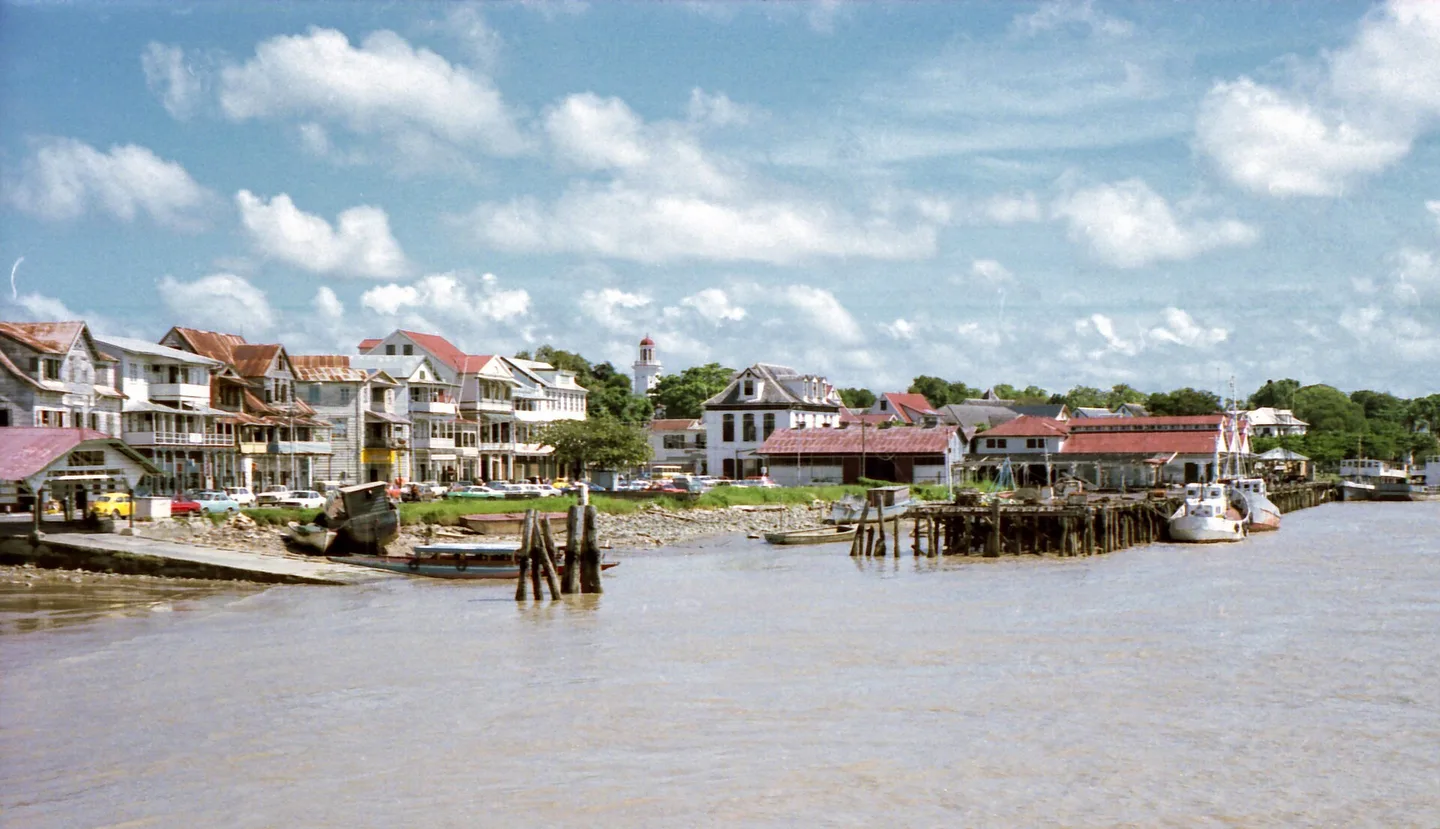
At the eastern edge of the waterfront zone stands the Central Market, a vast covered hall serving as the culinary engine of Paramaribo. Ground-floor aisles display fresh tropical fruits, leafy greens, and vegetables brought from surrounding rural districts, alongside freshly caught river fish. The upper level offers dry goods, clothing, and small counters serving local dishes seasoned with varied regional herbs.
Early mornings bring peak activity as wooden riverboats dock along the rear pier to unload fresh catches and farm produce. We recommend watching the boatmen tie up their vessels before browsing the produce aisles inside the hall. Navigating the interior remains straightforward when you keep your belongings secure and walk carefully across damp market floors.
- Central Market Lower Level: Fresh river catches, tropical greens, and local root vegetables traded each morning.
- Central Market Upper Level: Traditional textile stalls, housewares, and prepared warm food counters.
- Riverside Mooring Steps: Long wooden boats bringing goods and commuters directly across the water.
- Liman Quayside: Shaded open benches giving unobstructed viewpoints across passing river shipping.
Navigating the UNESCO Wooden Streets
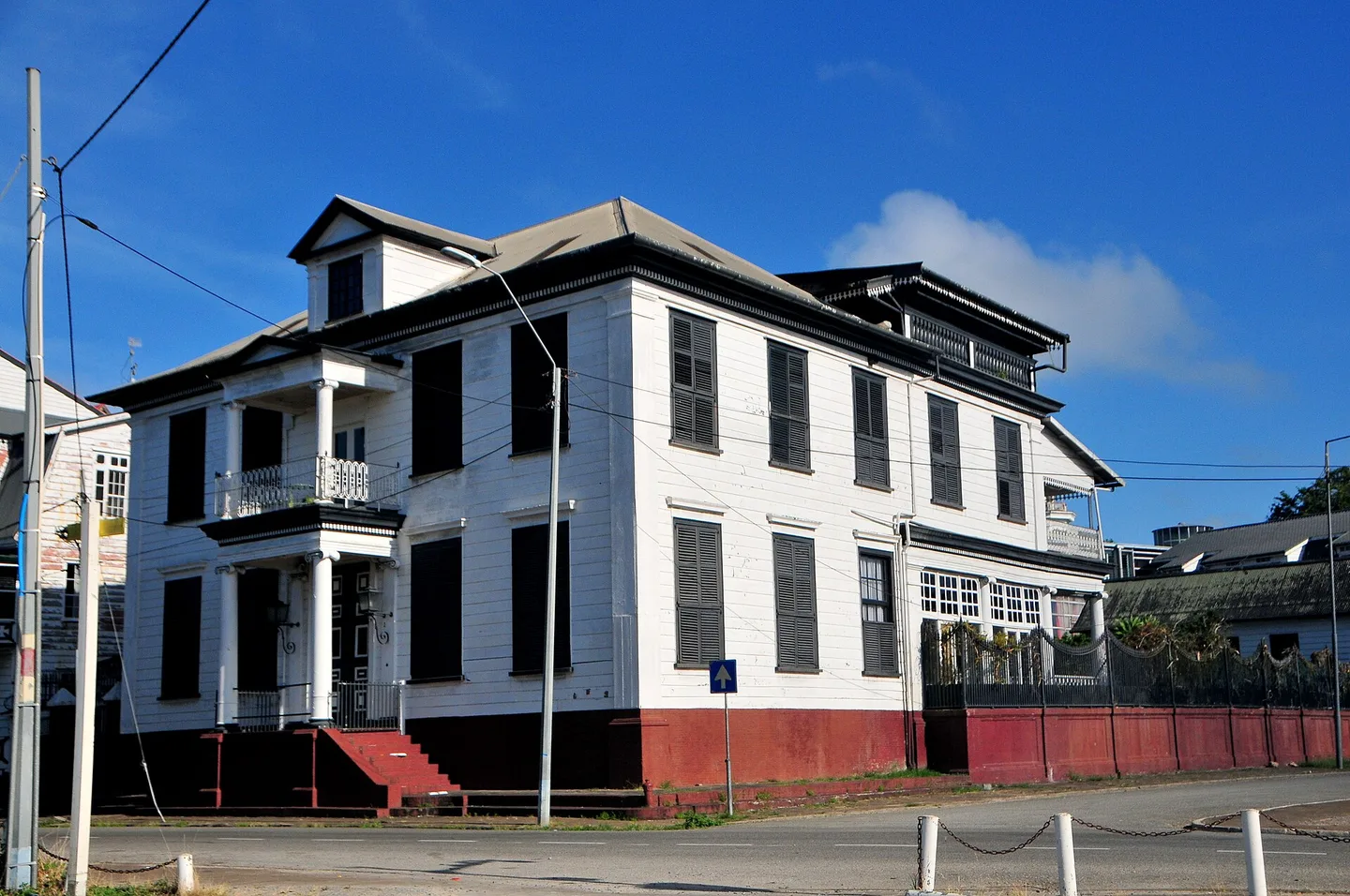
Turning inland from the river brings you directly into the grid of residential streets protected under the UNESCO World Heritage listing. Streets such as Lim A Po Straat and Gravenstraat present harmonious rows of timber townhouses painted predominantly in chalky white with dark green details. Elaborate fanlights above double doorways show the subtle decorative pride of nineteenth-century carpenters.
These peaceful inland lanes contrast noticeably with the active trade along the water, offering shaded pavements framed by flowering trees. Because timber remains vulnerable to tropical termites and sudden fires, careful preservation efforts continue along every residential block. Taking time to look up at wooden rooflines and decorative dormers reveals the remarkable craftsmanship underlying this timber city.
Practical Walking Advice and Waterfront Etiquette
Exploring this historic district on foot requires simple preparations to stay comfortable under midday equatorial conditions. We suggest starting your walking route early in the morning when market trade peaks and temperatures remain pleasant. Generous sun protection, drinking water, and lightweight footwear make navigating wooden thresholds and paved footways far easier.
Respect local customs by requesting permission before photographing vendors or private doorways, particularly inside active market halls. Public buses and shared cabs converge beside the river, linking cleanly with airport shuttles and regional ferry docks across town whenever you finish walking.
Official prices and opening hours
- Fort Zeelandia & Surinaams MuseumOfficial site ↗
Where it is
- 1Waterkant, Central Market and UNESCO Wooden Streets of Paramaribo
- Johan Adolf Pengel International Airport (PBM) · about 41 km from here in a straight line
- Directions in Google Maps
Stations and taxi ranks: OpenStreetMap. Airports: OurAirports. Distances are in a straight line.
Traveller tips
Real advice from people who have been to Paramaribo. Every tip is read by our team before it goes live.
No tips yet. Been here? Yours could be the first.
Thank you! Your tip will appear here after a quick review.
More in Paramaribo
Continue exploring Paramaribo with related neighbourhood, food, and planning guides
Paramaribo Field Guide: UNESCO Wooden Quarter, Riverfront Walks and Urban Transit
Paramaribo, Suriname
What to Do in Paramaribo: Fort Zeelandia and Historic Timber Landmarks
Paramaribo, Suriname
Arriving in Paramaribo: Air Routes, Regional Runways, and River Crossings
Paramaribo, Suriname
When to Experience Paramaribo Across Sunshine, Deluges and Festivals
Paramaribo, Suriname
