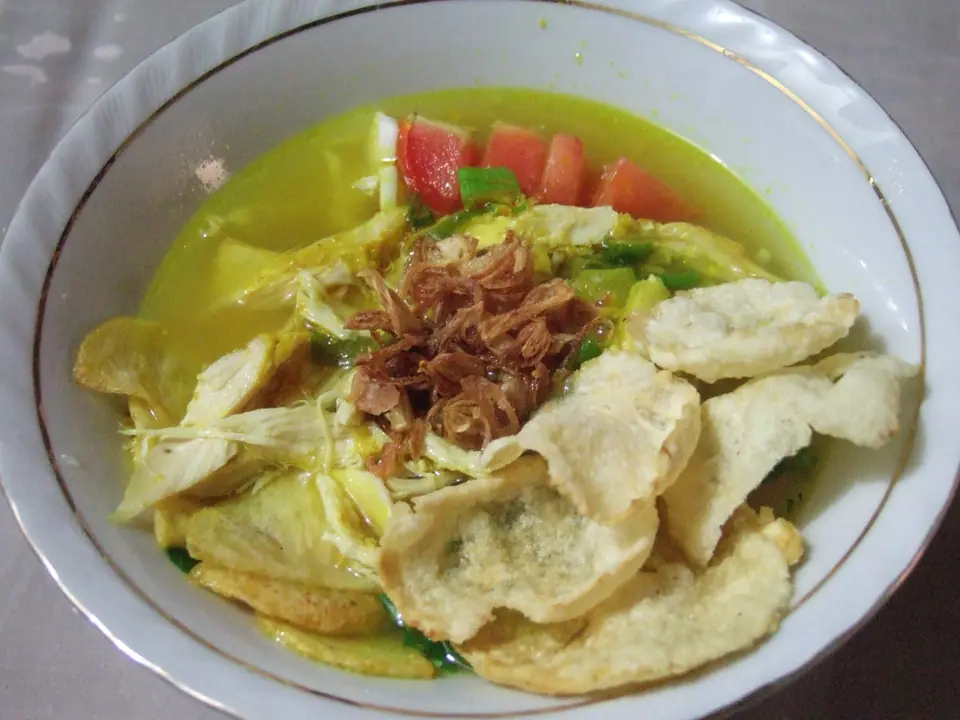
Photo: Sakurai Midori · CC BY-SA 4.0
What to Eat in Paramaribo: Pom, Saoto and Surinamese Flavours
Paramaribo blends Creole, Javanese, Hindustani, and Indigenous culinary heritages into one of the most distinctive street-food capitals in South America.
Paramaribo presents an extraordinary meeting of culinary cultures shaped by centuries of Atlantic migration, trade, and regional exchange. Walking through the city centre reveals quiet lunchrooms and open-air counters serving dishes rooted in Creole, Javanese, Hindustani, Hakka Chinese, and Indigenous traditions. The Creole kitchen centres heavily on rich baked casseroles, slow-cooked tubers, and seasoned river fish. Foremost among these is pom, a celebratory baked dish prepared from grated pomtayer root, citrus juice, poultry, and salted meat. Originally adapted from Jewish oven bakes using local ingredients, pom develops a golden crust with a tangy, savoury interior. Visitors combining food walks with sightseeing along colonial riverfront streets will encounter it served alongside rice or packed into crusty bread rolls called broodje pom.
Another Creole classic found throughout the city is moksi alesi, a rich pot of mixed rice cooked with coconut milk, salted fish or smoked meats, and leafy greens. Along the riverside, cooks regularly prepare fresh catches such as kwi-kwi, an armoured catfish braised in fragrant, spiced broths. Pastei, a spiced chicken and vegetable pie sealed beneath flaky pastry, frequently appears in bakeries and informal daytime cafes. These dishes showcase how domestic cooks transformed local produce into comforting, sustaining staples across generations.
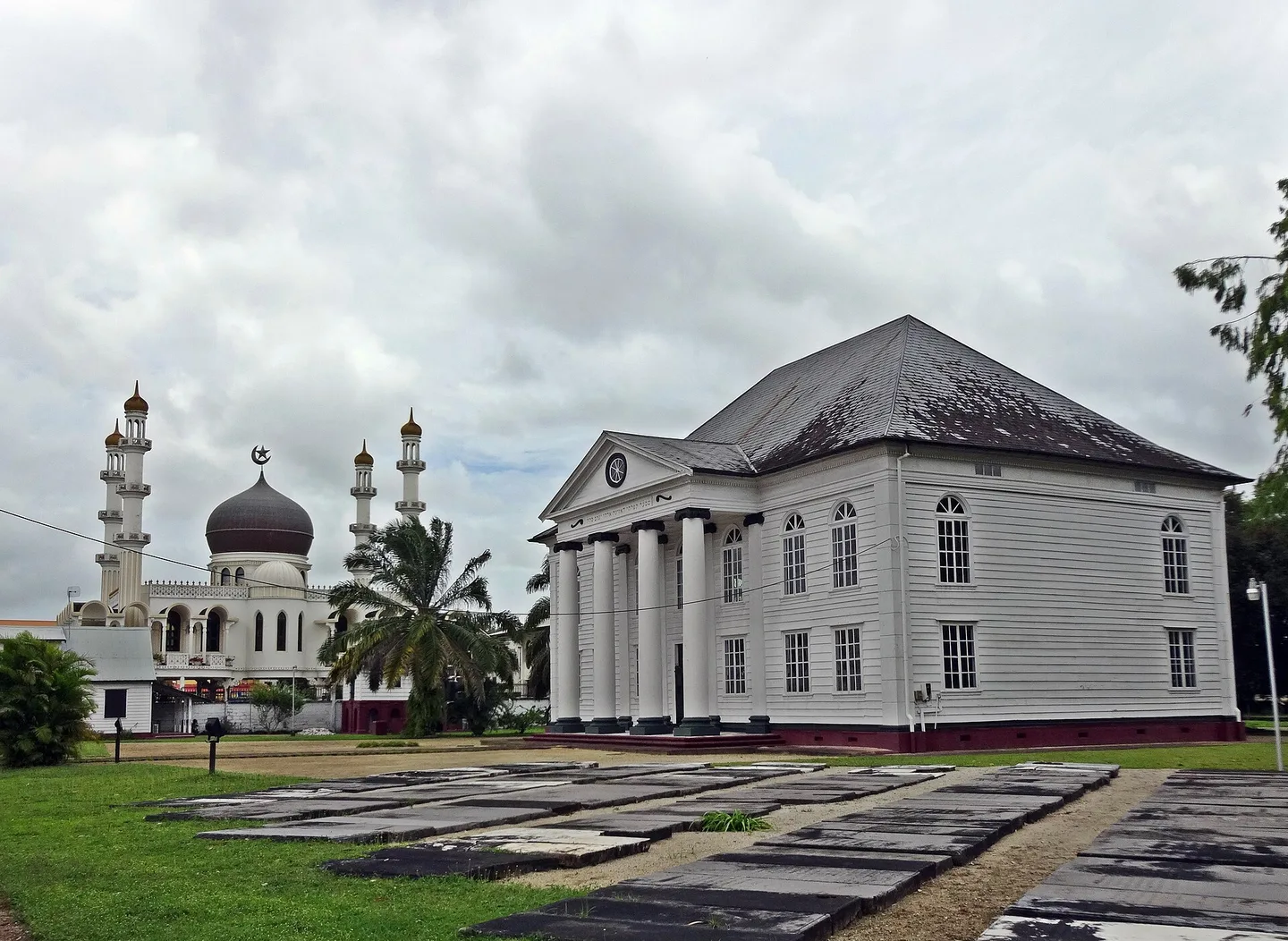
Javanese Warungs and Fragrant Bowls of Saoto
Suriname hosts a thriving Javanese community whose food traditions remain an everyday part of urban life in Paramaribo. Neighbourhood warungs, which range from casual family-run wooden shops to larger dining halls, serve freshly assembled dishes with bold aromatics. The defining order at almost any warung is saoto soup, a revitalising chicken broth infused with lemongrass, galangal, ginger, and fried shallots. The bowl arrives layered with shredded chicken, bean sprouts, hard-boiled egg, and crisp deep-fried potato straws. Diners customise each spoonful by adding sweet Indonesian soy sauce and fiery pepper sambal.
Beyond soup, warung display cases feature fried noodles known as bami, spiced fried rice called nasi, and skewers of chicken or beef sate glazed in thick peanut sauce. Vegetable lovers often order pitjel, a fresh salad of blanched water spinach, bean sprouts, and green beans coated in warm, spiced peanut dressing. Cooling down between savoury bites is easy with dawet, a traditional drink made with rich coconut milk, lemongrass syrup, and tiny tapioca or rice flour droplets. Following street-level transit tips in our Paramaribo regional overview helps pinpoint the top warung districts across the capital.
Hindustani Roti Shops and Curried Fillings
Hindustani arrivals in the nineteenth century introduced flatbread traditions and aromatic spice mixtures that now define everyday street dining. Paramaribo roti shops serve large, warm flatbreads cooked on flat iron plates called tawas. The most popular variation is roti dhalpuri, which is carefully layered with seasoned ground split peas, though plain roti can also be chosen. Customers tear pieces of bread by hand to scoop up savoury curries served on communal platters or wrapped into generous takeaway rolls.
| Dish Style | Key Ingredients | Common Accompaniments |
|---|---|---|
| Broodje Pom | Grated pomtayer root, braised chicken, citrus | Crisp Surinamese roll, pickled cucumber |
| Saoto Soup | Spiced chicken broth, potato sticks, boiled egg | Sambal, sweet soy sauce, steamed rice |
| Roti Kip | Layered flatbread, curried chicken pieces | Potato, long beans, spicy chutney |
| Bara | Spiced fried dough, split peas, cumin | Chilli sambal, mango chutney |
Curries feature long beans, tender potatoes, and spiced pumpkin alongside stewed chicken, goat, or tender braised duck. A popular fried snack sold at these establishments is the bara, a savoury fritter made from soaked split peas, spinach, garlic, and cumin seeds. Freshly fried baras are split open and topped with spicy mango or tamarind chutney for a quick morning bite.
Waterfront Schaafijs, Cassava Cakes and Street Snacks
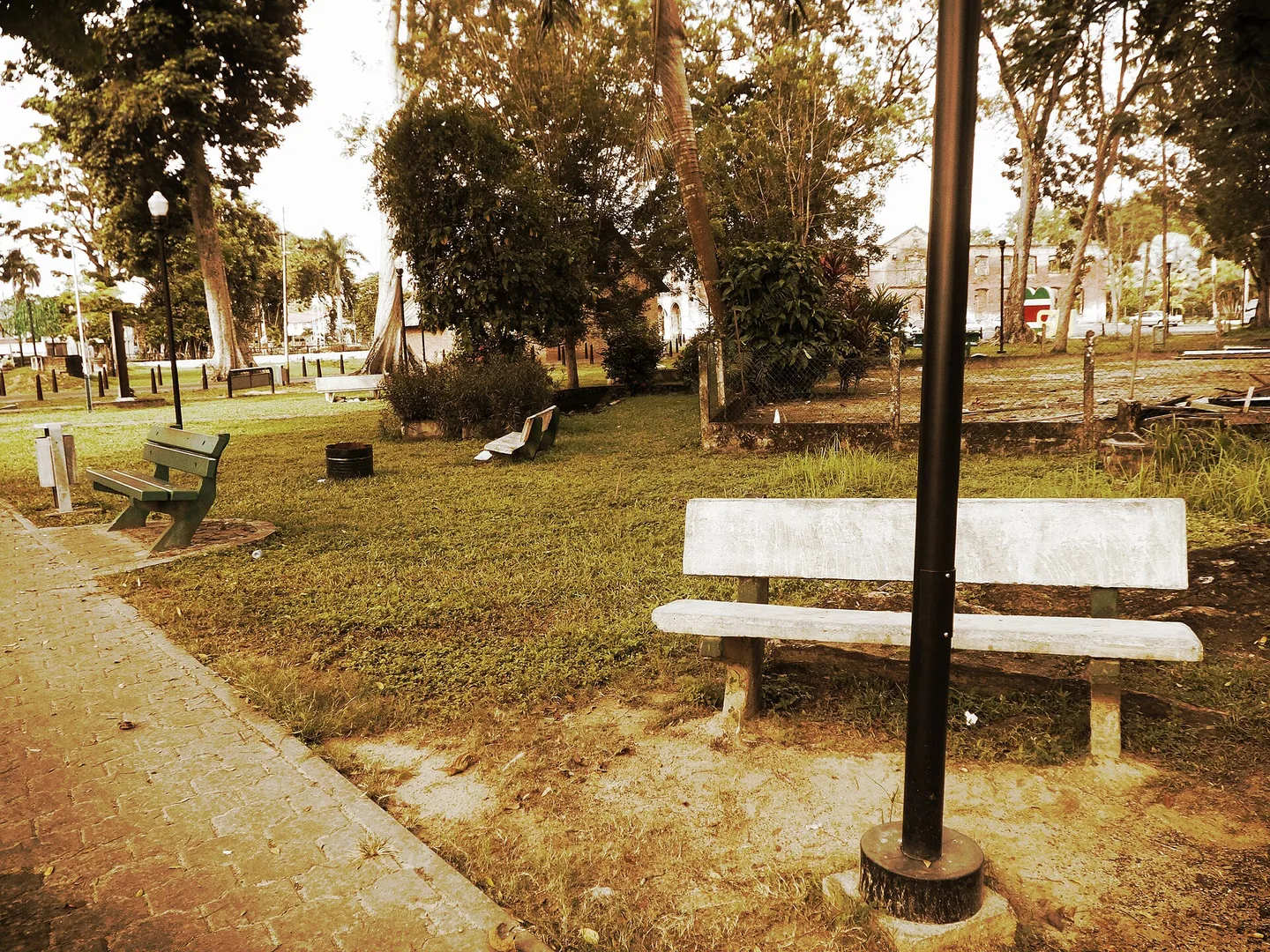
Paramaribo's tropical climate makes outdoor refreshments a vital part of afternoon life near the river. Along public plazas, wooden handcarts operate manual metal planes to shave fine ice from large solid blocks. These schaafijs vendors pile shaved ice into paper cups before drenching it in sweet syrups such as red almond or orgeade. Many vendors drizzle sweet condensed milk over the top for a decadent finish while river breezes drift past the shaded benches.
- Schaafijs: hand-shaved block ice served with almond or passion fruit syrup and condensed milk.
- Bojo: dense baked cake made with freshly grated cassava, shredded coconut, almond extract, and raisins.
- Gevulde Baka Bana: fried plantain slices coated in light batter and accompanied by warm peanut sauce.
- Fernandes: sweet national soft drink available in fruit flavours like red grape, green punch, and cream soda.
Cassava roots also form the foundation of bojo, a naturally gluten-free cake baked until chewy and moist. Slices of bojo are sprinkled with colourful sugar sprinkles and eaten alongside afternoon coffee or ginger beer. Street carts also fry baka bana, sweet ripe plantains dipped in smooth batter and fried until golden. Served hot with savoury peanut sauce, baka bana brings together sweet fruit and roasted nuts into an easy afternoon treat.
Official prices and opening hours
- Fort Zeelandia & Surinaams MuseumOfficial site ↗
Where it is
- 1Paramaribo
- Johan Adolf Pengel International Airport (PBM) · about 41 km from Paramaribo in a straight line
- Directions in Google Maps
Stations and taxi ranks: OpenStreetMap. Airports: OurAirports. Distances are in a straight line.
Traveller tips
Real advice from people who have been to Paramaribo. Every tip is read by our team before it goes live.
No tips yet. Been here? Yours could be the first.
Thank you! Your tip will appear here after a quick review.
More in Paramaribo
Continue exploring Paramaribo with related neighbourhood, food, and planning guides
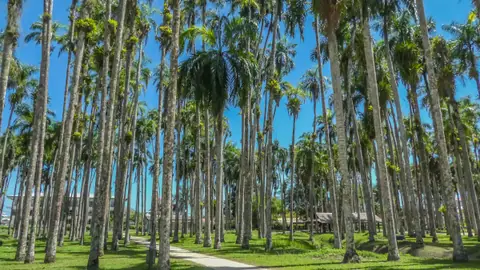
When to Experience Paramaribo Across Sunshine, Deluges and Festivals
Paramaribo, Suriname
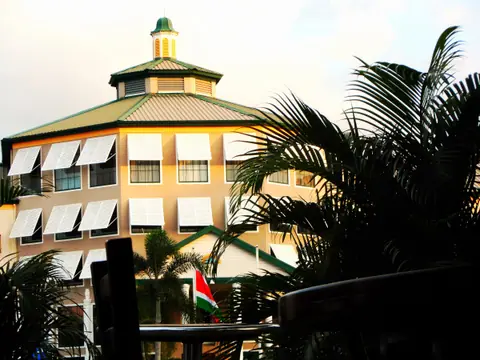
Where to Stay in Paramaribo: Waterfront Resorts, Heritage Guesthouses and Rainville
Paramaribo, Suriname
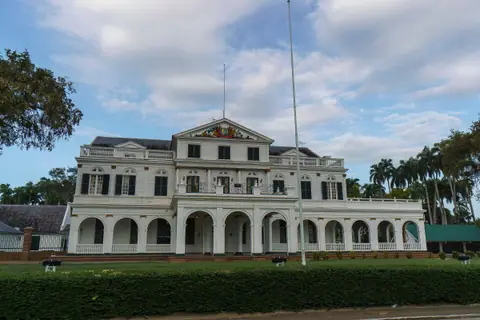
Three Days in Paramaribo: Colonial Timber, River Crossings and Plantation Trails
Paramaribo, Suriname
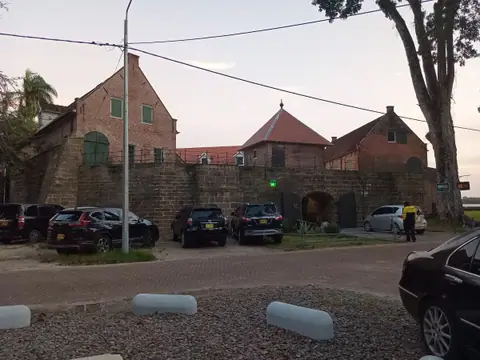
Fort Zeelandia, Onafhankelijkheidsplein, and Palmentuin
Paramaribo, Suriname
