Photo: Rafaeljantz · CC BY-SA 4.0
Paramaribo
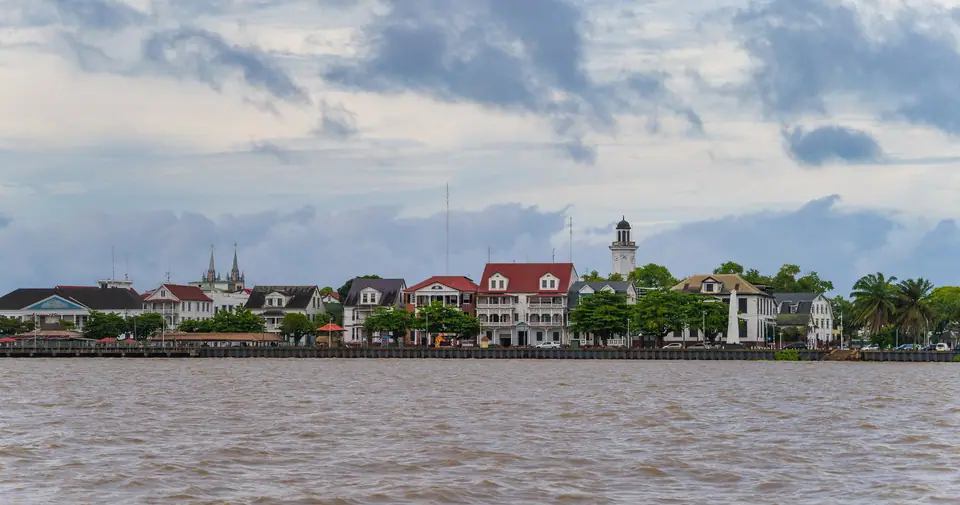
Paramaribo pairs historic wooden colonial streets along the Suriname River with rich regional cuisine and dense green tropical riverfront parks.
Quick decisions
How many days?
Three days allow unhurried walks through the wooden historic core, riverside forts, and evening food stops before heading upriver into the interior.
Where should I stay?
Base yourself near the central historic riverside for walking access, or pick Combé for quiet residential streets bordered by mature mahogany trees.
Do I need a car?
You do not need a private car in town, as walking and shared minibuses cover the core without parking complications.
Best for
Travellers fascinated by wooden architectural heritage, diverse South American culinary traditions, and direct boat connections into lush tropical waterways.
Before you go
Prepare for tropical humidity, carry cash for river ferries, and check seasonal rain patterns to pack light waterproofs.
Getting around
Cover inner city streets on foot, flag local minibuses for cross-town trips, and take small wooden passenger boats across the wide river.
Continue your trip
Board licensed boats or interior flights upriver, keeping flexible buffer days for seasonal rain shifts and variable river departures.
Overview
Paramaribo sits beside the wide Suriname River, displaying a distinctive urban fabric built largely from local timber during the colonial era. Streets reflect Dutch, Indigenous, African, Javanese, and Indian heritage through architecture, public markets, and religious buildings standing peacefully side by side.
Daily life moves at an easy tropical pace, waking early before midday heat settles over riverside quays. Travellers encounter a capital shaped by tidal waterways, where broad avenues open onto palm gardens and trading boats dock along the riverbank.
The central waterfront serves as the social anchor downtown. Shaded promenades invite late afternoon walks when river breezes soften equatorial humidity. Wooden verandas, louvered shutters, and raised brick foundations characterise surrounding townhouses built to stay clear of tidal dampness and tropical downpours.
Moving outward from the river, the street grid transitions into quiet residential quarters and busy commercial corridors. Public squares draw morning conversation and weekend gatherings for residents and visitors exploring on foot.
Getting there
Most overseas visitors land at Johan Adolf Pengel International Airport, situated south of the capital. Official shared minibuses and licensed airport taxis carry passengers into central hotels along the main paved highway.
Inside city limits, local route buses run frequently along designated avenues without fixed timetables. Small wooden boats depart from water stations along the riverbank, carrying commuters quickly across the river towards Meerzorg without bridge delays. Check airport shuttle and boat crossing notes before travelling.
Flagging a minibus takes only a hand gesture from any roadside kerb. Drivers accept small cash fares across suburbs and boat landings, while unmetered street cabs work best once destination fares are agreed beforehand. Bicycles also offer pleasant morning riding on flat river roads before afternoon warmth peaks, opening wide waterfront views near passenger ferries.
Where to stay
The historic inner core offers boutique lodging inside restored timber townhouses, placing major sights within crisp morning walking distance. River breezes cool waterfront properties, though market blocks turn lively at dawn.
For quieter surroundings, northern Combé offers guesthouses tucked beneath tall mahogany trees. Picking calmer garden blocks or riverfront resorts is straightforward using our guide to neighbourhood bases across town. Modern riverfront hotels add pools and dining decks for international visitors, whereas family guesthouses east of the central market suit longer interior trip budgets. Reserving early helps during peak dry months when river tours fill rapidly.
Things to do
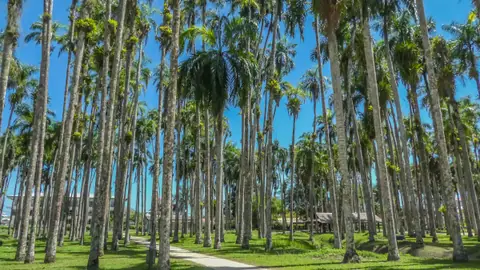
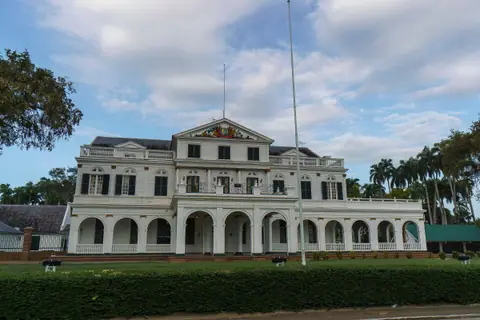
Begin around Onafhankelijkheidsplein, where broad grassy lawns face whitewashed civic halls and the brick fortress of Fort Zeelandia. Shaded pathways lead straight into the Palmentuin under tall royal palms filtering bright midday sunlight.
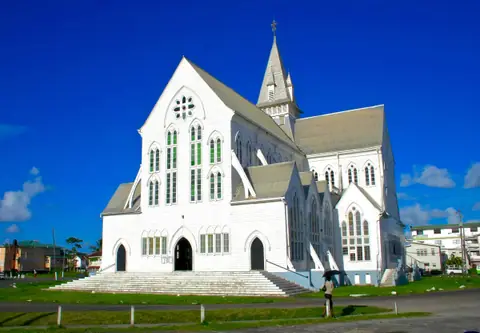
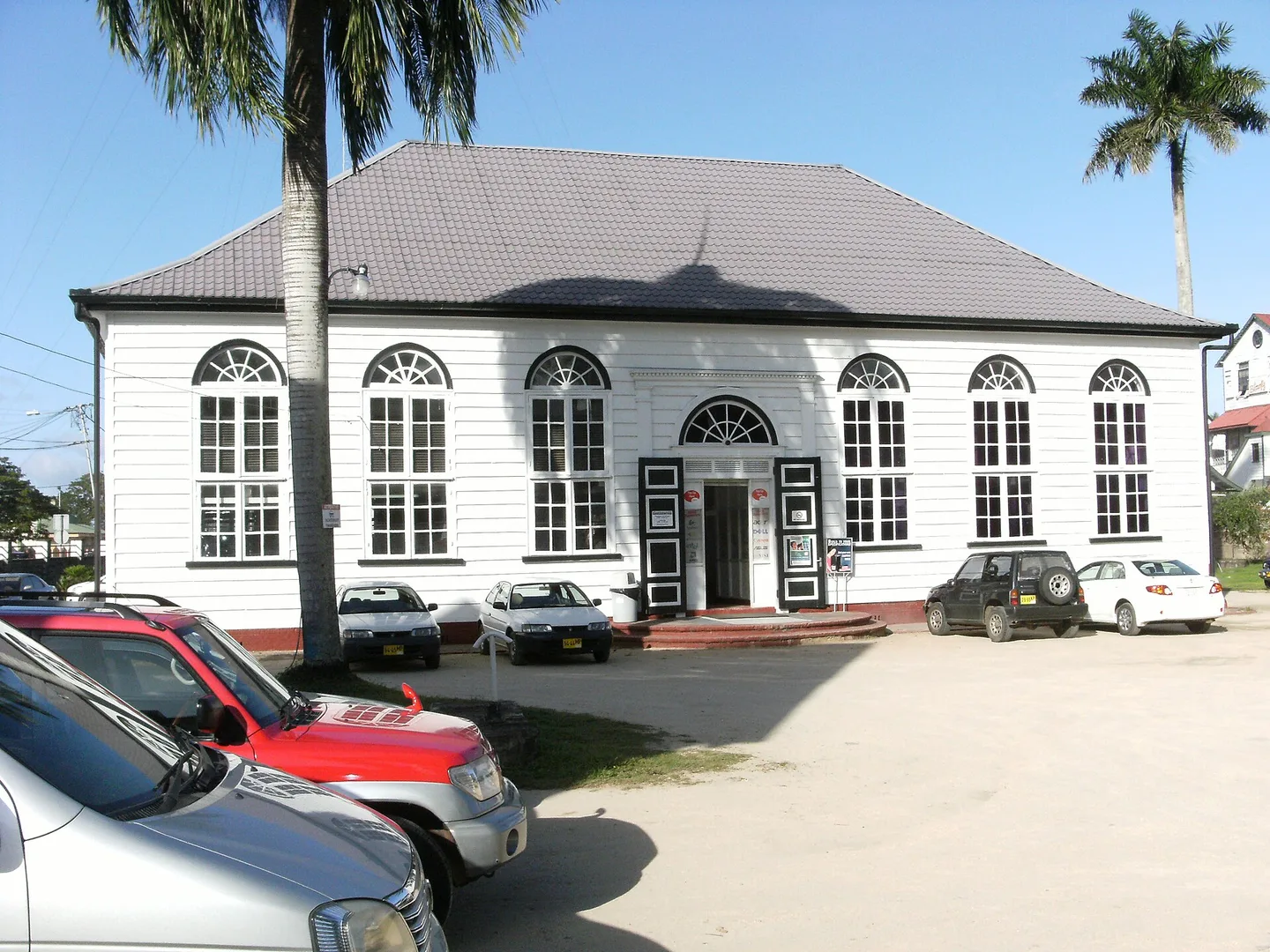
Follow the wooden quayside along Waterkant to view classical Dutch hardwood townhouses facing the river. Plan riverside stops using our three-day route paired with curated cultural landmarks. Inside Saint Peter and Paul Cathedral, unpainted tropical cedar woodwork scents one of the largest timber sanctuaries in the Western Hemisphere. Along Keizerstraat, the Neveh Shalom Synagogue and the Suriname Islamic Association Mosque share adjoining garden walls peacefully.
Food and drink
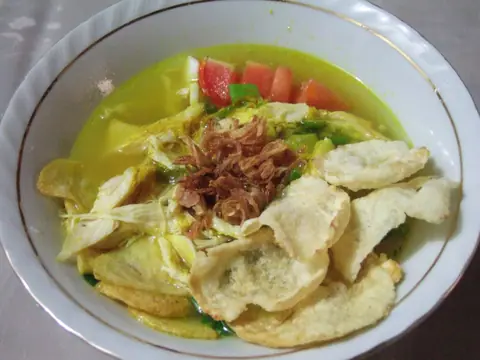
Paramaribo cooking blends Javanese, Creole, Hindustani, and Chinese traditions across street stalls and courtyard restaurants. Neighbourhood stands serve fragrant Javanese saoto soup, spiced bami noodles, crisp cassava snacks, and warm roti folded around curried vegetables and tender stewed chicken.
Fresh river fish, tamarind pods, and colourful tropical fruit fill the Central Market each morning. Evening diners head north to Blauwgrond for wood-grilled chicken satay, crispy bakabana plantains, and baked cassava pom featured in our local dish and warung directory. Chinese cafes keep kitchens running late with roast pork, crisp garden greens, and steaming noodle soups alongside chilled dawet and fresh ginger drinks.
Culture
Suriname's capital takes deep pride in shared civic spaces where the central mosque and synagogue share adjoining yards along Keizerstraat. Dressing modestly with covered shoulders and knees keeps temple visits respectful across every religious compound.
Paramaribo holds warm equatorial temperatures year-round between 28.6°C and 32.3°C across monthly cycles. Pack a light folding umbrella for passing tropical showers, especially across May and June when monthly totals reach 368 mm and 331 mm. September and October turn far drier near 77 mm and 97 mm under clear blue skies. Breezy cotton clothing, sun cream, and refillable water bottles keep daytime river walks pleasant despite coastal humidity.
Sranan Tongo serves as a widespread lingua franca spoken alongside Dutch in daily street trade. Learning polite local greetings opens warm conversations at market counters, wooden boat piers, and neighbourhood cafes.
Official prices and opening hours
- Fort Zeelandia & Surinaams MuseumOfficial site ↗
Weather by month
Paramaribo is warmest in October, with average highs around 32°C, and coldest in January, when nights drop to about 23°C. May is the wettest month by rainfall (368 mm), with rain on most days.
| Month | Low | Range | High | Rain | Rainy days |
|---|---|---|---|---|---|
| Jan | 23°C | 29°C | 129 mm | 21 d | |
| Feb | 24°C | 29°C | 107 mm | 17 d | |
| Mar | 24°C | 30°C | 96 mm | 17 d | |
| Apr | 24°C | 29°C | 240 mm | 22 d | |
| May | 24°C | 29°C | 368 mm | 30 d | |
| Jun | 24°C | 29°C | 331 mm | 29 d | |
| Jul | 24°C | 30°C | 276 mm | 28 d | |
| Aug | 24°C | 31°C | 152 mm | 22 d | |
| Sep | 24°C | 32°C | 77 mm | 16 d | |
| Oct | 25°C | 32°C | 97 mm | 16 d | |
| Nov | 24°C | 31°C | 146 mm | 21 d | |
| Dec | 24°C | 29°C | 203 mm | 26 d |
Averages of daily values from 2015 to 2024. Rainy days are days with at least 1 mm of rain. Source: Open-Meteo · Compare destinations by month.
Paramaribo on the map
Every place we cover in Paramaribo. Tap a category or pin to explore.
In-depth Paramaribo guides
Browse the guides grouped by topic: sights, neighbourhoods, food, transport, day trips and trip planning.
Sights, Landmarks & Parks
Key monuments, viewpoints, museums and nature trails.
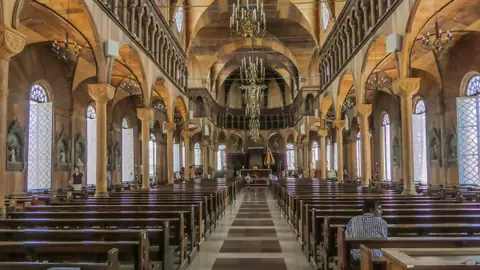 What to Do in Paramaribo: Fort Zeelandia and Historic Timber LandmarksParamaribo offers wooden colonial architecture, riverside masonry fortifications, and open civic squares that tell the deep history of Suriname.
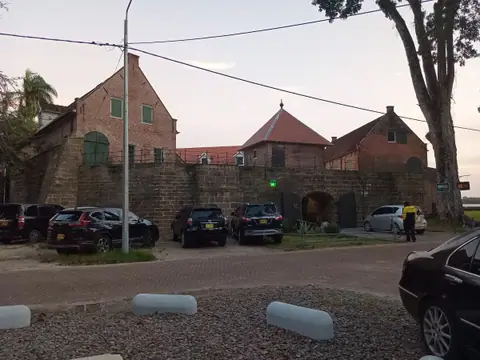 Fort Zeelandia, Onafhankelijkheidsplein, and PalmentuinRiverside fortifications, the grand presidential lawn, and tall royal palm groves define the historic core of Paramaribo.
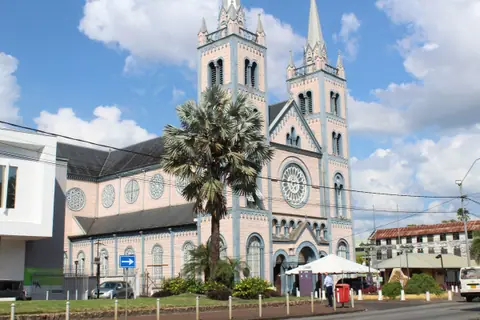 Saint Peter and Paul, Mosque and Synagogue: Paramaribo Religious ArchitectureParamaribo presents an exceptional urban meeting of faiths, displaying monumental timber churchcraft alongside a peaceful shared boundary between mosque and synagogue.
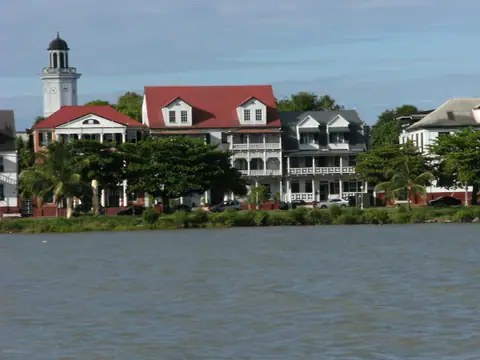 Waterkant, Central Market and UNESCO Wooden Streets of ParamariboParamaribo presents an exceptional blend of Dutch timber architecture and tropical riverbank life along the historic bends of the Suriname River.
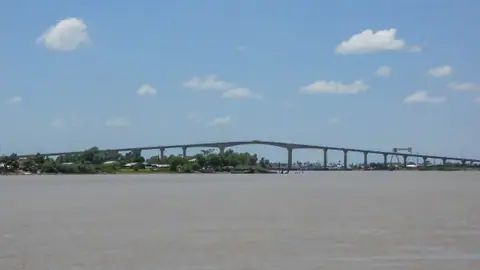 Jules Wijdenbosch Bridge, Peperpot Nature Park and Meerzorg GuideCrossings over the Suriname River trace former plantation grounds, coastal bird habitats, and cycling trails in Commewijne.
Neighbourhoods & Where to Stay
Districts, historic quarters and the best bases for your stay.
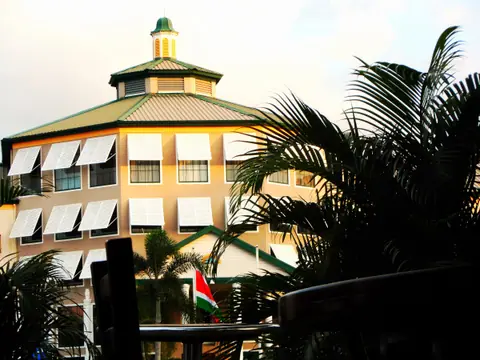 Where to Stay in Paramaribo: Waterfront Resorts, Heritage Guesthouses and RainvilleSelecting lodging in Paramaribo places you beside flowing tidal waters, historic colonial timber architecture, or leafy northern garden suburbs.
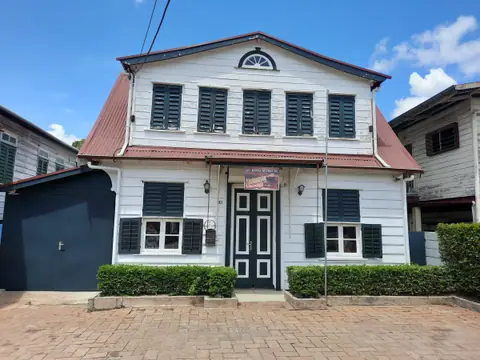 Blauwgrond, Cultuurtuin and Koto Museum Field GuideNorthern Paramaribo gathers verdant botanical avenues, starched Afro-Surinamese textile heritage, and family warungs serving classic Javanese dishes across quiet residential lanes.
Food & Drink
Local dishes, markets, cafés and dining districts.
Getting Around & Arrival
Airport transfers, public transit, passes and driving rules.
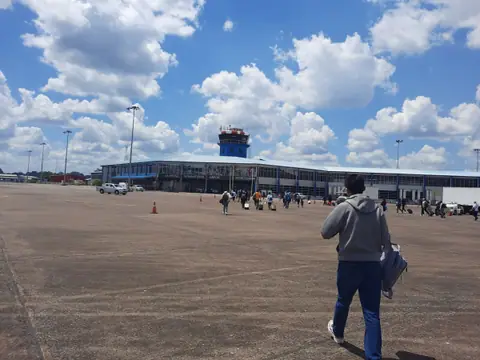
Day Trips & Excursions
Easy half-day and full-day trips from the city.
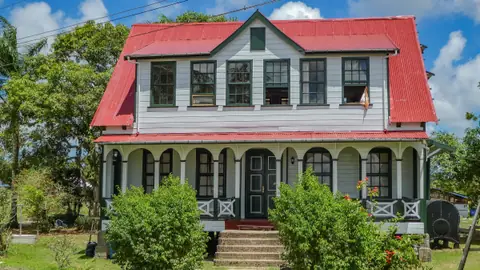 Commewijne River Plantations, Fort Nieuw Amsterdam and River Dolphin ExcursionsWe trace the tidal Commewijne River by wooden boat to explore colonial plantation sluices, coastal ramparts, and resident river dolphins.
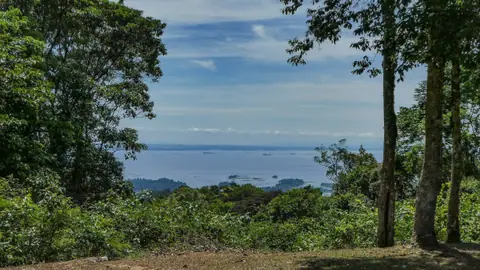 Day Trips from Paramaribo to Brownsberg, Brokopondo and JodensavanneThree excursions south along the Suriname River lead travellers into primary rainforest trails, vast flooded reservoirs, and colonial settlement ruins.
 Coastal Wildlife and Turtle Reserves Around ParamariboCoastal reserves near the capital shelter nesting sea turtles, red ibis flocks, and shifting mangrove estuaries.
Trip Planning & Itineraries
When to visit, what to pack and day-by-day routes.
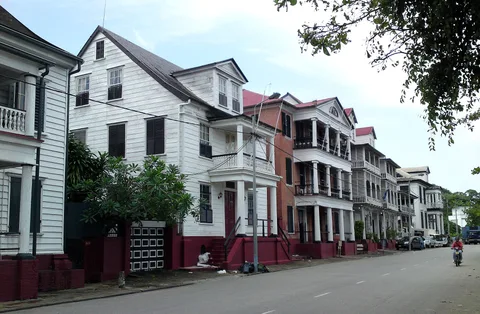 Paramaribo Field Guide: UNESCO Wooden Quarter, Riverfront Walks and Urban TransitParamaribo pairs Dutch timber architecture with tropical river breezes, offering a compact South American capital that rewards unhurried foot travel.
 When to Experience Paramaribo Across Sunshine, Deluges and FestivalsWe navigate equatorial sunshine, sudden tropical squalls, and grand cultural gatherings across the historic riverside quarters of Paramaribo together.
 Three Days in Paramaribo: Colonial Timber, River Crossings and Plantation TrailsThree days in the Suriname capital reveal historic wooden streets, river ferry crossings, and shady plantation trails east across the water.
Need your embassy or consulate in Suriname? See embassies and consulates in Suriname.
Reviews
Log in to write a review.
No reviews yet.