Manaus
Manaus pairs opulent rubber boom architecture with vast river routes, anchoring travel through the central Brazilian Amazon basin.
Quick decisions
How many days?
Plan three days for the historic core and river trips. Add extra days for deeper forest excursions.
Where should I stay?
Pick Centro for walkable access to heritage architecture. Choose Ponta Negra if you prefer modern riverfront promenades and newer hotels.
Do I need a car?
You do not need a private car in the city. App-based taxis serve urban streets, while river boats connect forest destinations.
Best for
Travellers interested in tropical river ecology, nineteenth-century architecture, and traditional Amazonian freshwater fish dishes.
Before you go
Pack lightweight, breathable cotton clothing and strong insect repellent. Afternoon tropical downpours happen throughout the entire year.
Getting around
Walk between historic sights around Largo de São Sebastião by day. Book licensed boats at the port for river journeys.
Overview
Manaus rises along the eastern bank of the Rio Negro, just above its meeting with the Rio Solimões. The city grew rapidly during the late nineteenth-century rubber boom. This period left grand public buildings in the middle of dense equatorial forest, linking indigenous riverlands with European stone craftsmanship.
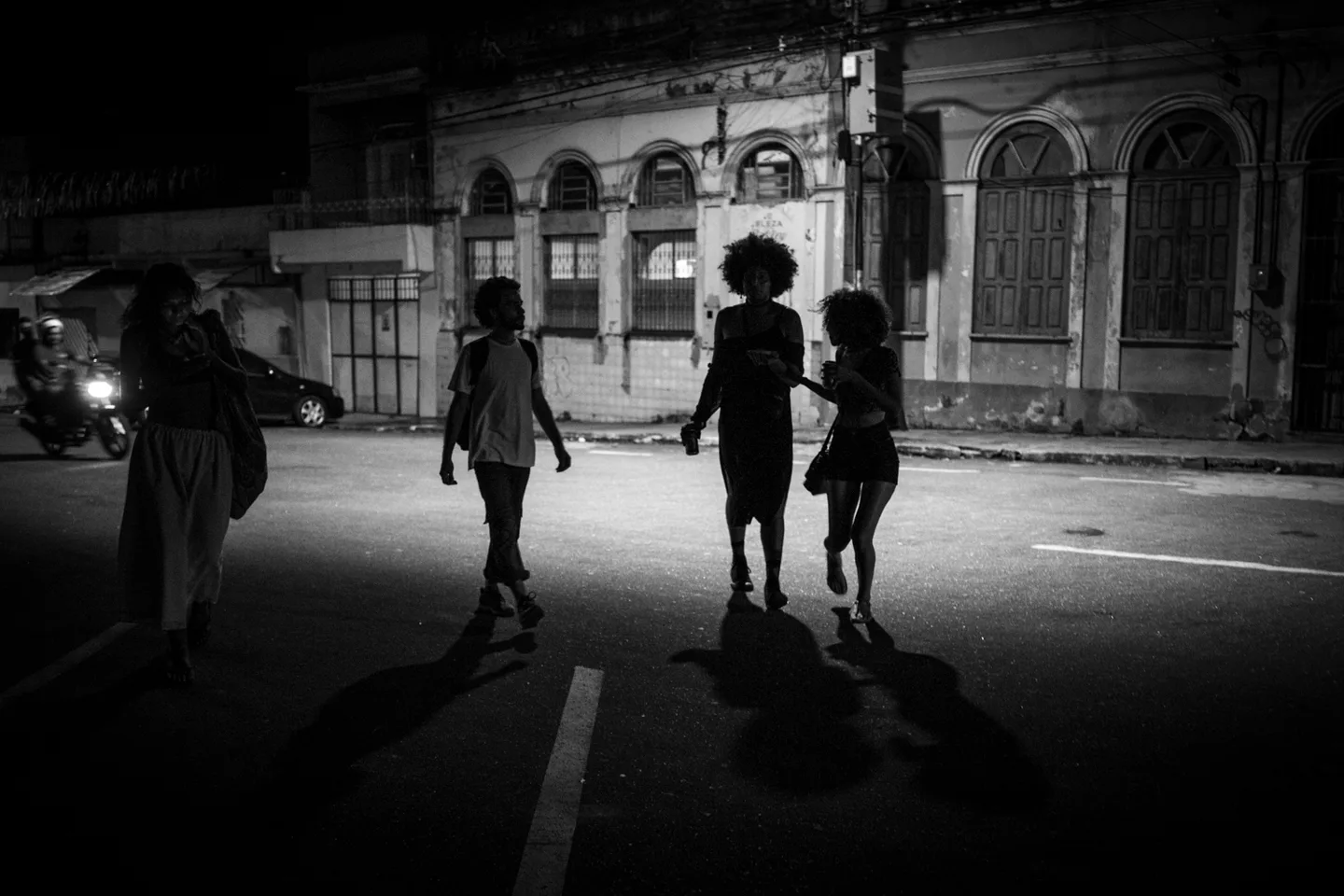
Today, modern commerce mixes with traditional river traffic, creating a distinctive urban gateway to northern Brazil. Daily life here follows the seasonal rise and fall of the great rivers rather than conventional terrestrial road networks.
Humid heat defines daily routines throughout the calendar year. Verified climate data indicates daytime temperatures routinely reaching 29.2°C to 32.9°C across all twelve months. Monthly rainfall ranges from 43 mm during September to 291 mm in March. Planning forest excursions during morning windows helps keep outdoor walks far more comfortable than exposed afternoon climbs.
Travellers encounter an active river port where cargo barges, wooden smacks, and regional passenger ferries line the floating docks. The historic urban centre displays weathered neoclassical facades, pastel colonial townhouses, and ceramic-tiled civic mansions. Nearby ironwork market halls burst with wild rainforest fruits, cassava flours, and fresh river fish daily.
Getting there
Eduardo Gomes International Airport handles domestic flights from major Brazilian hubs and selected international routes. Because road connections across the surrounding forest are strictly limited, scheduled commercial aviation and passenger boats form the principal ways in.
Pre-booked transfer cars or airport taxis carry visitors directly into the central district. The journey takes travellers through expanding commercial suburbs before arriving at historic palm-lined avenues.
Within urban boundaries, municipal bus routes cover wide networks across town. Licensed ride-hailing apps offer the simplest option for visitors crossing between distant sectors. Port terminals host express speedboats and multi-day passenger ferries heading along the vast Amazon basin waterway network.
Regional connections, port docks, and inland highway details are outlined in our district transit and orientation guide.
Where to stay
Choosing where to sleep depends on whether you seek historic atmosphere or relaxed waterfront dining. The Centro district puts you steps from late-nineteenth-century plazas, museums, and ironwork market halls.
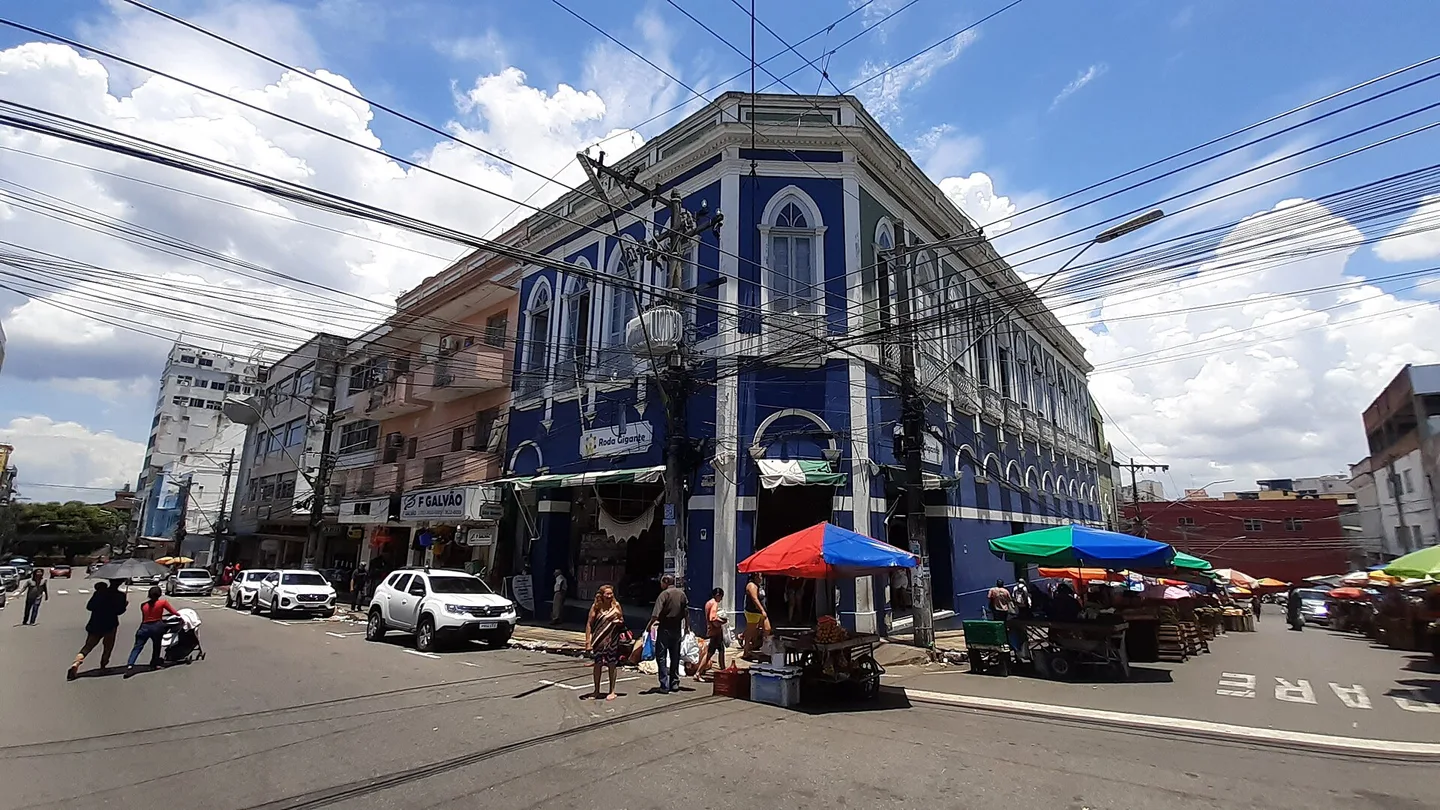
Staying near Largo de São Sebastião allows easy daytime walking to evening music recitals and open outdoor terrace tables. Preserved townhouses in this quarter often house small guesthouses and independent boutique lodgings.
Ponta Negra sits further northwest along the riverfront, offering contemporary tower blocks and wide evening promenades. The district suits visitors who prefer calmer residential surroundings away from commercial port noise.
Compare riverside walks and central heritage streets in our neighbourhood base comparison before booking your stay.
Things to do
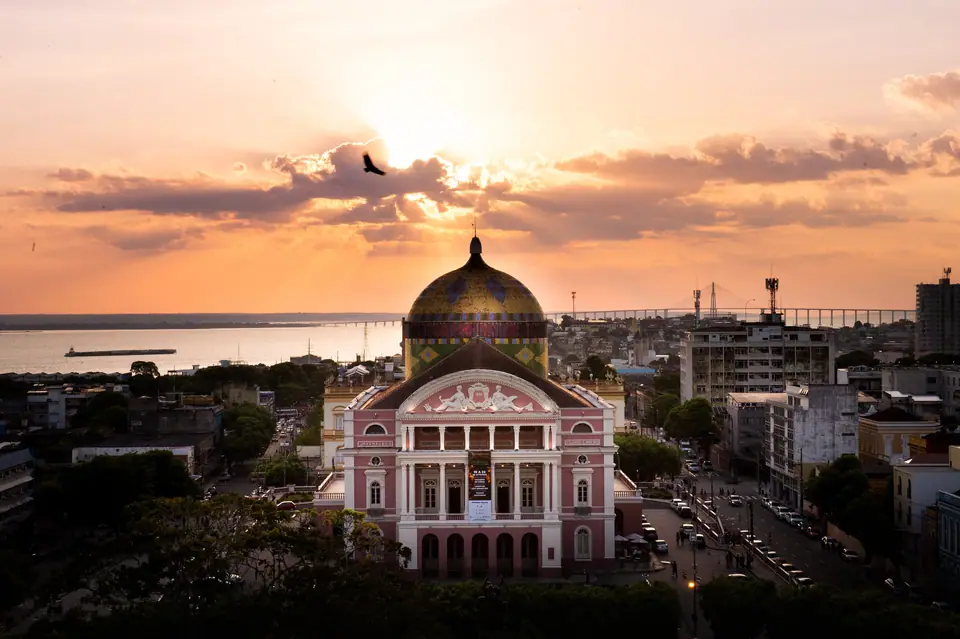
The pink neoclassical facade of Teatro Amazonas anchors the central heritage quarter. Visitors walk past Italian marble staircases and ornate ceiling murals beneath the colourful glazed ceramic dome.
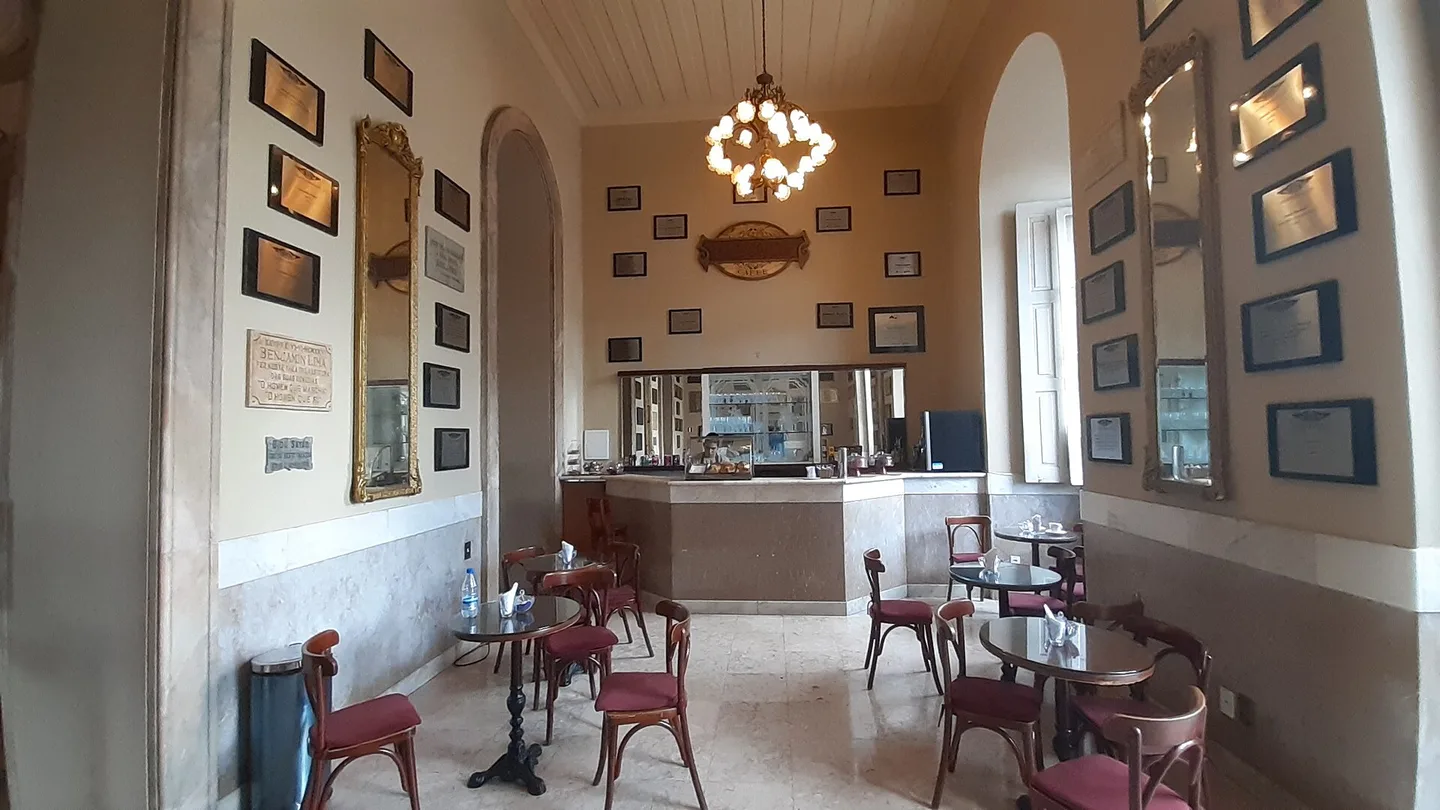
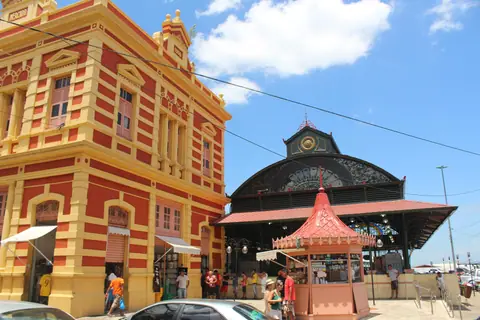
Down at the riverbank, Mercado Adolpho Lisboa reveals cast-iron frameworks housing vendors of traditional remedies, dried herbs, and woven indigenous crafts. The waterfront promenade overlooks working wooden passenger vessels loading regional timber and agricultural cargo.
River excursions set out daily towards the Encontro das Águas, where dark Rio Negro waters meet pale Solimões currents without quickly mixing. Forest reserves on urban fringes showcase tall rainforest canopies, orchid gardens, and diverse native wildlife.
Travellers can organise daytime visits around our key city landmarks and river parks or follow our structured three-day river and heritage schedule.
Food and drink
Amazonian cuisine revolves around local river species, forest fruits, and ancient indigenous cooking techniques. Regional menus feature tambaqui ribs roasted over charcoal, alongside filhote steaks cooked with rich tucupi sauce derived from wild manioc roots.
Street stalls serve freshly fried pastéis stuffed with heart of palm or flaky pirarucu river fish. Breakfast frequently includes crisp tapioca crepes folded over melted cheese and orange tucumã palm fruit slices.
Diners cool off during hot afternoons with thick bowls of açai, served locally in savoury pairings alongside toasted manioc flour rather than sweet syrups. Outdoor eateries around central squares offer shaded tables beneath mature mango trees.
Culture
Manaus balances indigenous traditions, Portuguese settler roots, and northeastern migration patterns. Local residents embrace relaxed riverside social customs, gathering at open-air plaza cafés as the daytime tropical heat eases into warm dusk.
Modest, polite interaction is standard when greeting vendors across market stalls and neighbourhood shops. Conservation rules protect surrounding forest reserves, requiring visitors to stay strictly on marked wooden trails during canopy walks.
When attending evening performances at Teatro Amazonas, smart casual dress is welcomed by theatre staff. Plan outdoor trips around dry spells using our seasonal weather and river level notes.
Official prices and opening hours
- Teatro Amazonas (Largo de São Sebastião)Official site ↗
- MUSA — Museu da Amazônia (Reserva Ducke)Official site ↗
Weather by month
Manaus is warmest in September, with average highs around 33°C, and coldest in June, when nights drop to about 24°C. March is the wettest month by rainfall (291 mm), with rain on most days.
| Month | Low | Range | High | Rain | Rainy days |
|---|---|---|---|---|---|
| Jan | 24°C | 30°C | 235 mm | 24 d | |
| Feb | 24°C | 29°C | 238 mm | 23 d | |
| Mar | 25°C | 29°C | 291 mm | 26 d | |
| Apr | 24°C | 29°C | 243 mm | 27 d | |
| May | 24°C | 29°C | 215 mm | 26 d | |
| Jun | 24°C | 30°C | 118 mm | 19 d | |
| Jul | 24°C | 31°C | 51 mm | 12 d | |
| Aug | 25°C | 32°C | 43 mm | 8 d | |
| Sep | 26°C | 33°C | 60 mm | 11 d | |
| Oct | 26°C | 32°C | 84 mm | 13 d | |
| Nov | 25°C | 31°C | 132 mm | 19 d | |
| Dec | 25°C | 30°C | 254 mm | 26 d |
Averages of daily values from 2015 to 2024. Rainy days are days with at least 1 mm of rain. Source: Open-Meteo · Compare destinations by month.
Manaus on the map
Every place we cover in Manaus. Tap a category or pin to explore.
In-depth Manaus guides
Browse the guides grouped by topic: sights, neighbourhoods, food, transport, day trips and trip planning.
Sights, Landmarks & Parks
Key monuments, viewpoints, museums and nature trails.
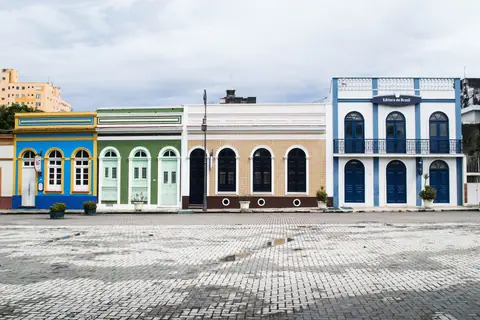 Best Things to Do in Manaus: Opera House, River Confluence and Canopy TowersGrand rubber-boom landmarks, floating harbour markets, forest canopies, and legendary river confluences define northern Brazil.
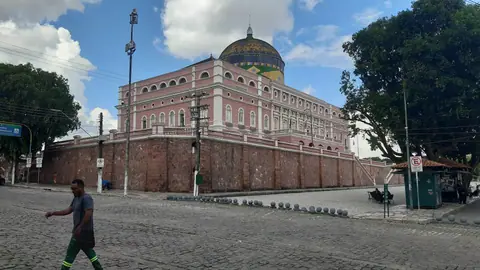 Teatro Amazonas and Largo de São Sebastião: Belle Époque Heart of ManausTeatro Amazonas anchors the historic square of Largo de São Sebastião, presenting fine Amazonian architecture from the late nineteenth century.
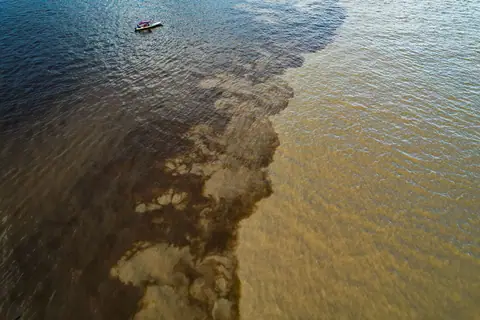 Encontro das Águas and Janauari: Manaus River ExcursionsWitnessing the distinct collision of dark and pale rivers creates a rewarding wildlife outing in the Amazon basin.
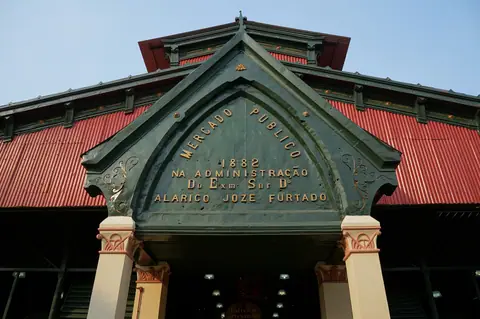 Mercado Adolpho Lisboa and Porto de Manaus: Riverfront HeritageWe trace the historic riverfront where European iron architecture meets the immense floating quays on the Rio Negro.
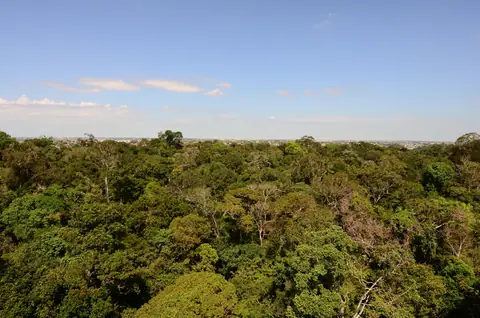 MUSA and Adolpho Ducke Forest: Climbing Above the Amazon CanopyPrimary rainforest trails, orchid collections, and the canopy observation tower await visitors at the edge of Manaus.
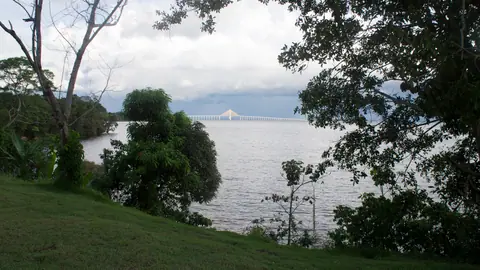 Ponta Negra, Praia da Lua and Rio Negro Beaches: Sands on Dark WatersGolden river beaches and dark tea-coloured waters create a distinct freshwater escape along the western rim of Manaus.
 INPA Bosque da Ciência and Urban Wildlife SanctuariesINPA Bosque da Ciência offers a quiet forest sanctuary in Manaus where scientific research and native wildlife rescue meet beneath shaded secondary canopy.
Neighbourhoods & Where to Stay
Districts, historic quarters and the best bases for your stay.
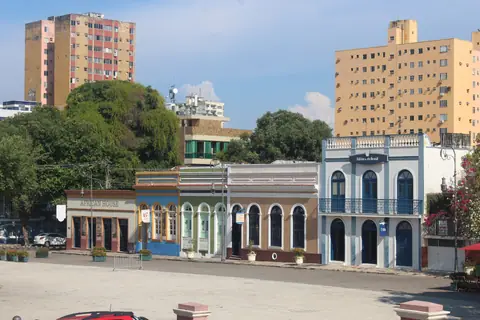
Food & Drink
Local dishes, markets, cafés and dining districts.
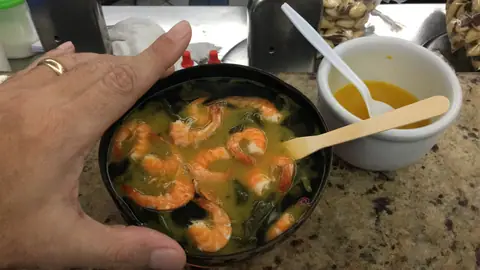
Getting Around & Arrival
Airport transfers, public transit, passes and driving rules.
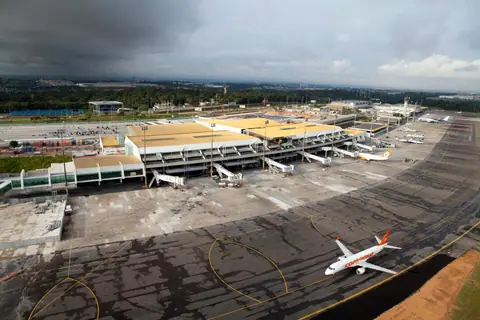
Day Trips & Excursions
Easy half-day and full-day trips from the city.
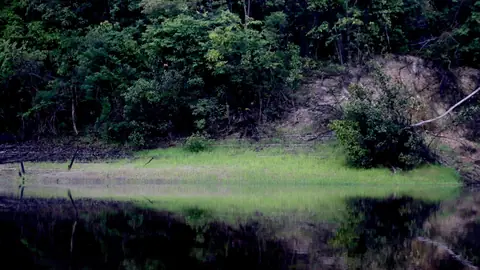 Anavilhanas Archipelago and Novo Airão: River Channels and Forest WatersBlackwater channels and flooded river islands create a quiet wilderness northwest of Manaus beside the settlement of Novo Airão.
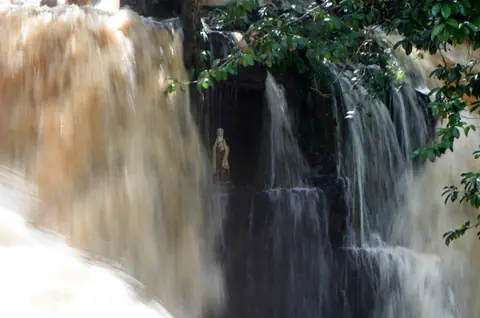 Presidente Figueiredo Waterfalls and Caves Day Trip from ManausSandstone caverns, jungle rivers, and cascading amber waterfalls shape a day journey north into Presidente Figueiredo from Manaus.
Trip Planning & Itineraries
When to visit, what to pack and day-by-day routes.
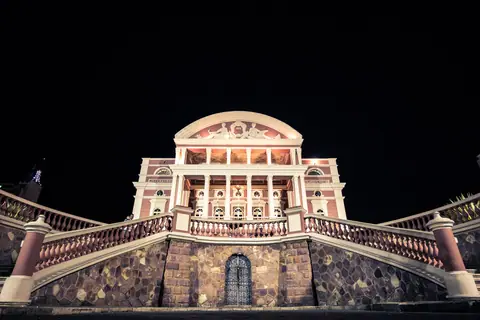 Manaus Field Guide: Navigating the Rubber Boom City and Rio NegroManaus anchors the central Amazon basin, blending ornate late-nineteenth-century architecture with vast riverways and dense primary rainforest reserves.
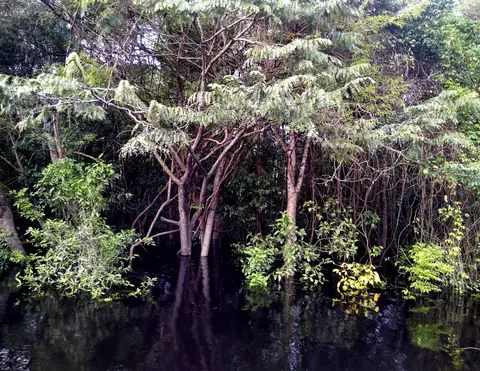 Manaus River Levels, Flood Seasons, and Equatorial PlanningPlanning a journey into the central Amazon requires understanding equatorial rainfall patterns, changing river heights, and regional flood cycles across the year.
 Three Days in Manaus: Opera House Echoes, Forest Trails and River ConfluencesWe outline three full days connecting rubber-boom civic architecture, riverside market quays, and the protected rainforest reserve.
Need your embassy or consulate in Brazil? See embassies and consulates in Brazil.
Reviews
Log in to write a review.
No reviews yet.