What to Eat in Manaus: Tacacá, Tambaqui Ribs and Amazonian Flavours
Amazonian cooking in Manaus combines forest rivers, Indigenous tucupi broth, and wild fruits into Brazil's most distinctive culinary culture.
Dining in the capital of Amazonas feels fundamentally distinct from eating anywhere else in South America. The vast river system and dense rainforest supply ingredients unknown across southern Brazil. Every meal turns into an introduction to native Indigenous botany. Yellow manioc juices, mouth-numbing herbs, and enormous freshwater fish define daily routines across both casual pavement stalls and neighbourhood taverns. Pairing these culinary meals with our Amazonian urban itineraries shows how river commerce shaped local dining habits over generations.
Street-Side Tacacá and Jambu Around Historic Squares
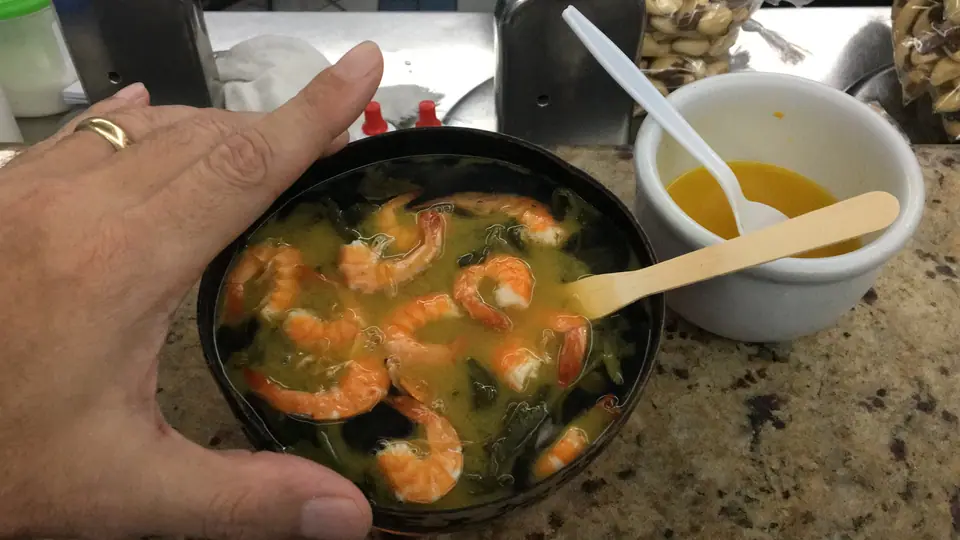
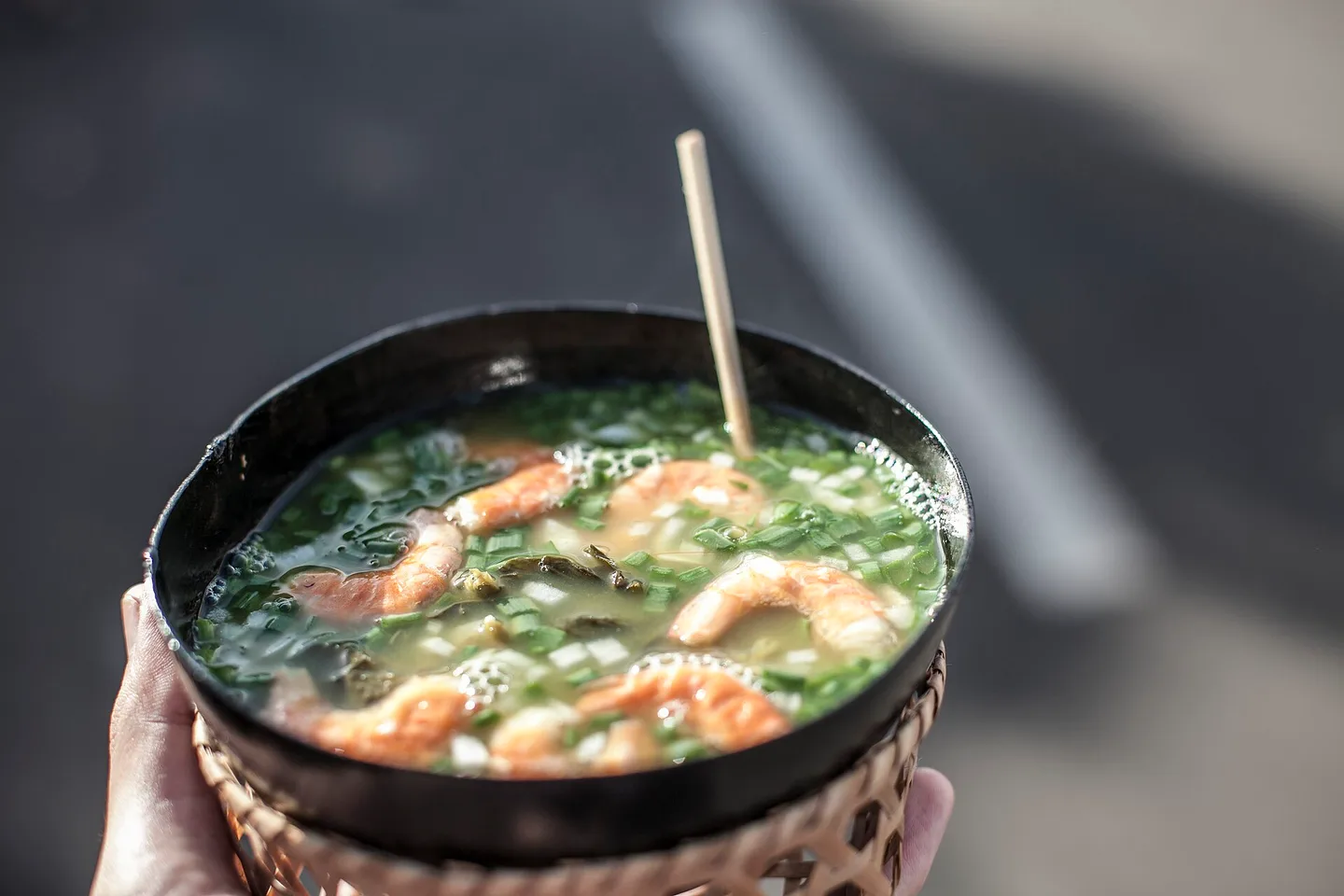
Late afternoons in the city bring cooler river breezes and the opening of street-side stalls run by traditional cooks known as tacacazeiras. The undisputed queen of these evening gatherings is tacacá, a piping-hot soup served in polished gourds called cuias. The foundation of the broth is tucupi, a wild yellow liquid extracted from wild manioc roots. Cooks simmer the liquid patiently to remove natural toxins. Into this steaming bath, the cook spoons velvety tapioca starch, sun-dried river prawns, and generous sprigs of jambu.
Jambu produces a delightful physical sensation on the tongue, creating a faint tingling vibration and mild numbness. This herb balances the sharp acidity of the fermented manioc broth. Regulars drink tacacá without spoons, sipping directly from the rim of the gourd. They use small wooden sticks to catch the prawns and greens. You can find excellent stalls operating around neighbourhood pavements and leafy squares. Visiting these stalls offers an ideal evening pause alongside our district transit overview for navigating central blocks.
River Giants: Tambaqui Ribs and Pirarucu Steaks
Freshwater fish form the structural foundation of lunch across the state. Two legendary species dominate local menus: tambaqui and pirarucu. The former feeds on fallen rainforest seeds, lending rich fat reserves to its succulent meat. Charcoal-grilled ribs from this prized species arrive blistered on the outside and remarkably tender within. Cooks serve the roasted cuts alongside toasted manioc flour, vinegary tomato salsa, and fresh white rice.
Pirarucu, one of the largest freshwater fish on earth, yields firm, boneless steaks with a mild flavour reminiscent of ocean cod. Cooks prepare it grilled over hardwood embers, baked in sweet coconut milk, or shredded into comforting clay-pot stews. The fish adapts gracefully to sun-drying, earning it the affectionate regional nickname of river cod among market merchants across the port.
- Costelas de Tambaqui: Meaty ribs barbecued over open coals with crispy skin and fragrant lime.
- Pirarucu de Casaca: Shredded salted fish layered with fried plantains, prunes, and toasted cassava crumbs.
- Caldeirada de Peixe: A fragrant river fish stew simmered with eggs, tomatoes, sweet peppers, and fresh coriander.
Forest Fruits: Tucumã, Açaí and Morning X-Caboquinho
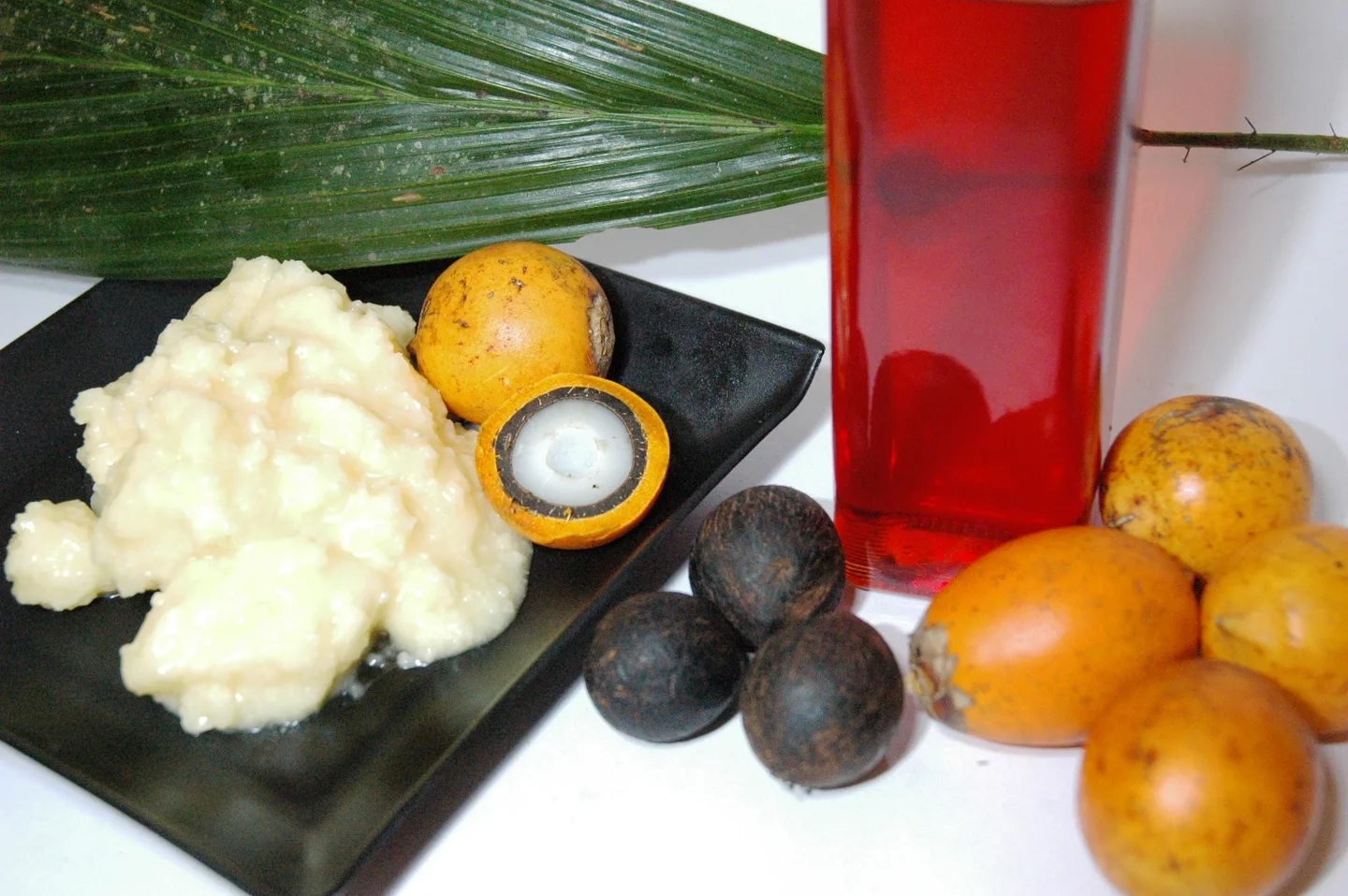
Breakfast in Manaus revolves around regional coffee shops known as cafés regionais. The signature morning order is the X-Caboquinho, a crusty French bread roll stuffed with warm coalho cheese, sweet fried plantains, and thin shavings of oily orange tucumã fruit. This bright palm pulp offers an earthy, nutty taste with rich natural oils that coat the palate smoothly. Locals pair the sandwich with strong black coffee sweetened with raw cane sugar.
Forest fruits also offer refreshing respite from equatorial heat. Unlike the sweetened, frozen bowls common abroad, pure Amazonian açaí is served thick and unsweetened. Vendors accompany each bowl with coarse tapioca pearls so diners can sweeten the dish to taste. Stalls also blend velvety cupuaçu pulp into tart juices, sweet puddings, and chilled creams that cut through humid afternoons.
Market Dining at Mercado Municipal Adolpho Lisboa
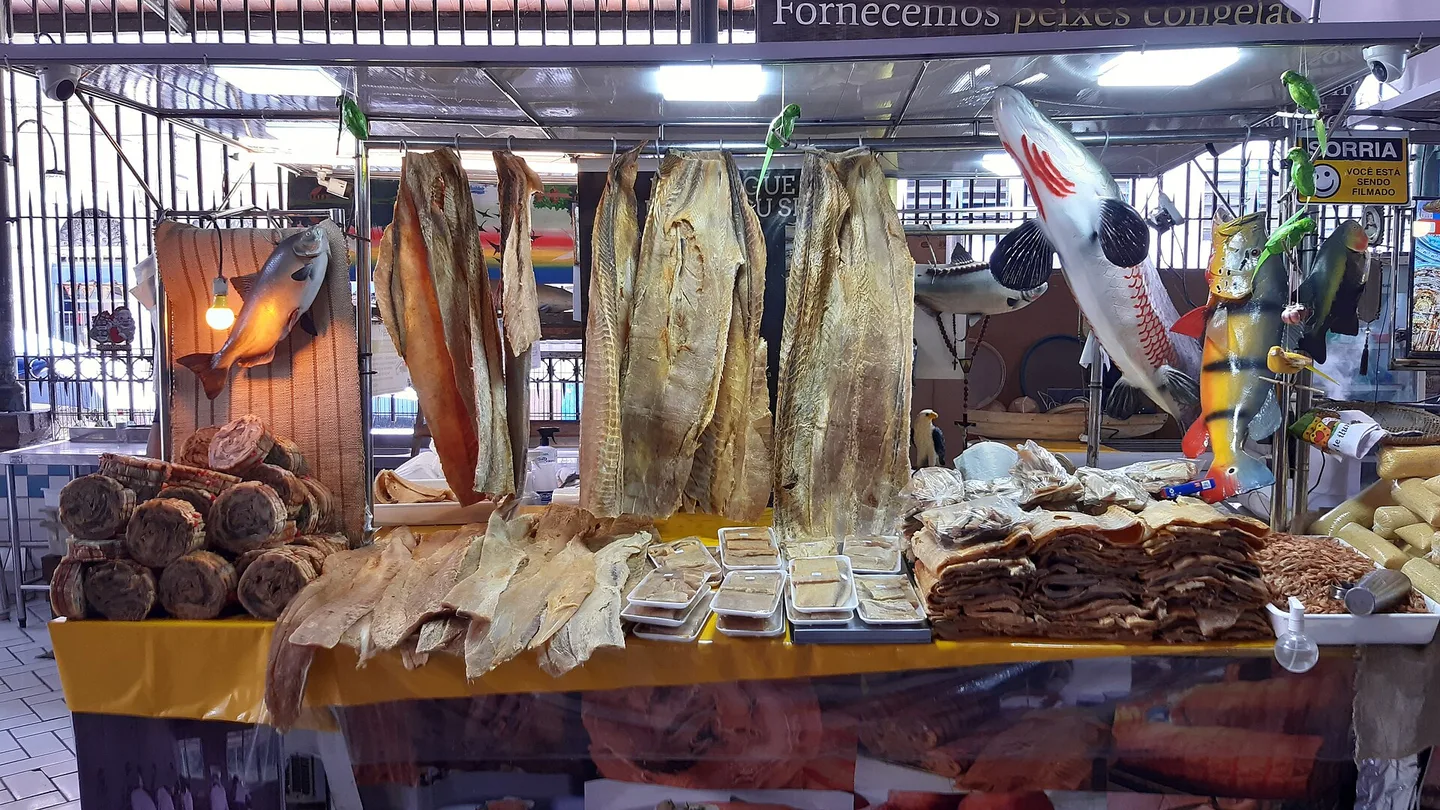
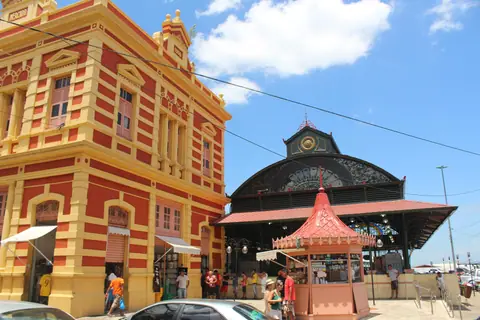
To experience the regional harvest at full throttle, head directly down to the waterfront halls of Mercado Municipal Adolpho Lisboa. Beneath decorative ironwork imported during the rubber boom, market traders pile mounds of raw fish, dried medicinal roots, and colourful bottles of homemade pepper infusions. The dining counters along the riverside pavilions cook what the boats deliver each dawn, serving hot plates from early morning onward.
| Dish or Ingredient | Primary Flavour Profile | Typical Setting |
|---|---|---|
| Tacacá | Tart, herbal, tingling, and savoury | Evening street stalls and historic squares |
| Tambaqui Ribs | Rich, smoky, and fatty | Casual riverside fish houses |
| X-Caboquinho | Savoury cheese with nutty fruit and sweet plantain | Morning bakery counters and regional cafés |
| Cupuaçu Juice | Intensely floral, tart, and creamy | Market fruit stalls and juice bars |
At these counter stools, meals come accompanied by small bottles of local hot sauce made by steeping fiery murupi chillies directly inside wild tucupi. A light splash awakens rich grilled fish fillets without masking the delicate smoke of the grill. Eating at the market gives visitors an authentic glimpse into the daily life of river communities who trade their forest harvests here.
Official prices and opening hours
- Teatro Amazonas (Largo de São Sebastião)Official site ↗
- MUSA — Museu da Amazônia (Reserva Ducke)Official site ↗
Where it is
- 1Manaus
- Eduardo Gomes International Airport (MAO) · about 9 km from Manaus in a straight line
- Directions in Google Maps
Stations and taxi ranks: OpenStreetMap. Airports: OurAirports. Distances are in a straight line.
Traveller tips
Real advice from people who have been to Manaus. Every tip is read by our team before it goes live.
No tips yet. Been here? Yours could be the first.
Thank you! Your tip will appear here after a quick review.
More in Manaus
Continue exploring Manaus with related neighbourhood, food, and planning guides
Manaus River Levels, Flood Seasons, and Equatorial Planning
Manaus, Brazil
Where to Stay in Manaus: Historic Centre, Ponta Negra and Rainforest Lodges
Manaus, Brazil
Three Days in Manaus: Opera House Echoes, Forest Trails and River Confluences
Manaus, Brazil
Teatro Amazonas and Largo de São Sebastião: Belle Époque Heart of Manaus
Manaus, Brazil
