MUSA and Adolpho Ducke Forest: Climbing Above the Amazon Canopy
Primary rainforest trails, orchid collections, and the canopy observation tower await visitors at the edge of Manaus.
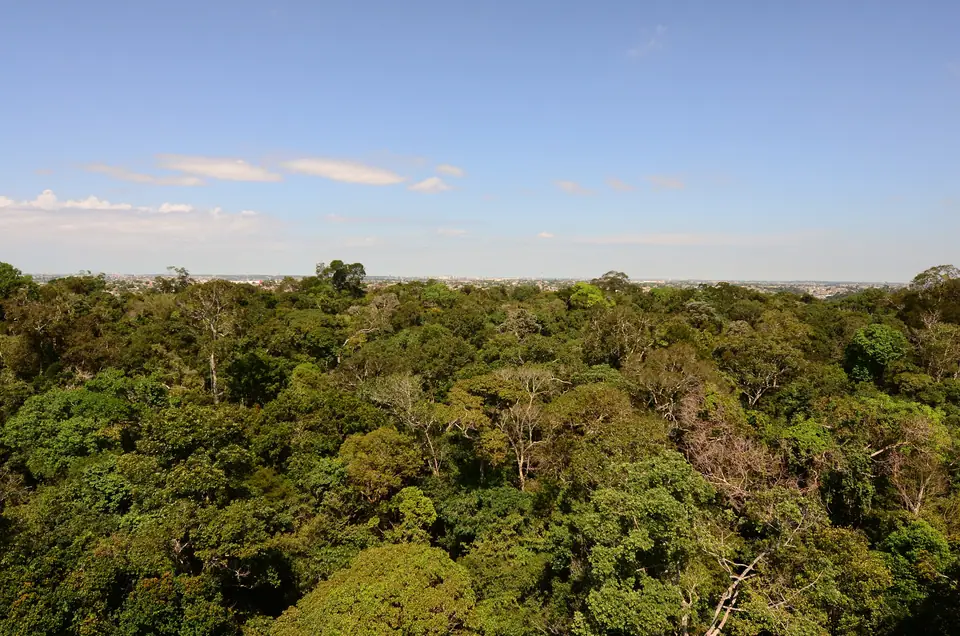
Standing on the forest floor of the Adolpho Ducke Reserve, the primary jungle rises in dense layers of palms, climbing vines, and straight hardwood trunks. The Museu da Amazônia, known locally as MUSA, occupies a protected corner of this immense botanical reserve on the northern boundary of the city. Climbing the metal stairs of the canopy observation tower lifts us through distinct environmental zones. We begin in the shadowed, humid understorey and gradually rise past thick epiphyte clusters. Emergent trees soon spread their wide branches beneath our feet. At the upper platform, the unbroken green carpet of the Amazon basin extends towards the horizon, uninterrupted by urban sprawl.
The tower ascent requires steady footing and comfortable footwear, especially when humidity blankets the forest. Early mornings bring cooler air and active birds moving through the uppermost foliage. Watching mist lift off the surrounding canopy reveals how much moisture this vast forest generates and recycles each day. Birdwatchers often see toucans, parrots, and tanagers darting between emergent branches at dawn. The elevated platform lets visitors study life at canopy level without disturbing nesting creatures in the upper boughs. Check official MUSA reserve portals ahead of your trip for current tower entry tickets and seasonal trail access rules.
Rainforest Trails and Botanical Displays
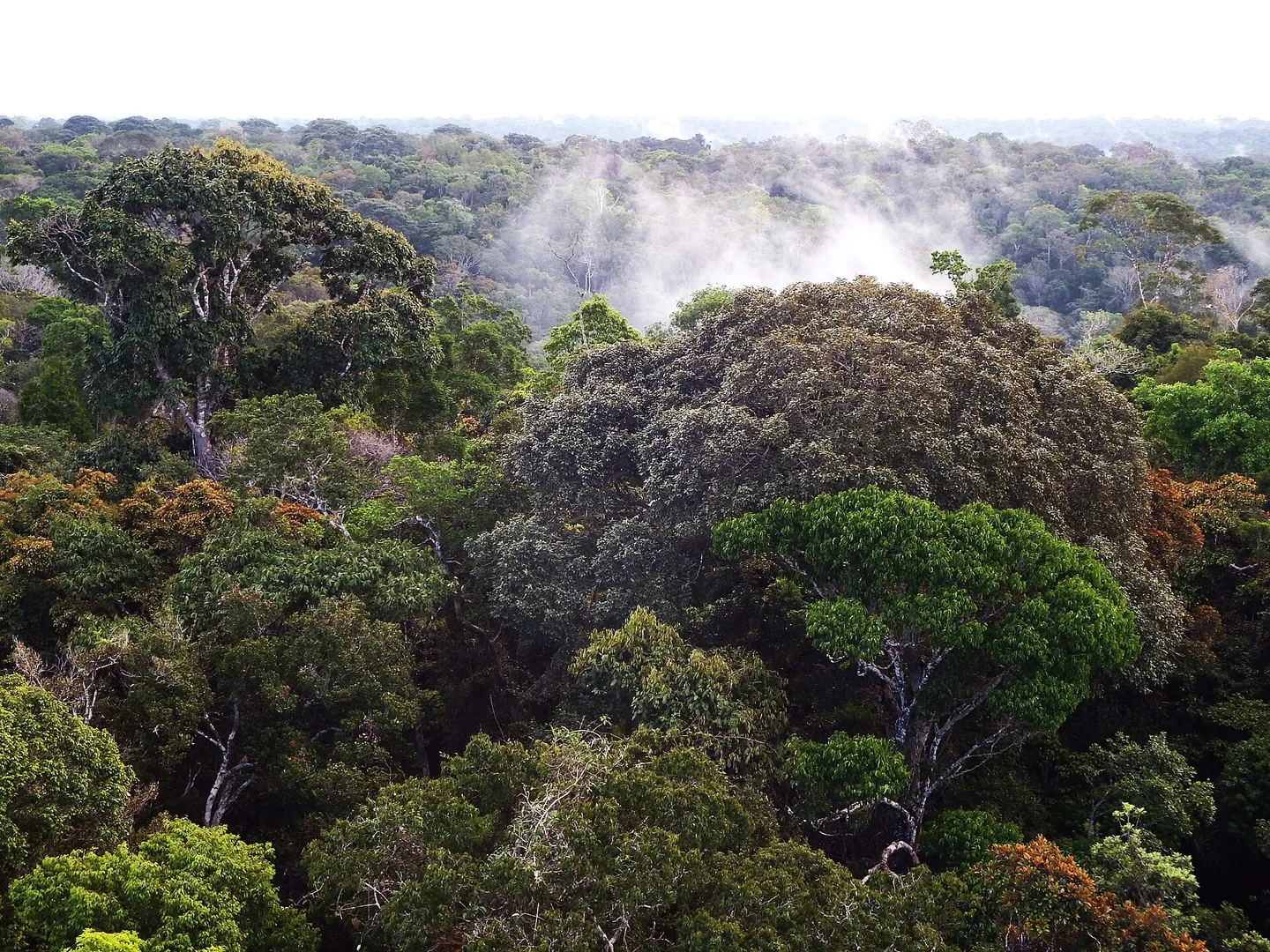
Returning to ground level, marked footpaths guide walkers across clay soil through primary terra firme woodland. These trails offer close views of buttress-rooted trees, colonies of leafcutter ants, and delicate fungal networks that break down fallen leaves on the forest floor. MUSA maintains specialised exhibits along the paths that highlight regional biodiversity without isolating organisms from their natural surroundings. We can observe traditional medicinal plants, cultivated orchids, and native Amazonian aquatic flora in dedicated clearings.
The orchid pavilion houses dozens of indigenous epiphytic species rescued from fallen branches across the reserve. Informational plaques explain how indigenous forest communities rely on diverse native barks, roots, and leaves for traditional medicine. Experienced forest guides lead interpretive walks that explain the ecological roles of specific fungi, insects, and timber species. Quiet groups frequently spot golden tamarin monkeys feeding in the mid-canopy along shaded loops.
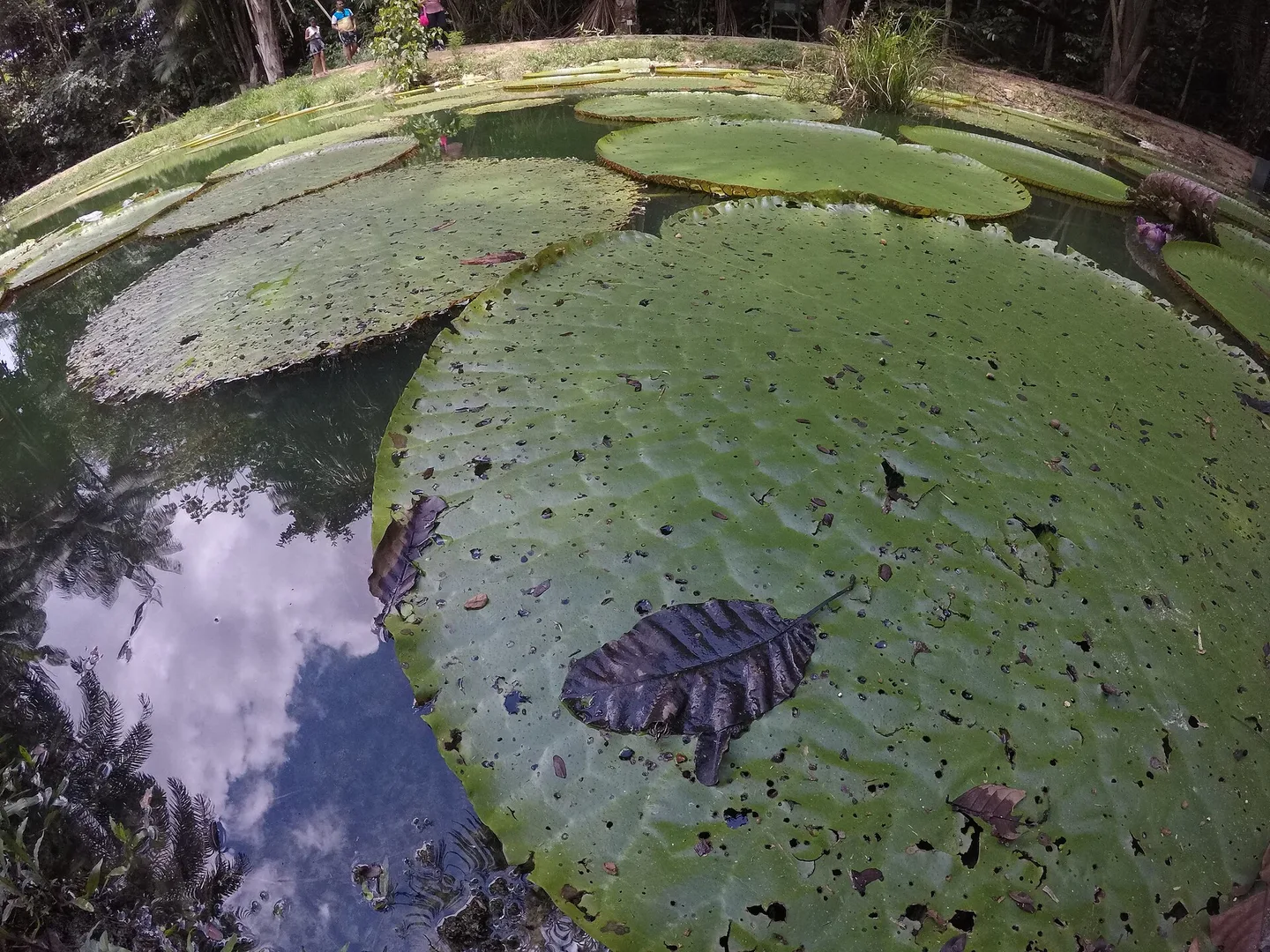
Large aquatic basins display the remarkable vitória-régia water lilies, whose floating leaves expand across the freshwater surface. Raised wooden boardwalks allow visitors to view the underside of these giant pads without disturbing delicate pond ecology. Fish tanks embedded along shaded clearings showcase native river species, including electric knifefish and freshwater stingrays. Moving quietly along these pathways increases our chances of spotting camouflaged tree frogs, hummingbirds, and brilliant blue morpho butterflies.
Planning Transit to the Adolpho Ducke Reserve
Reaching the reserve from central neighbourhoods requires travelling across residential suburbs towards the northern fringe of the city. Ride-hailing cars and pre-booked taxis offer the most direct journey, taking travellers north along major urban avenues. Local municipal buses also depart from central terminals, though they require additional journey time due to frequent stops. Pair northern bus routes with our city arrival and ground transfer notes so early departures stay relaxed.
| Route Component | Transport Choice | Travel Character |
|---|---|---|
| City Centre to MUSA Gate | Taxi or Ride-Hailing App | Direct suburban journey straight to entrance |
| Central Terminal to North Zone | Municipal Transit Bus | Budget route with numerous urban stops |
| Reserve Interior | Footpaths and Raised Boardwalks | Shaded walking through unpaved primary forest |
We recommend carrying plenty of drinking water, insect repellent, and lightweight rain gear in a secure daypack. Sudden tropical downpours can arrive quickly, turning clay paths soft and making tree roots slippery underfoot. Sturdy closed-toe walking shoes offer essential grip on natural soil trails. Visitors should stay on marked footpaths to protect fragile soil crusts and avoid disturbing animal burrows. Before setting out, check the museum's official visitor portal for wet-weather tower closures.
Connecting the Jungle Edge to Historic Manaus
Experiencing the dense ecology of the Adolpho Ducke Reserve enriches our understanding of the cultural history found in central districts. The contrast between primary wilderness and rubber-era architecture illustrates how rapidly the city expanded during the nineteenth century. After spending a morning surrounded by birdsong and forest foliage, heading south to key city squares and landmarks near Largo de São Sebastião introduces a completely different rhythm.
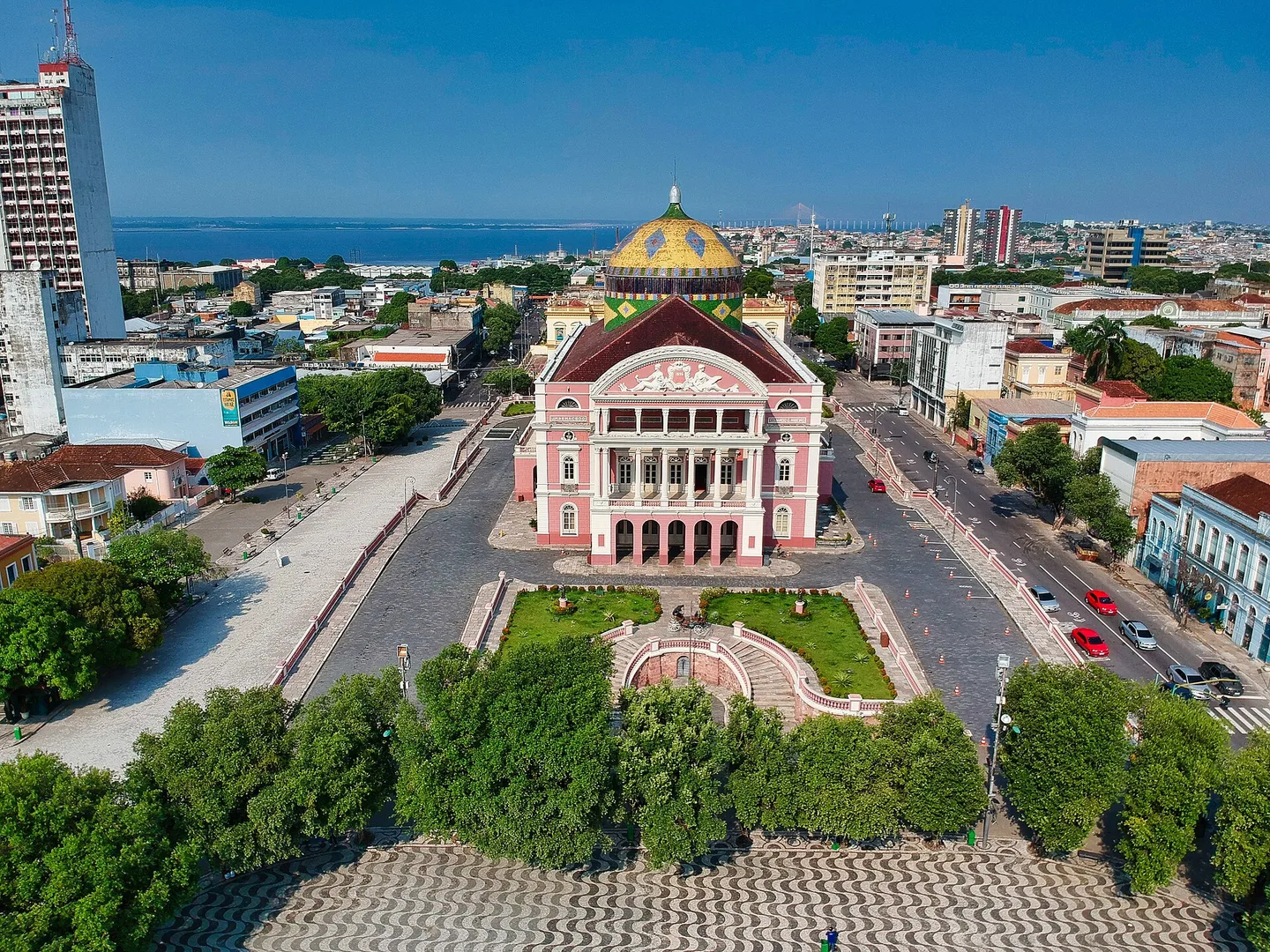
The grand stone facade and decorated dome of Teatro Amazonas reflect wealth derived directly from natural forest resources. Comparing the raw, complex botanical wealth at MUSA with the ornate European materials of the historic theatre shows how rubber barons reshaped the riverside port. Map out downtown stops using our district layout and walking guide to include additional museums and riverside markets. Building a balanced itinerary that pairs morning canopy walks with afternoon cultural stops lets us appreciate both the natural heritage and urban legacy of the regional capital.
- Walk slowly along the shaded paths to spot smaller reptiles and insects resting on tree bark.
- Ascend the metal observation tower during morning hours to avoid midday tropical heat.
- Observe the floating vitória-régia leaves from the wooden platforms near the main aquatic pavilion.
- Combine your forest outing with historic plazas downtown to appreciate the complete story of the settlement.
By stepping into the living forest at MUSA, we encounter the Amazon basin as an intricate system rather than an abstract concept. The reserve protects a vital ecological corridor while teaching visitors how soil, rainfall, and canopy layers interact. It remains one of the most rewarding outdoor experiences in the entire metropolitan area.
Official prices and opening hours
- Teatro Amazonas (Largo de São Sebastião)Official site ↗
- MUSA — Museu da Amazônia (Reserva Ducke)Official site ↗
Where it is
- 1MUSA and Adolpho Ducke Forest
- Eduardo Gomes International Airport (MAO) · about 13 km from here in a straight line
- Directions in Google Maps
Stations and taxi ranks: OpenStreetMap. Airports: OurAirports. Distances are in a straight line.
Traveller tips
Real advice from people who have been to Manaus. Every tip is read by our team before it goes live.
No tips yet. Been here? Yours could be the first.
Thank you! Your tip will appear here after a quick review.
More in Manaus
Continue exploring Manaus with related neighbourhood, food, and planning guides
INPA Bosque da Ciência and Urban Wildlife Sanctuaries
Manaus, Brazil
Manaus Field Guide: Navigating the Rubber Boom City and Rio Negro
Manaus, Brazil
Best Things to Do in Manaus: Opera House, River Confluence and Canopy Towers
Manaus, Brazil
Travelling to Manaus: Flights, River Boats and Highway BR-174
Manaus, Brazil
