Manaus Field Guide: Navigating the Rubber Boom City and Rio Negro
Manaus anchors the central Amazon basin, blending ornate late-nineteenth-century architecture with vast riverways and dense primary rainforest reserves.
Stepping out into central Manaus reveals an intriguing mix of dense humid air, grand nineteenth-century civic ambition, and immense river waterways. The city expanded rapidly during the rubber boom, leaving behind ornate civic structures that sit beside crowded trading streets near the water. We recommend starting your wanderings around the cobbled perimeter of Largo de São Sebastião, where public benches offer shady viewpoints towards historical facades. Always check official municipal museum portals ahead of arrival for current entry rules and exhibition access.
Historic Centro and Belle Époque Relics
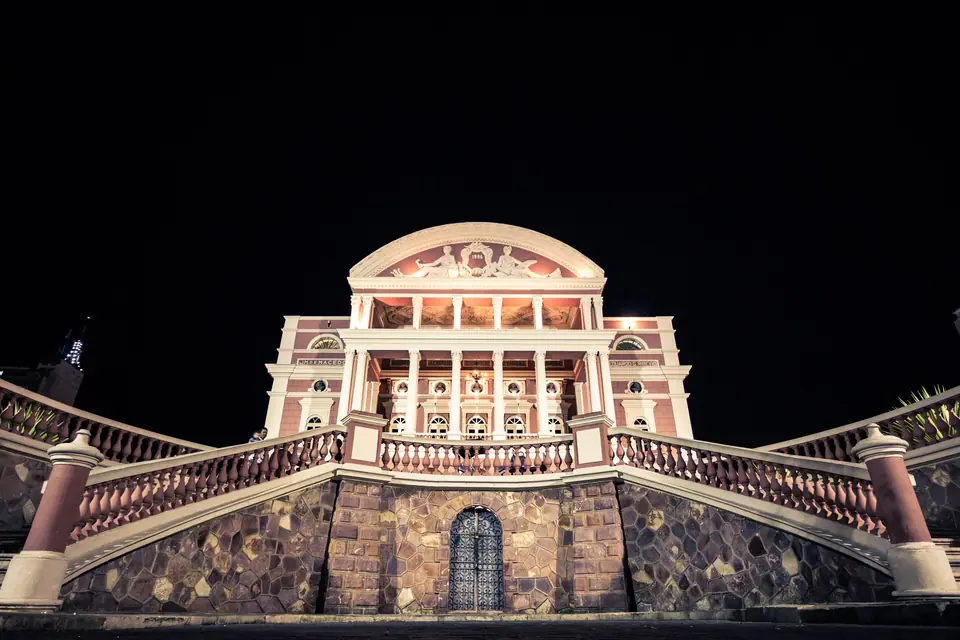
The cultural heart of the city centres on the Teatro Amazonas, whose ceramic tiled dome rises proudly above the historic square. The surrounding streets showcase rows of faded pastel townhouses, ornamental iron railings, and quiet plazas shaded by mature ficus trees. When you plan your route through this neighbourhood, look out for late-nineteenth-century facades displaying cast-iron balconies imported directly from Europe during the rubber boom. Visitors studying local architectural contrasts can link their day walk through the historic streets of Manaus to appreciate both domestic townhouses and monumental civic works.
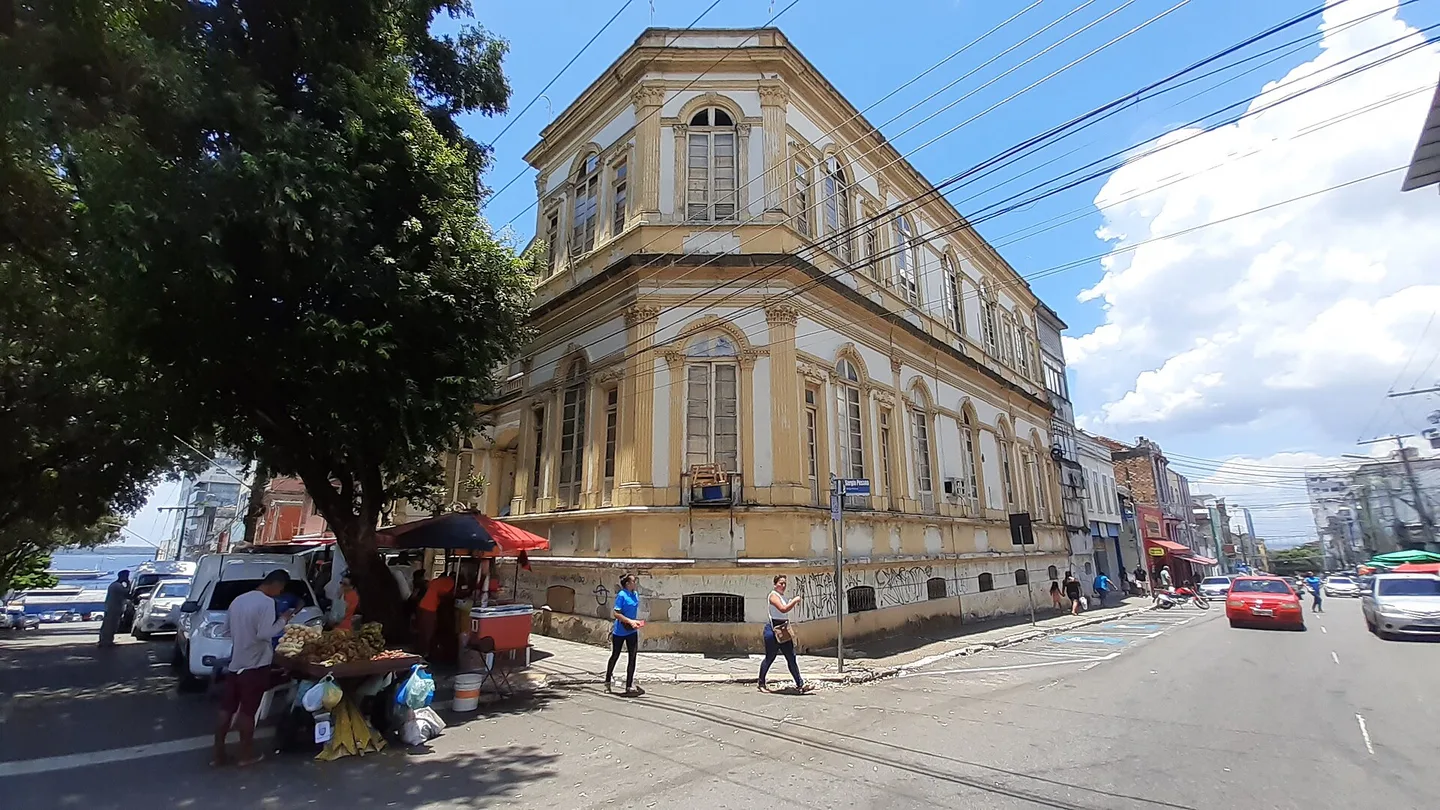
A gentle stroll downhill from the theatre leads past classical administrative offices and small family-run print shops. Many streets retain decorative Portuguese stone pavements laid out in undulating black and white waves that mirror the meeting of regional waters. This central grid remains pleasantly walkable during early morning hours before the midday heat settles firmly over the asphalt pavements.
Riverfront Ports and Market Life
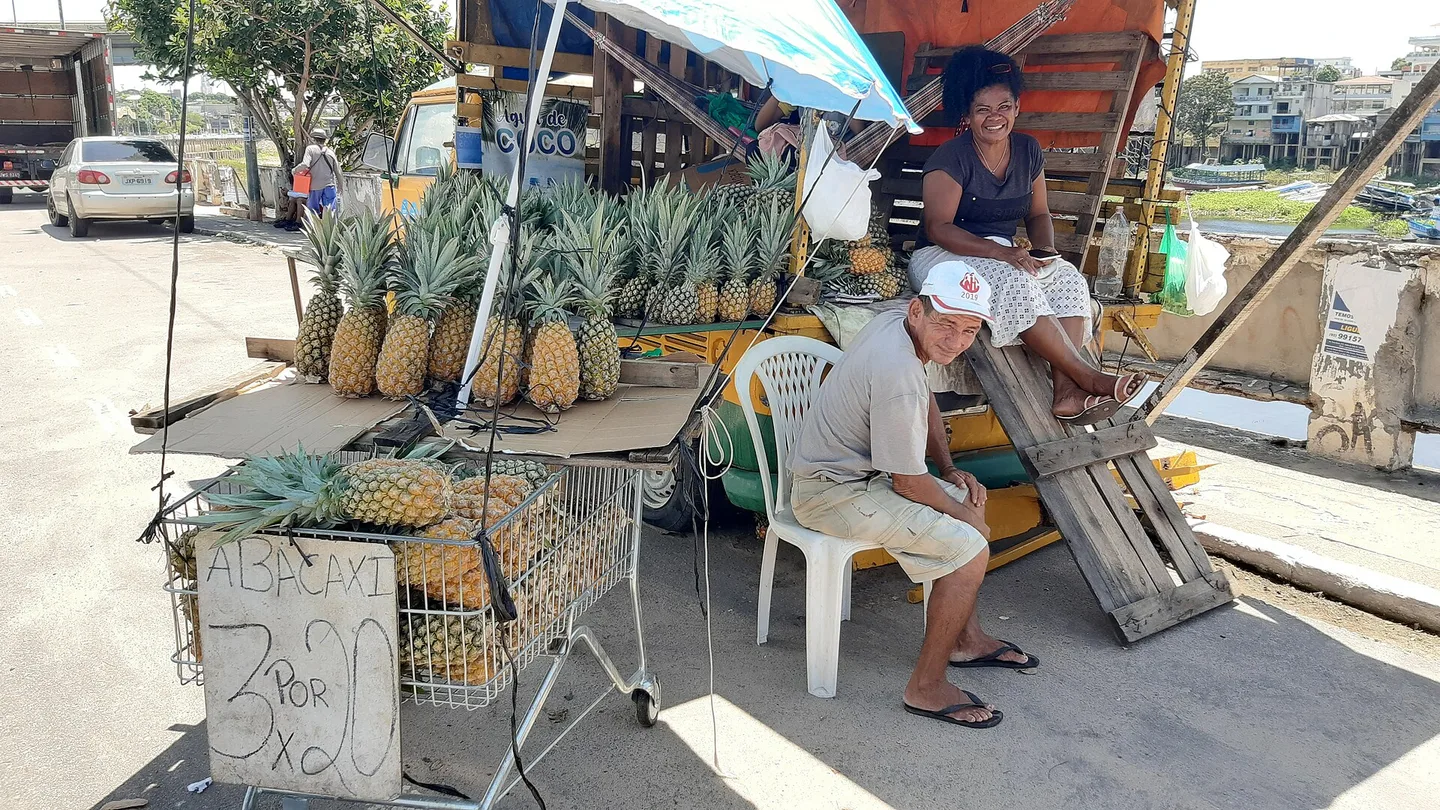
Descending towards the Rio Negro brings you to the floating docks and the municipal trading markets. Here, boatmen unload sweet tropical fruit, salted river fish, and manioc flour from remote communities along vast river tributaries. Street sellers push wooden handcarts piled high with regional pineapples, fresh guaraná, and freshly cracked Brazil nuts along the paved approaches. The waterfront hums with activity as wooden double-decker riverboats tie up along floating pontoons to take on cargo and passengers.
The riverfront functions as the primary lifeline for communities across the western basin, where roads simply do not exist. Comparing the key urban sectors helps travellers navigate these distinct river and civic zones effectively:
- Centro Histórico: Walkable neoclassical plazas, theatres, museums, and quiet evening restaurants set back from the commercial docks.
- Porto Flutuante: Active passenger piers, cargo loading ramps, and commercial river ferries departing for remote river towns.
- Ponta Negra: Riverfront promenade with sandy beaches, high-rise residential towers, and wide avenues catching cooling river breezes.
Take time to watch the diesel ferries manoeuvre through the dark tea-coloured water of the Rio Negro along the quayside. Selecting your neighbourhood base requires balancing evening dining near historic plazas against breezy waterfront promenades, so evaluate neighbourhoods in Manaus before locking in reservations.
Rainforest Canopy and Suburban Conservation
Leaving the urban core behind opens up immense botanical landscapes that demonstrate the sheer scale of the Amazonian ecosystem. The northern fringes of the city preserve tracts of primary forest, most notably within the Reserva Ducke. Here, the Museu da Amazônia offers marked walking trails beneath ancient hardwoods, buttress roots, and climbing vines. A tall steel observation tower permits visitors to rise straight through the understorey up to the emergent canopy layer.
From the high platforms of the canopy tower, the green forest carpet extends uninterrupted towards the horizon, broken only by birds. Down below, shady botanical trails lead visitors past medicinal herb plots, orchid nurseries, and quiet forest streams running through soft sand. Always check official reserve portals for current trail conditions and tower access advisories before travelling north.
Urban Transit and Jungle Logistics
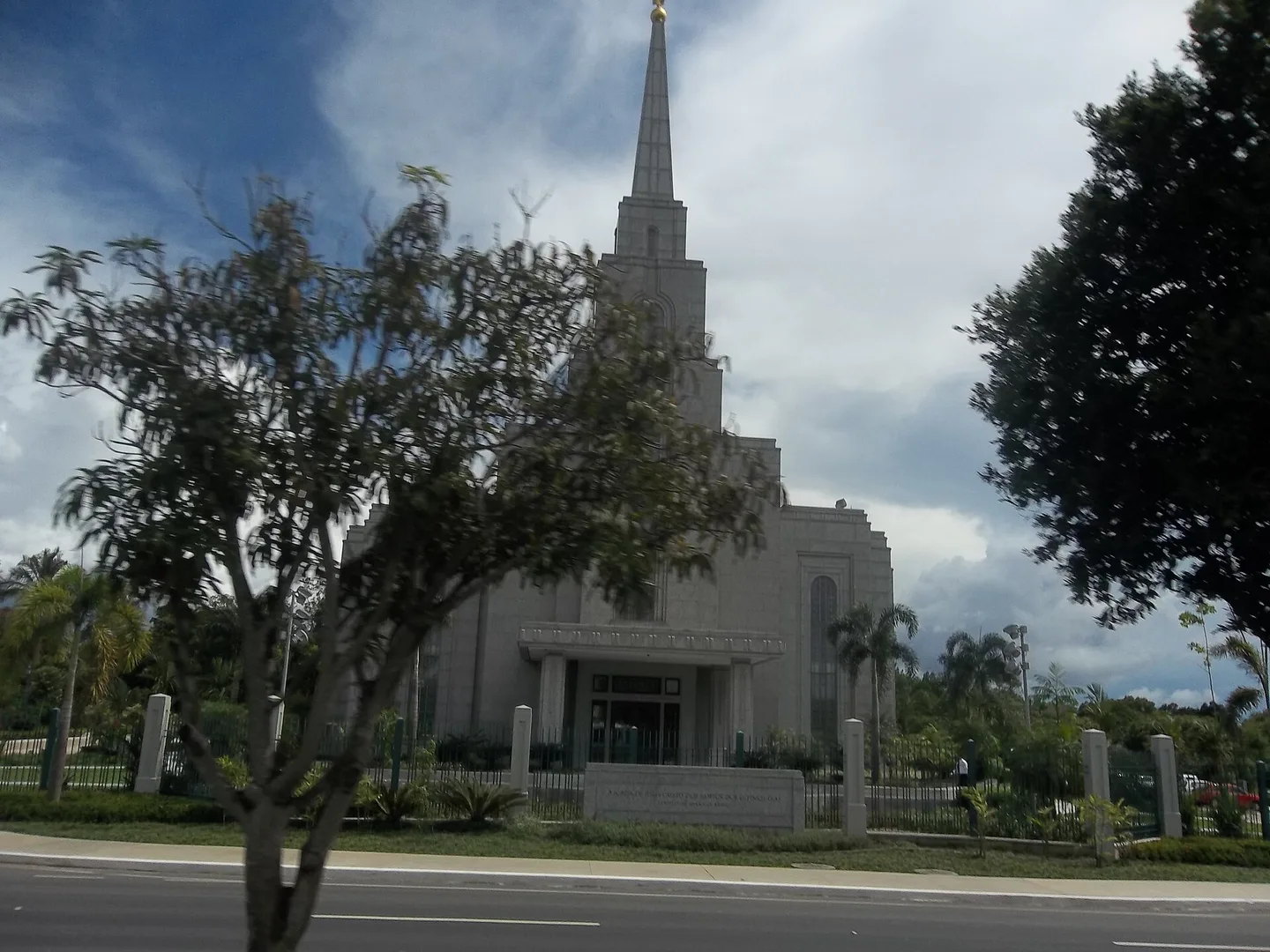
Moving around the city requires understanding the sheer distances between downtown heritage sites, outlying river ports, and northern residential neighbourhoods. Modern avenues connect the historic core with expanding eastern suburbs, passing distinctive modern landmarks including the local temple complex. Licensed city taxis and ride-hailing apps offer reliable connections across town when travelling outside central walking precincts.
Urban municipal buses crisscross major avenues, connecting central bus terminals near the port to suburban sectors and educational institutions. When arranging long-distance excursions downriver or transfers into remote forest lodges, confirm boat boarding times directly with riverboat operators at the docks. Planning transit legs during cooler morning hours assists in creating a comfortable, relaxed journey through this northern Brazilian river city.
Official prices and opening hours
- Teatro Amazonas (Largo de São Sebastião)Official site ↗
- MUSA — Museu da Amazônia (Reserva Ducke)Official site ↗
Where it is
- 1Manaus
- Eduardo Gomes International Airport (MAO) · about 9 km from Manaus in a straight line
- Directions in Google Maps
Stations and taxi ranks: OpenStreetMap. Airports: OurAirports. Distances are in a straight line.
Traveller tips
Real advice from people who have been to Manaus. Every tip is read by our team before it goes live.
No tips yet. Been here? Yours could be the first.
Thank you! Your tip will appear here after a quick review.
More in Manaus
Continue exploring Manaus with related neighbourhood, food, and planning guides
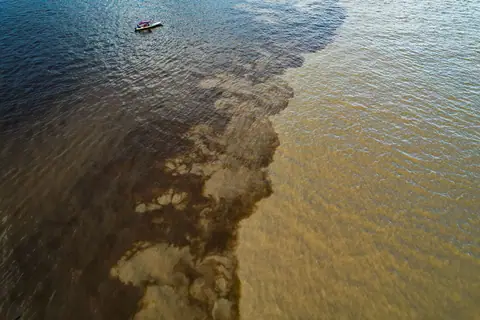
Encontro das Águas and Janauari: Manaus River Excursions
Manaus, Brazil
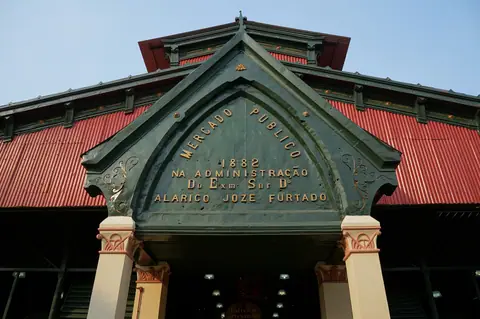
Mercado Adolpho Lisboa and Porto de Manaus: Riverfront Heritage
Manaus, Brazil
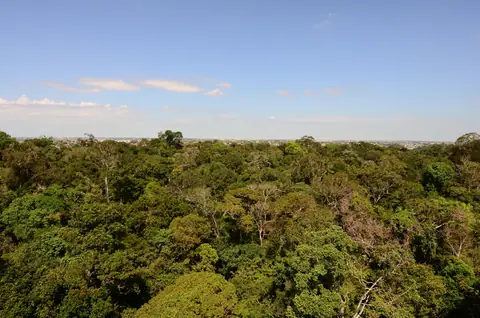
MUSA and Adolpho Ducke Forest: Climbing Above the Amazon Canopy
Manaus, Brazil
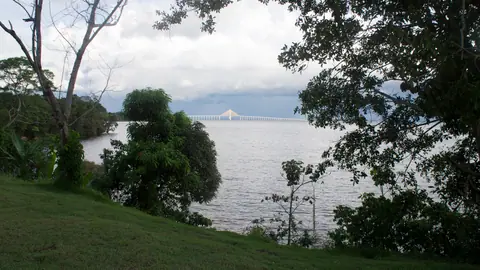
Ponta Negra, Praia da Lua and Rio Negro Beaches: Sands on Dark Waters
Manaus, Brazil
