Best Things to Do in Manaus: Opera House, River Confluence and Canopy Towers
Grand rubber-boom landmarks, floating harbour markets, forest canopies, and legendary river confluences define northern Brazil.
Teatro Amazonas and Belle Époque Splendour
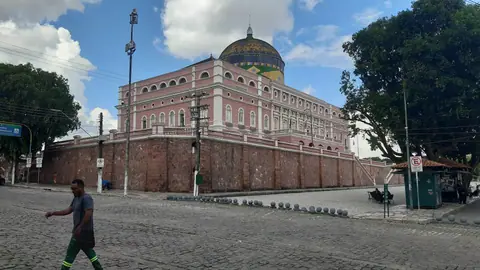
We begin our walking routes in the heart of the historic district at Largo de São Sebastião. The square features distinctive wavy stone paving that radiates around the monumental pink facade of Teatro Amazonas. Built during the late nineteenth-century rubber boom, the theatre incorporates European materials, including imported crystal, gilded plaster, and decorated roof tiles. Stepping across the square early in the morning lets us observe the peaceful neighbourhood before daytime heat rises.
The opera house stands as a vivid testament to an era when rubber barons invested fortunes into lavish municipal culture. The auditorium showcases carved wood interiors, painted stage curtains, and layered tiers that mirror classical Italian design. Check official theatre portals ahead of arrival for current tour admission schedules and interior dress expectations. Shaded pavement cafes along the northern edge of the square offer pleasant resting spots for cold tropical fruit juices.
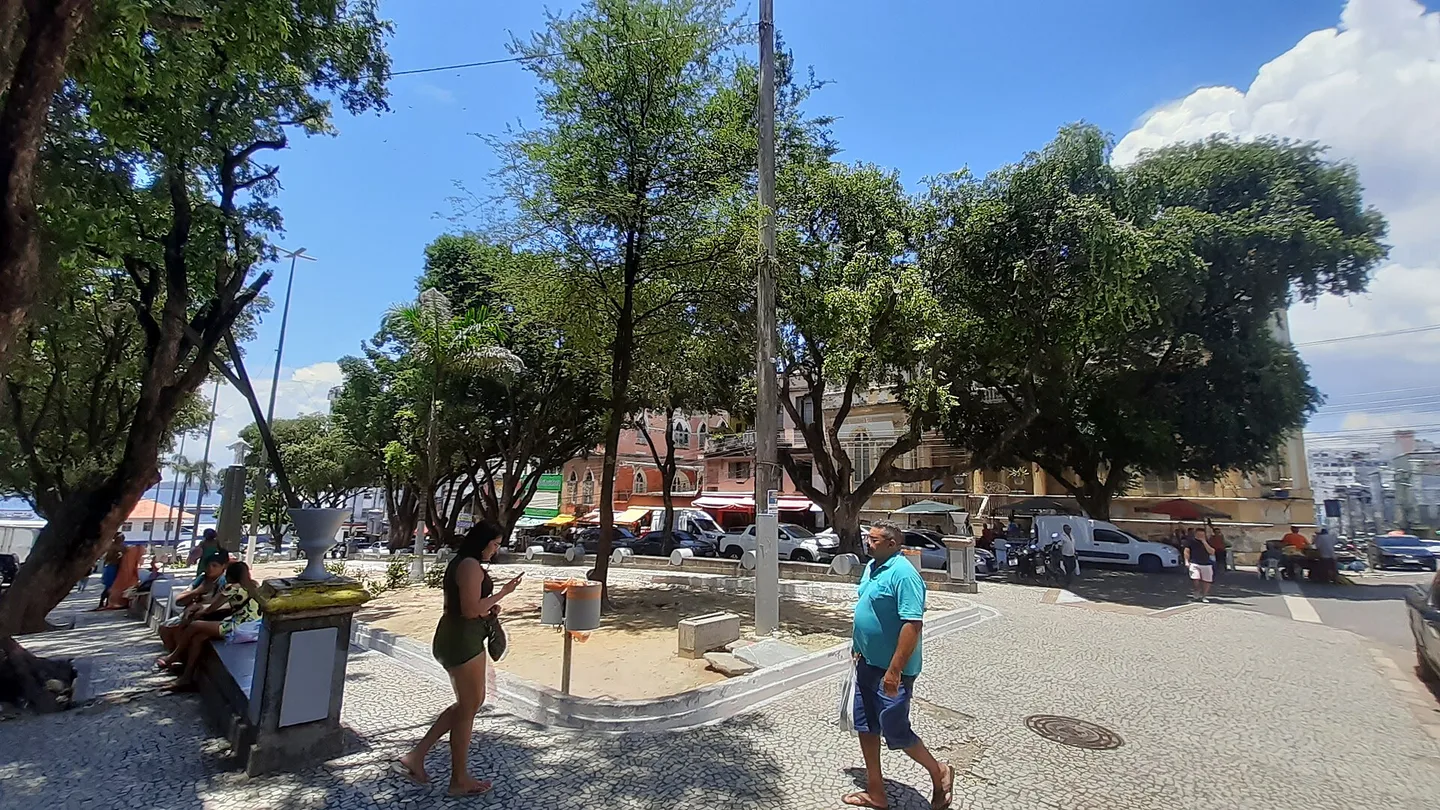
Largo de São Sebastião remains an easy starting point for our urban rambles across the old city quarter. Local musicians often gather here during cooler evenings, filling the public space with acoustic choros and regional rhythms. We suggest pairing this landmark visit with a walk through the surrounding streets to observe preserved period townhouses. Our district orientation and layout guide outlines nearby heritage avenues and transit links.
Historic Centre Streets and Port Markets
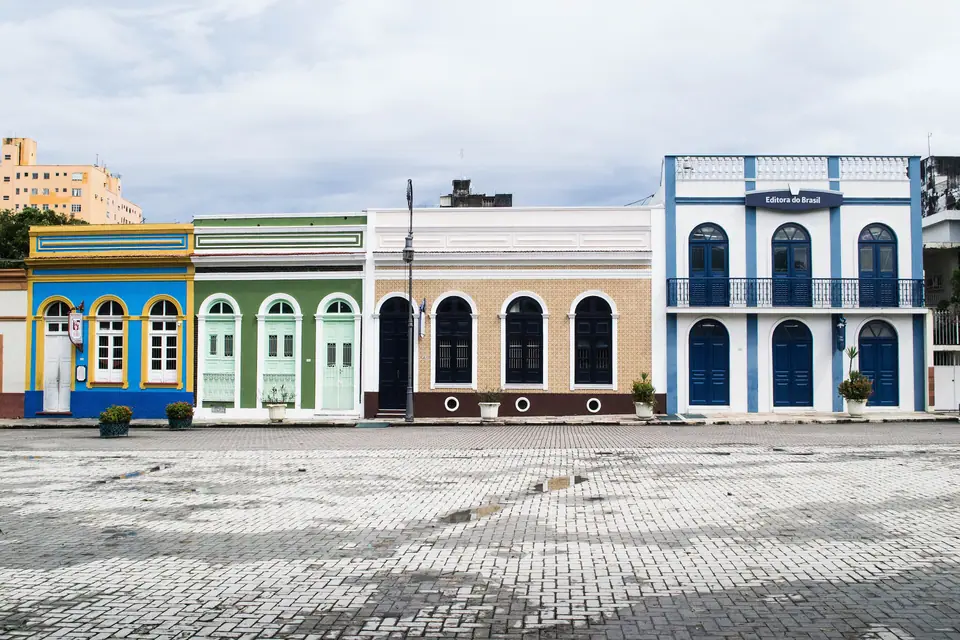
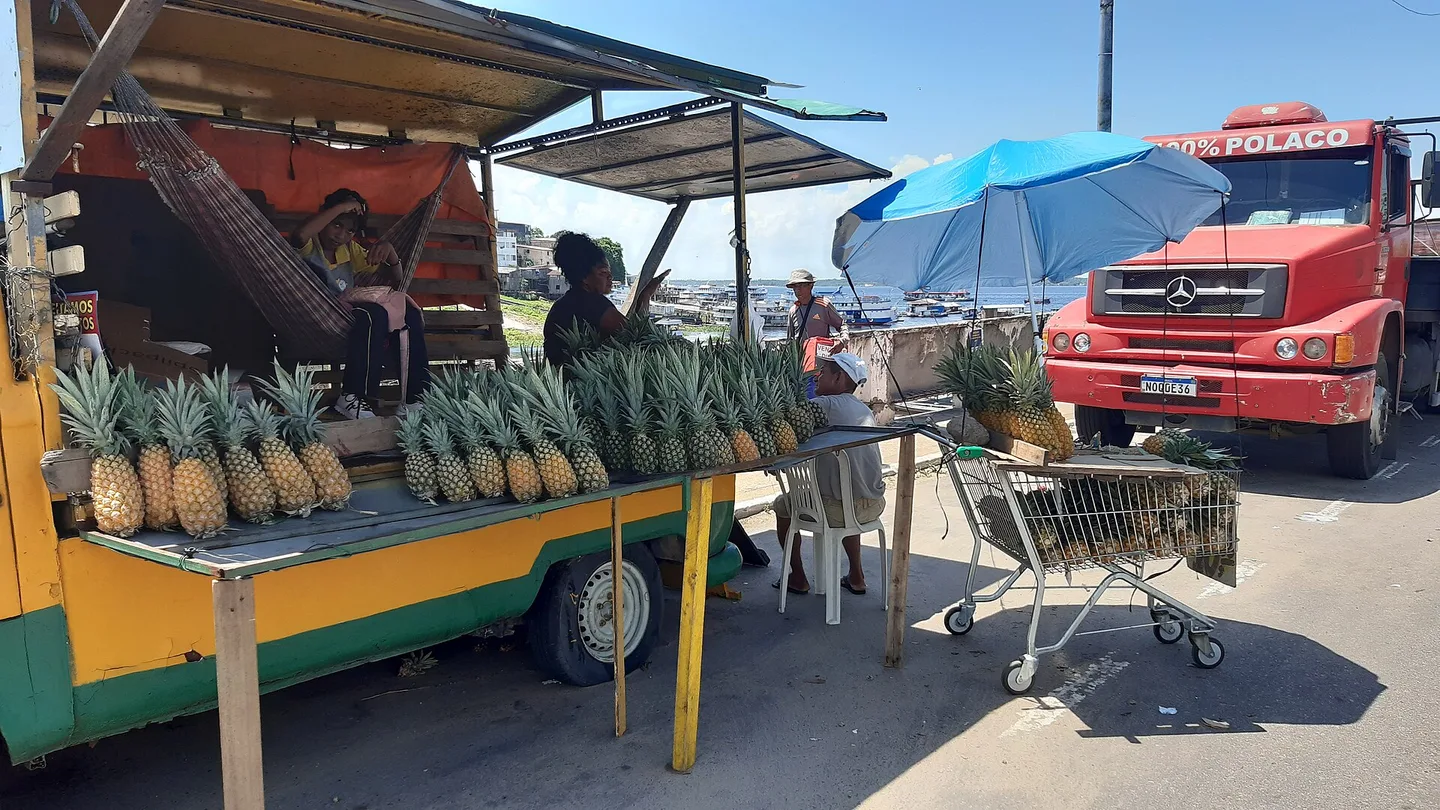
South of the opera square, the streets slope down towards the commercial waterways of the Rio Negro. This central grid displays an eclectic mix of weathered neoclassical shopfronts, active fruit stalls, and trade warehouses. Street vendors prepare regional snacks on mobile carts, slicing fresh pineapples, watermelons, and tropical palm fruit along pedestrian lanes. The aromas of roasted manioc and seasoned river fish drift through every cross street near the waterfront.
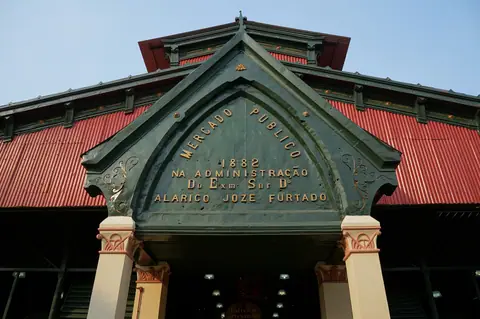
The waterfront district converges around the historic covered municipal market, famous for its ornate cast-iron framework. Fishmongers display massive river specimens caught daily by local crews working along the Amazon basin. Rows of wooden stalls sell hand-woven baskets, natural medicinal tree barks, and colourful bottles of regional pepper sauces. We recommend keeping our focus sharp while navigating the crowded aisles and uneven stone steps near the docks.
| District Location | Main Activity | Key Characteristics |
|---|---|---|
| Largo de São Sebastião | Architecture and cafe culture | Opera house square with traditional stone mosaics |
| Waterfront Harbour | River trade and fish markets | Floating metal docks and regional timber boat berths |
| Reserva Ducke | Canopy walks and botanic trails | Forest paths and elevated observation structures |
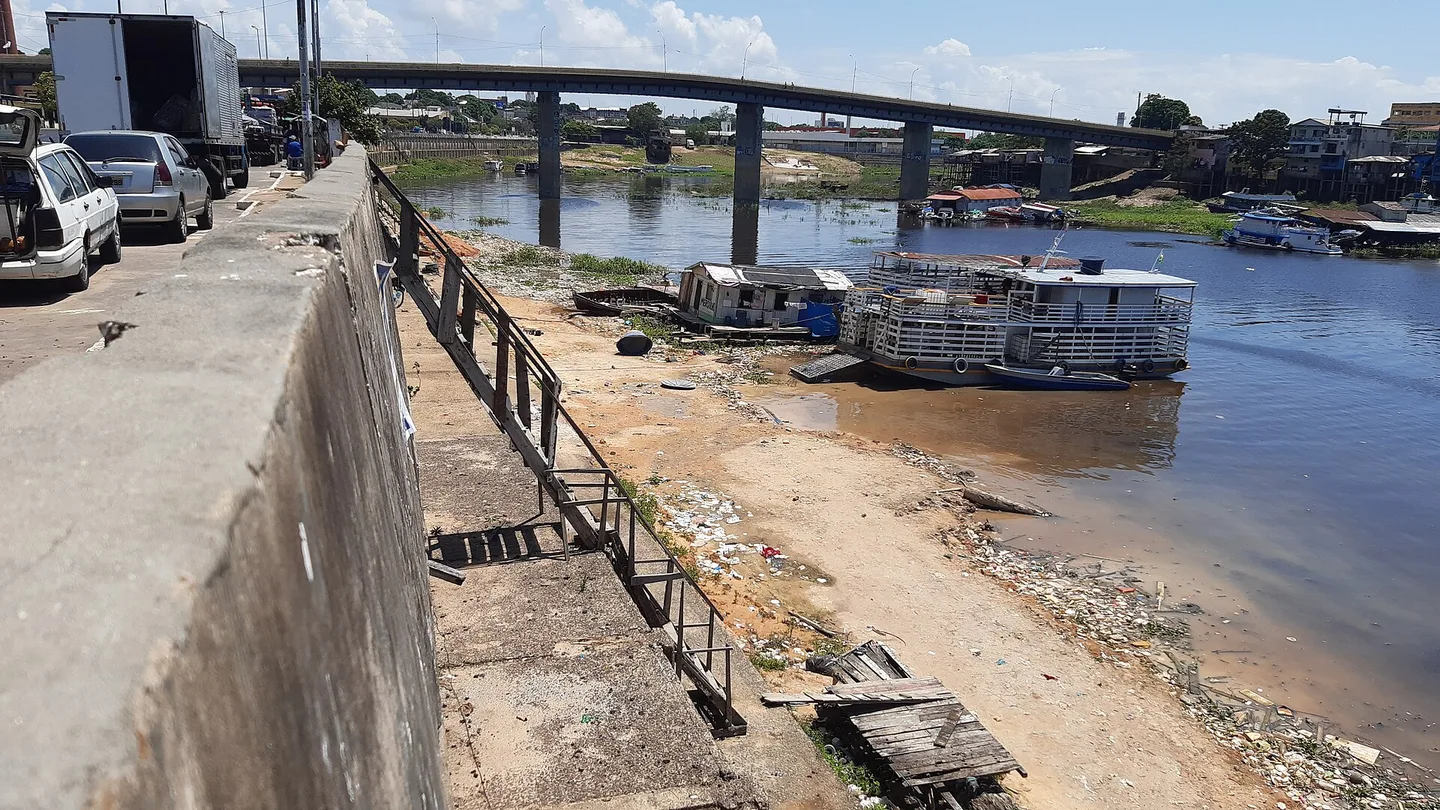
Beyond the market sheds, the floating harbour docks host an impressive procession of multi-deck wooden passenger boats. These vessels link remote river settlements with the state capital, loading fresh produce, hammocks, and metal supplies. Walking along the port promenade lets us observe the immense water variation of the river system throughout the year. Practical boat transit routes are detailed in our notes on airport arrivals and river ports.
Rainforest Canopy Trails at MUSA
Leaving the urban core brings us to the eastern edge of the city at MUSA, the Museu da Amazônia. Located within the protected primary forest of the Ducke Reserve, this living museum combines nature research and accessible trails. Well-maintained paths weave beneath colossal jungle trees, broad ferns, and tangled climbing lianas. Dedicated naturalists maintain exhibits showcasing local frog species, water lilies, and native stingless bees along shaded wooden walkways.
The highlight of a forest walk here is ascending the steel observation tower that rises high above the canopy. Climbing the metal staircases requires steady physical effort, but the panoramic vistas over green woodland reward every step. Early morning climbs often reward birdwatchers with glimpses of toucans, macaws, and swift parrots flying above the emerald forest roof. Check official MUSA reserve portals before your morning departure for current tower access rules and trail alerts.
- Ascend the central canopy tower early to catch active birdlife before midday heat sets in.
- Walk the shaded botanical loops to view giant forest trees and native Amazonian plant species.
- Carry bottled drinking water and insect repellent to support comfortable movement along earthen forest trails.
- Check weather forecasts before travelling to the reserve, as heavy tropical rainstorms can make the metal steps slippery.
River Excursions and Water Confluences
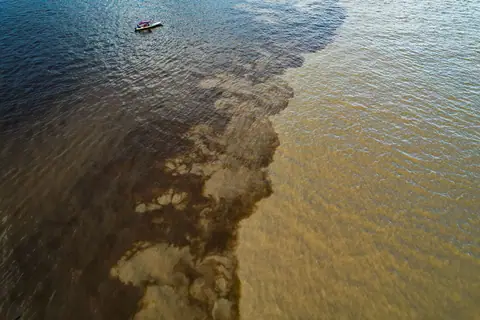
No trip to the regional capital is complete without heading out onto the open river waters by motorboat. Day trips depart directly from the central harbour, heading downstream towards the natural boundary where two distinct rivers meet. Here, the pale coffee-coloured Amazon River and dark Rio Negro flow side by side for several kilometres without mixing. Differences in water density, speed, and temperature create this striking two-tone aquatic border.
Extended boat tours often navigate into narrow flooded forest channels known locally as igapós during high-water months. In these quiet waterways, river guides point out sloth families hanging in cecropia trees and pink river dolphins surfacing nearby. Stilt-house villages dot the riverbanks, offering views into traditional riverside life along the primary waterways of South America. Exploring both urban landmarks and river tributaries presents a complete portrait of this distinctive jungle metropolis.
Official prices and opening hours
- Teatro Amazonas (Largo de São Sebastião)Official site ↗
- MUSA — Museu da Amazônia (Reserva Ducke)Official site ↗
Where it is
- 1Manaus
- Eduardo Gomes International Airport (MAO) · about 9 km from Manaus in a straight line
- Directions in Google Maps
Stations and taxi ranks: OpenStreetMap. Airports: OurAirports. Distances are in a straight line.
Traveller tips
Real advice from people who have been to Manaus. Every tip is read by our team before it goes live.
No tips yet. Been here? Yours could be the first.
Thank you! Your tip will appear here after a quick review.
More in Manaus
Continue exploring Manaus with related neighbourhood, food, and planning guides
What to Eat in Manaus: Tacacá, Tambaqui Ribs and Amazonian Flavours
Manaus, Brazil
Teatro Amazonas and Largo de São Sebastião: Belle Époque Heart of Manaus
Manaus, Brazil
Encontro das Águas and Janauari: Manaus River Excursions
Manaus, Brazil
Mercado Adolpho Lisboa and Porto de Manaus: Riverfront Heritage
Manaus, Brazil
