Mercado Adolpho Lisboa and Porto de Manaus: Riverfront Heritage
We trace the historic riverfront where European iron architecture meets the immense floating quays on the Rio Negro.
Ironwork Heritage along the Rio Negro Shore
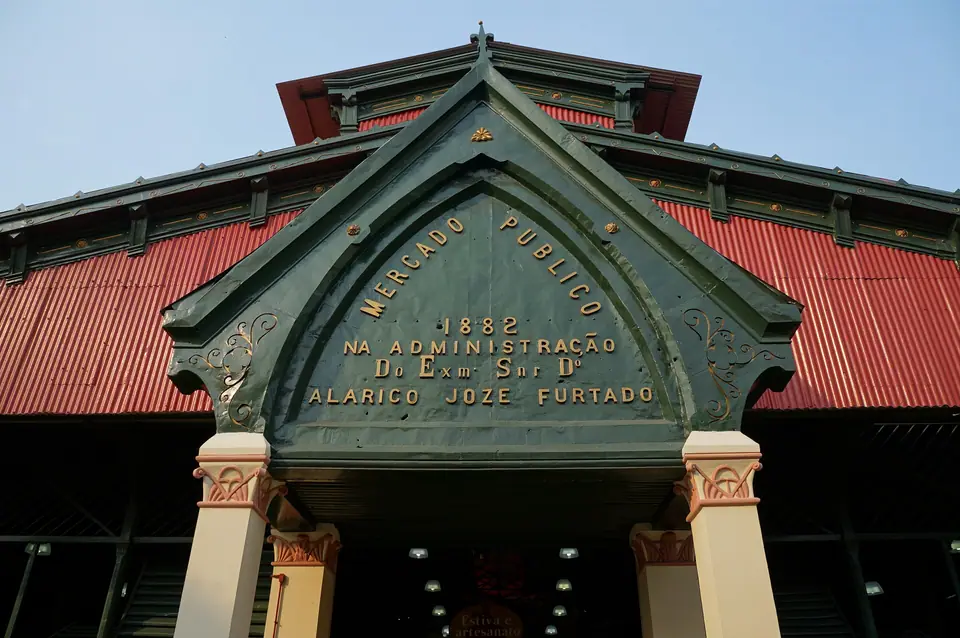
Standing on the bank of the Rio Negro, the Mercado Adolpho Lisboa reveals the ambition of the Amazonian rubber boom. Cast-iron frameworks manufactured in Europe were shipped across the Atlantic to create this covered trading centre. The stained-glass clerestory windows catch equatorial light, illuminating timber stalls filled with medicinal herbs and freshwater produce. We admire how the industrial decorative details echo Parisian pavilions while sheltering local trades from intense tropical downpours. Many visitors pairing this shore with our overview of Manaus begin their morning right here beside the broad waterfront.
The surrounding streets preserve weathered facades from the nineteenth century, reflecting past mercantile fortunes and busy river trade. Salty river breezes mix with the scent of dried fish and pungent roots stacked along the stone perimeter. Porters manoeuvre heavy sacks of cassava flour along granite steps worn smooth by generations of river traders. The structure remains an active commercial engine rather than a quiet heritage monument.
Navigating the Market Halls and River Produce
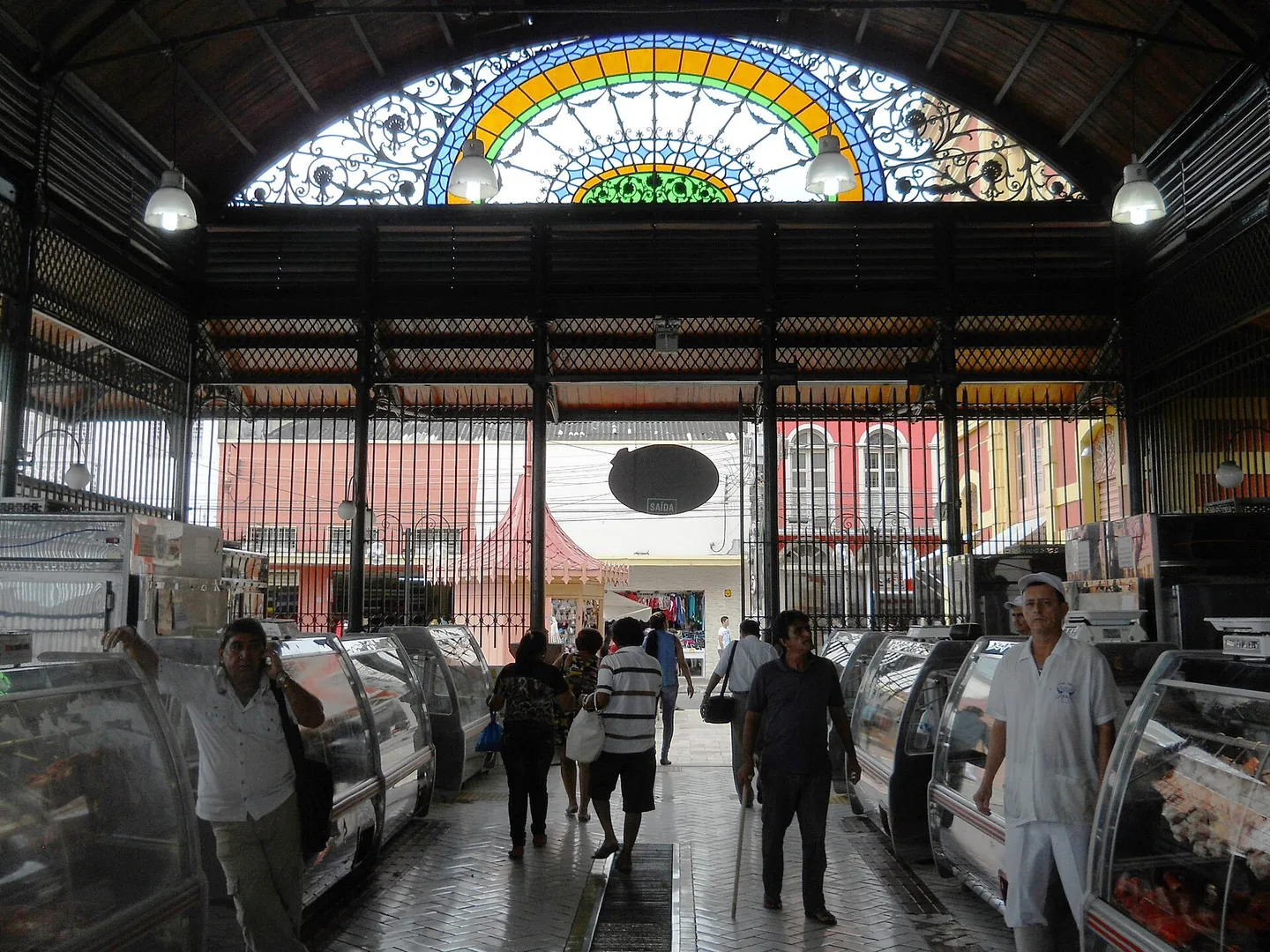
Entering through the tall iron arches, the interior divides into distinct sections dedicated to regional crafts, dried goods, and river fish. Artisans display woven baskets, carved gourds, and pottery shaped from river clay. In the central aisles, merchants arrange bottles of wild tucupi sauce alongside jars of fragrant hot peppers. When arranging regional excursions or cultural stops on your city and river route, wandering these trading aisles gives grounding cultural context.
- Central iron pavilion sheltering regional medicinal bark, honey, and indigenous spices.
- Fish market hall displaying massive river species hauled directly from morning boats.
- Waterfront walkway offering clear views across the wide Rio Negro expanse.
- Craft stalls showcasing natural fibre hammocks, hand-carved woodwork, and seed jewellery.
The fish section presents incredible biodiversity from Amazonian waterways, where vendors scale silver giants on thick wooden blocks. We recommend wearing sturdy shoes with reliable grip, as the stone flooring around washing stations can become slick. Morning arrivals catch the liveliest bidding between local restaurant buyers and river skippers unloading fresh baskets from dawn launches.
Engineering the Floating Docks of Porto de Manaus
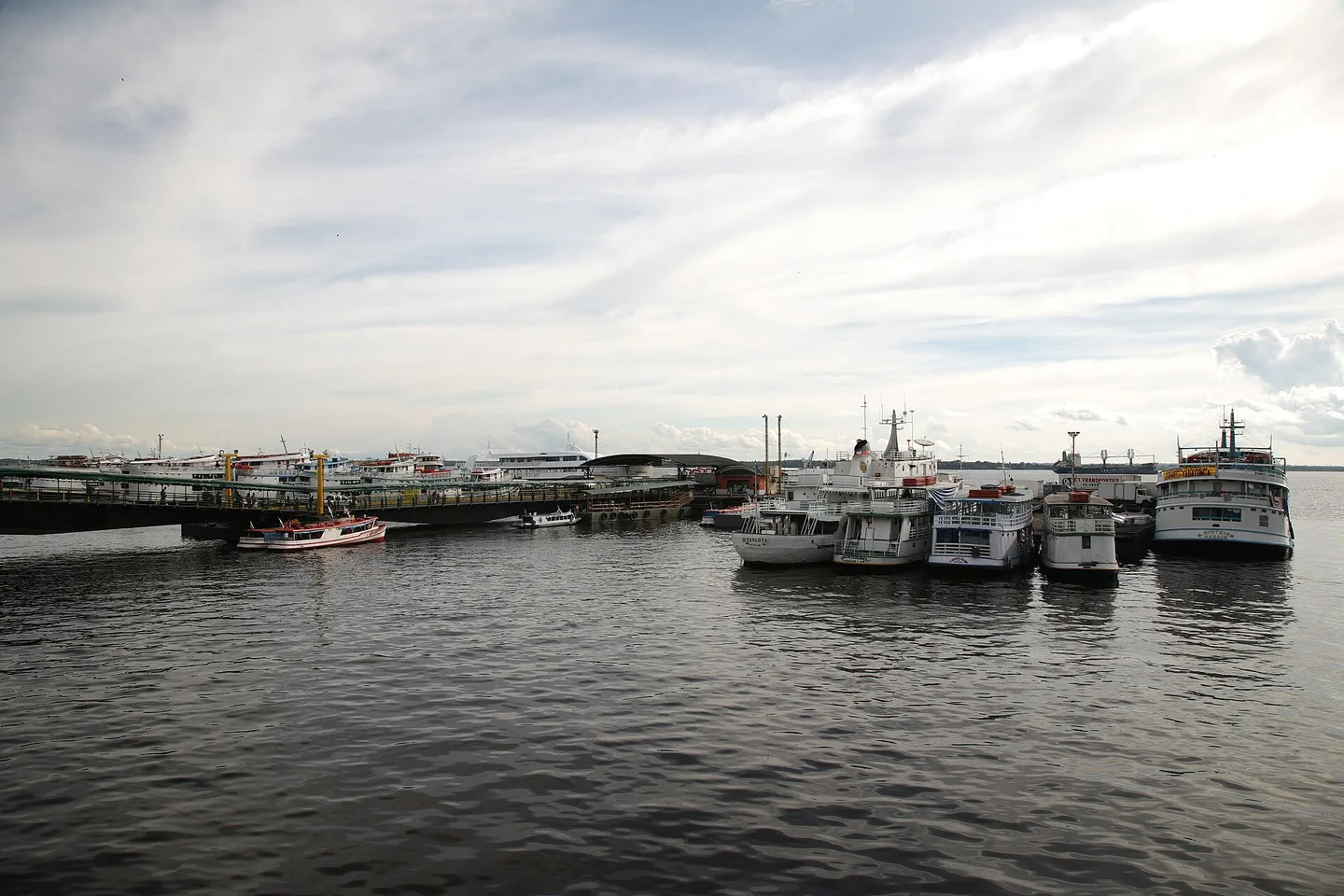
Directly adjacent to the municipal market sits the historic Porto de Manaus, famous for its ingenious floating quay system. British engineers constructed these buoyant piers to solve an extreme environmental challenge. The Rio Negro rises and falls drastically between wet and dry months, shifting water levels by several metres across each annual cycle. Fixed stone docks would drown during monsoon floods or sit stranded far above the water during dry seasons.
Pontoons and hinged metal ramps rise and sink in unison with the river current, allowing continuous cargo operations throughout every month. Double-decked wooden passenger boats, known locally as gaiolas, crowd the quayside three deep. Rows of colourful hammocks swing through open passenger decks as families prepare for long journeys upriver. Watching deckhands balance heavy crates up swaying gangplanks shows how completely the Amazon relies on river navigation.
Riverfront Connections and Walking Context
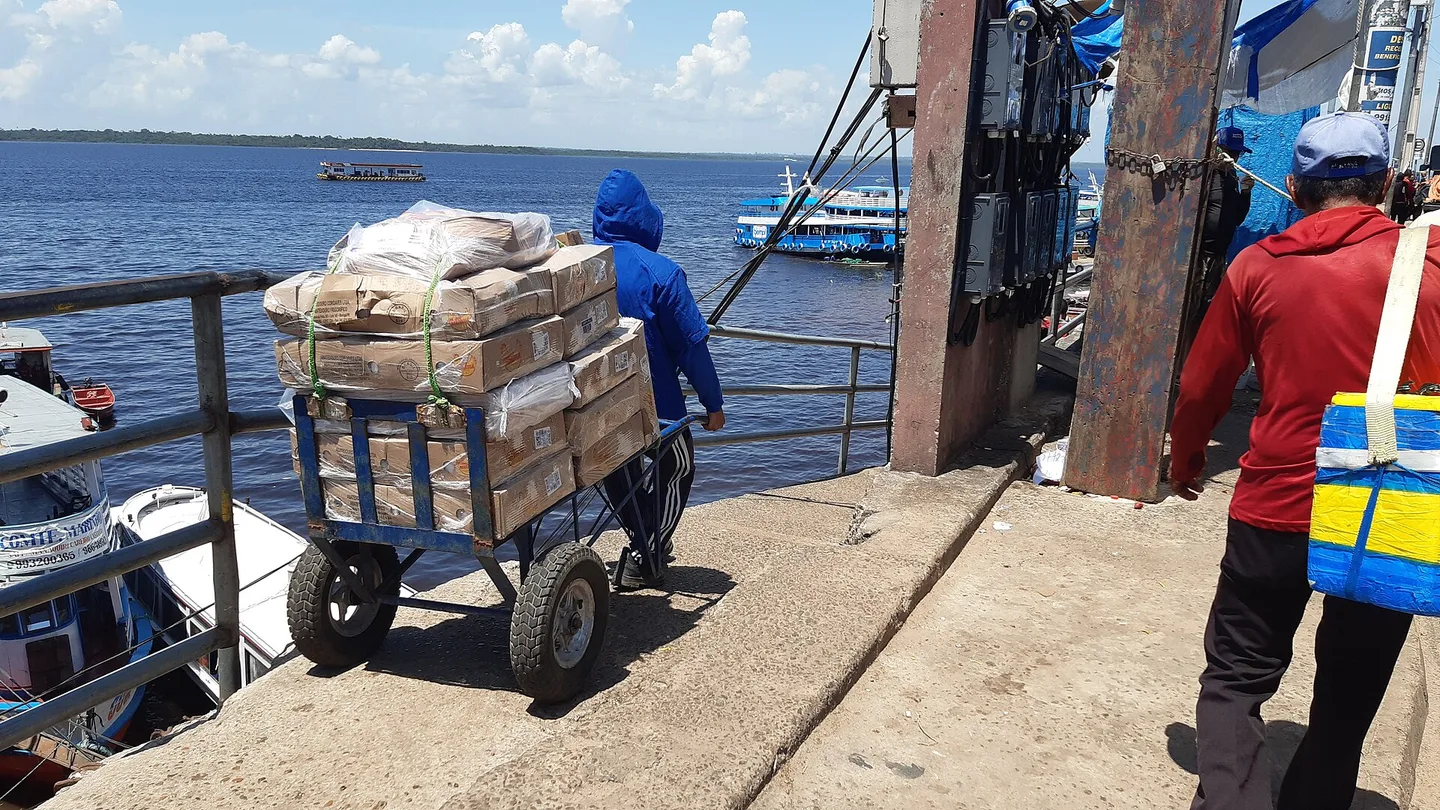
Connecting the market halls to the passenger quays requires only a brief stroll along the waterfront promenade. We recommend keeping your belongings secure, as crowded embarkation ramps attract dense throngs of commuters and merchants. Taxis and ride-hailing cars drop passengers directly in front of the main market portal along Rua dos Barés. The walk from the civic square near the opera house takes you downhill through traditional commercial avenues lined with hardware stores and shipping offices.
| Riverfront Feature | Primary Appeal | Footwear and Access Note |
|---|---|---|
| Adolpho Lisboa Hall | Cast-iron pavilion and botanical goods | Level historic floor with occasional damp patches |
| Fish Stalls | Regional river fish trade | Slick stone surface; closed waterproof shoes advised |
| Floating Pontoons | Pioneering marine engineering | Hinged metal ramps that incline with river levels |
| Escadaria Quay | Passenger ferry embarkation point | Crowded boarding steps requiring steady footing |
Taking a riverfront stroll here anchors any stay in the state of Amazonas, linking architectural history to everyday river transport. The floating docks remain the primary artery connecting remote river settlements to the urban market. As late afternoon shadows lengthen across the iron framework, cooling river air sweeps into the pavilions, concluding a rewarding waterside exploration.
Official prices and opening hours
- Teatro Amazonas (Largo de São Sebastião)Official site ↗
- MUSA — Museu da Amazônia (Reserva Ducke)Official site ↗
Where it is
- 1Mercado Adolpho Lisboa and Porto de Manaus
- Eduardo Gomes International Airport (MAO) · about 12 km from here in a straight line
- Directions in Google Maps
Stations and taxi ranks: OpenStreetMap. Airports: OurAirports. Distances are in a straight line.
Traveller tips
Real advice from people who have been to Manaus. Every tip is read by our team before it goes live.
No tips yet. Been here? Yours could be the first.
Thank you! Your tip will appear here after a quick review.
More in Manaus
Continue exploring Manaus with related neighbourhood, food, and planning guides
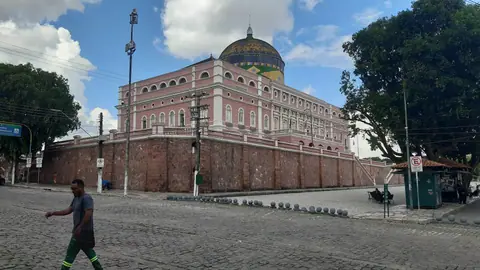
Teatro Amazonas and Largo de São Sebastião: Belle Époque Heart of Manaus
Manaus, Brazil
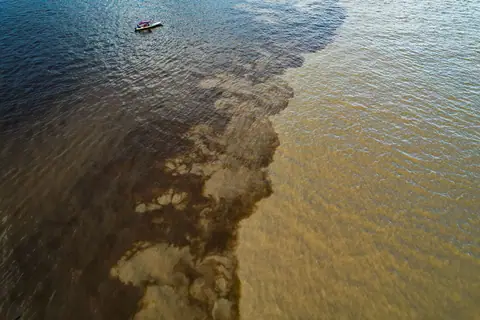
Encontro das Águas and Janauari: Manaus River Excursions
Manaus, Brazil
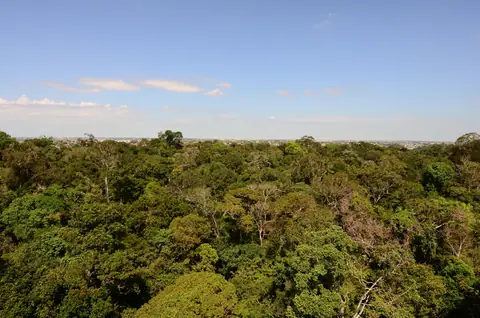
MUSA and Adolpho Ducke Forest: Climbing Above the Amazon Canopy
Manaus, Brazil
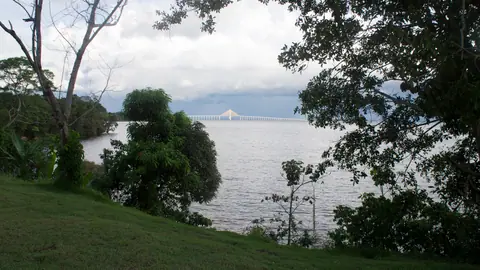
Ponta Negra, Praia da Lua and Rio Negro Beaches: Sands on Dark Waters
Manaus, Brazil
