INPA Bosque da Ciência and Urban Wildlife Sanctuaries
INPA Bosque da Ciência offers a quiet forest sanctuary in Manaus where scientific research and native wildlife rescue meet beneath shaded secondary canopy.
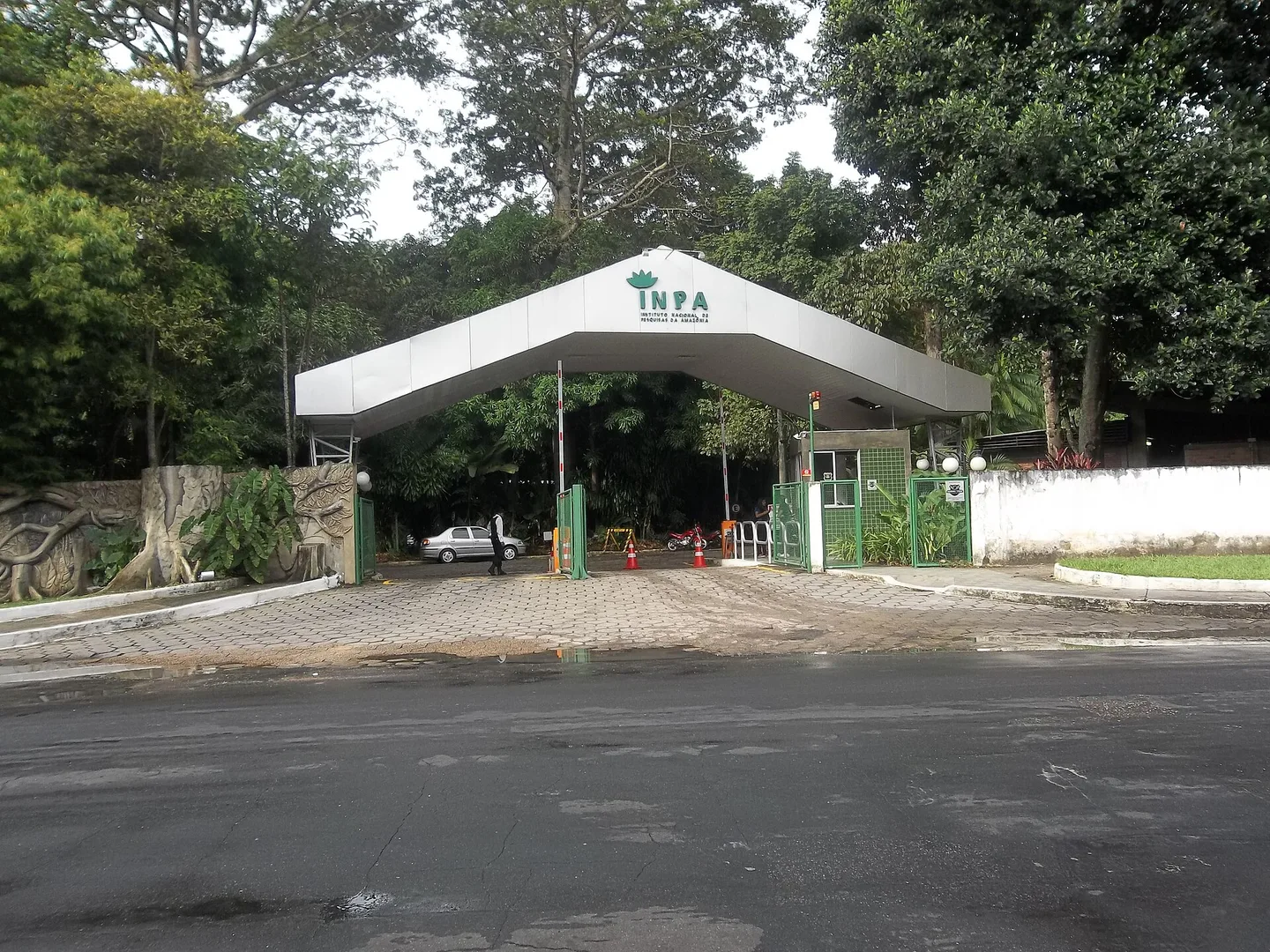
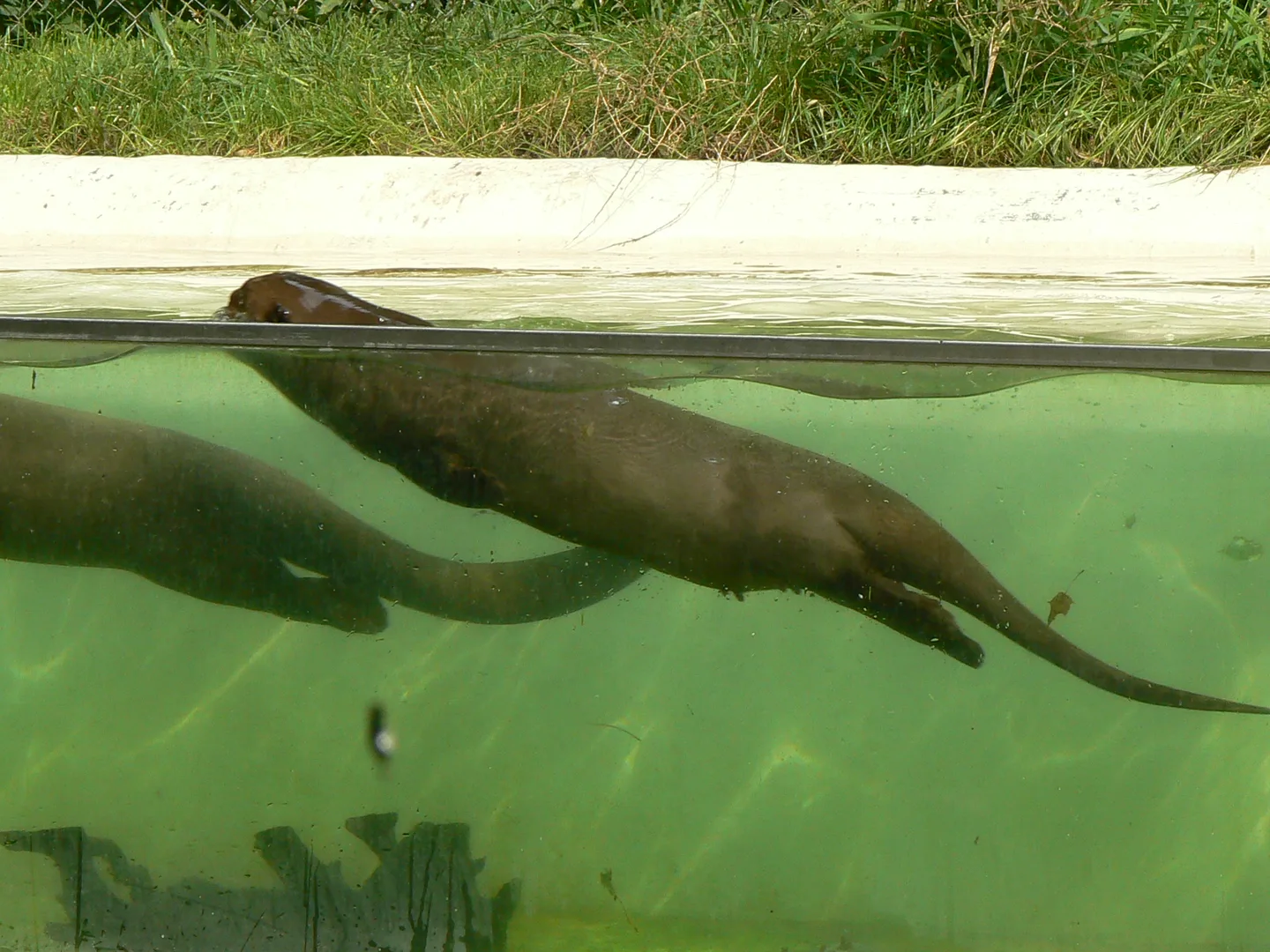
Stepping inside the gates of the scientific research reserve instantly cuts away the humid roar of surrounding avenues. The National Institute of Amazonian Research maintains this protected perimeter of native secondary woodland. This layout allows travellers to encounter local flora without leaving the urban sprawl. Wooden boardwalks guide footsteps across damp leaf litter, crossing small forest streams where wild turtles bask on fallen logs. Free-roaming sloths cling motionless to high cecropia branches. Troops of squirrel monkeys dart through the mid-canopy during early morning hours.
The ambient temperature beneath the dense tree canopy feels noticeably cooler than on exposed tarmac streets, though tropical humidity remains consistently heavy. Visitors should tread softly along marked timber paths to avoid disturbing nesting birds and terrestrial insects. Clear interpretive boards explain ongoing ecological experiments. These displays track how fragmented jungle responds to urban development over decades. Visiting this calm green space gives travellers a solid grounding before booking deep jungle trips across the wider river basin.
Canopy Shaded Enclosures and Forest Footpaths
The interior trails form an accessible loop connecting varied botanical and zoological sectors beneath broad canopy trees. Mature rubber trees and towering angelim specimens rise above understorey palms, casting dark green shadows across the forest floor. Leafcutter ants march in determined lines along dirt paths. They haul clipped foliage toward underground fungus chambers beside the footpaths. The route remains mostly level, making the trail network straightforward for walkers of all fitness levels.
Along the quietest sections of the circuit, visitors often spot agoutis foraging quietly among fallen nuts and tree roots. Trail panels explain the vital role these large rodents play in dispersing Brazil nut seeds across pristine primary woodland. Birdsong fills the humid air, featuring the metallic calls of screaming pihas and bright flashes of passing tanagers. Stopping quietly on wooden bridges across murky creeks reveals juvenile catfish schooling beneath overhanging broadleaf ferns.
Aquatic Mammals and Wildlife Rehabilitation
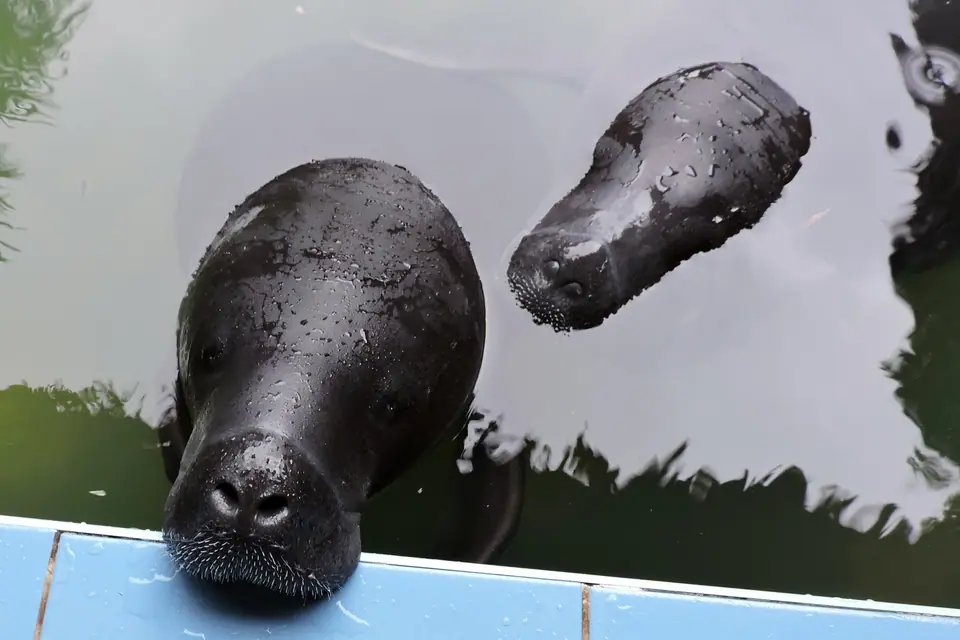
The core conservation highlight of the reserve centres on large aquatic tanks built for rescued Amazonian manatees. These gentle freshwater herbivores frequently suffer injuries from boat propellers or fall victim to illegal hunting across remote river tributaries. Biologists and veterinary teams nurse injured calves back to health inside deep filtered pools, studying their nutritional needs and behaviour. Viewing windows let guests observe these hefty creatures gliding smoothly underwater to chew crisp lettuce and water hyacinths.
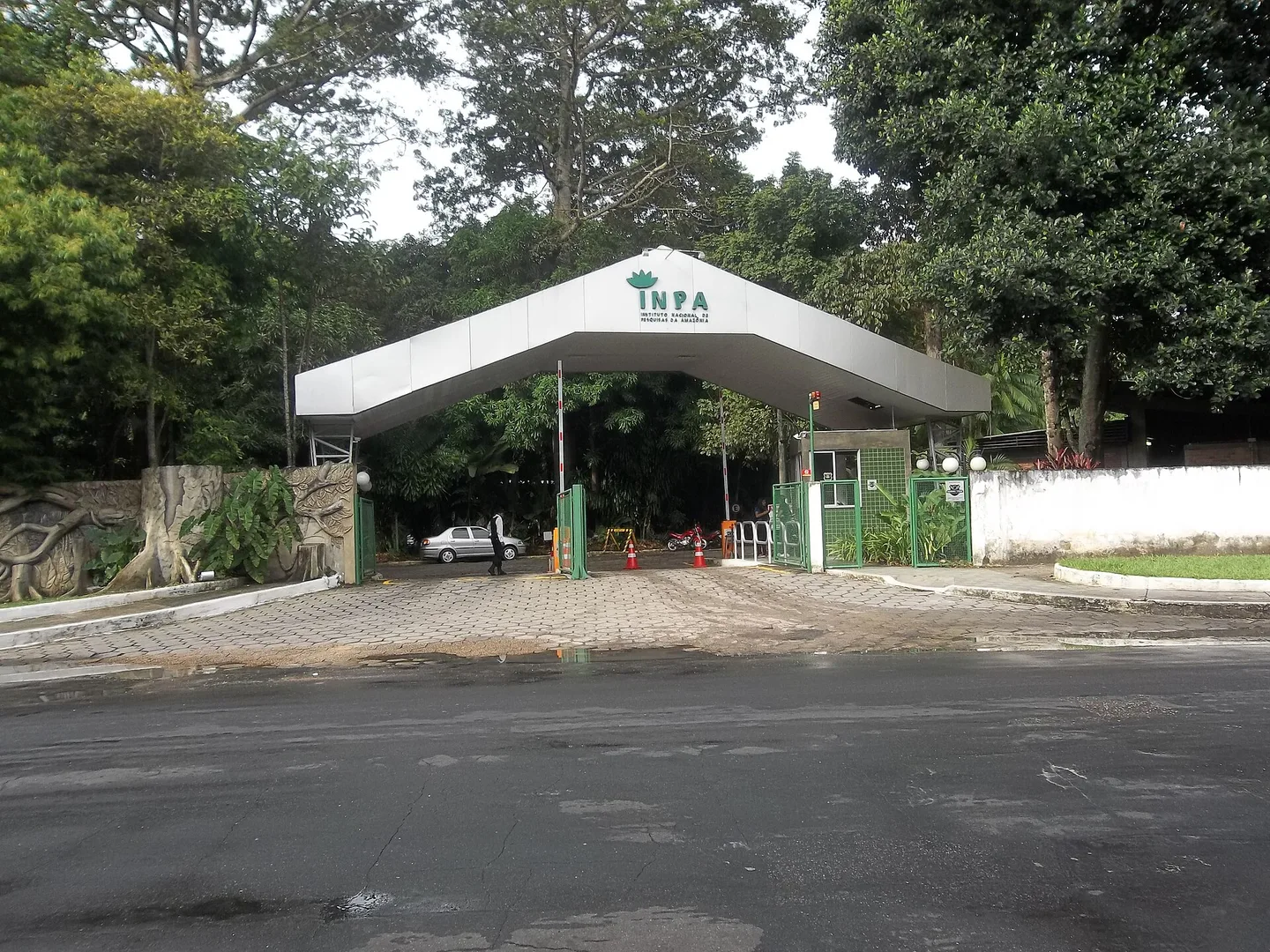
A separate enclosed aquatic habitat holds rescued giant river otters swimming through running current channels. These vocal carnivores dive swiftly, chasing enrichment food and calling with sharp barks across the clearing. The scientific institute prioritises welfare over theatrical displays, maintaining natural bank vegetation and private resting dens away from public eyes. Exhibition panels show how local river communities assist researchers by reporting distressed wildlife to conservation authorities.
| Observation Zone | Primary Species | Habitat Type |
|---|---|---|
| Manatee Rehabilitation Tanks | Amazonian manatee | Filtered freshwater recovery pools |
| River Otter Enclosure | Giant river otter | Flowing creek with vegetated clay banks |
| Free Canopy Trails | Pale-throated sloth, squirrel monkey | Secondary terra firme rainforest canopy |
| Forest Creeks | Freshwater turtles, small catfish | Shaded natural stream channels |
Reaching the Scientific Enclave from the Centre
The research park sits within the eastern residential district of Petrópolis, several kilometres away from the historic port. Taking a registered taxi or rideshare car from the historic old town offers the most dependable and straightforward journey. City buses also connect the downtown terminal to nearby arterial roads, though negotiating local stops requires elementary Portuguese skills. Pair urban rides with our district transit and geography notes to coordinate cross-city trips cleanly.
Combine your conservation outing with other regional highlights by selecting key landmarks and forest parks during early morning hours. Morning arrivals allow visitors to see active animals before midday tropical heat drives most species into deep shade. Sudden afternoon downpours occur frequently throughout the year, turning dirt paths slick and requiring a sturdy compact umbrella. Keep small electronic devices sealed inside waterproof dry bags to prevent moisture damage from heavy tropical humidity.
Rainforest Etiquette and Wetland Observation
Observing animals in semi-wild conditions demands patient silence and respectful physical distance along all public trails. Feeding free-roaming monkeys or tapping enclosure glass disrupts delicate feeding routines and stresses recovering rescue animals. Stick strictly to raised wooden walkways to prevent soil erosion around fragile buttress tree roots. Insect repellent applied to ankles and arms helps deter biting midges that congregate around damp marshy pools.
- Remain quietly on designated boardwalks to protect delicate forest floor vegetation and avoid disturbing terrestrial wildlife.
- Carry reusable water bottles to stay hydrated against the heavy equatorial humidity while walking along jungle paths.
- Keep cameras silent and refrain from using artificial flash when photographing manatees or resting nocturnal creatures.
- Store sweet snacks securely inside zipped daypacks to avoid attracting inquisitive primates and aggressive trailside wasps.
After finishing the loop, take time to visit the small natural history pavilion housing botanical exhibits and preserved river specimens. The museum displays illustrate how deforestation impacts rainfall patterns across the entire South American continent. Supporting such urban research parks directly funds veterinary care, field monitoring, and community outreach across neighbouring Amazonian towns. Planning your morning around these conservation enclosures gives visitors an instructive encounter with rare regional wildlife.
Official prices and opening hours
- Teatro Amazonas (Largo de São Sebastião)Official site ↗
- MUSA — Museu da Amazônia (Reserva Ducke)Official site ↗
Where it is
- 1INPA Bosque da Ciência and Urban Wildlife Sanctuaries
- Eduardo Gomes International Airport (MAO) · about 10 km from here in a straight line
- Directions in Google Maps
Stations and taxi ranks: OpenStreetMap. Airports: OurAirports. Distances are in a straight line.
Traveller tips
Real advice from people who have been to Manaus. Every tip is read by our team before it goes live.
No tips yet. Been here? Yours could be the first.
Thank you! Your tip will appear here after a quick review.
More in Manaus
Continue exploring Manaus with related neighbourhood, food, and planning guides
Manaus River Levels, Flood Seasons, and Equatorial Planning
Manaus, Brazil
Where to Stay in Manaus: Historic Centre, Ponta Negra and Rainforest Lodges
Manaus, Brazil
Three Days in Manaus: Opera House Echoes, Forest Trails and River Confluences
Manaus, Brazil

What to Eat in Manaus: Tacacá, Tambaqui Ribs and Amazonian Flavours
Manaus, Brazil
