Encontro das Águas and Janauari: Manaus River Excursions
Witnessing the distinct collision of dark and pale rivers creates a rewarding wildlife outing in the Amazon basin.
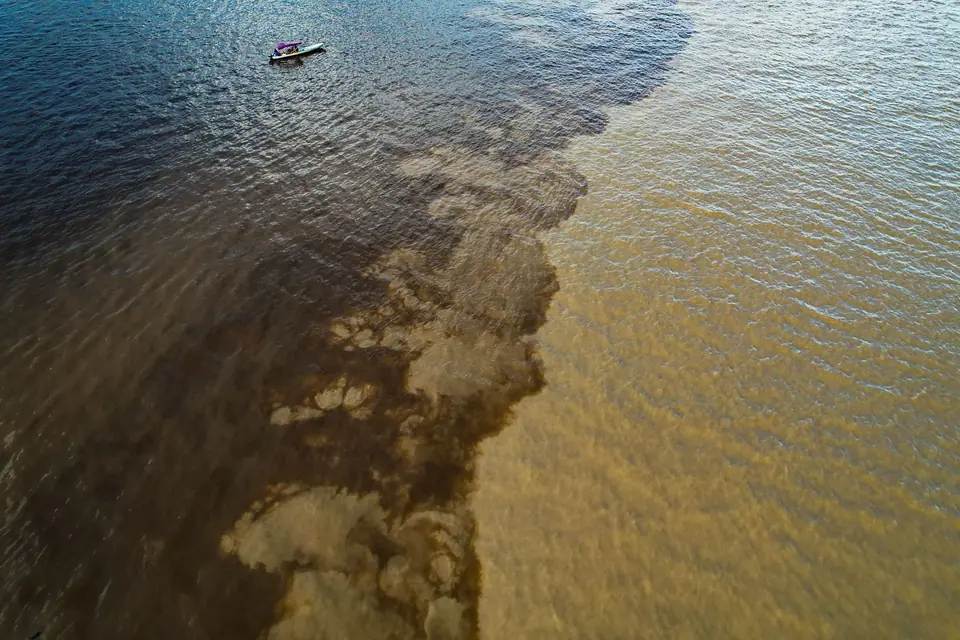
A short boat ride east of the state capital reveals a rare hydrological sight where the inky Rio Negro meets the sandy Rio Solimões. The two river systems run alongside each other for kilometres without mixing. They remain distinguished by their sharp colour line, temperatures, and current speeds. Travellers setting out from the urban waterfront soon encounter this stark dividing border before continuing their route towards protected backwaters. The dark acidic waters run warmer and slower, while the sediment-rich waters flow with noticeable momentum from Andean slopes. Water transfers coordinate easily alongside the itineraries in our district orientation notes.
Navigating the River Boundary East of Manaus
Vessels travelling downriver from the floating harbour drift directly over the natural boundary. Passengers can reach down to feel the shifting water temperature by hand. The contrast remains crisp across dry and wet cycles alike, presenting photographers with a clean division across the open horizon. Local boatmen throttle back their motors along the seam to let vessels float over the churning surface. The sudden change between the dark tea tone and pale cafe-au-lait wash highlights differences in river composition.
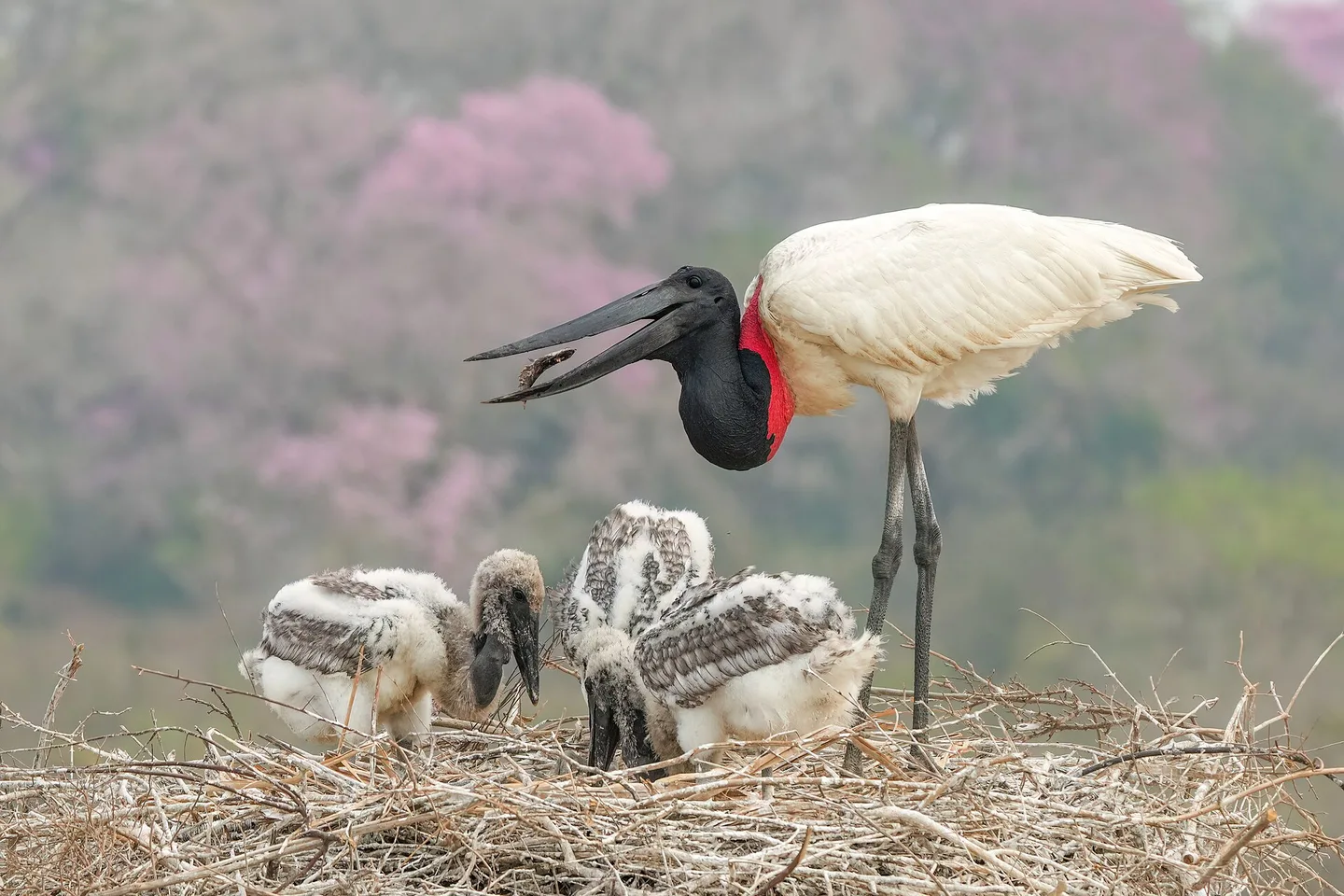
River vessels continue downstream towards adjoining wetlands where flooded woodlands shelter rich birdlife and semi-aquatic species. The transitional territory between river courses forms an important ecological crossroad for resident wildlife. Navigating these junctions safely requires experienced local skippers who understand shallow river bars, shifting driftwood, and sandbanks. River traffic shares the main channel with cargo barges and regional passenger ferries heading towards the Atlantic Ocean.
Wildlife Encounters across Forest Inundations
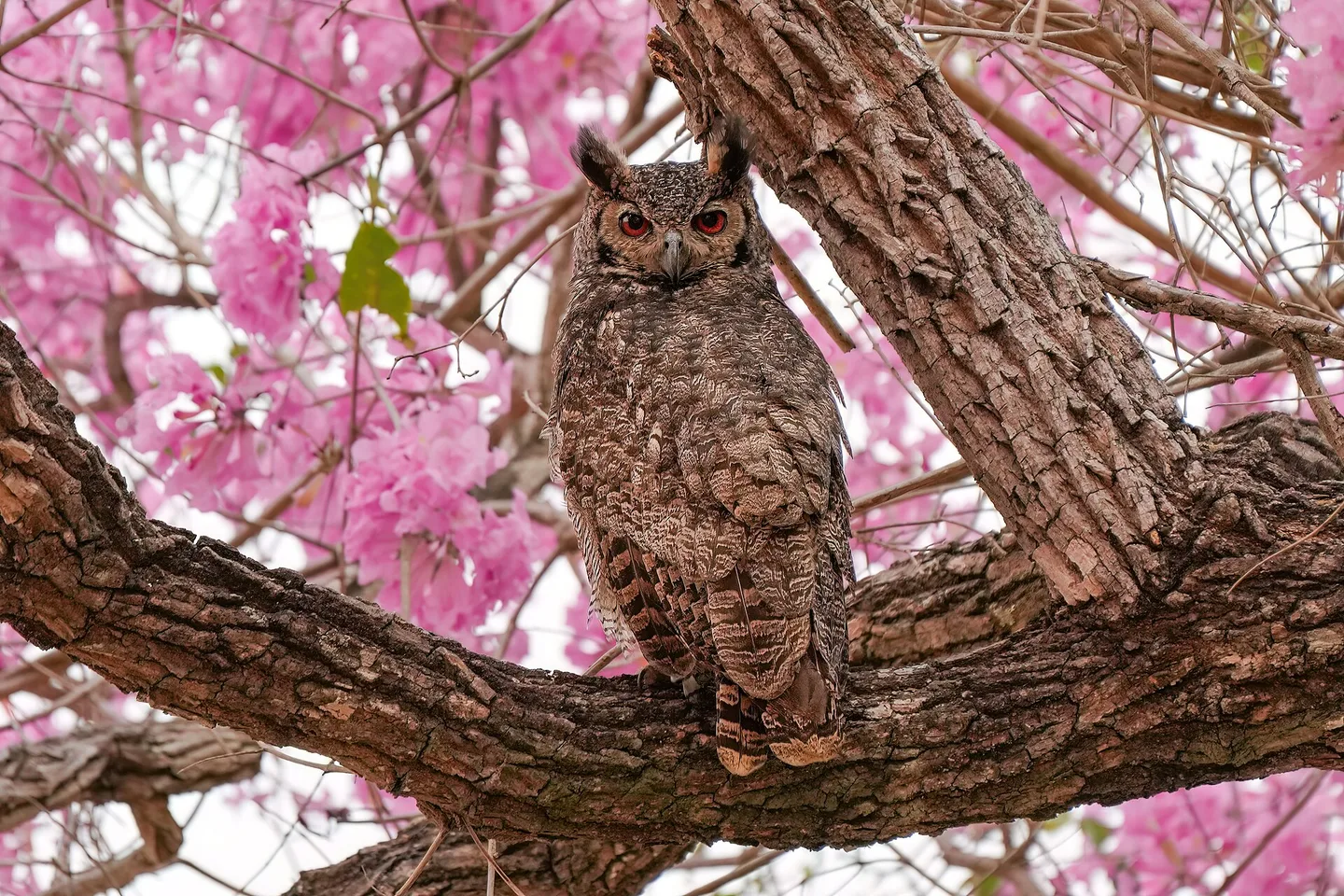
Moving beyond the main confluence leads boats into narrower channels where river foliage thickens rapidly. Large wading birds, kingfishers, and birds of prey hunt actively along muddy embankments and exposed branches. Grey and pink river dolphins often break the surface near the river boundary, pursuing fish disoriented by changing currents. Careful wildlife watchers can scan riverside treetops for resting sloths, roosting owls, and groups of squirrel monkeys moving through the upper branches.
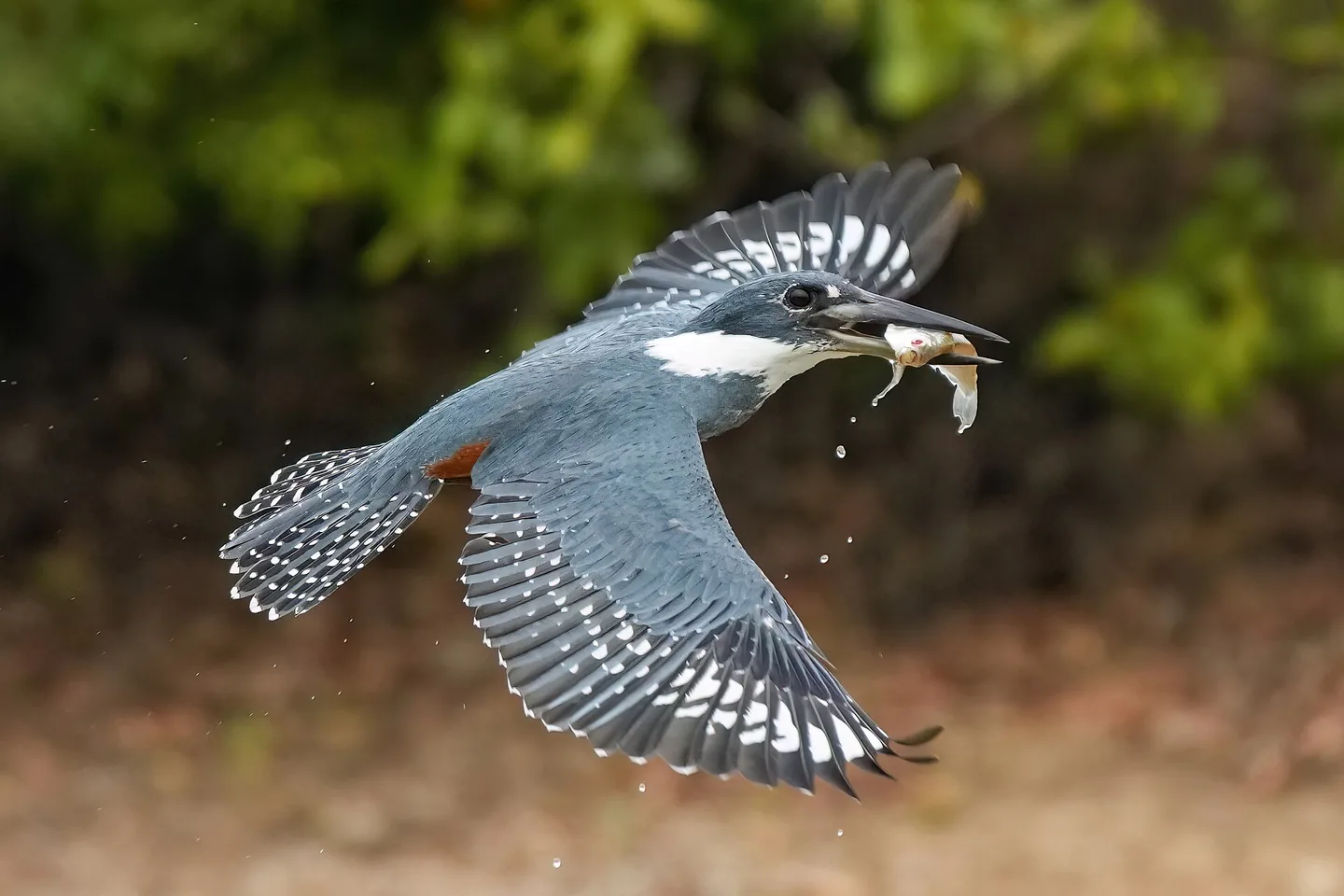
Exploring these secondary channels requires quiet electric motors or gentle paddle strokes to avoid startling nesting birds. The natural soundtrack changes markedly once boats leave the main navigation corridor, replaced by birdcalls and rustling palms. Experienced nature guides help identify camouflaged iguanas clinging to trunk bark above the waterline. Nature travellers can compare these waterways with highlights listed in our city and forest route overview.
- River dolphins hunt along the thermal boundaries between the contrasting streams.
- Flooded igapó branches support nesting storks, herons, and raptors throughout the year.
- Canopy foliage shelters monkeys, tree iguanas, and slow-moving sloths above creek waters.
Boardwalks and Water Lilies at Janauari Park
Parque Ecológico Janauari occupies a low-lying alluvial zone between the two rivers. This area remains protected to safeguard sensitive floodplain ecosystems. Raised timber walkways lead visitors safely above muddy channels to sheltered lagoons coated in giant Victoria amazonica water lilies. The circular floating leaves span broad diameters, creating sturdy resting platforms for jacanas and water insects. High-water periods lift the river surface directly beneath the footpaths, presenting an intimate view of the aquatic vegetation.
Wooden walkways wind through flooded forests, leading travellers past buttress-rooted trees adapted to months of seasonal submersion. Elevated boardwalks allow unhurried movement through dense jungle terrain without stepping into deep mud or disturbing grounded wildlife. Stilt-mounted observation decks offer shaded resting points overlooking the open lily pads. Visiting the park during calmer morning hours offers balanced light for photography before midday heat settles over the open river.
River Excursion Logistics and Essential Planning
Full-day and half-day boat excursions depart from central passenger piers, carrying small groups across the river system. Choosing an open wooden river craft gives unhindered sightlines, while covered aluminium speedboats travel between distant tributaries much faster. Travellers prone to glare should bring wide-brimmed hats, polarised sunglasses, and reliable rain protection against sudden tropical showers. Pack adequate insect repellent and bottled water for extended boardwalk strolls through humid forest clearings.
Visiting during high-water months allows vessels to glide deep inside flooded tree groves, whereas low-water months expose broad river sandbanks. Both hydrological phases offer distinct perspectives on river wildlife and seasonal survival strategies. Check official port authority portals before booking licensed river boats departing from the central quays.
Official prices and opening hours
- Teatro Amazonas (Largo de São Sebastião)Official site ↗
- MUSA — Museu da Amazônia (Reserva Ducke)Official site ↗
Where it is
- 1Encontro das Águas and Janauari
- Eduardo Gomes International Airport (MAO) · about 19 km from here in a straight line
- Directions in Google Maps
Stations and taxi ranks: OpenStreetMap. Airports: OurAirports. Distances are in a straight line.
Traveller tips
Real advice from people who have been to Manaus. Every tip is read by our team before it goes live.
No tips yet. Been here? Yours could be the first.
Thank you! Your tip will appear here after a quick review.
More in Manaus
Continue exploring Manaus with related neighbourhood, food, and planning guides
INPA Bosque da Ciência and Urban Wildlife Sanctuaries
Manaus, Brazil
Manaus Field Guide: Navigating the Rubber Boom City and Rio Negro
Manaus, Brazil
Best Things to Do in Manaus: Opera House, River Confluence and Canopy Towers
Manaus, Brazil
Travelling to Manaus: Flights, River Boats and Highway BR-174
Manaus, Brazil
