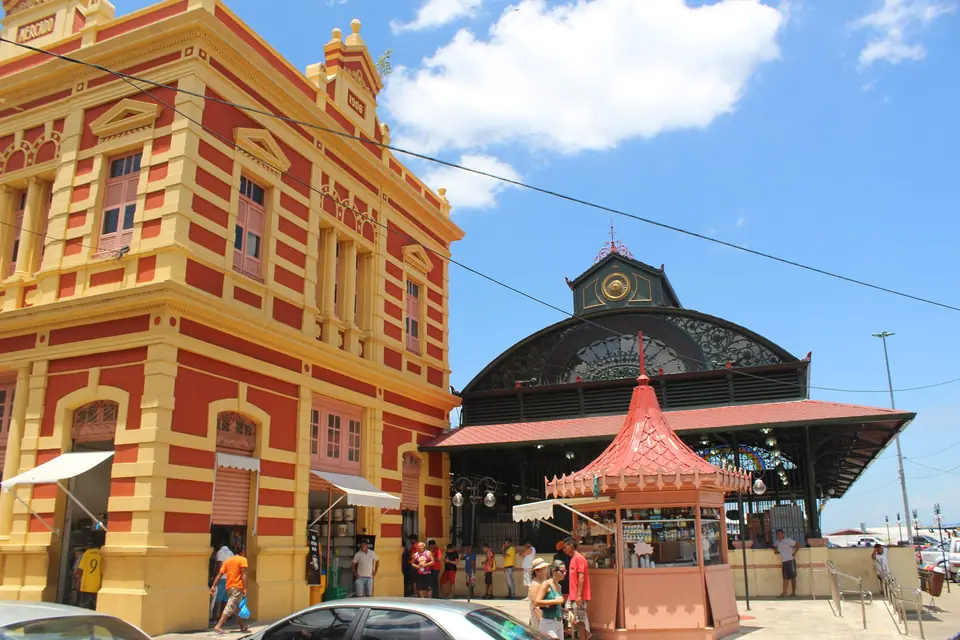
Three Days in Manaus: Opera House Echoes, Forest Trails and River Confluences
We outline three full days connecting rubber-boom civic architecture, riverside market quays, and the protected rainforest reserve.
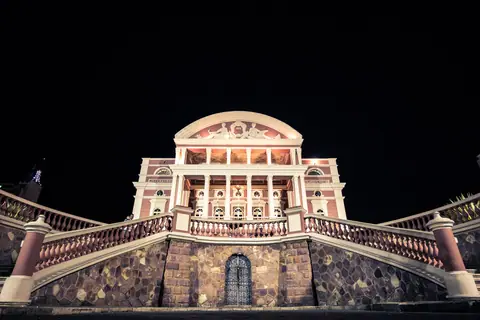
Arriving in the central district allows us to understand how river commerce and historical wealth shaped this remote forest metropolis. We begin at Largo de São Sebastião, where mosaic pavements reflect Portuguese craftsmanship beneath leafy canopies. Standing above the square is the ornate pink masonry of Teatro Amazonas, surrounded by peaceful outdoor cafés. Check official theatre portals for tour entry arrangements before walking through its grand public rooms.
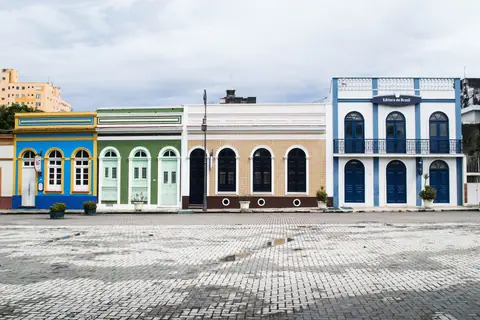
Leaving the square, we wander south towards the riverbank through leafy streets filled with nineteenth-century townhouses. These residences display ornamental tiles and cast-iron balconies imported during the historic rubber boom. Our route leads directly past the Paço da Liberdade, an old municipal palace holding exhibitions on regional history. Before starting morning walks, use our district transit and climate orientation to prepare for tropical humidity and occasional rainfall.
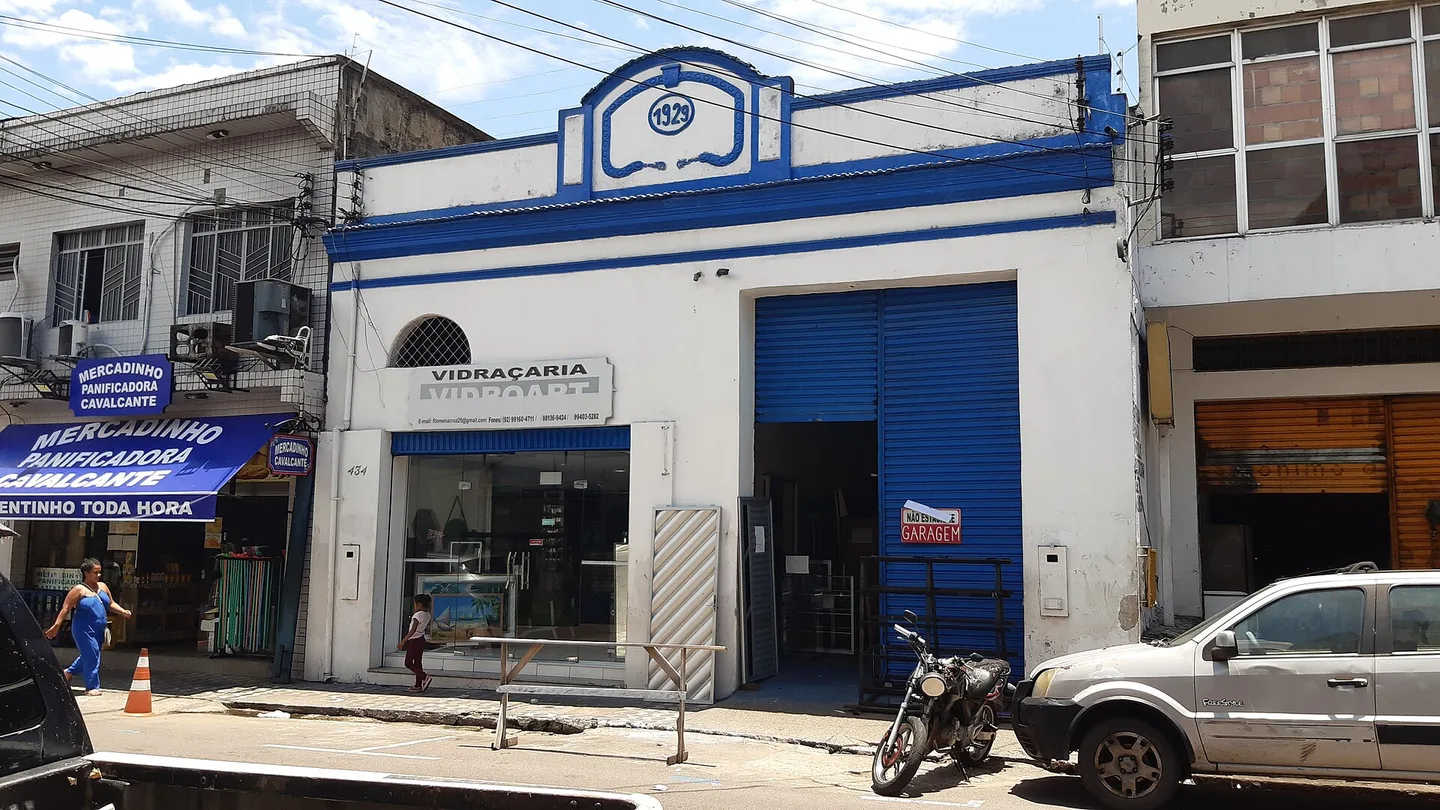
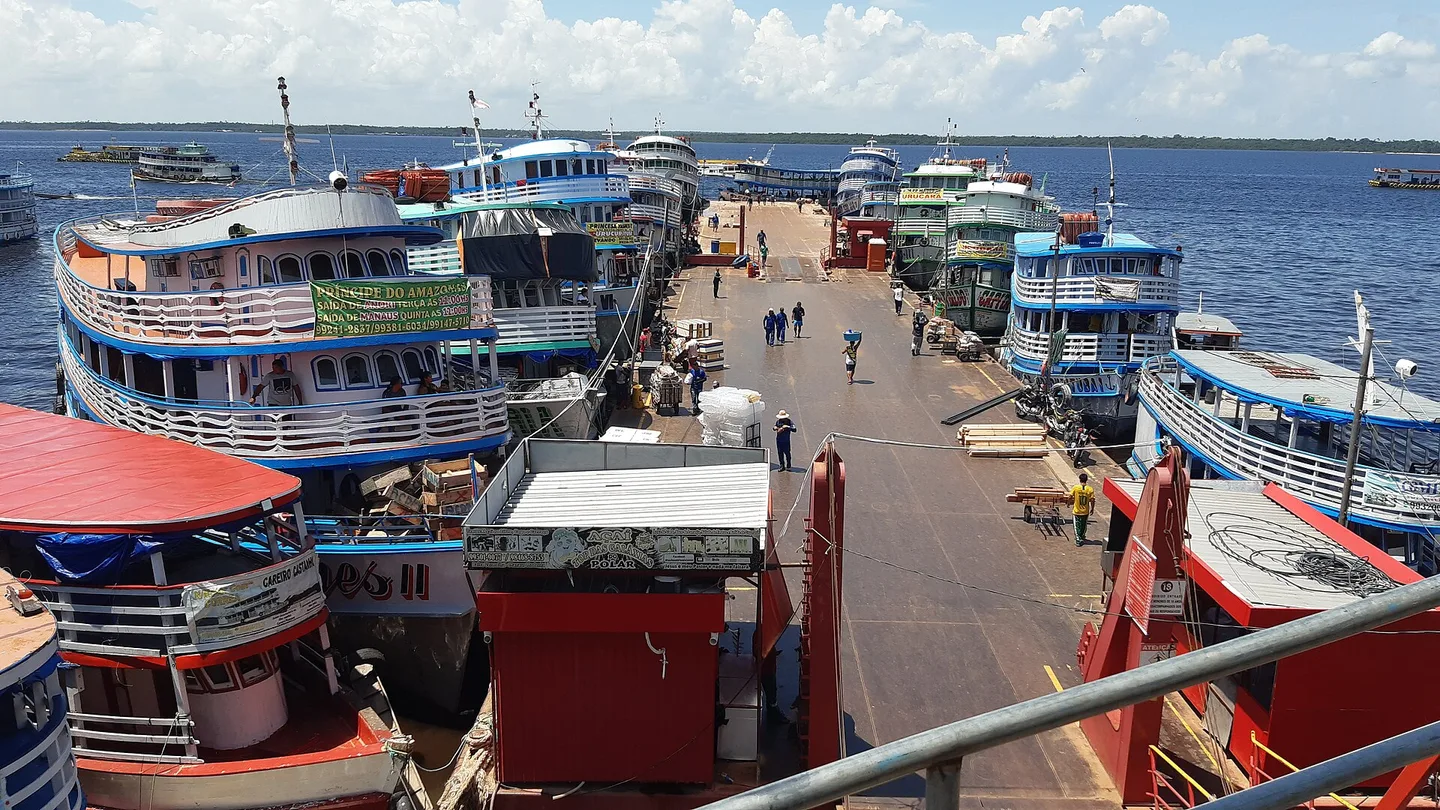
We continue downhill to reach the iron halls of Mercado Municipal Adolpho Lisboa beside the commercial harbour. The structure displays arched ironwork crafted in Europe, housing stalls loaded with river fish, medicinal herbs, and woven crafts. Walking along the floating quays reveals wooden riverboats loading green plantains and manioc flour for distant forest settlements. This harbour walk offers an immediate sense of the vital waterway connections linking the interior.
Day Two: River Waters and the Meeting of Rivers
Day two takes us onto the water from the port quays early in the morning. River craft head downriver towards the famous Meeting of Waters, where dark and pale currents flow side by side without mixing. Temperature differences, water speed, and distinct densities keep the two rivers apart across several kilometres. Observing the stark division from boat deck level gives an exceptional perspective on the scale of the river basin.
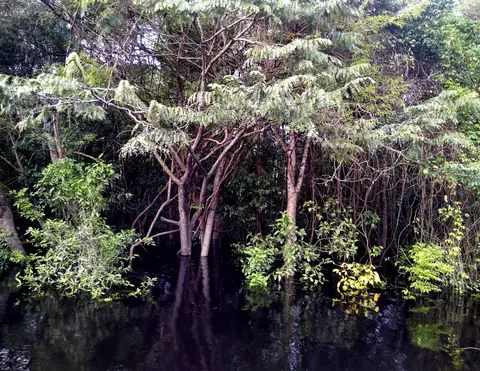
Boats often navigate into narrower river channels where giant water lilies spread across quiet inlets and flooded forest pockets. Birdlife gathers along these margins, allowing us to watch egrets, kingfishers, and birds of prey gliding above the trees. Local riverside settlements maintain stilt homes along the banks, demonstrating adaptations to seasonal flood waters. When scheduling boat trips across regional waterways, browse our top city landmarks and river excursions before booking departures.
Returning to the city centre in late afternoon, we can head towards the neighbourhood of Ponta Negra. The shoreline promenade here offers expansive views across the broad river as the sun begins to lower. Locals gather along the paved riverfront walk to exercise, chat, and taste fresh fruit juices from pavement kiosks. Sitting by the river edge gives a calm contrast to the active harbour docks visited earlier.
Day Three: Forest Canopy and Living Amazonian Flora
Our third day focuses on the botanical richness of the surrounding primary forest. We travel to the northern perimeter of the city to reach MUSA, the forest reserve managed as a living museum. Shaded walking trails lead past massive buttress-rooted trees, wild orchids, and quiet forest ponds. Always check official reserve portals for current access rules and trail entry permits ahead of arrival.
Climbing the steel observation tower brings us above the forest canopy into clear air. From this elevated platform, endless green treetops stretch towards the distant horizon in every direction. Flocks of parrots and toucans fly past at eye level while cicadas call steadily from the leaves below. Ground trails lead visitors past medicinal plant gardens and interpretive pavilions explaining indigenous forestry traditions.
We conclude the afternoon with an unhurried visit to the Bosque da Ciência, located closer to central residential districts. This tranquil conservation park shelters manatees, giant river otters, and leafy nursery areas beneath native forest trees. Raised wooden boardwalks allow peaceful strolls above forest streams without disturbing the sensitive resident wildlife. This combination leaves us with a thorough appreciation of how city life and natural wilderness coexist.
Recommended Three-Day Itinerary Structure
Following this structured schedule maintains a balanced progression between historical architecture, river hydrology, and rainforest biology. Each day targets a distinct geographic zone to minimise cross-town travel during heavy traffic periods.
- Day One focuses on Teatro Amazonas, the surrounding historic downtown plazas, and the waterfront iron market pavilions.
- Day Two centres on navigating the Meeting of Waters, exploring flooded forest creeks, and relaxing along the Ponta Negra riverbank.
- Day Three prioritises canopy views at MUSA forest reserve and conservation trails at the Bosque da Ciência park.
Official prices and opening hours
- Teatro Amazonas (Largo de São Sebastião)Official site ↗
- MUSA — Museu da Amazônia (Reserva Ducke)Official site ↗
Where it is
- 1Manaus
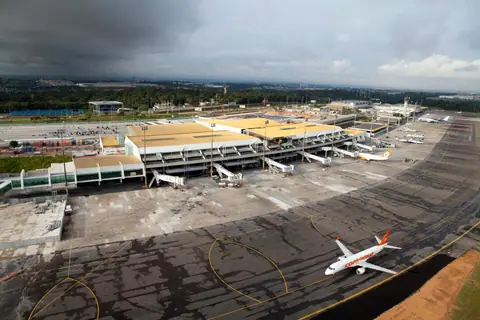
- Eduardo Gomes International Airport (MAO) · about 9 km from Manaus in a straight line
- Directions in Google Maps
Stations and taxi ranks: OpenStreetMap. Airports: OurAirports. Distances are in a straight line.
Traveller tips
Real advice from people who have been to Manaus. Every tip is read by our team before it goes live.
No tips yet. Been here? Yours could be the first.
Thank you! Your tip will appear here after a quick review.
More in Manaus
Continue exploring Manaus with related neighbourhood, food, and planning guides
Manaus Field Guide: Navigating the Rubber Boom City and Rio Negro
Manaus, Brazil
Best Things to Do in Manaus: Opera House, River Confluence and Canopy Towers
Manaus, Brazil
Travelling to Manaus: Flights, River Boats and Highway BR-174
Manaus, Brazil
Manaus River Levels, Flood Seasons, and Equatorial Planning
Manaus, Brazil
