Salvador
Salvador unites baroque church facades, Afro-Brazilian culture, and vast Atlantic oceanfronts across two historic levels connected by public transit links.
Quick decisions
How many days?
We recommend three to four full days to balance colonial squares, bay boat trips, and beachfront neighbourhoods without rushing your daily plans.
Where should I stay?
Pelourinho suits heritage walking, while Barra or Rio Vermelho offers quiet nights and ocean views linked by our neighbourhood hotel guide.
Do I need a car?
Avoid driving entirely, because narrow colonial cobblestones, complex parking, and heavy shore traffic make urban driving stressful compared with metro lines and licensed taxis.
Best for
Independent travellers who value Afro-Brazilian musical history, baroque religious architecture, fresh regional seafood, and dramatic South Atlantic coastal sunsets find plenty of appeal across town.
Before you go
Time outdoor walks around rainy spells with our seasonal weather notes and follow our breathable clothing checklist for tropical humidity and stone steps.
Getting around
Travel between districts using CCR Metrô Bahia, the historic cliff elevator, and app rides, as outlined in our airport rail and ferry notes.
Continue your trip
Extend your journey into Bahia state by catching regional ferries or coastal road coaches heading toward nearby ocean coves and nature reserves.
Overview
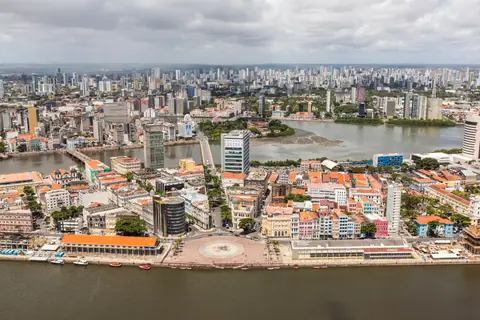
Salvador rises above All Saints Bay with striking baroque church facades, vast ocean bays, and deep Afro-Brazilian musical heritage. The city was founded as the initial capital of colonial Brazil, dividing naturally into Cidade Alta on the ridge and Cidade Baixa along the commercial harbour below.
We experience this topography through steep stone slopes, colourful squares, and Atlantic headlands. Daytime trade concentrates around port markets, while evening gatherings bring drum ensembles and pavement dining across colonial quarters and southern ocean beaches.
High temperatures range between 25.2°C in August and 28.9°C in February across the calendar year. Nighttime lows average between 22.0°C in August and 24.9°C in February, keeping the tropical air warm throughout every month.
Rainfall totals shift noticeably across seasonal transitions along the oceanfront. May records the highest precipitation at 200 mm across about 24 wet days, whereas November receives only 48 mm across around 15 wet days.
Winter months from May through July stay damp, logging around 24 wet days monthly. Travellers who prefer drier weather will appreciate late spring and summer periods when monthly rainfall drops to its lowest levels.
Getting there
Salvador Bahia Airport connects international and domestic flights directly to the municipal rail grid. CCR Metrô Bahia operates modern trains from the terminal station toward central transit hubs, keeping arrivals fast and predictable.
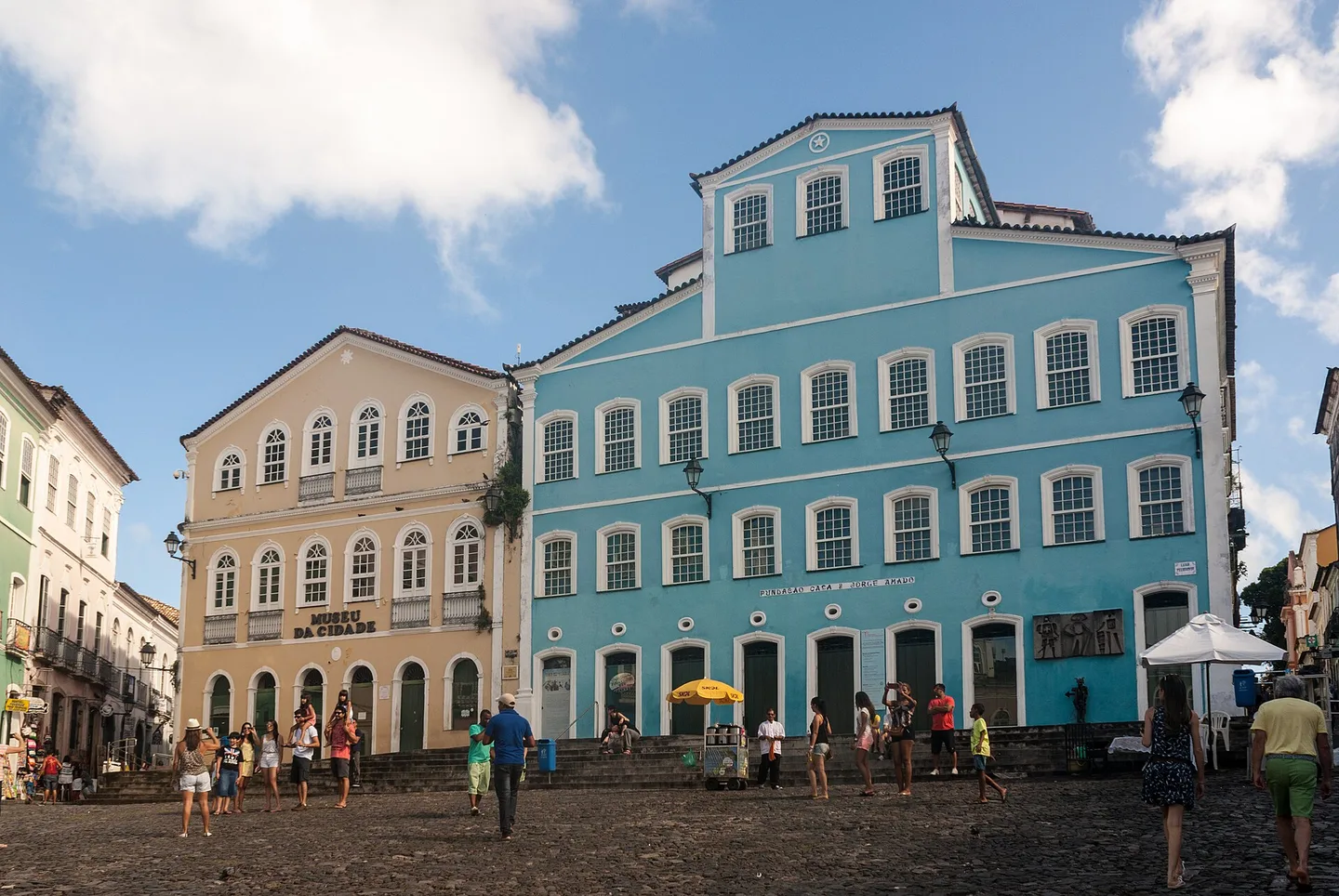
For movement between the upper colonial core and the lower waterfront, step aboard Elevador Lacerda to bypass long hill climbs. Pair our practical district navigation guide with local station signage for metro connections, operating rules, and licensed taxi ranks.
Urban buses link outlying coastal suburbs with central transfer stations across broad avenues. Rideshare apps offer convenient door-to-door transit between beachfront accommodation and colonial sightseeing districts during evening hours.
Public transport passes allow quick boarding on metro platforms and integrated feeder buses. Keeping small change handy helps when using municipal elevators or boarding local public transport connections near the bay.
Where to stay
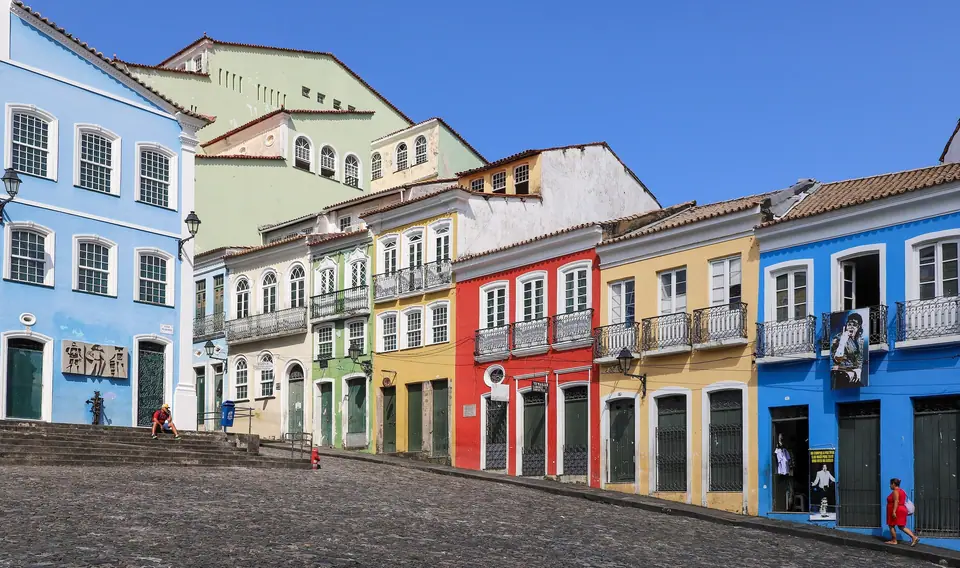
Choosing where to sleep depends on whether you prefer historic atmosphere or coastal breezes. Pelourinho contains restored heritage mansions with interior courtyards, though lively drum sessions echo through cobblestone lanes late into the evening.
Barra and Rio Vermelho offer quieter nights beside Atlantic beaches, giving direct bus links and diverse seaside restaurants. Compare neighbourhood characteristics and transit access directly in our neighbourhood base comparison.
Santo Antônio Além do Carmo presents a calmer alternative adjacent to the central heritage quarter. Here boutique guest houses occupy restored colonial townhouses overlooking the broad waters of All Saints Bay.
Oceanfront hotels in Ondina suit visitors seeking swimming pools and modern resort facilities. Staying near the coastline brings refreshing sea breezes during humid summer afternoons when urban streets grow hot.
Things to do
Begin your morning in Pelourinho, walking past gilded altars in the Church of São Francisco and visiting historic community squares. Early starts let you admire pastel colonial facades before midday heat settles over stone alleys.
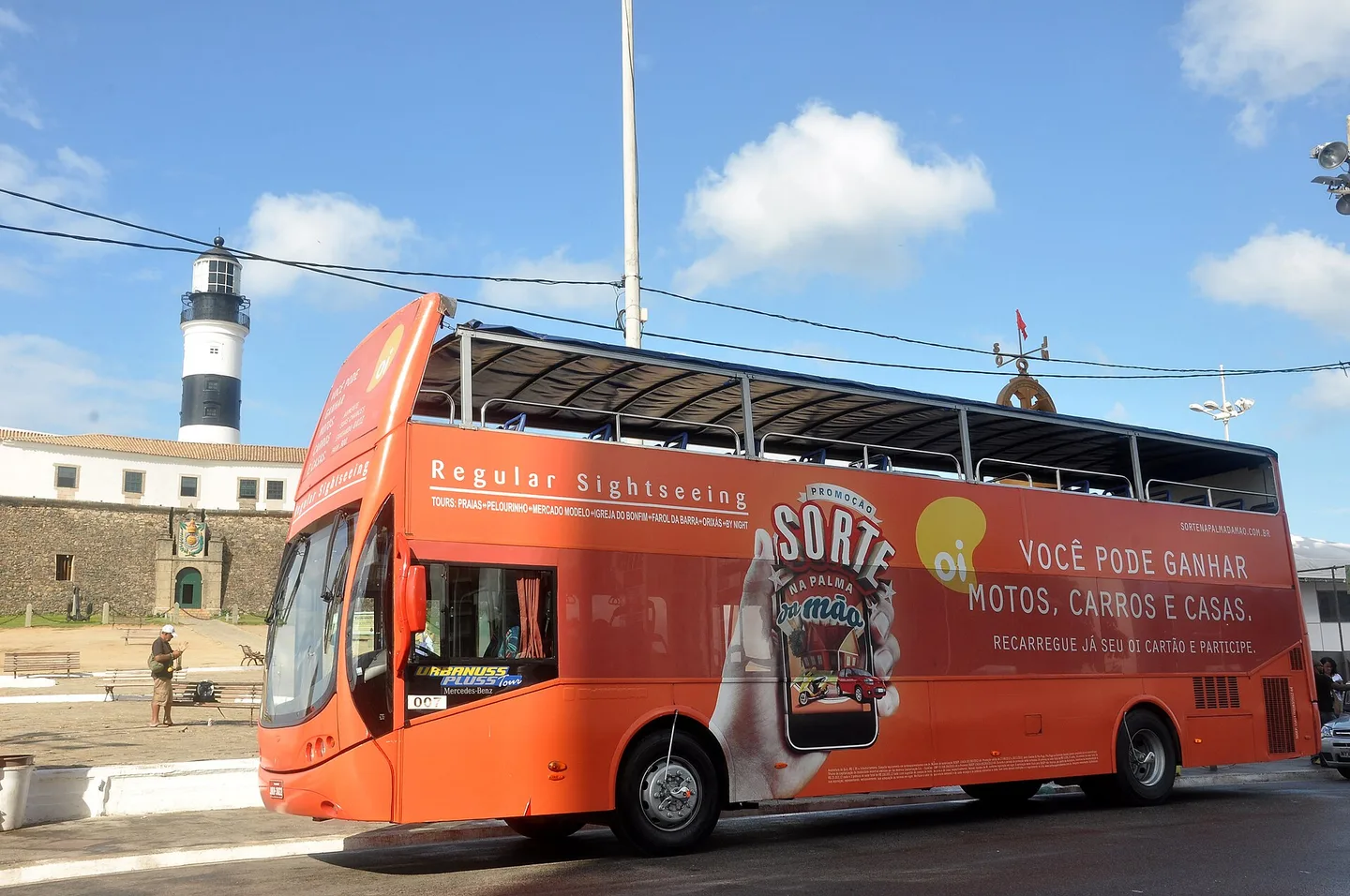
Descend to the harbour to browse regional artisan stalls inside Mercado Modelo, then travel south toward Farol da Barra for sunset views. Follow our curated key city landmarks and structured coastal three-day schedule to pace your sightseeing cleanly.
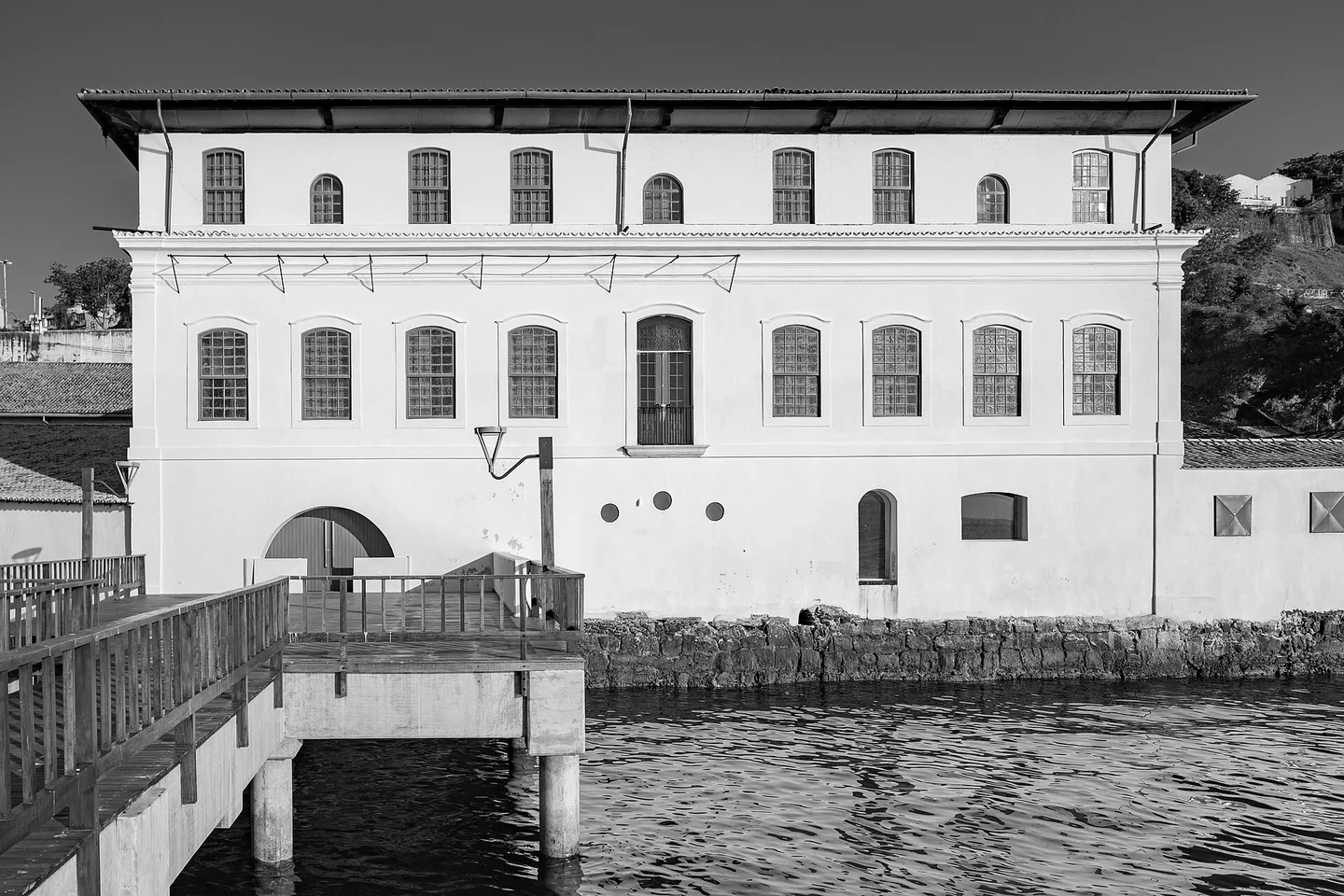
Solar do Unhão houses contemporary art exhibitions within a protected seventeenth-century architectural complex right on the water. Visitors gather on stone terraces here on Saturday afternoons to enjoy live jazz performances against the ocean backdrop.
Igreja de Nosso Senhor do Bonfim draws worshippers and cultural travellers to its prominent hilltop location. Visitors tie colourful ribbons to external railings while offering traditional wishes according to long-standing Bahian customs.
Food and drink
Bahian cuisine blends indigenous, Portuguese, and West African cooking traditions into rich flavours based around dendê palm oil, coconut milk, and fresh seafood. Street vendors fry acarajé bean patties in deep cauldrons, serving them hot with vatapá, dried shrimp, and green salad.
Waterfront restaurants serve bubbling moqueca seafood stews in clay pots alongside toasted manioc flour. Discover authentic neighbourhood markets, traditional cooking customs, and informal street stalls in our Bahian market and dining notes.
Abará offers a steamed alternative to fried acarajé, wrapping spiced bean paste inside fresh banana leaves. Local cooks serve this speciality with fiery pepper sauces and freshly made condiments across market stalls.
Fresh tropical fruits thrive in local markets, including cashew fruit, mango, and tart graviola. Order chilled coconut water straight from green shells along beachfront kiosks to stay refreshed while walking in the sun.
Culture
Salvador maintains distinct Afro-Brazilian customs through capoeira circles, Candomblé religious ceremonies, and community drumming groups rehearsing in historic public spaces. Visitors should dress respectfully when entering active churches and ask permission before photographing local residents.
Keep valuables out of sight on crowded pavements, using licensed taxis after dark rather than walking through quiet colonial alleys. Plan your cultural stops with our detailed Pelourinho heritage route.
The annual carnival celebration fills wide avenues with large musical trucks and coordinated dancing groups. Throughout the remainder of the year, cultural centres host weekly musical performances and folkloric dance shows.
Terreiros dedicated to Candomblé preserve sacred music, spiritual rites, and traditional herbal knowledge across decades. Visiting these sacred sites requires advance arrangements, modest attire, and earnest respect for communal ceremonies.
Official prices and opening hours
- Elevador Lacerda (Upper & Lower City Lift)Official site ↗
- CCR Metrô Bahia (Airport Line 2 to Lapa / Campo da Pólvora)Official site ↗
Weather by month
Salvador is warmest in February, with average highs around 29°C, and coldest in August, when nights drop to about 22°C. May is the wettest month by rainfall (200 mm), with rain on about 24 days. For mild weather with fewer rainy days, aim for September.
| Month | Low | Range | High | Rain | Rainy days |
|---|---|---|---|---|---|
| Jan | 25°C | 29°C | 74 mm | 18 d | |
| Feb | 25°C | 29°C | 58 mm | 16 d | |
| Mar | 25°C | 29°C | 107 mm | 19 d | |
| Apr | 24°C | 28°C | 174 mm | 23 d | |
| May | 24°C | 27°C | 200 mm | 24 d | |
| Jun | 23°C | 26°C | 139 mm | 24 d | |
| Jul | 22°C | 25°C | 101 mm | 24 d | |
| Aug | 22°C | 25°C | 87 mm | 22 d | |
| Sep | 22°C | 26°C | 58 mm | 19 d | |
| Oct | 24°C | 28°C | 48 mm | 15 d | |
| Nov | 24°C | 28°C | 111 mm | 17 d | |
| Dec | 24°C | 29°C | 66 mm | 15 d |
Averages of daily values from 2015 to 2024. Rainy days are days with at least 1 mm of rain. Source: Open-Meteo · Compare destinations by month.
Salvador on the map
Every place we cover in Salvador. Tap a category or pin to explore.
In-depth Salvador guides
Browse the guides grouped by topic: sights, neighbourhoods, food, transport, day trips and trip planning.
Sights, Landmarks & Parks
Key monuments, viewpoints, museums and nature trails.
 12 Best Things to Do in Salvador: Golden Churches, Bay Sunsets and AcarajéSalvador presents golden baroque chapels, breezy coastal headlands, and communal street food squares across distinct upper and lower districts.
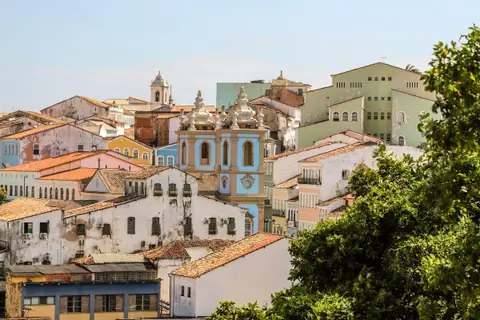 Pelourinho, Terreiro de Jesus and Golden São Francisco Church GuideColonial squares of Pelourinho connect directly to the gilded interior of São Francisco Church inside the historic heart of Salvador.
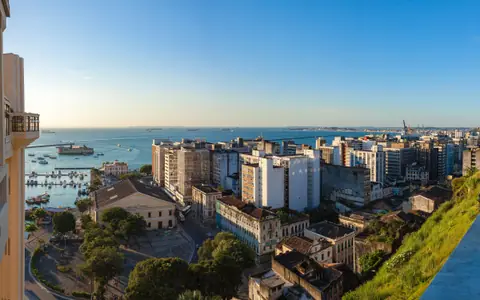 Elevador Lacerda, Mercado Modelo and Cidade Baixa GuideHistoric urban lifts connect the clifftop colonial centre to Bahia's waterfront market between upper and lower districts.
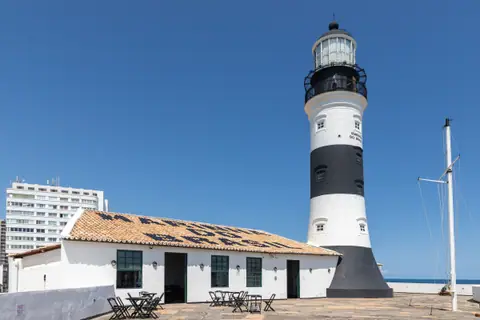 Barra, Farol da Barra Lighthouse and Porto da Barra Beach GuideWe explore the oceanfront headland of Barra in Salvador, connecting historical stone bastions with calm bay waters and coastal promenades.
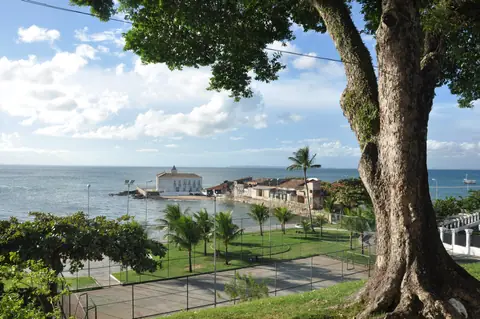 Bonfim Church, Monte Serrat and Itapagipe Peninsula: Coastal Salvador Field GuideWe explore the religious heritage and coastal fortifications of the Itapagipe Peninsula, linking historic pilgrimage sites with breezy harbour lookouts.
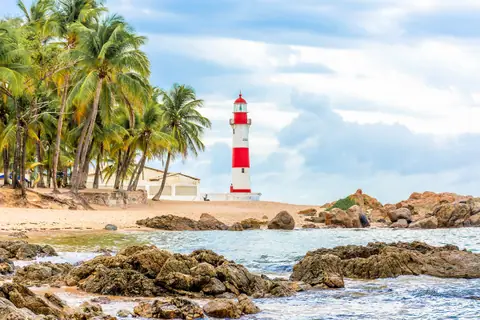 Itapuã, Stella Maris and Praia do Flamengo: Salvador's North CoastSalvador's northern shores stretch from sheltered reef lagoons at Farol de Itapuã towards the wild Atlantic breakers of Stella Maris.
Neighbourhoods & Where to Stay
Districts, historic quarters and the best bases for your stay.
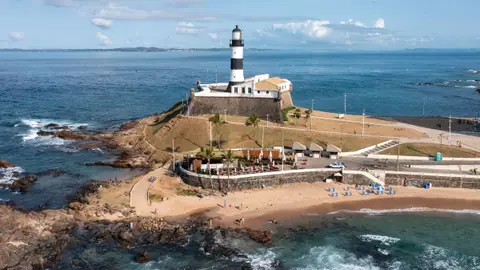 Where to Stay in Salvador: Barra, Santo Antônio Além do Carmo and Rio VermelhoChoosing where to stay in Salvador shapes your daily walks between colonial cobbles, sheltered beaches, and evening dining quarters across the peninsula.
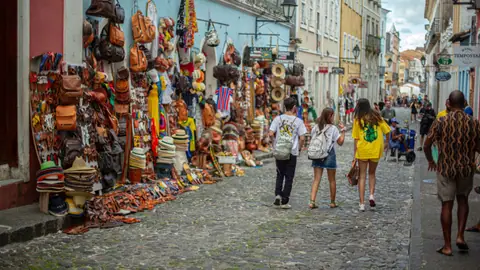 Pelourinho: Discovering Salvador's Historic Colonial QuarterPelourinho preserves the colonial heart of Salvador through colourful pastel townhouses, cobbled inclines, and lively baroque public squares.
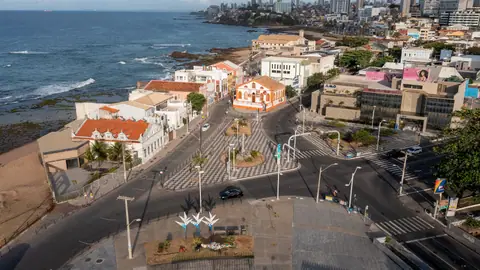 Rio Vermelho Guide: Casa de Jorge Amado, Iemanjá Shrine & Best AcarajéRio Vermelho brings together literary heritage, Afro-Brazilian coastal rituals, and celebrated street food across breezy Atlantic ocean squares in Salvador.
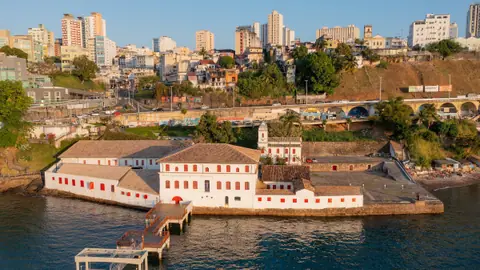 Santo Antônio Além do Carmo & Solar do Unhão GuideColonial lanes in Santo Antônio Além do Carmo meet waterfront modern art across historic Solar do Unhão along All Saints' Bay.
Food & Drink
Local dishes, markets, cafés and dining districts.
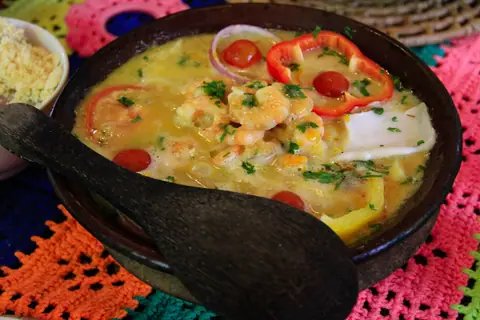 What to Eat in Salvador: Moqueca Baiana, Acarajé, Vatapá and Local SpecialitiesSalvador serves Brazil's most distinctive Afro-Atlantic culinary heritage, defined by fiery chillies, creamy coconut milk, and fragrant golden dendê palm oil.
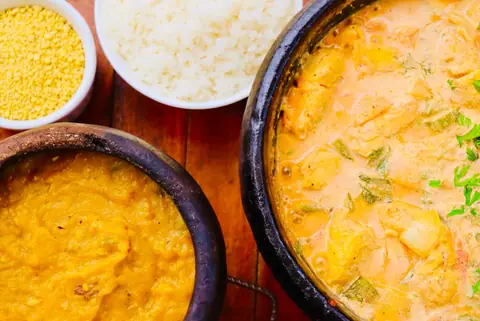 Bahian Cuisine Guide: What to Eat in SalvadorSalvador serves Afro-Brazilian specialities defined by red palm oil, coconut milk, and aromatic spices cooked in traditional earthenware pots.
Getting Around & Arrival
Airport transfers, public transit, passes and driving rules.
Day Trips & Excursions
Easy half-day and full-day trips from the city.
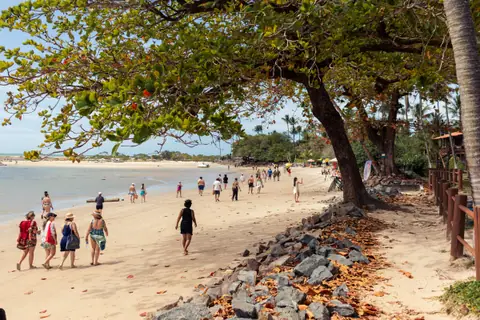 Day Trips from Salvador: Islands, Beaches and the RecôncavoLeaving Salvador reveals quiet Atlantic archipelagos, historic sugar ports along river valleys, and sweeping coconut-lined shorelines across Bahia.
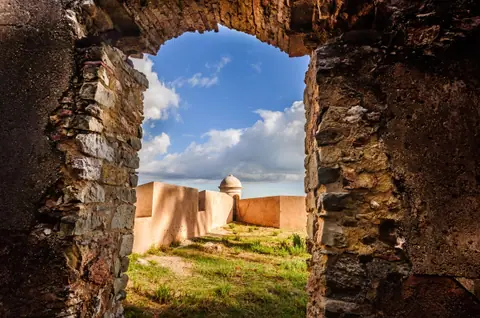 Day Trips from Salvador: Morro de São Paulo, Ilha dos Frades and Praia do ForteThree distinct coastal escapes lie within reachable distance of Salvador across the bay waters and along the northern coconut coast.
Trip Planning & Itineraries
When to visit, what to pack and day-by-day routes.
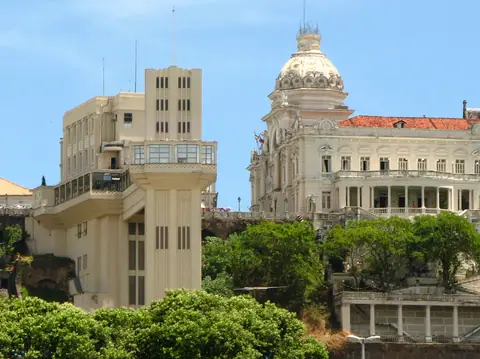 Salvador: Essential Planning for Bahia's Historic CapitalHistoric heights of Pelourinho link directly to the waterfront shores of All Saints' Bay across Salvador.
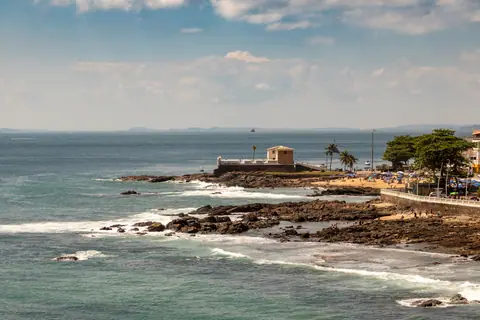 Salvador Seasonal Guide: Weather Patterns, Festivals and Best MonthsUnderstanding Salvador's tropical maritime climate helps you choose between dry summer festivals and quieter winter weeks across Bahia's historic capital.
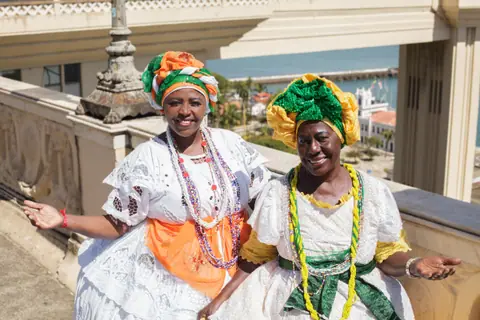 What to Wear in Salvador: Packing for Heat, Cobblestones, and CulturePacking for Salvador requires breathable cotton garments, supportive walking shoes for steep colonial slopes, and modest layers for sacred baroque churches.
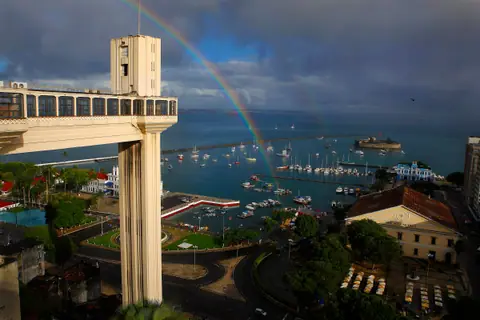 3 Days in Salvador Itinerary: Pelourinho, Barra Sunset, Bonfim and Bay IslandsThree days in Salvador balance colonial gold churches, Afro-Brazilian percussion rhythms, peninsula vistas, and calm Atlantic waters.
Need your embassy or consulate in Brazil? See embassies and consulates in Brazil.
Reviews
Log in to write a review.
No reviews yet.