12 Best Things to Do in Salvador: Golden Churches, Bay Sunsets and Acarajé
Salvador presents golden baroque chapels, breezy coastal headlands, and communal street food squares across distinct upper and lower districts.
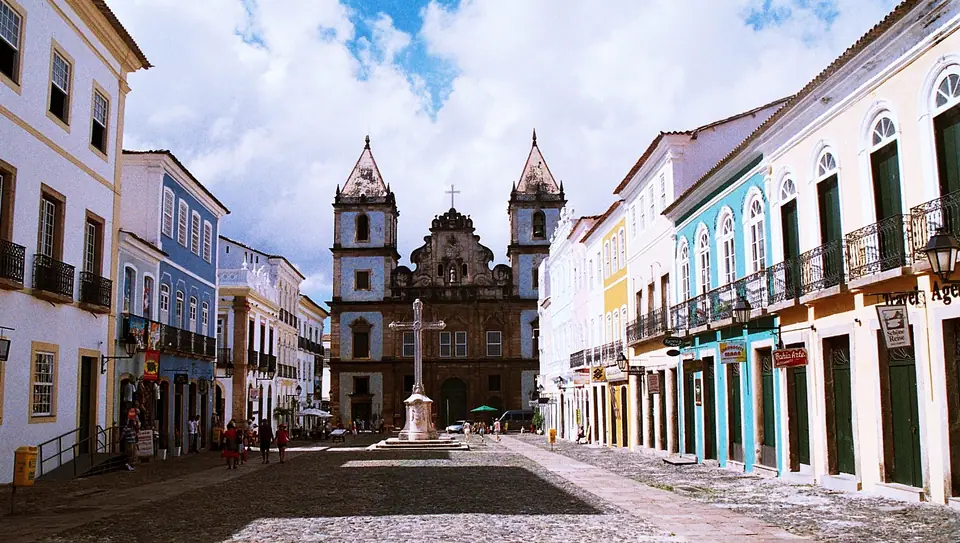
Salvador spreads across dramatic coastal ridges that separate historic administrative squares from maritime port districts. Exploring the upper ridge reveals dense clusters of colonial residences, civic halls, and intricately decorated stone churches. Travellers moving through these historic cobblestone streets encounter centuries of architectural heritage preserved alongside everyday Bahian social routines. We begin at the grand public esplanades that overlook the ocean below.
These high viewpoints offer wide panoramas across the bay and coastal shipping lanes. Ocean breezes sweep across the stone balustrades, providing relief during warm afternoons. Visitors often gather along the railings to observe cargo ships, local wooden schooners, and distant islands across the blue water. Taking time to study the geography from above makes it easier to plan journeys across different neighbourhoods.
Historic Upper City Palaces and Gilded Altars
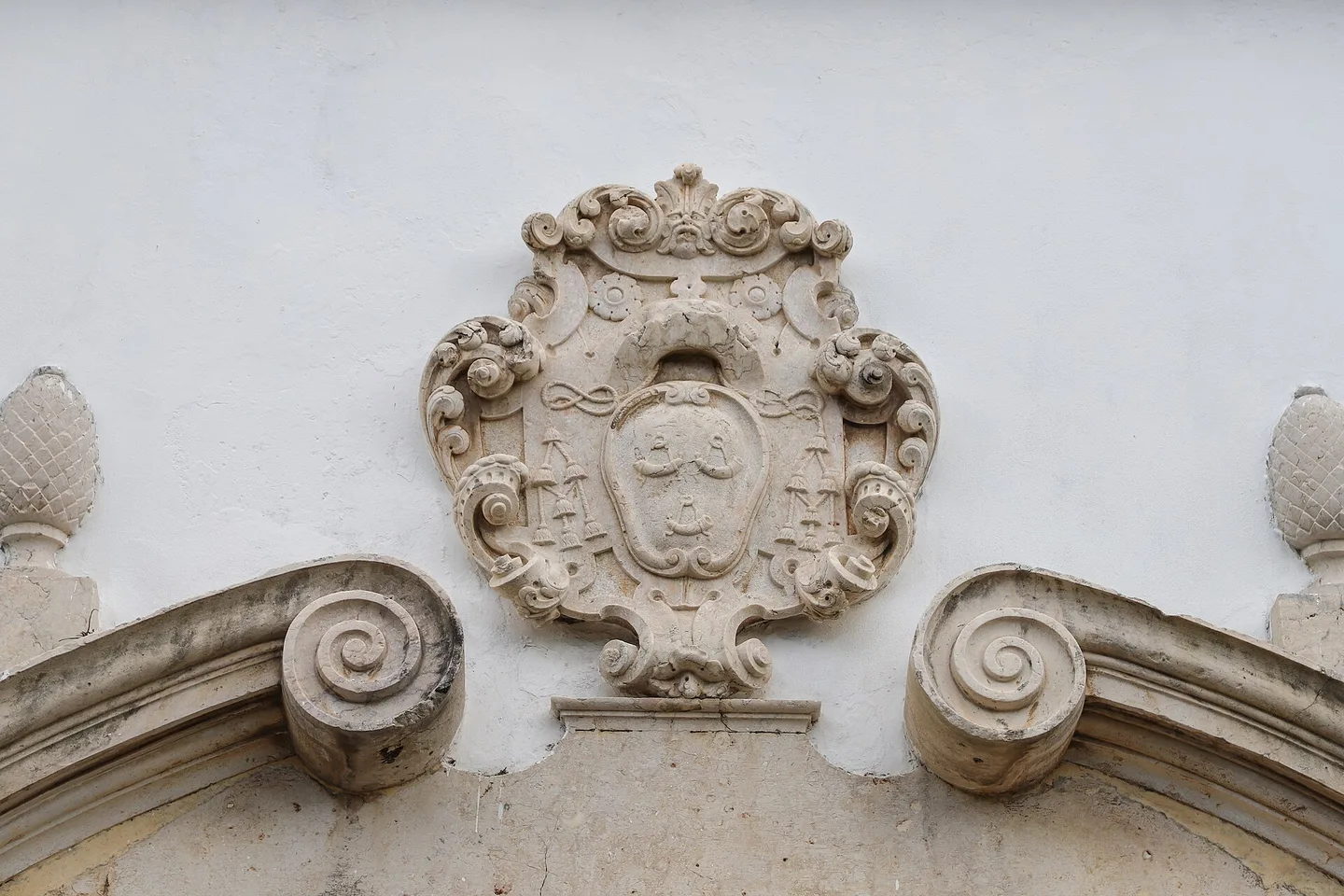
The upper administrative district contains some of the most elaborate Portuguese religious architecture constructed in South America. Visitors discover church interiors lined with carved cedar and covered in dense gold leaf that catches the tropical daylight. Tall stone portals frame central squares where civic administrators, church leaders, and local merchants have gathered for generations. Walking these stone lanes connects municipal palaces directly to quiet monastic courtyards.
Nearby cultural venues frequently occupy repurposed historic structures that once housed colonial congregations and regional brotherhoods. Stepping inside these converted parish halls offers insight into how communal heritage continues through local music, visual arts, and public exhibitions. Taking time to observe the fine stonework reveals masonry techniques shaped by diverse communities over generations. You can review regional transfers within our Salvador travel guide before setting off on long walking routes across town.
Elevator Descents and Lower City Harbours
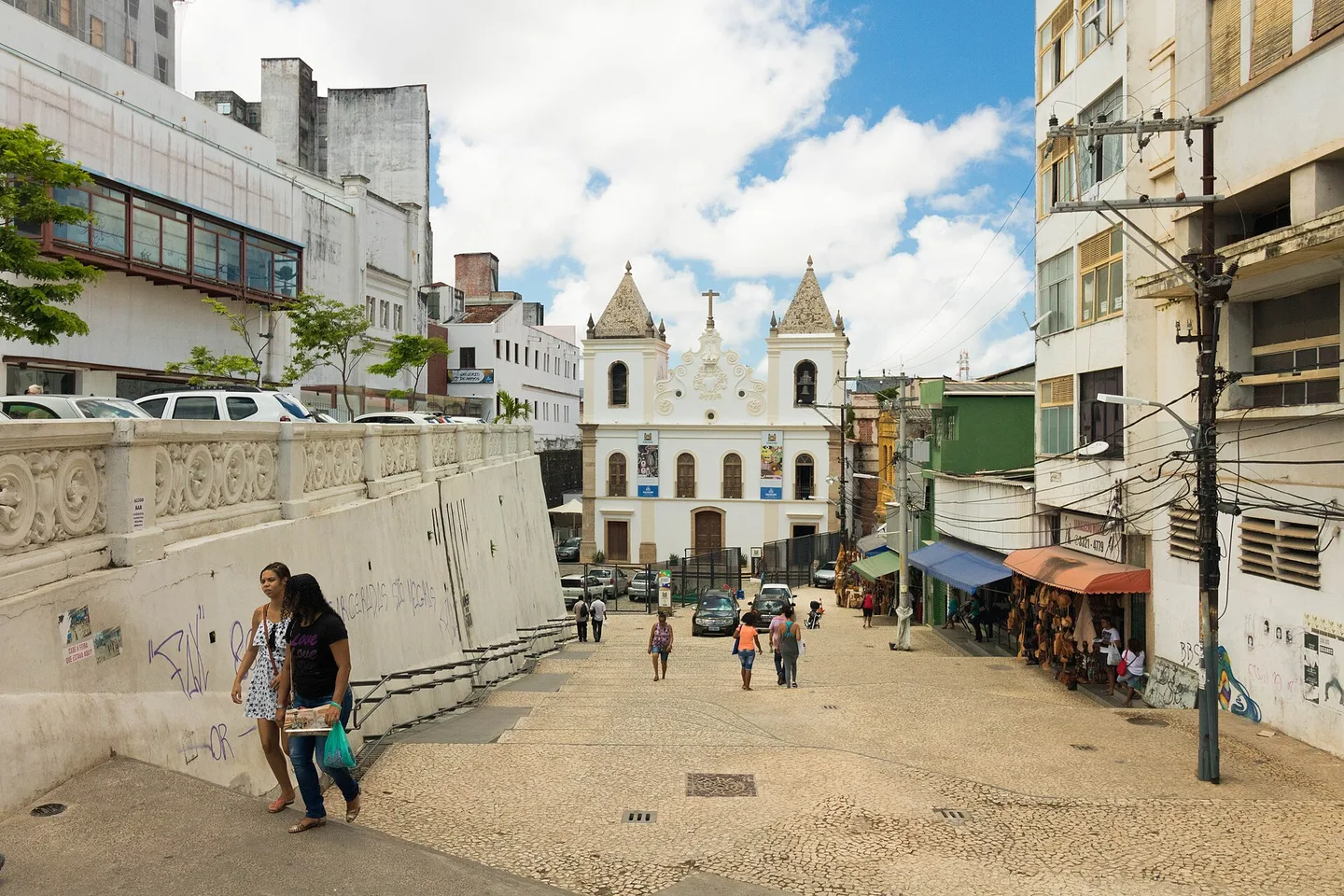
Reaching the waterfront requires navigating the sheer vertical rock wall dividing the upper ridge from the harbour floor. Historic vertical lifts and winding cobblestone slopes connect the two levels, sparing visitors arduous pedestrian climbs under the afternoon sun. These transport links carry thousands of commuters, market shoppers, and visiting travellers each day. Regular cabins travel up and down the cliffside, linking municipal administrative quarters with busy coastal trading wharves.
Down along the lower harbour, commercial life revolves around maritime trade and traditional covered market stalls. Artisans display woven textiles, local musical instruments, and handcrafted wood pieces along covered walkways near the dockside. The salty Atlantic breeze cools the quayside promenades as cargo vessels and passenger ferries move across the wide bay. Spending an hour browsing these market halls exposes visitors to maritime traditions that shaped the port.
Dockside quays also function as vital arrival points for regional produce transported from coastal farms. Crates of fresh tropical fruits, manioc flour, and dried spices arrive daily on regional boats. Waterfront workers transfer goods between open decks and historic storage warehouses lining the maritime promenade. Walking beside the docks offers an unhurried look at the port trade that sustains Bahian kitchens.
| District Level | Primary Landmarks | Transit Access |
|---|---|---|
| Upper Ridge | Palaces, gilded chapels, municipal squares | Direct pedestrian lanes, short taxi hops |
| Lower Harbour | Waterfront markets, craft halls, ferry docks | Public vertical lift, scenic hillside road |
| Outer Headlands | Ocean lookouts, coastal forts, breezy beaches | Urban bus routes, connecting rail lines |
Afro-Bahian Flavours and Evening Street Stalls
Culinary life in Bahia flourishes around open-air neighbourhood squares where cooks fry fresh acarajé in fragrant golden oil. These seasoned bean fritters, split and stuffed with spicy fillings, represent profound regional culinary traditions rooted in African heritage. Gathering around evening street stalls provides a friendly window into local communal rhythms. The aroma of toasted nuts and hot spices drifts across stone pavements as families gather outdoors after dusk.
- Fried bean fritters served hot from deep street cauldrons.
- Savory shrimp and peanut pastes ladled over fresh regional doughs.
- Chilled fruit juices prepared from native tropical harvests.
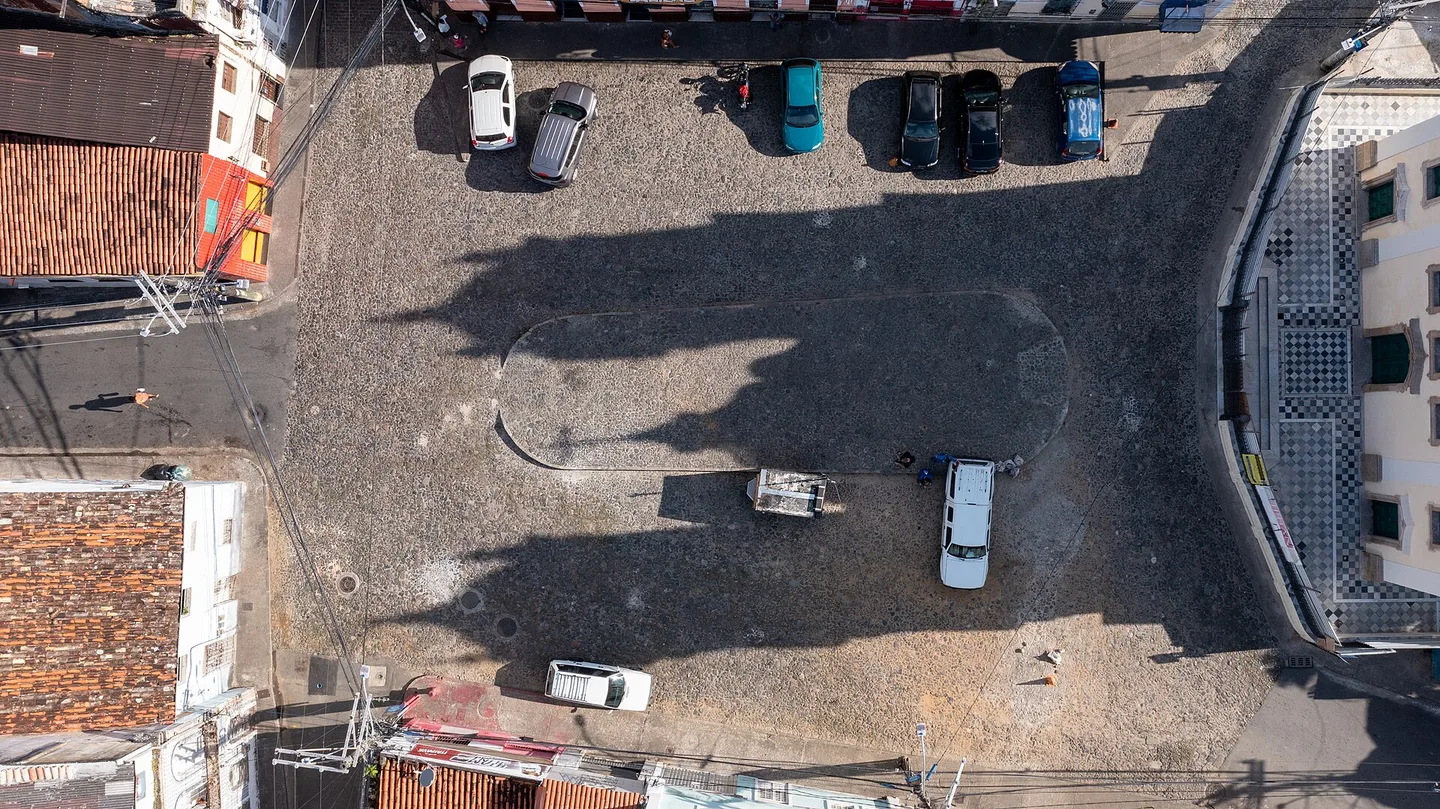
Public squares ringed by pastel-painted townhouses host regular cultural gatherings, spontaneous drum rehearsals, and informal dance sessions. These gatherings bring local residents together beneath streetlamps as sea breezes sweep through quiet alleys. Sampling regional cooking at neighbourhood stalls allows you to appreciate flavours crafted across multiple cultural traditions.
Navigating Coastal Ridges and Transit Links
Planning journeys between residential quarters and outer headlands requires understanding local topography. Steep escarpments separate inland residential valleys from coastal viewpoints, making efficient transport choices beneficial during humid tropical afternoons. Modern metro links connect northern transit hubs with central transfer terminals, allowing visitors to avoid lengthy road delays through hilly terrain. You can coordinate intercity connections through our guide on how to get to Salvador before organising daily outings.
Quiet residential neighbourhoods outside the main historical core feature leafy plazas, neighbourhood parishes, and shaded public benches. Visiting these quieter districts reveals how ordinary urban life unfolds away from the busy central sightseeing trails. Travellers who pause in these modest squares discover traditional bakeries, friendly newsstands, and relaxed local routines.
Evening brings cool ocean air toward the western headlands, where crowds gather along stone ramparts to watch the Atlantic sunset. The changing light illuminates the sweeping waters of the bay, marking a serene close to a full walking schedule across this historic city. Checking transport timetables and seasonal climate notes helps travellers arrange smooth travel across all districts.
Official prices and opening hours
- Elevador Lacerda (Upper & Lower City Lift)Official site ↗
- CCR Metrô Bahia (Airport Line 2 to Lapa / Campo da Pólvora)Official site ↗
Where it is
- 1Salvador
- Deputado Luiz Eduardo Magalhães International Airport (SSA) · about 21 km from Salvador in a straight line
- Directions in Google Maps
Stations and taxi ranks: OpenStreetMap. Airports: OurAirports. Distances are in a straight line.
Traveller tips
Real advice from people who have been to Salvador. Every tip is read by our team before it goes live.
No tips yet. Been here? Yours could be the first.
Thank you! Your tip will appear here after a quick review.
More in Salvador
Continue exploring Salvador with related neighbourhood, food, and planning guides
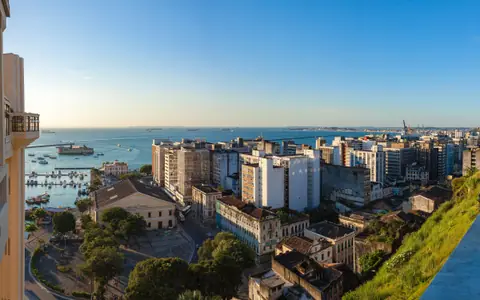
Elevador Lacerda, Mercado Modelo and Cidade Baixa Guide
Salvador, Brazil
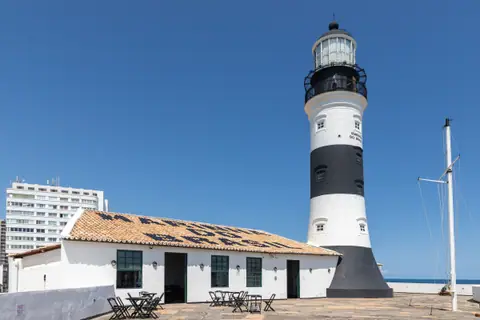
Barra, Farol da Barra Lighthouse and Porto da Barra Beach Guide
Salvador, Brazil
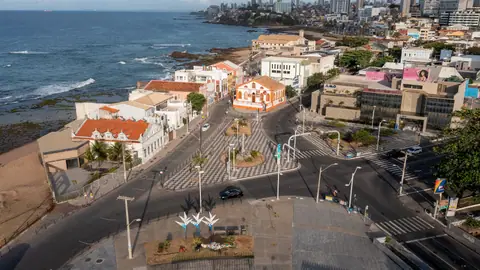
Rio Vermelho Guide: Casa de Jorge Amado, Iemanjá Shrine & Best Acarajé
Salvador, Brazil
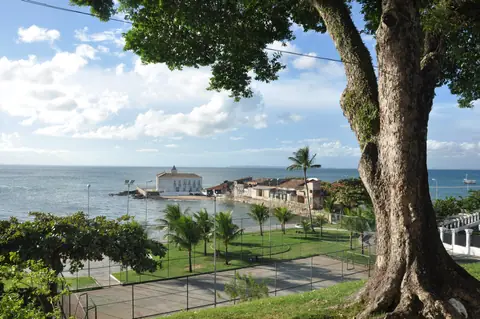
Bonfim Church, Monte Serrat and Itapagipe Peninsula: Coastal Salvador Field Guide
Salvador, Brazil
