Santo Antônio Além do Carmo & Solar do Unhão Guide
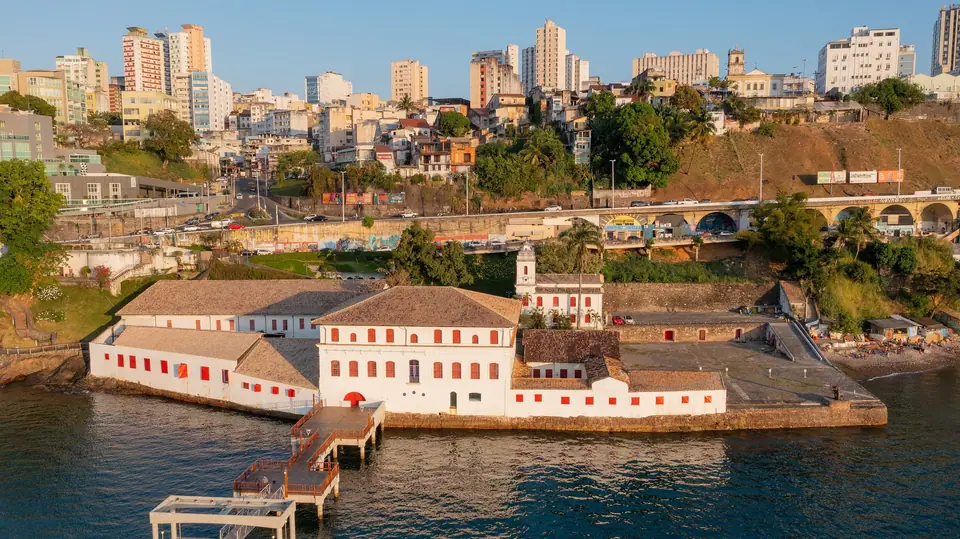
Colonial lanes in Santo Antônio Além do Carmo meet waterfront modern art across historic Solar do Unhão along All Saints' Bay.
Stepping north from the historic core brings us directly into Santo Antônio Além do Carmo, a residential ridge defined by quiet cobblestones and faded pastel façades. The neighbourhood preserves an unhurried domestic rhythm, offering shaded benches, independent studios, and panoramic lookouts over All Saints' Bay. Unlike the busier public squares uphill, this district rewards slow wandering past stucco doorways and intimate family-run taverns.
The central artery, Rua Direita de Santo Antônio, leads unhurried walkers toward colonial ramparts that once guarded the northern approach to the settlement. Small artist workshops sit inside tall nineteenth-century houses, where painters and ceramic workers open ground-floor doors directly onto stone pavements. We appreciate how the elevated ridge catches afternoon sea breezes, making morning and late-afternoon walks particularly comfortable on foot.
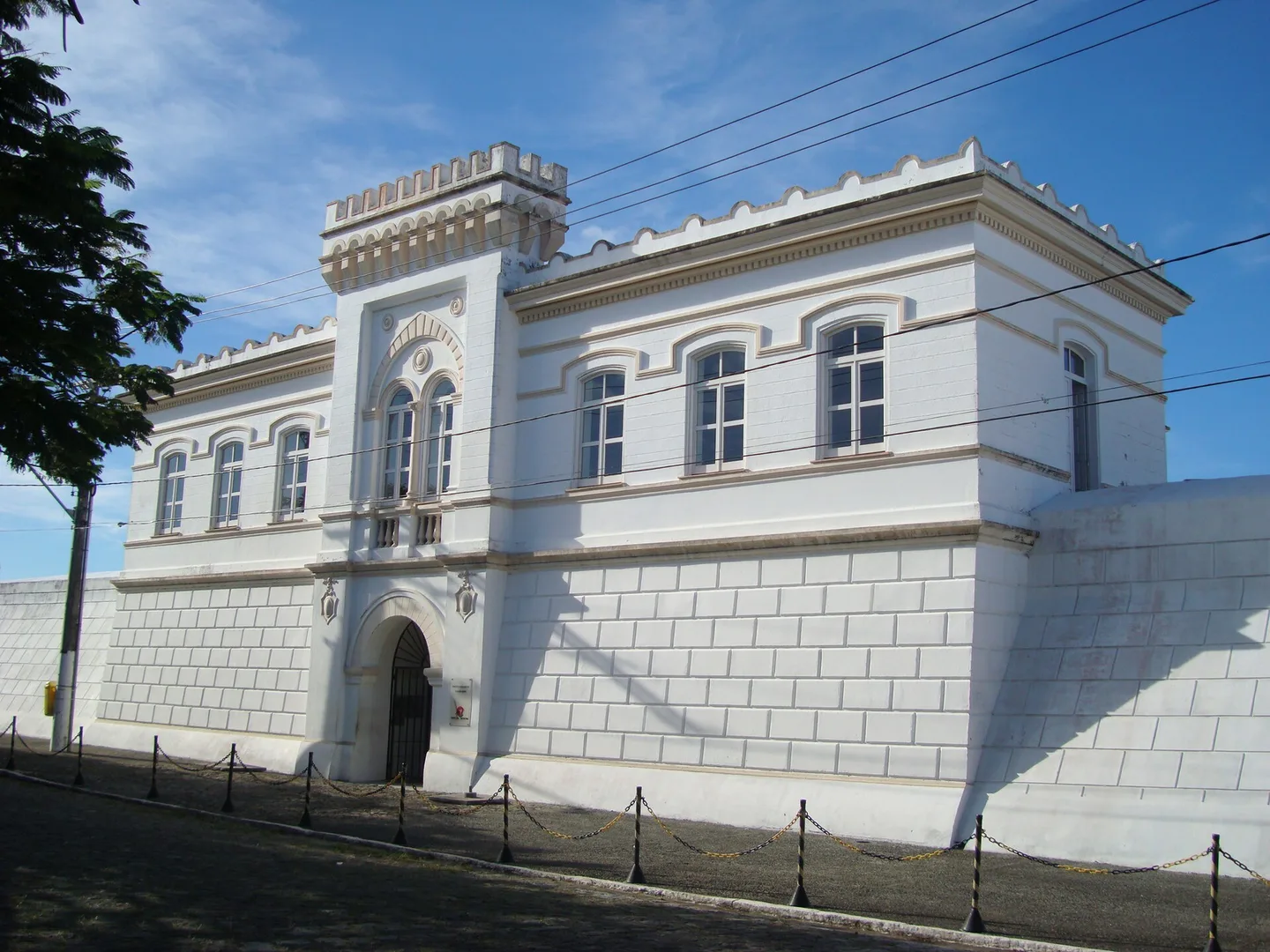
At the northern terminus of the ridge stands Forte de Santo Antônio além do Carmo, a historic military stronghold turned cultural venue. The stone battlements frame peaceful vistas across working harbour docks and distant islands. Early defensive ramparts shaped these hilltop quarters as essential lookout posts above the maritime approaches, which you can contextualize through our detailed Salvador city guide.
Colonial Ridge Walks Along Santo Antônio Além do Carmo
Walking through Santo Antônio reveals a softer side of Bahian urban heritage, free from heavy tour coaches and commercial retail corridors. The domestic architecture features hand-painted tiles, tall wrought-iron balconies, and deep internal courtyards typical of eighteenth-century merchant homes. We frequently pause outside historic convents and parish chapels where quiet afternoon light illuminates decorative whitewashed pediments.
As the afternoon wanes, visitors gather along the western ledge of the ridge to watch fishing boats drift across the expansive bay. Local cafés set modest wooden chairs along the narrow pavements, serving chilled fruit infusions and savory regional snacks. The atmosphere remains distinctly communal, sustained by neighbours chatting across open windows and children playing in front of neighbourhood churches.
Strolling further along the northern streets reveals secluded courtyards where flowering vines drape over weathered boundary walls. The gentle slope down toward neighboring districts offers glimpses of old tile roofs cascading toward the water. We enjoy visiting during quiet hours when church bells echo across the stone alleys and artisans restore hand-carved wooden doors.
Lina Bo Bardi and the Architecture of Solar do Unhão
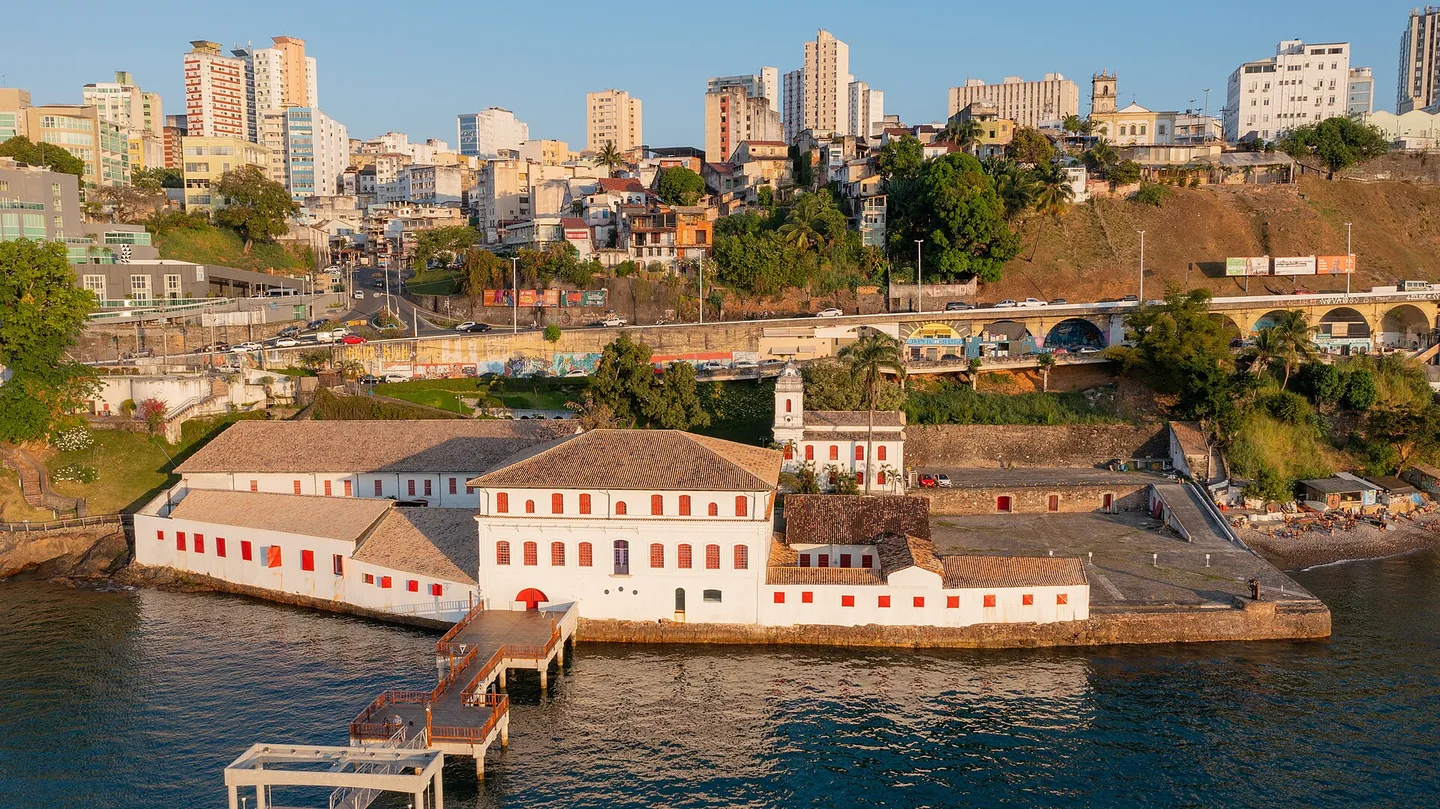
Down at the shoreline sits Solar do Unhão, home to the Museu de Arte Moderna da Bahia. Originally built as an extensive coastal sugar estate complete with a manor house, chapel, and storehouses, the complex was transformed by architect Lina Bo Bardi. Her sensitive intervention preserved the rough colonial stonework while introducing clean modernist elements.
The defining interior feature is Bo Bardi's monumental timber staircase, built using traditional Brazilian joinery techniques derived from oxcart construction without a single metal nail. Ascending these floating wooden treads leads through airy gallery spaces displaying provocative contemporary works by Brazilian and international artists. The dialogue between heavy maritime stone walls and light wooden structural forms creates a remarkable spatial clarity.
Outside, the open sculpture park extends straight to the water's edge, where stone and iron installations sit beside gentle coastal tides. We enjoy pausing by the water, where incoming waves lap against centuries-old masonry steps. You can encounter these coastal artistic collections alongside other historic attractions throughout Salvador during your daytime itinerary.
The waterside terrace catches the prevailing winds off All Saints' Bay, creating a cooling microclimate beside the historic warehouse walls. Art lovers often linger here to study maritime stone carvings set directly into the outdoor paving. Bo Bardi intended this shoreline museum to function as a living community space where traditional craftsmanship and modern artistic expression meet.
Navigating Between the Upper Ridge and Lower Bay
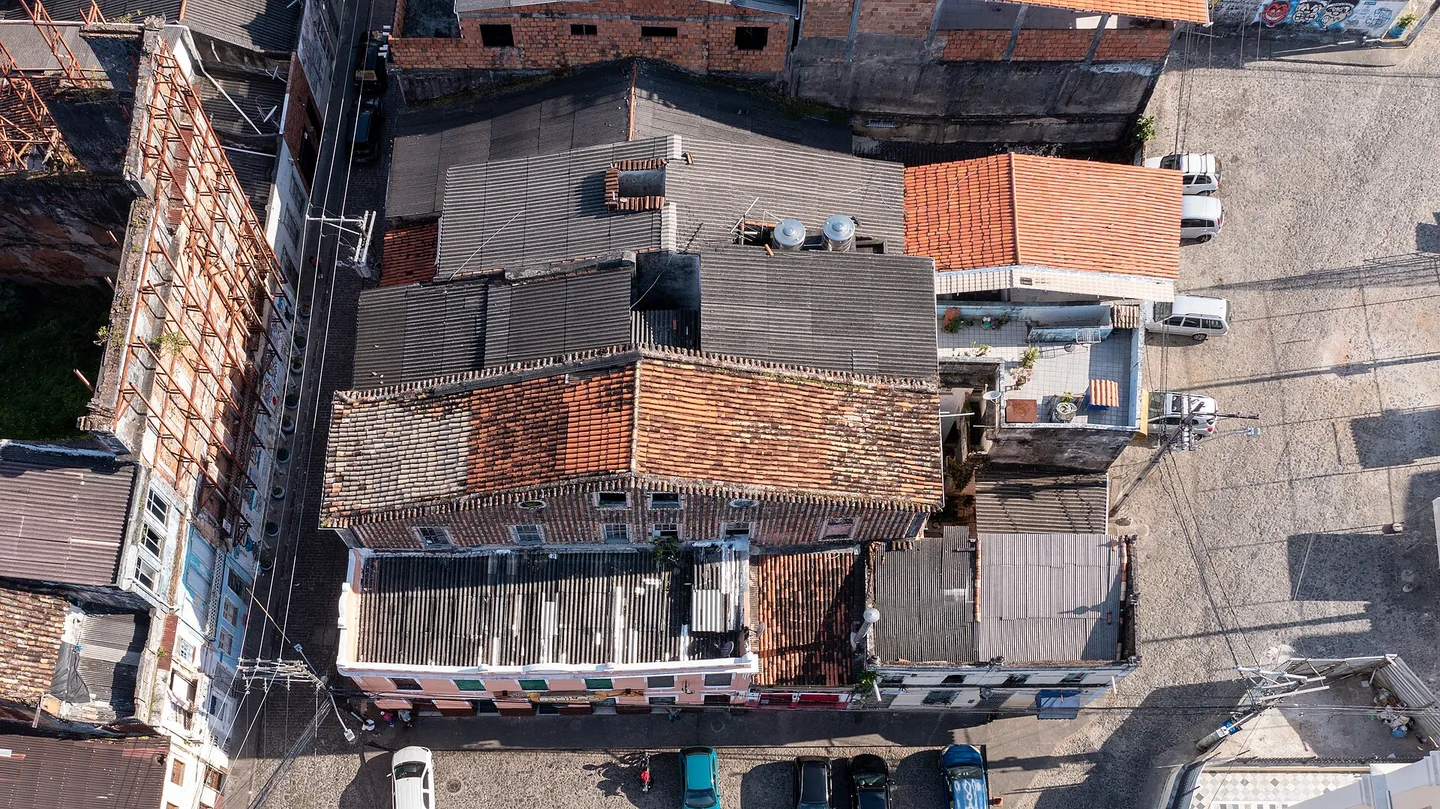
Connecting the elevated hilltop quarter with Solar do Unhão requires thoughtful navigation, as the sheer coastal escarpment separates the two environments physically. Walking downhill via steep secondary alleys can be confusing and isolated, so taking licensed taxis or rideshare vehicles along the lower coastal highway gives a direct connection. This transit approach allows visitors to move between highland heritage and waterside galleries with ease.
When planning your route along the lower avenue, consult our transport overview on navigating Salvador routes and terminals to ensure smooth connections. When descending to the coastline, keep personal belongings secure inside bags and avoid unpaved stairways after dark. The coastal boulevard grants swift vehicular access directly to the fortified gateway of the art museum.
- Plan upper ridge strolls along Rua Direita during midday when historic chapels open their nave gates.
- Arrive at Solar do Unhão in late afternoon to explore outdoor sculptures before bay sunset shades emerge.
- Use registered taxis when crossing between the high bluffs and waterfront avenue rather than descending isolated alleys.
- Carry light footwear suitable for uneven cobblestones in Santo Antônio and flat stone terraces at Solar do Unhão.
Comparing Salvador's Cultural Quarters
Understanding the balance between Santo Antônio além do Carmo and Solar do Unhão helps visitors design an engaging and well-paced cultural day. While Santo Antônio offers residential serenity and historic parish streets, Solar do Unhão presents radical modern architecture and waterside contemplation. The following comparison highlights key features to help you pace your journey across these distinctive environments.
| District or Site | Primary Architectural Character | Atmosphere and Pace | Key Experience |
|---|---|---|---|
| Santo Antônio além do Carmo | Colonial townhouses and military fort | Tranquil, residential, and bohemian | Quiet ridge walks and bay vistas |
| Solar do Unhão (MAM) | Colonial sugar estate and modernist timber | Artistic, open, and maritime | Lina Bo Bardi staircase and sculpture park |
| Pelourinho Core | Baroque churches and gilded public squares | Lively and monumental | Restored colonial palaces and street drumming |
Both destinations showcase how Salvador reimagines colonial fabric for contemporary public life. Whether admiring modernist joinery along the coastal surf or enjoying a quiet beverage along the northern bluffs, these neighboring districts offer an enriching counterpoint to the busy central plazas.
Official prices and opening hours
- Elevador Lacerda (Upper & Lower City Lift)Official site ↗
- CCR Metrô Bahia (Airport Line 2 to Lapa / Campo da Pólvora)Official site ↗
Where it is
- 1Santo Antônio Além do Carmo & Solar do Unhão
- Deputado Luiz Eduardo Magalhães International Airport (SSA) · about 21 km from here in a straight line
- Directions in Google Maps
Stations and taxi ranks: OpenStreetMap. Airports: OurAirports. Distances are in a straight line.
Traveller tips
Real advice from people who have been to Salvador. Every tip is read by our team before it goes live.
No tips yet. Been here? Yours could be the first.
Thank you! Your tip will appear here after a quick review.
More in Salvador
Continue exploring Salvador with related neighbourhood, food, and planning guides
Day Trips from Salvador: Morro de São Paulo, Ilha dos Frades and Praia do Forte
Salvador, Brazil
Salvador: Essential Planning for Bahia's Historic Capital
Salvador, Brazil
12 Best Things to Do in Salvador: Golden Churches, Bay Sunsets and Acarajé
Salvador, Brazil
Getting to Salvador: Flight Arrivals, Metro Lines, and Port Transfers
Salvador, Brazil
