What to Eat in Salvador: Moqueca Baiana, Acarajé, Vatapá and Local Specialities
Salvador serves Brazil's most distinctive Afro-Atlantic culinary heritage, defined by fiery chillies, creamy coconut milk, and fragrant golden dendê palm oil.
Acarajé and Abará: Street Food Traditions of the Baianas
The culinary landscape of Salvador begins on the public pavement, where Baianas de Acarajé prepare crisp street-food fritters in flowing white cotton dresses. These vendors represent centuries of Afro-Brazilian spiritual and domestic culture, frying seasoned patties of peeled black-eyed peas directly in bubbling pots of deep orange dendê palm oil.
When you step up to an open stall, the cook slices the hot fritter open and packs it with savoury accompaniments. The traditional filling combines thick vatapá paste, caruru okra stew, sun-dried prawns, and a tangy green tomato vinaigrette.
Vendors will always ask if you prefer your fritter warm or hot, which actually refers to the amount of fiery malagueta chilli sauce added. If you want milder spicing, request little heat, as the concentrated pepper paste packs formidable pungency.
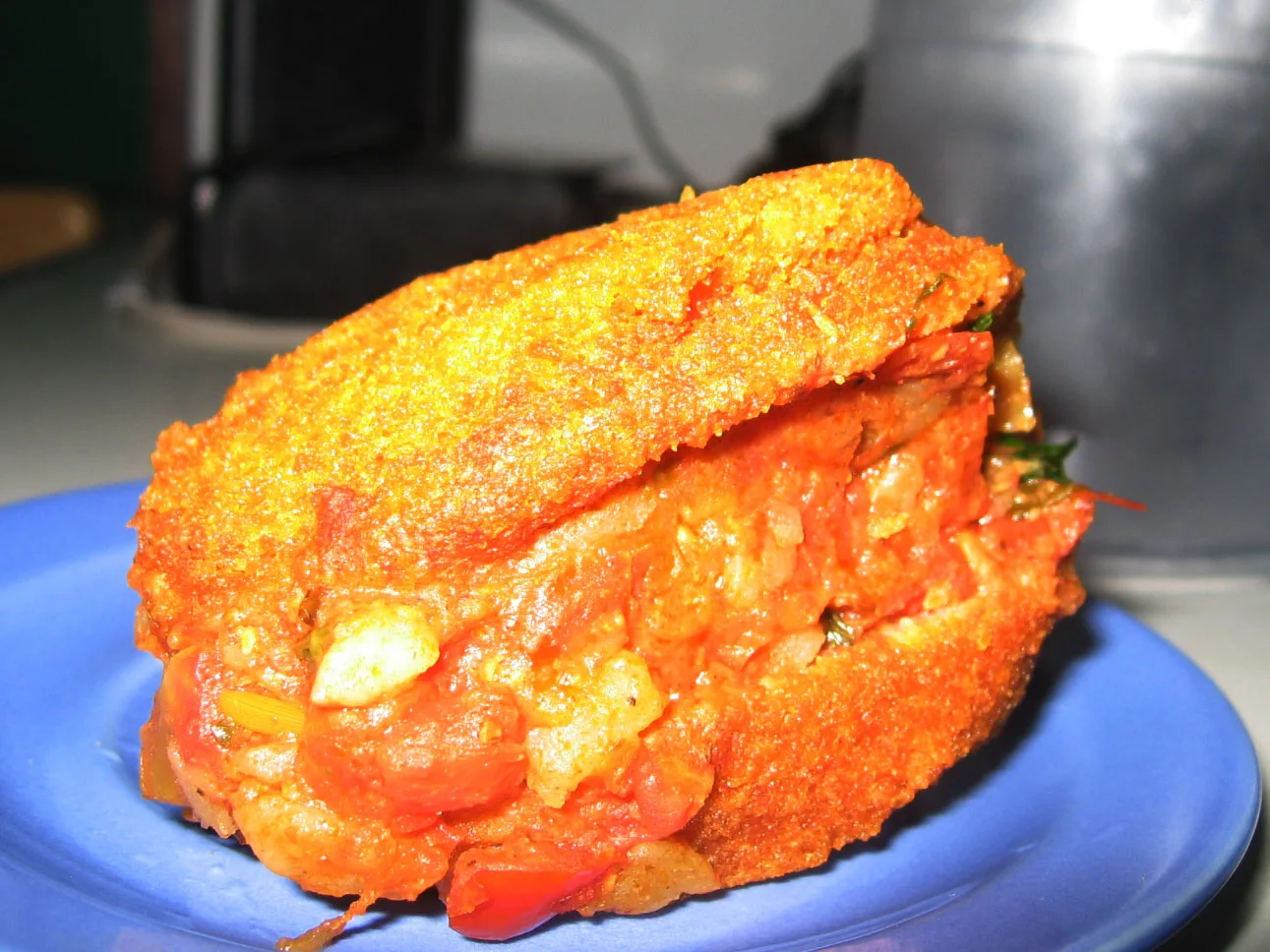
Abará offers an essential sister dish using identical spiced bean dough. Instead of deep-frying the mixture, the vendor wraps the bean parcel inside banana leaves and steams it thoroughly, creating a delicate, creamy texture.
Moqueca Baiana: The Signature Clay-Pot Fish Stew
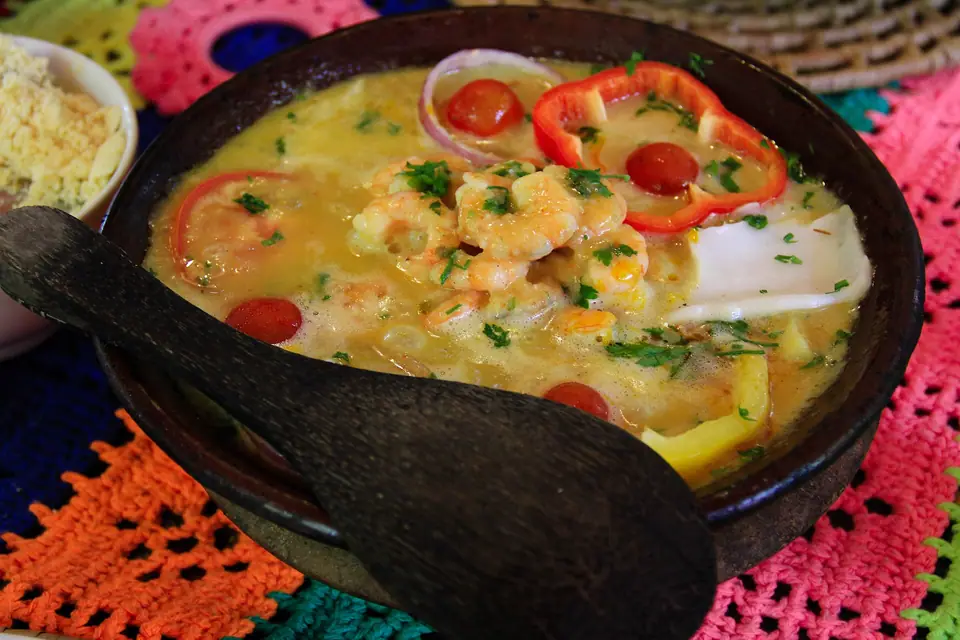
Moqueca Baiana stands as the crowning centerpiece of coastal Bahian cooking. Local kitchens prepare this aromatic stew inside heavy black clay pots, layering thick slices of firm white sea fish with sweet bell peppers, ripe tomatoes, fresh coriander, and chopped onions.
The defining character comes from raw dendê palm oil combined with fresh coconut milk. As the broth simmers gently over open heat, the sauce thickens into a rich, fragrant emulsion that coats every piece of seafood.
Chefs frequently prepare variations featuring ocean prawns, tender squid, or soft mangrove crabs alongside the standard fish fillets. Diners exploring historic quarters can read the Salvador travel guide to map out waterfront dining clusters between neighbourhood walks.
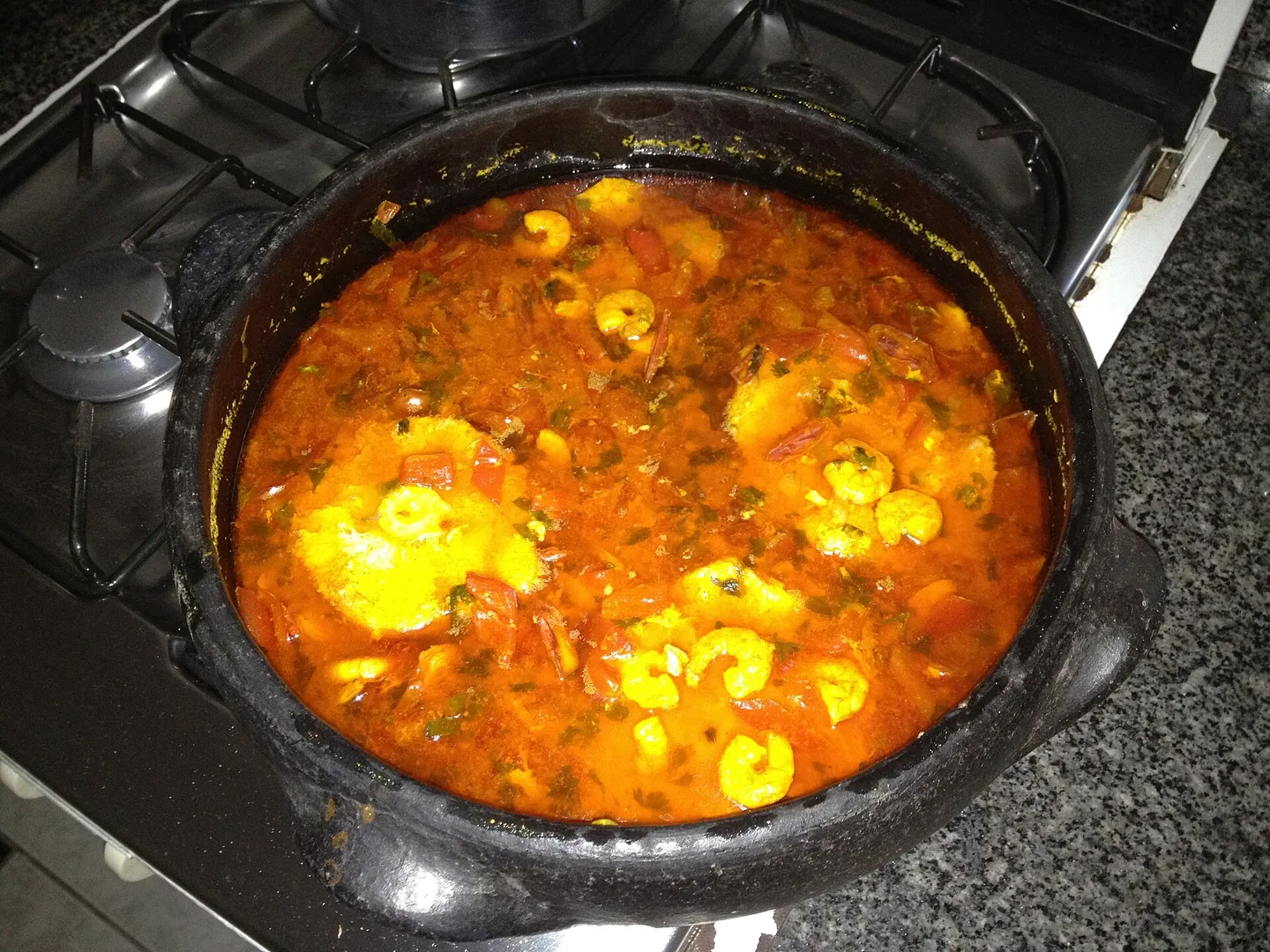
A classic moqueca table arrives with generous traditional side dishes that balance the rich coconut stew perfectly:
- Pirão: A thick, silky porridge prepared by stirring toasted manioc flour directly into seasoned seafood broth until smooth.
- Farofa de Dendê: Coarse cassava meal toasted slowly in golden palm oil until crunchy and intensely savoury.
- White Rice: Fluffy steamed grain served separately to absorb the aromatic broth from the simmering clay dish.
- Molho Lambão: A sharp salsa of diced tomatoes, white onions, coriander, lime juice, and chopped chillies that cuts through richness.
Vatapá, Caruru, and Bobó de Camarão: Rich Sauces and Seafood
Beyond moqueca, Salvador cooks excel at slow-simmered seafood purées with deep Afro-Atlantic lineage. Vatapá ranks among the most versatile recipes, appearing both as an acarajé condiment and as a substantial main course alongside steamed fish.
Cooks create vatapá by blending soaked stale bread or manioc meal with creamy coconut milk, ground peanuts, toasted cashews, dried prawns, and fresh ginger. The mixture simmers slowly with palm oil until it reaches a velvety, spoonable consistency.
Caruru introduces another distinctive texture, featuring finely chopped okra braised with ground dried shrimp, toasted nuts, onions, and dendê oil. The natural silkiness of the okra enriches the sauce, producing a glossy accompaniment.
Bobó de camarão highlights fresh prawns folded into an exceptionally smooth purée of boiled cassava root. Enriched with coconut milk and mild spices, bobó offers a lighter, subtly sweeter profile than palm-heavy dishes, making it approachable for newcomers.
Dining Enclaves and Navigating Bahian Flavours Across the City
Finding exceptional cooking in Salvador means moving between historic squares, coastal promenades, and traditional waterfront markets. Pelourinho contains historic restaurants where long-established dining rooms serve complete regional tasting menus.
In the seaside neighbourhood of Rio Vermelho, evening crowds gather around celebrated acarajé stands set up near public plazas. Diners sit on low plastic stools with cold drinks while cooks fry fresh bean fritters late into the tropical night.
For maritime views, head toward the Lower City or along the bay shore, where seaside botecos serve freshly caught fish alongside cold drinks. Selecting highlights from the Salvador things to do guide makes it easy to schedule midday feasts between colonial church tours.
Before you dive into multiple palm-oil dishes each day, allow your digestion time to adjust. Dendê oil contains concentrated fats and distinctive compounds, so balancing rich stews with tropical fruits and fresh coconut water keeps your appetite healthy throughout your stay.
Official prices and opening hours
- Elevador Lacerda (Upper & Lower City Lift)Official site ↗
- CCR Metrô Bahia (Airport Line 2 to Lapa / Campo da Pólvora)Official site ↗
Where it is
- 1Salvador
- Deputado Luiz Eduardo Magalhães International Airport (SSA) · about 21 km from Salvador in a straight line
- Directions in Google Maps
Stations and taxi ranks: OpenStreetMap. Airports: OurAirports. Distances are in a straight line.
Traveller tips
Real advice from people who have been to Salvador. Every tip is read by our team before it goes live.
No tips yet. Been here? Yours could be the first.
Thank you! Your tip will appear here after a quick review.
More in Salvador
Continue exploring Salvador with related neighbourhood, food, and planning guides
What to Wear in Salvador: Packing for Heat, Cobblestones, and Culture
Salvador, Brazil
3 Days in Salvador Itinerary: Pelourinho, Barra Sunset, Bonfim and Bay Islands
Salvador, Brazil
Pelourinho: Discovering Salvador's Historic Colonial Quarter
Salvador, Brazil
Bahian Cuisine Guide: What to Eat in Salvador
Salvador, Brazil
