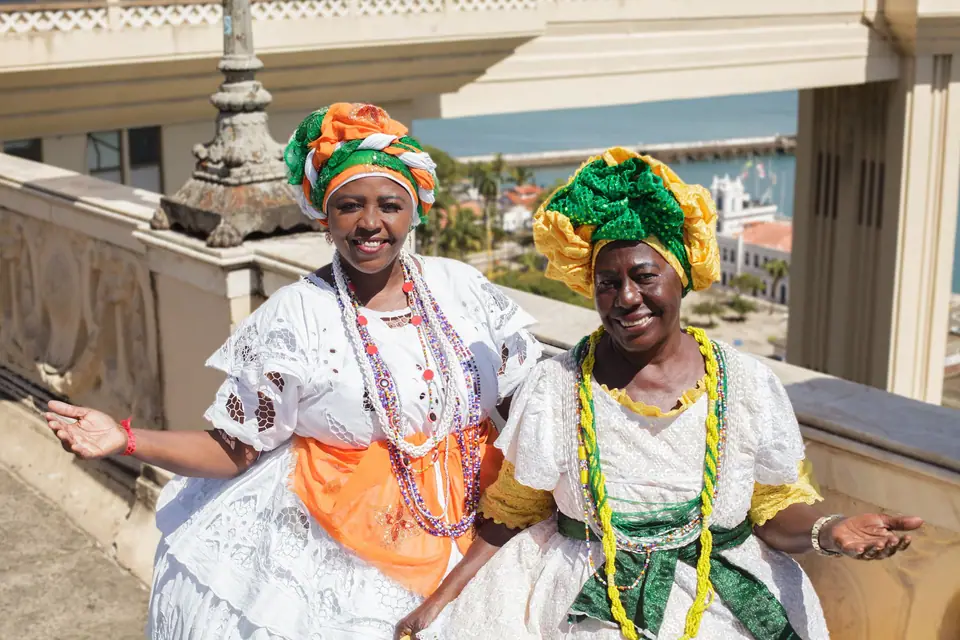
What to Wear in Salvador: Packing for Heat, Cobblestones, and Culture
Packing for Salvador requires breathable cotton garments, supportive walking shoes for steep colonial slopes, and modest layers for sacred baroque churches.
Salvador stays warm throughout the year, combining maritime sunshine with intense tropical humidity that dictates your daily clothing choices. Breathable, loose garments made of lightweight linen or organic cotton let cooling ocean breezes reach your skin as you move. Travellers who choose heavy synthetic fabrics often regret their choice quickly when climbing between coastal squares. Thick textiles trap moisture and cling uncomfortably against the body. Light colours deflect the midday sun, while relaxed silhouettes protect your shoulders from strong rays along the bay. Carrying a compact cotton handkerchief or small hand towel in your daypack proves invaluable when navigating open pedestrian terraces.
Sun protection is essential across outdoor miradouros and open harbour fronts. A wide-brimmed straw hat keeps your face shielded, while polarised sunglasses reduce glare reflecting off whitewashed baroque walls and bright pavement stones. Many visitors discover that loose, long-sleeved linen shirts offer superior comfort compared to bare singlets. These garments prevent sunburn without causing you to overheat. Sudden coastal showers can sweep across All Saints Bay. Keeping a lightweight, water-resistant shell jacket folded inside your shoulder bag saves your clothes from sudden downpours.
Handling Coastal Humidity with Natural Fabrics
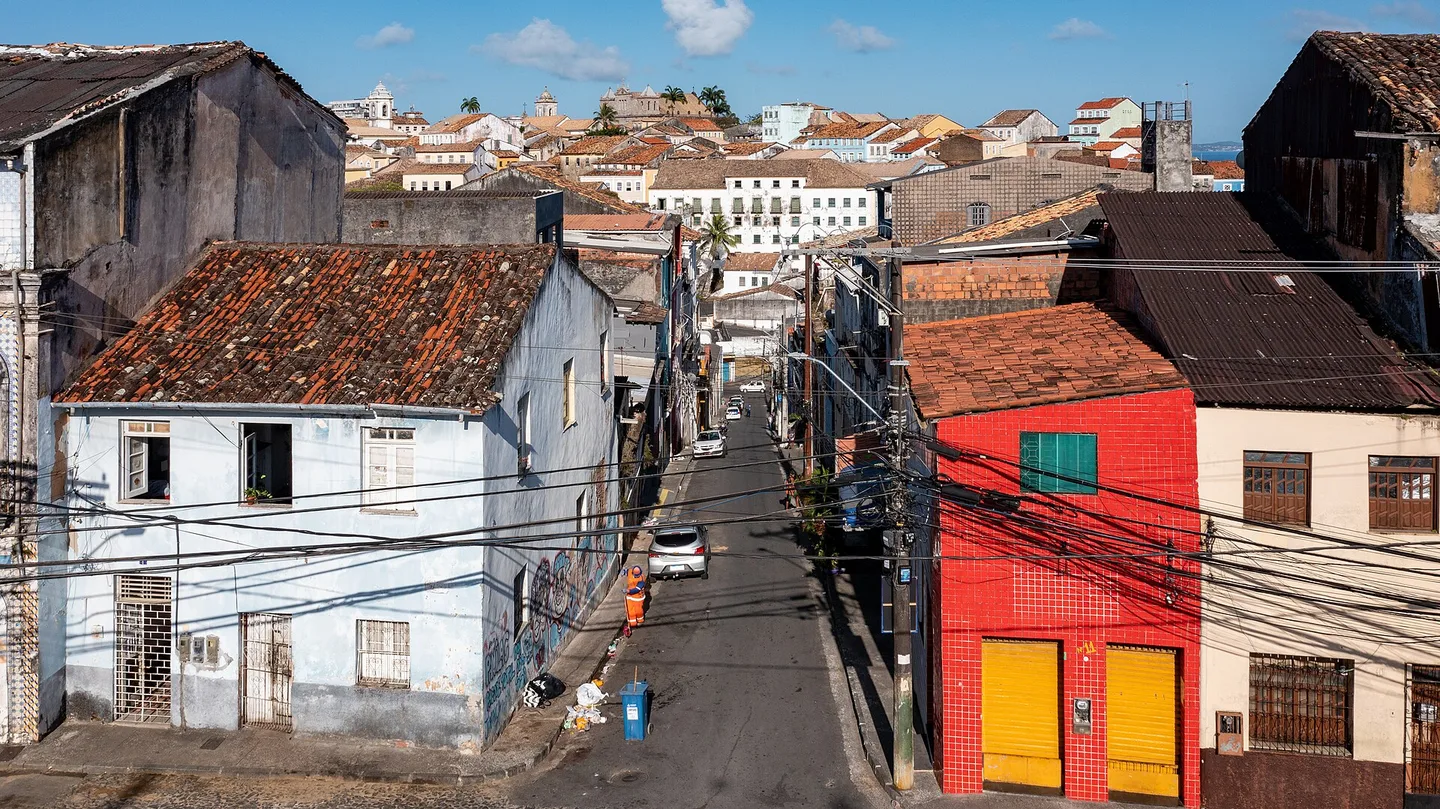
Planning your daily wardrobe around natural textiles simplifies moving between shaded alleys and sunlit coastal esplanades. Linen trousers, airy midi skirts, and relaxed cotton shorts allow effortless movement during long daytime explorations. When planning outdoor routes around key city landmarks across Bahia, packing three or four interchangeable tops helps you stay comfortable despite mid-afternoon perspiration. Choosing fabrics that wash easily in a hotel sink and dry quickly in warm breezes keeps your luggage light and manageable.
Undergarments also deserve careful thought in this humid climate. Moisture-wicking cotton underwear prevents painful chafing during extensive walking circuits across urban hills. Breathable athletic socks cushioned with terry loops protect your feet from rubbing inside sturdy trainers on humid afternoons. We recommend packing a discreet cloth tote bag for carrying wet layers or fresh changes of clothing back to your accommodation after daytime excursions.
Navigating Historic Slopes and Polished Stone Streets
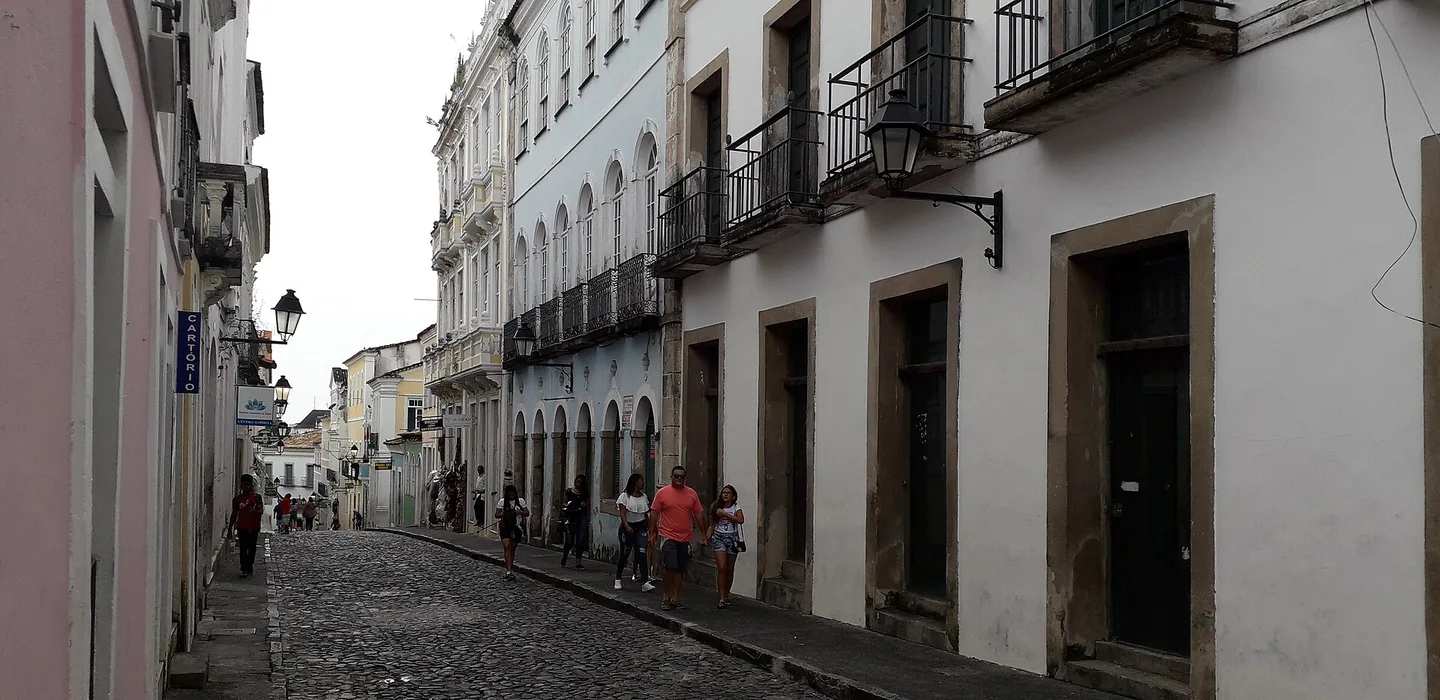
Footwear represents the single most critical element of your Salvador packing list. The historic core features irregular granite cobbles, known locally as pé de moleque. These stones become remarkably slick from foot traffic, sea mist, and rainfall. Thin flip-flops or smooth leather-soled shoes offer virtually no traction on steep colonial hillsides and frequently lead to twisted ankles. Instead, pack sturdy walking trainers with deep rubber treads or supportive trekking sandals fitted with adjustable ankle straps.
| Setting | Recommended Attire | Essential Footwear |
|---|---|---|
| Colonial Alleys | Loose cotton shirts, linen shorts or trousers | Grippy walking trainers with rubber outsoles |
| Historic Churches | Covered shoulders, knee-length skirts or trousers | Enclosed flat walking shoes |
| Atlantic Beaches | Swimwear with quick-drying linen overshirts | Waterproof sandals or rubber slides |
| Evening Squares | Smart casual shirts, midi dresses, light trousers | Clean trainers or cushioned sandals |
Walking between the upper and lower sectors requires reliable footwear that absorbs shock on uneven pavements. Anyone structuring city walks via our district transit and geography notes will appreciate how much ground they cover on foot across historic quarters. Rubber outsoles grip damp stones far better than rigid polyurethane soles, giving you confidence on polished inclines.
- Choose shoes with structured arch support to prevent foot fatigue on steep stone inclines.
- Break in any new walking shoes thoroughly before departure to avoid painful friction blisters.
- Carry a pack of adhesive blister bandages inside your daily pouch for quick walking repairs.
- Avoid open-toed footwear in crowded markets where damp stones and heavy carts present hazards.
Respectful Attire for Historic Sanctuaries and Cultural Spaces
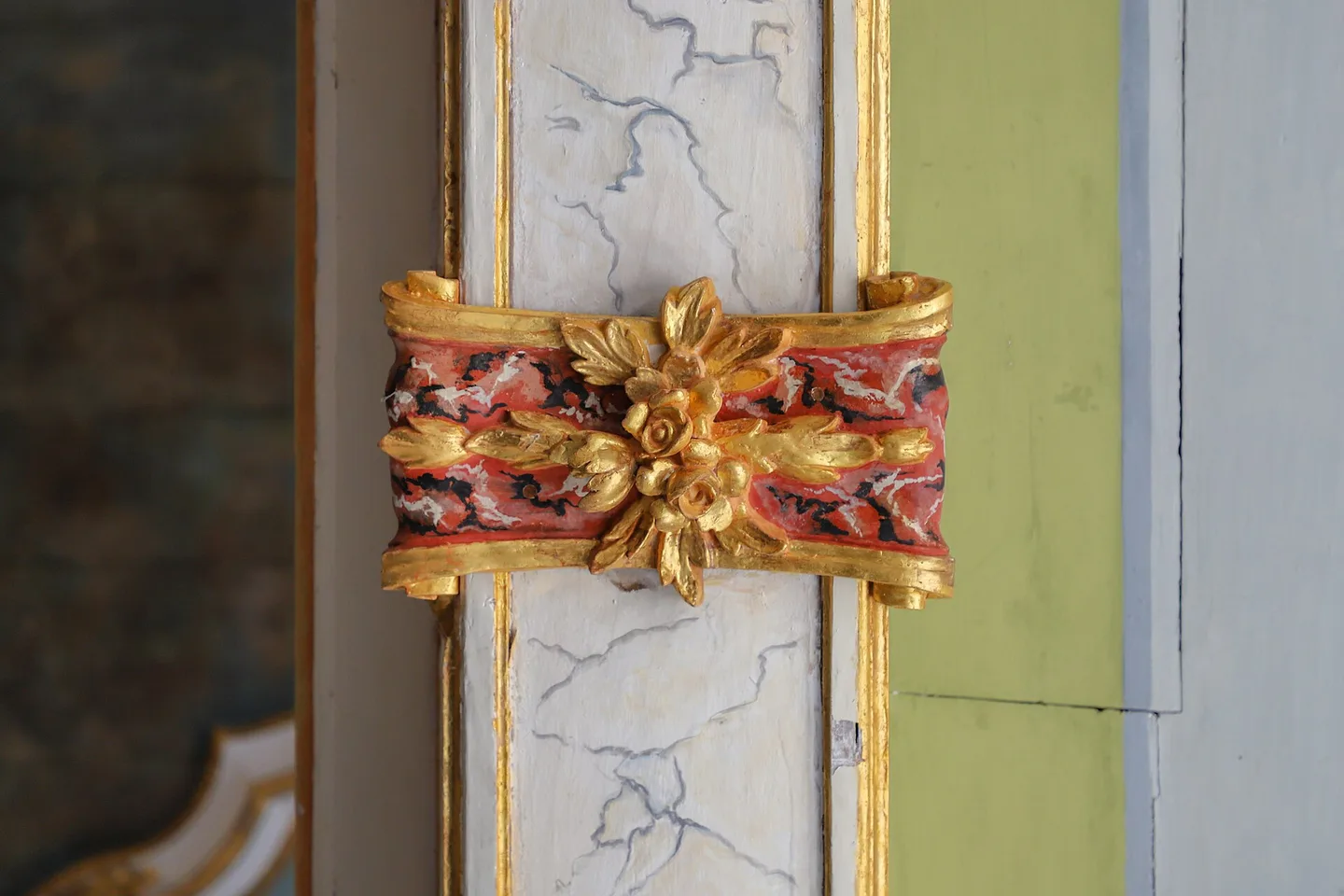
Salvador is home to dozens of historic Catholic sanctuaries decorated with intricate gilded carvings, where modest presentation remains customary. While neighbourhood heat invites casual attire, entering consecrated spaces in skimpy beach clothes causes offence to local worshippers and custodians. Both men and women should cover their shoulders and wear shorts, dresses, or trousers that reach close to the knee when entering gold-leaf churches.
A lightweight cotton scarf or thin shawl folded into your bag makes an effortless modesty cover whenever stepping inside historic nave interiors. You can drape the fabric over bare shoulders or wrap it around your waist without needing a complete wardrobe change during warm afternoons. Similar standards apply inside historic convent museums, library archives, and solemn cultural foundations across the Upper City.
Beachwear Etiquette and Evening Urban Transitions
Coastal life forms the backbone of Salvador, yet beachwear belongs strictly along the sand and seafront boardwalks. Walking through city streets, entering supermarkets, or boarding public buses in wet bikinis or bare swimming trunks breaches local social norms. Local beachgoers always slip into breathable cotton overshirts, light sundresses, or relaxed board shorts when stepping off the sand into adjacent avenues. Pair your swimwear with quick-drying cotton sarongs that double as picnic mats or casual wraps.
As dusk settles across neighbourhood squares, the city transitions into an energetic evening rhythm. Sit-down restaurant dinners and outdoor live music gatherings do not demand formal tailoring, though residents appreciate neat, smart-casual presentation. Crisp linen shirts, lightweight chinos, and casual cotton dresses work well for open-air patios and music clubs. Leave flashy jewellery and expensive watches in your hotel safe, relying instead on simple woven accessories that blend naturally into coastal nightlife.
Weather by month
Salvador is warmest in February, with average highs around 29°C, and coldest in August, when nights drop to about 22°C. May is the wettest month by rainfall (200 mm), with rain on about 24 days. For mild weather with fewer rainy days, aim for September.
| Month | Low | Range | High | Rain | Rainy days |
|---|---|---|---|---|---|
| Jan | 25°C | 29°C | 74 mm | 18 d | |
| Feb | 25°C | 29°C | 58 mm | 16 d | |
| Mar | 25°C | 29°C | 107 mm | 19 d | |
| Apr | 24°C | 28°C | 174 mm | 23 d | |
| May | 24°C | 27°C | 200 mm | 24 d | |
| Jun | 23°C | 26°C | 139 mm | 24 d | |
| Jul | 22°C | 25°C | 101 mm | 24 d | |
| Aug | 22°C | 25°C | 87 mm | 22 d | |
| Sep | 22°C | 26°C | 58 mm | 19 d | |
| Oct | 24°C | 28°C | 48 mm | 15 d | |
| Nov | 24°C | 28°C | 111 mm | 17 d | |
| Dec | 24°C | 29°C | 66 mm | 15 d |
Averages of daily values from 2015 to 2024. Rainy days are days with at least 1 mm of rain. Source: Open-Meteo · Compare destinations by month.
Official prices and opening hours
- Elevador Lacerda (Upper & Lower City Lift)Official site ↗
- CCR Metrô Bahia (Airport Line 2 to Lapa / Campo da Pólvora)Official site ↗
Where it is
- 1Salvador
- Deputado Luiz Eduardo Magalhães International Airport (SSA) · about 21 km from Salvador in a straight line
- Directions in Google Maps
Stations and taxi ranks: OpenStreetMap. Airports: OurAirports. Distances are in a straight line.
Traveller tips
Real advice from people who have been to Salvador. Every tip is read by our team before it goes live.
No tips yet. Been here? Yours could be the first.
Thank you! Your tip will appear here after a quick review.
More in Salvador
Continue exploring Salvador with related neighbourhood, food, and planning guides
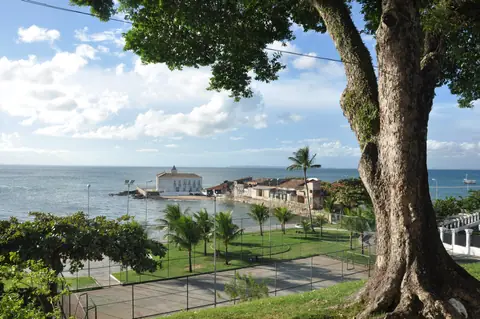
Bonfim Church, Monte Serrat and Itapagipe Peninsula: Coastal Salvador Field Guide
Salvador, Brazil
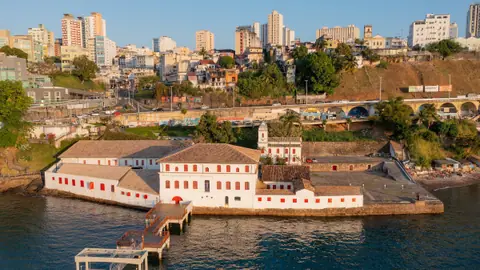
Santo Antônio Além do Carmo & Solar do Unhão Guide
Salvador, Brazil
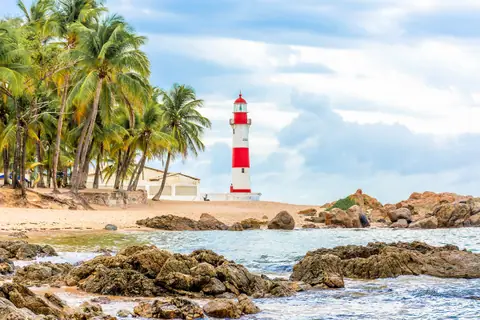
Itapuã, Stella Maris and Praia do Flamengo: Salvador's North Coast
Salvador, Brazil
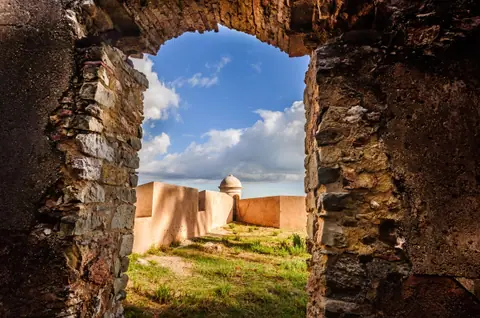
Day Trips from Salvador: Morro de São Paulo, Ilha dos Frades and Praia do Forte
Salvador, Brazil
