Rio Vermelho Guide: Casa de Jorge Amado, Iemanjá Shrine & Best Acarajé
Rio Vermelho brings together literary heritage, Afro-Brazilian coastal rituals, and celebrated street food across breezy Atlantic ocean squares in Salvador.
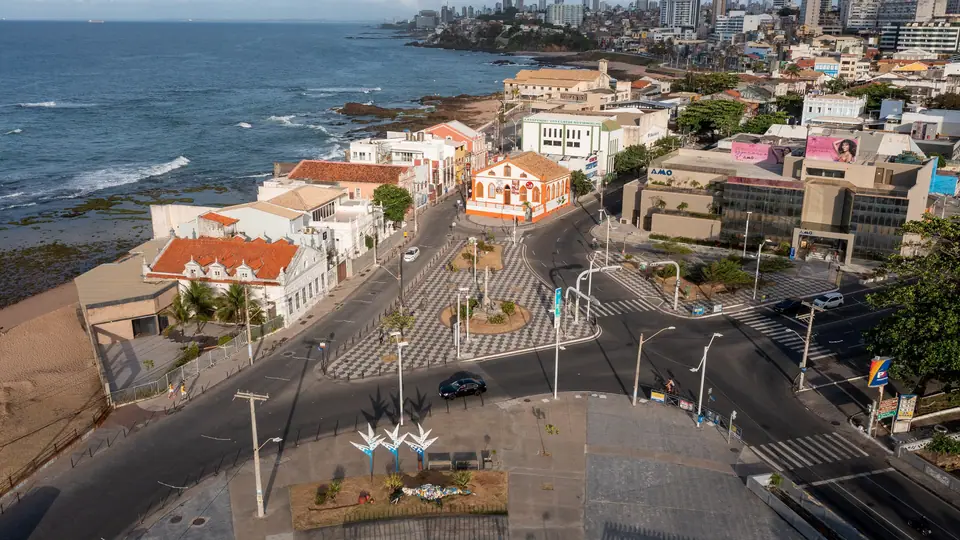
Rio Vermelho occupies a distinct stretch of oceanfront south of the historic district, where wooden fishing skiffs rest beside wave-washed rocks. The district balances community traditions with cultural nightlife, drawing visitors away from the upper colonial ridges down to maritime plazas. At its heart stands the modest blue-and-white shrine dedicated to Iemanjá, the Afro-Brazilian queen of the sea revered within Candomblé practice. Local fishermen maintain this small sanctuary right on the sand, filling it with flowers, perfumes, and handwritten petitions that reflect everyday coastal faith.
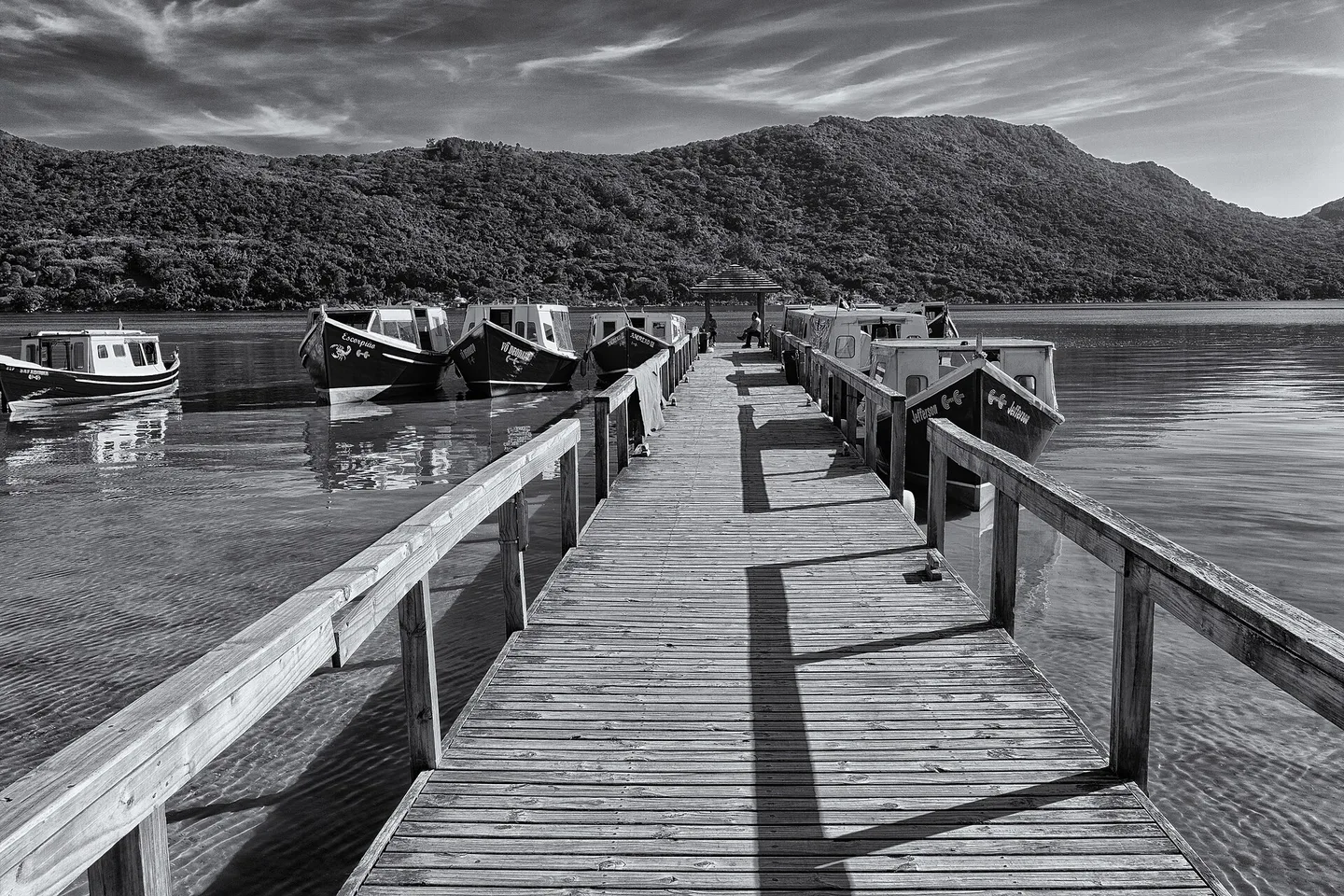
Walking along the seaside promenade reveals the working character of the cove, where wooden dories rock gently against the Atlantic swell. The shoreline connects easily to broader itineraries across the city, complementing the architectural sights featured across our wider Salvador things to do. Morning visits allow travellers to observe neighbourhood life before the midday heat builds, watching traders mend nets beside the chapel wall. Ocean breezes keep the coastal walkways relatively cool, creating an inviting space for self-guided exploration on foot.
Literary Memories at Casa de Jorge Amado
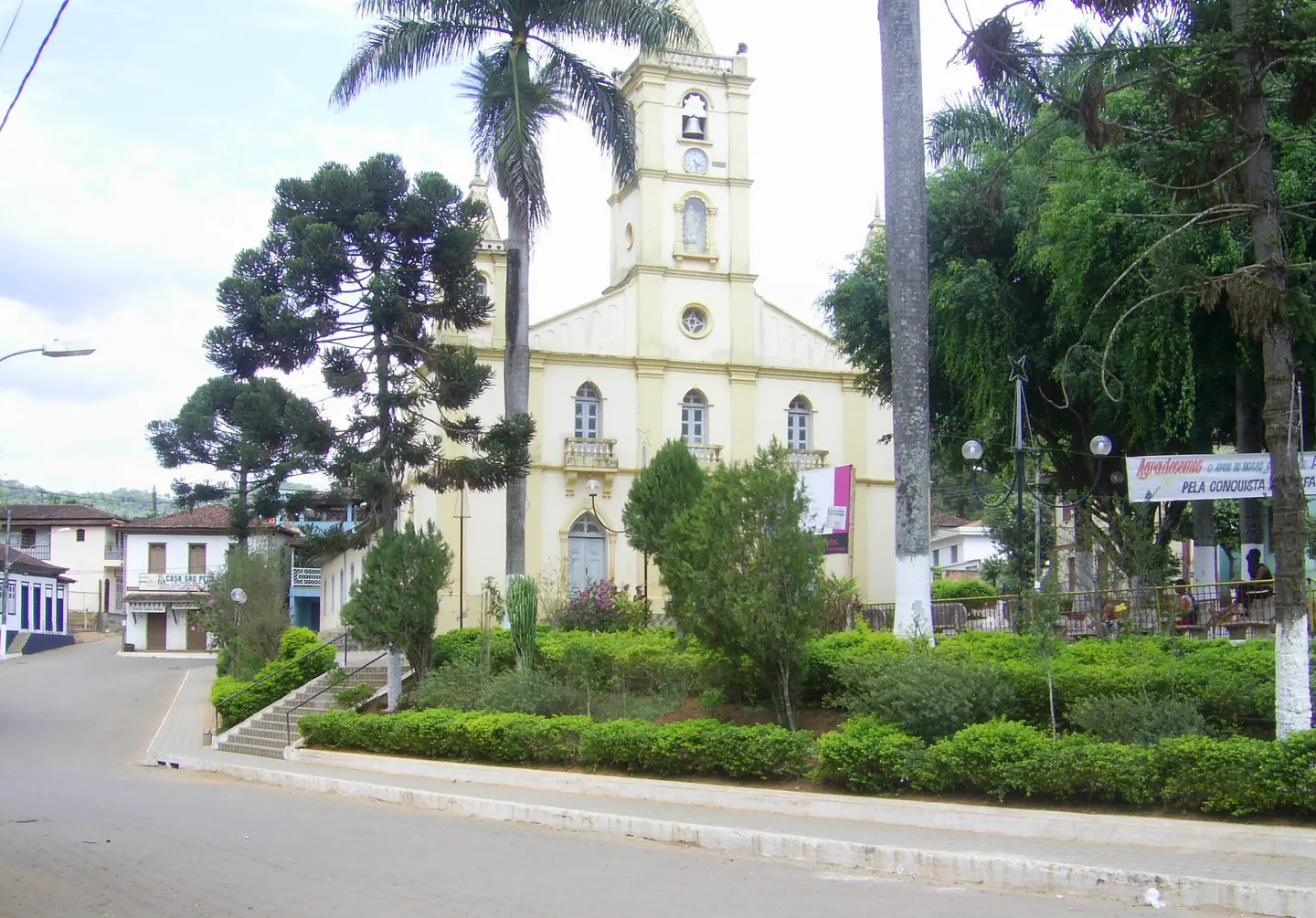
Set slightly inland along a sloping residential street, Casa de Jorge Amado preserves the private world of Brazil's beloved twentieth-century novelist and his wife Zélia Gattai. The residence, known locally as A Casa do Rio Vermelho, served as an intellectual meeting point for international artists, writers, and political thinkers throughout their lives. Today, the property functions as an evocative memorial museum, where original furnishings, personal letters, folk sculptures, and family photographs remain arranged across sunlit domestic rooms.
The surrounding walled garden offers a tranquil haven planted with tropical fruit trees, flowering palms, and quiet reading benches. Beneath a spreading mango tree, a simple stone marks where the ashes of Amado and Gattai rest peacefully together. The displays explain his literary portrayals of Bahian street life, Afro-descendant resilience, and coastal folk customs with remarkable clarity.
The rooms present an intimate perspective on Bahian domestic architecture and international cultural exchanges during the mid-twentieth century. Shelves of ceramic folk figures, hand-painted tiles, and library volumes illustrate the couple's deep engagement with Bahian craft traditions. Taking time to wander between the veranda and shaded courtyard reveals how literature and daily life intertwined in this corner of Salvador.

Acarajé Squares and Evening Dining Culture
As dusk settles over Rio Vermelho, neighbourhood life shifts toward open-air public squares dominated by traditional baianas wearing layered white dresses. These skilled cooks fry fresh acarajé, deep-fried fritters prepared from peeled black-eyed peas mashed with onions and cooked in fragrant dendê palm oil. Split open with brass spoons, the steaming golden cakes receive generous fillings of spicy vatapá, dried shrimp, fresh salad, and fiery chili sauce.
| Square or Street Node | Primary Focus | Evening Atmosphere |
|---|---|---|
| Largo de Santana | Traditional street stalls | Informal tables, cold drinks, and acoustic music |
| Largo da Mariquita | Covered market and snacks | Late-night food counters and local neighbourhood gatherings |
| Rua da Paciência | Seafood taverns and bars | Coastal dining overlooking rocky Atlantic coves |
Sampling street food here offers a direct introduction to Bahia's culinary roots, where ancestral African preparation techniques remain central to community identity. Alongside acarajé, stalls serve abará, a tender steamed variation wrapped in banana leaves that yields a milder texture. Plastic tables spill across the flagstones, creating casual dining clear of heavy vehicle traffic. Visitors often pair their food crawl with evening walks detailed in our Salvador travel guide.
The culinary traditions of the baianas de acarajé enjoy formal status as Brazilian cultural heritage, reflecting centuries of communal resilience and spiritual devotion. Each stall maintains distinct recipes for vatapá and pepper relish, encouraging hungry diners to sample variations across neighboring plazas. Conversations linger late into the evening as families, students, and musicians gather around shared plates under the warm coastal sky.
Navigating the Neighbourhood and Coastal Connections
Reaching Rio Vermelho from central districts requires straightforward road transport, as city buses and registered taxis run frequently along the coastal avenues. Those coming from the airport can connect via transit hubs, making it helpful to review route tips in how to get to Salvador. Once in the district, key sights sit within comfortable walking distance along broad pavements and gentle residential hills.
- Praia da Paciência offers quiet daytime sea views and access to rocky tidal pools.
- Largo de Santana serves as an ideal orientation point for evening social gatherings and food stalls.
- The coastal road continues smoothly toward Barra lighthouse and western city beaches.
Planning outdoor walks around cooler morning or sunset hours helps avoid the strongest tropical sun along unshaded seawalls. Keeping belongings secure in bags worn close to the body is prudent, especially when moving between crowded squares late at night. Combining literary stops, sea shrines, and warm bean fritters reveals the distinct rhythm of Bahian coastal culture.
Official prices and opening hours
- Elevador Lacerda (Upper & Lower City Lift)Official site ↗
- CCR Metrô Bahia (Airport Line 2 to Lapa / Campo da Pólvora)Official site ↗
Where it is
- 1Rio Vermelho
- Deputado Luiz Eduardo Magalhães International Airport (SSA) · about 22 km from here in a straight line
- Directions in Google Maps
Stations and taxi ranks: OpenStreetMap. Airports: OurAirports. Distances are in a straight line.
Traveller tips
Real advice from people who have been to Salvador. Every tip is read by our team before it goes live.
No tips yet. Been here? Yours could be the first.
Thank you! Your tip will appear here after a quick review.
More in Salvador
Continue exploring Salvador with related neighbourhood, food, and planning guides
3 Days in Salvador Itinerary: Pelourinho, Barra Sunset, Bonfim and Bay Islands
Salvador, Brazil
Pelourinho: Discovering Salvador's Historic Colonial Quarter
Salvador, Brazil
What to Eat in Salvador: Moqueca Baiana, Acarajé, Vatapá and Local Specialities
Salvador, Brazil
Bahian Cuisine Guide: What to Eat in Salvador
Salvador, Brazil
