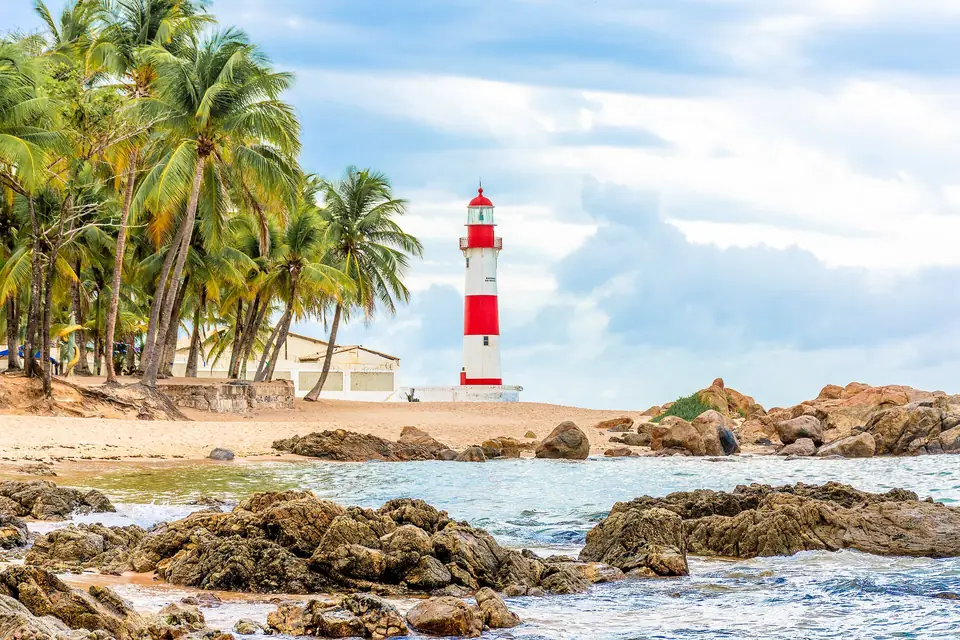
Itapuã, Stella Maris and Praia do Flamengo: Salvador's North Coast
Salvador's northern shores stretch from sheltered reef lagoons at Farol de Itapuã towards the wild Atlantic breakers of Stella Maris.
Salvador's northern fringe trades inner bay waters for the broad Atlantic Ocean. The coastline runs northeast from the curving bay of Itapuã past the open rollers of Stella Maris down to the breezy border of Lauro de Freitas. This shoreline holds a distinct character shaped by coconut groves, artisanal fishing rafts, and offshore sandstone reefs. Travellers planning a day away from the historic centre find an unhurried rhythm where ocean breezes temper the tropical heat.
The northern sands present an entirely different atmosphere from the urban bays around Barra and Ondina. Long unbroken stretches of sand receive the direct energy of the southern Atlantic. Sand dunes rise behind the tree line, giving way to low maritime shrubs and residential lanes. For visitors eager to experience Bahia beyond the stone alleys of the upper city, this oceanfront brings open horizons and clean sea air.
Farol de Itapuã and Sheltered Tidal Reefs
Itapuã remains one of the most celebrated waterfront neighbourhoods in Bahia. The red-and-white striped lighthouse stands on a rocky outcrop, watching over a mixture of calm shallows and working fishing boats. At low tide, the sandstone reef barriers trap warm seawater. These natural paddling pools offer calm water suited for a quiet dip. Early mornings bring fishermen hauling nets across wet sand while vendors set up wooden stalls along the promenade.
Walking along the curve of the bay reveals quiet residential streets and public squares shaded by almond trees. The area served as a retreat for prominent Brazilian musicians, whose verses celebrated its gentle afternoon breeze and calm seaside life. When planning your schedule across town, time beach walks around favourable tidal shifts and drier Atlantic months. The beachside stalls here serve fresh coconut water alongside traditional acarajé fried in golden dendê oil.
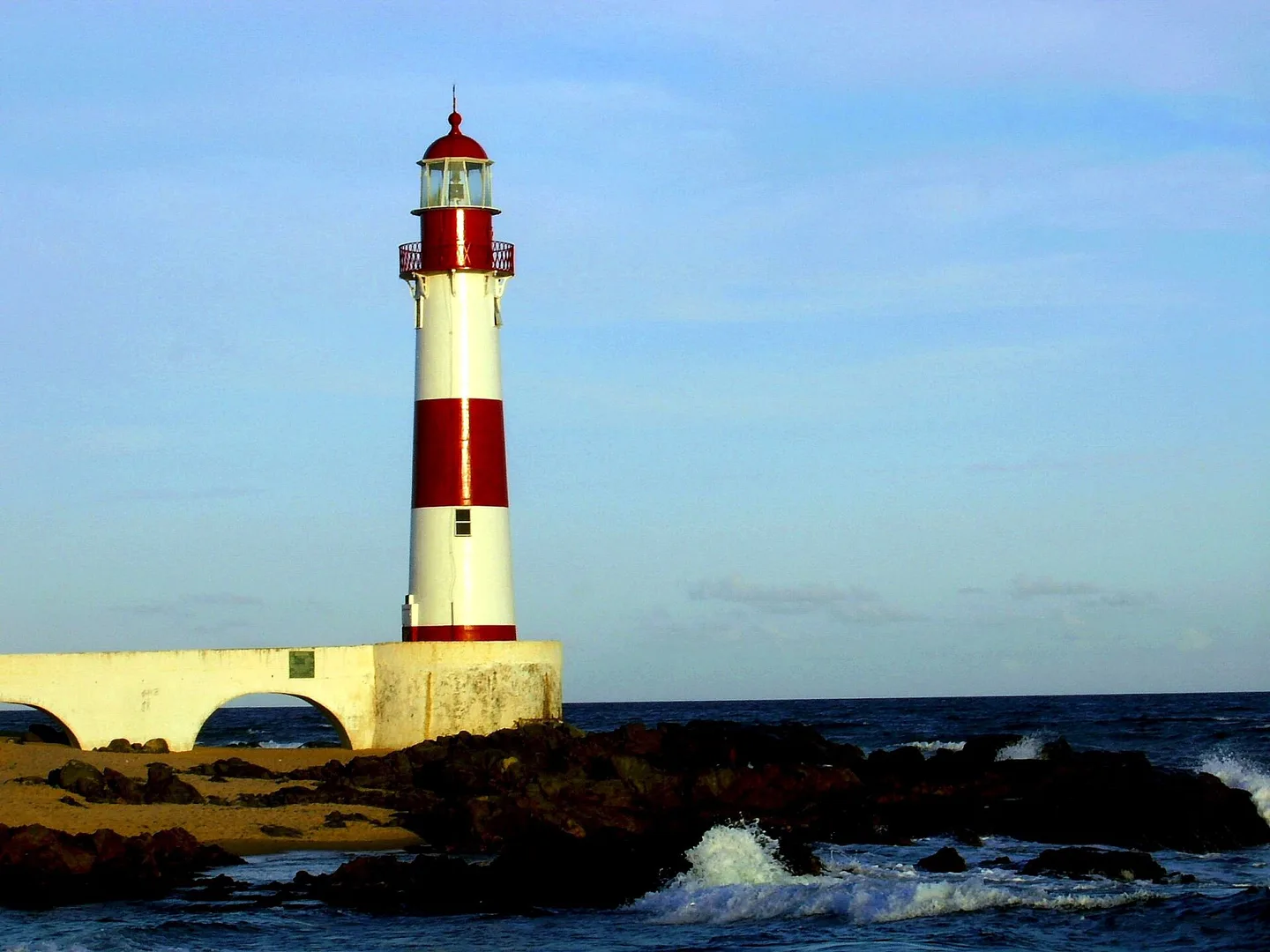
The shoreline path around the lighthouse allows pleasant rambling across flat sand. Sea turtles occasionally nest along the wilder patches north of the headland, monitored by local conservation teams. Rocks near the lighthouse can turn slippery under sea spray. Sturdy sandals prove useful when stepping across the exposed tidal flats. Local families gather here on weekends to bathe in the shallow water created by the outer rock barrier.
The village atmosphere of Itapuã reflects deep maritime heritage that predates modern urban expansion. Artisanal wooden fishing boats rest on the upper sand above the tide line between morning expeditions. Small open-air bars line the access avenues, offering cold drinks and fried snacks to bathers returning from the sea. Spending a morning here gives travellers a glimpse into coastal traditions that continue uninterrupted alongside the wider metropolitan area.
Stella Maris to Praia do Flamengo
Continuing northeast brings you to Stella Maris, where the landscape opens into broad sand dunes and exposed ocean surf. The reef barriers here sit further out from the beach, allowing strong Atlantic swells to break directly onto the sandy bottom. Board riders favour this strip for its consistent waves, while sunbathers spread out along the wide golden strand. Beach bars set back in the tree line offer shade under thatch umbrellas and broad almond canopies.
Praia do Flamengo continues directly from Stella Maris, stretching towards the municipal boundary of Lauro de Freitas. This northern beach feels open and breezy, framed by native maritime vegetation and tall coconut palms. The sand is soft and pale, sloping gently towards a vigorous shorebreak that demands respect from swimmers. While swimming requires care due to offshore currents, long walks along the high tide line offer uninterrupted ocean views.
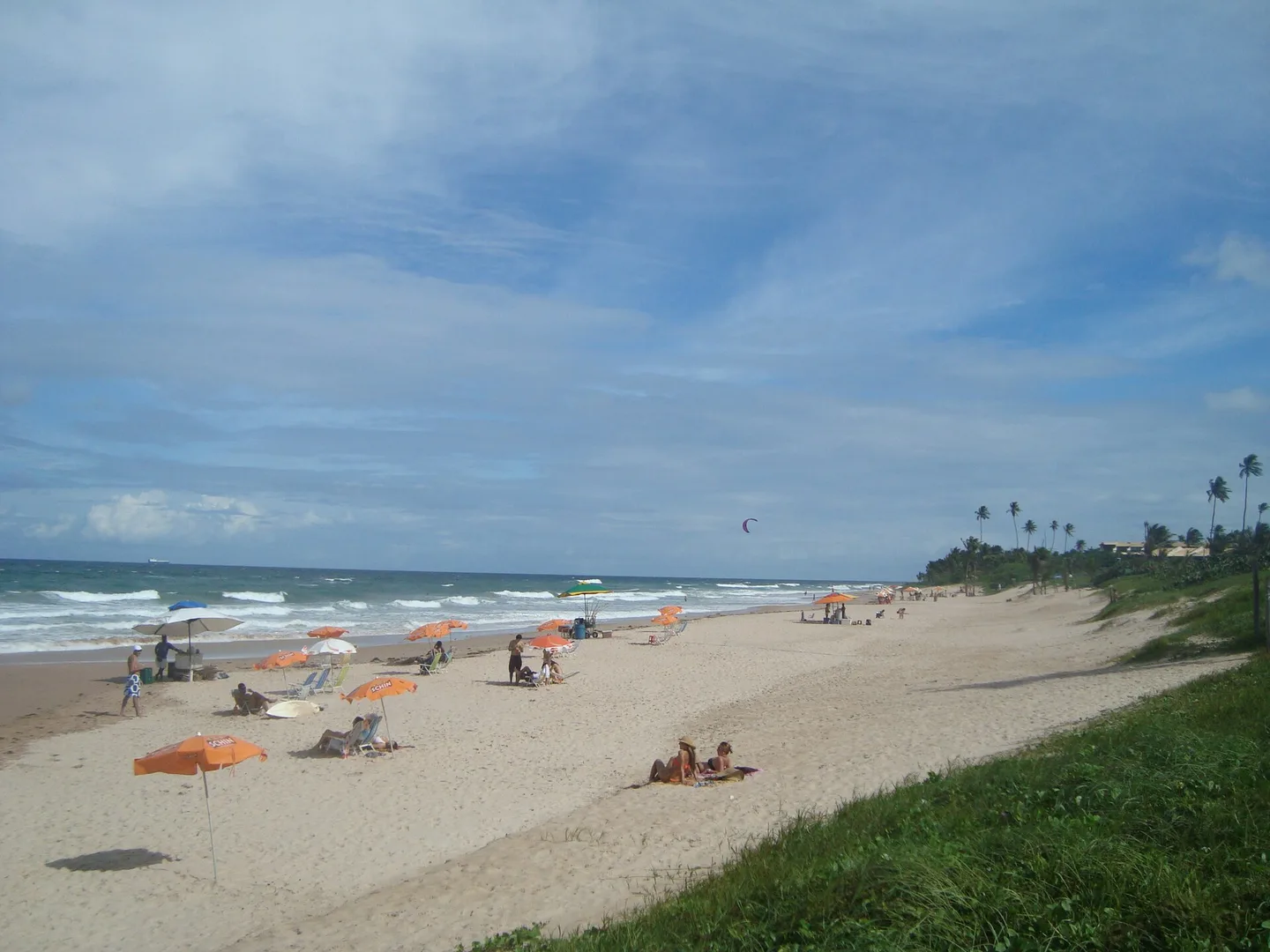
Beach clubs and thatched kiosks along Flamengo offer wooden loungers, freshwater showers, and hearty seafood dishes. Fresh crab, grilled fish, and chilled fruit juices arrive at your table while Atlantic waves crash nearby. For broader urban plans across the capital, balance beach excursions with cultural stops from our key city landmarks overview.
The wide expanse between the water and the access roads gives Flamengo a tranquil feel even during sunny weekends. Unlike the tightly enclosed city coves, visitors here can always find an unoccupied stretch of sand for ball games or relaxed reading. Steady winds blow constantly off the Atlantic, drawing kite flyers and windsurfers throughout the sunlit hours. As the afternoon progresses, long palm shadows stretch across the golden sand.
Beach Comparison and Sea Conditions
Each stretch along the northern seafront suits different seaside preferences. Knowing the water behaviour and shore features helps you select the right sand strip for your afternoon.
| Beach Strand | Water Character | Best Suited For | Shore Features |
|---|---|---|---|
| Itapuã | Calm reef lagoons at low tide | Wading, families, photography | Sandstone reefs, lighthouse, fishing boats |
| Stella Maris | Active surf, moderate undertow | Bodyboarding, sunbathing, walks | Open sandy expanse, beach kiosks |
| Praia do Flamengo | Strong Atlantic break, deep water | Wave riders, seafood dining, breezes | Wind-swept dunes, palms, shaded lounges |
Tides dictate sea safety along this entire oceanfront. Low water exposes sandy walkways and peaceful shallows near the lighthouse, whereas high tide brings choppy water directly against the seawall. Swimmers should always observe where the local surf breaks and avoid entering the water near submerged rock ledges during rising tides.
Bus and Metro Routes to the North Coast
Reaching these northern beaches requires travelling outward from the historic core or the bayfront districts. Urban buses depart frequently from major transit hubs towards Itapuã, following the ocean avenue past Rio Vermelho and Pituba. Alternatively, riders can connect via the modern metro system out towards the airport stations, completing the final leg by local bus or app-based taxi.
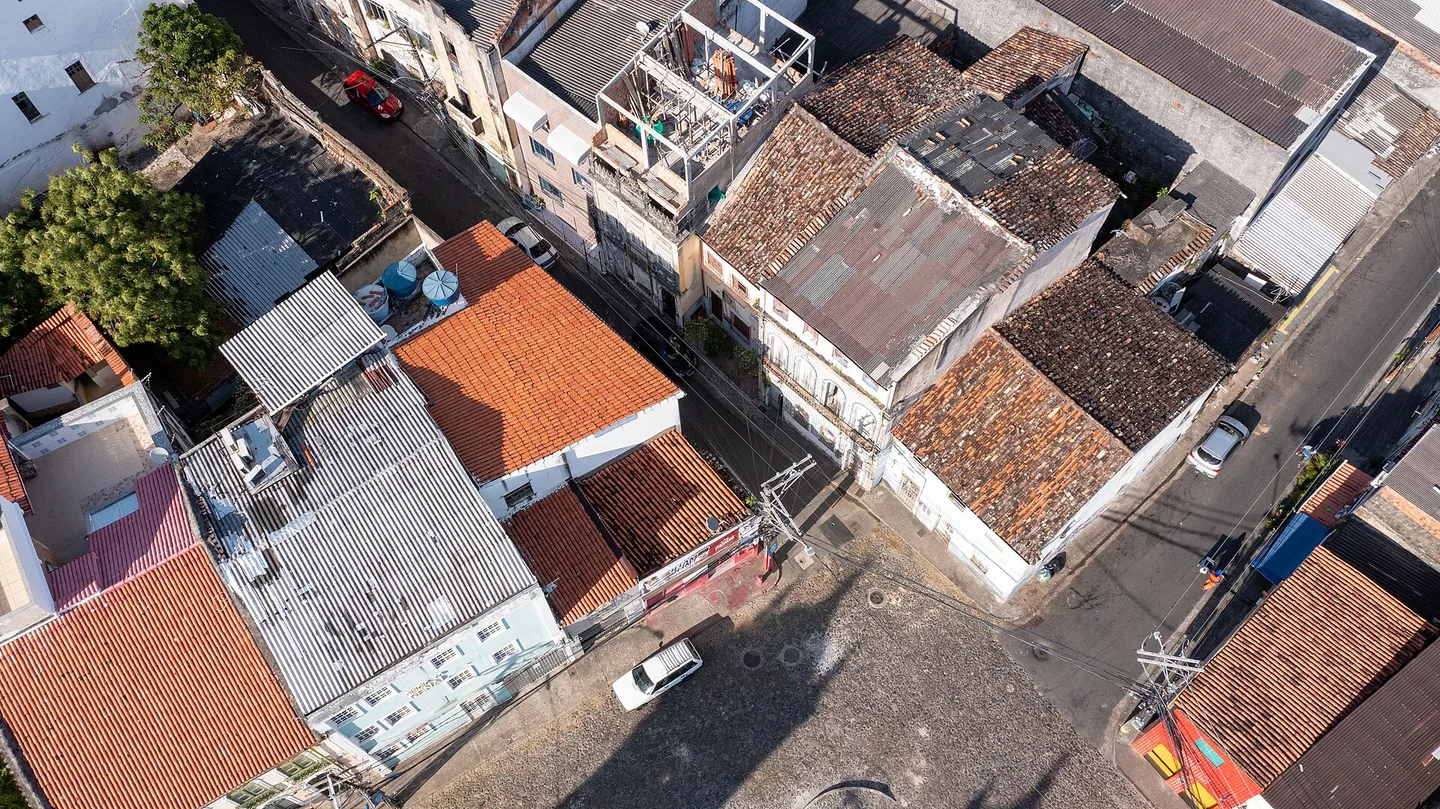
When mapping routes across the metropolitan grid, check airport rail and ferry transfer notes to connect directly between regional terminals. The beaches welcome casual exploration, though modest precautions keep your visit smooth. Watch incoming tides if walking onto exposed reef flats, and stay within sight of lifeguard stations when swimming at Flamengo.
- Choose Itapuã for sheltered bathing within natural rock pools during receding tides.
- Head to Stella Maris or Flamengo for breezy surf, board sports, and relaxed beachside lunches.
- Carry local cash notes for small purchases from strolling vendors selling fruit and sun hats.
- Return towards central districts before late evening to avoid peak commuter traffic along coastal avenues.
Sun protection remains essential along these open shores, where steady sea winds can mask the midday heat. Settle beneath a coconut palm, order a chilled drink, and enjoy the relaxed atmosphere that defines northern Salvador.
Official prices and opening hours
- Elevador Lacerda (Upper & Lower City Lift)Official site ↗
- CCR Metrô Bahia (Airport Line 2 to Lapa / Campo da Pólvora)Official site ↗
Where it is
- 1Itapuã, Stella Maris and Praia do Flamengo
- Deputado Luiz Eduardo Magalhães International Airport (SSA) · about 6 km from here in a straight line
- Directions in Google Maps
Stations and taxi ranks: OpenStreetMap. Airports: OurAirports. Distances are in a straight line.
Traveller tips
Real advice from people who have been to Salvador. Every tip is read by our team before it goes live.
No tips yet. Been here? Yours could be the first.
Thank you! Your tip will appear here after a quick review.
More in Salvador
Continue exploring Salvador with related neighbourhood, food, and planning guides
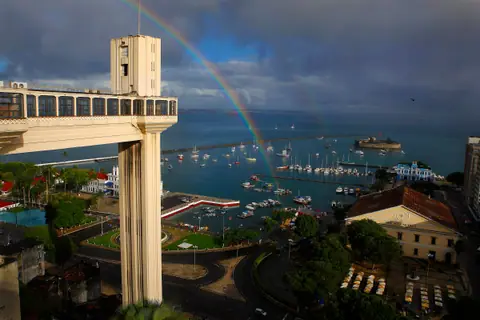
3 Days in Salvador Itinerary: Pelourinho, Barra Sunset, Bonfim and Bay Islands
Salvador, Brazil
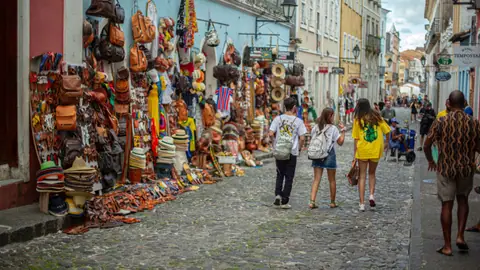
Pelourinho: Discovering Salvador's Historic Colonial Quarter
Salvador, Brazil
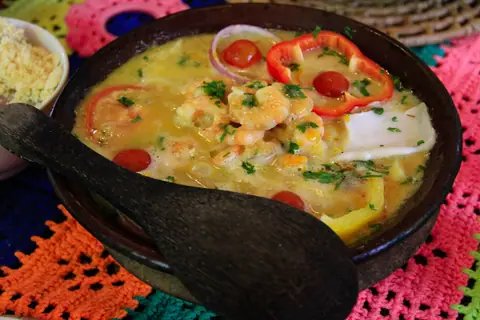
What to Eat in Salvador: Moqueca Baiana, Acarajé, Vatapá and Local Specialities
Salvador, Brazil
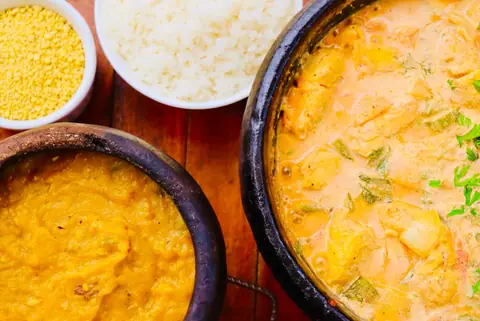
Bahian Cuisine Guide: What to Eat in Salvador
Salvador, Brazil
