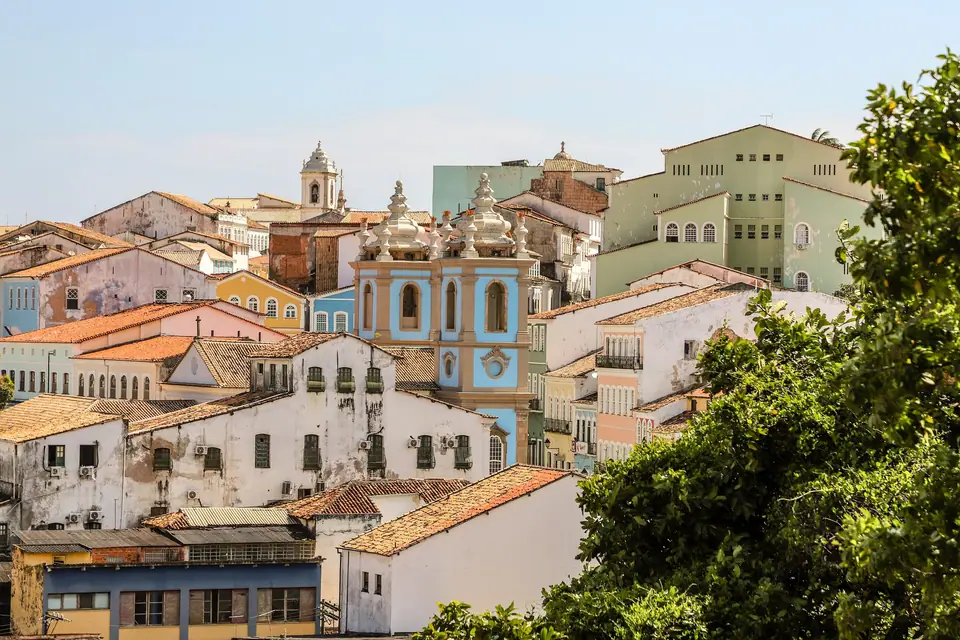
Pelourinho, Terreiro de Jesus and Golden São Francisco Church Guide
Colonial squares of Pelourinho connect directly to the gilded interior of São Francisco Church inside the historic heart of Salvador.
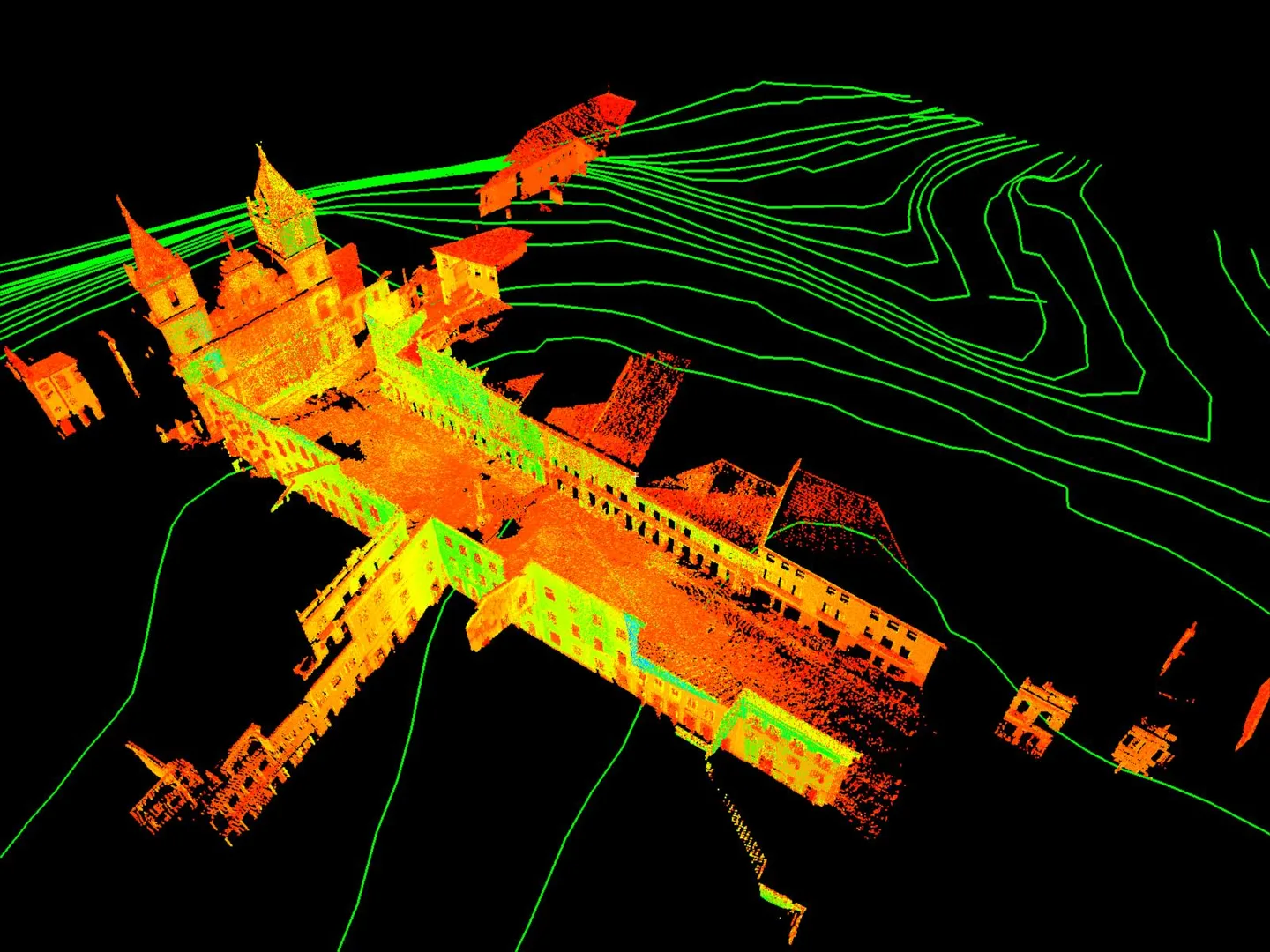
Terreiro de Jesus forms the grand historic meeting point in the Upper City, where wide stone flags open out before ornate colonial facades. Walking across this broad square brings us past early civic foundations and academic buildings that defined the initial centuries of Portuguese rule. Shaded benches beneath leafy trees offer welcome respite from the midday tropical sun, allowing visitors to observe local life unfold around the fountain.
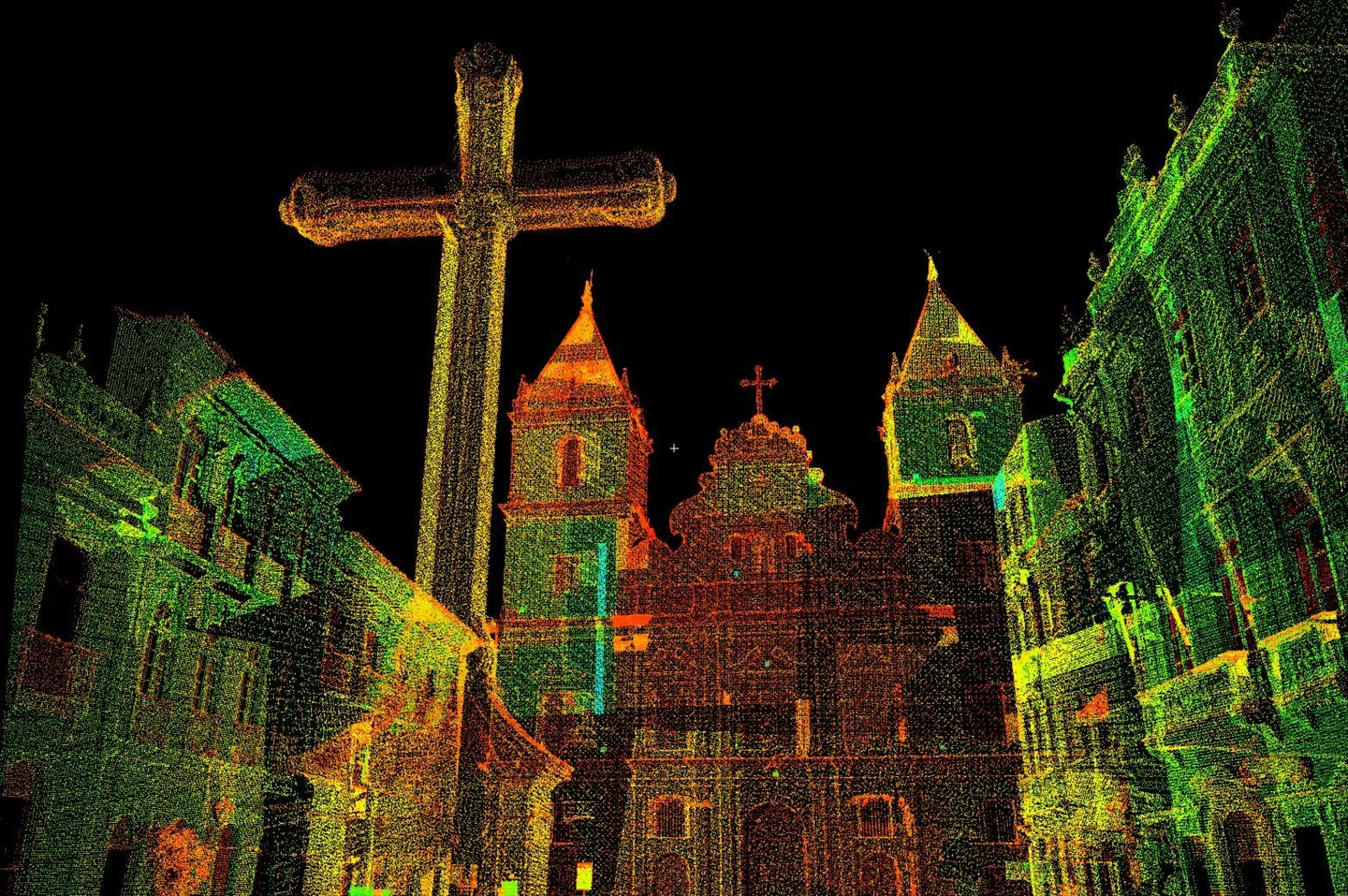
Adjoining the northern edge of the square, Praça Anchieta forms a quieter paved forecourt leading straight towards religious landmarks. A prominent stone cross stands in the centre of Praça Anchieta, dedicated to São Francisco de Xavier, the patron saint of the municipality. The paved stones here create an open promenade that connects the municipal university grounds directly to the convent entrance. We find the area particularly pleasant during late afternoons, when the low sun reflects warmly against whitewashed walls.
Historic residential properties and civic institutions enclose the perimeter of Terreiro de Jesus, presenting multi-storey stucco walls finished in classical pigments. Colonial administrators laid out these open public grounds to stage military parades, civic gatherings, and solemn religious processions. Visitors crossing between the academic halls and the church frontages can observe distinctive decorative ironwork adorning tall window frames and upper balconies.
Gilded Splendour Inside the Church of São Francisco
The Church of São Francisco ranks among the most remarkable Baroque structures in South America, presenting a striking contrast to its severe stone exterior. Passing through the heavy wooden portals reveals an interior coated in extensive gold leaf, covering wood carvings that line every arch, column, and side chapel. Elaborate displays of cherubs, floral garlands, and religious figures demonstrate the skill of colonial craftsmen who shaped this sanctuary.
Surrounding the main nave, the cloister displays blue and white Portuguese ceramic tiles imported across the Atlantic during the colonial era. These hand-painted panels depict allegorical scenes, moral proverbs, and biblical episodes framed by decorative borders. Taking time to study these delicate ceramic scenes reveals fascinating cultural exchanges that shaped artistic life in early Brazil.
The twin stone towers flanking the church facade feature pierced bell chambers and carved stonework quarried locally during the eighteenth century. Inside the quiet monastic courtyard, covered walkways offer cool shelter from tropical rainfall while directing natural daylight onto the decorative tiled walls. Monastic halls leading off the main cloister preserve carved jacaranda furniture, silver liturgical vessels, and historic devotional portraits.
- Central stone cross honouring São Francisco de Xavier on Praça Anchieta.
- Gilded cedarwood carvings decorating every archway inside the Franciscan sanctuary.
- Imported blue-and-white ceramic tile panels enclosing the monastery cloister.
- Sloping cobblestones descending through colourful colonial townhouses towards Largo do Pelourinho.
Navigating Down to Largo do Pelourinho
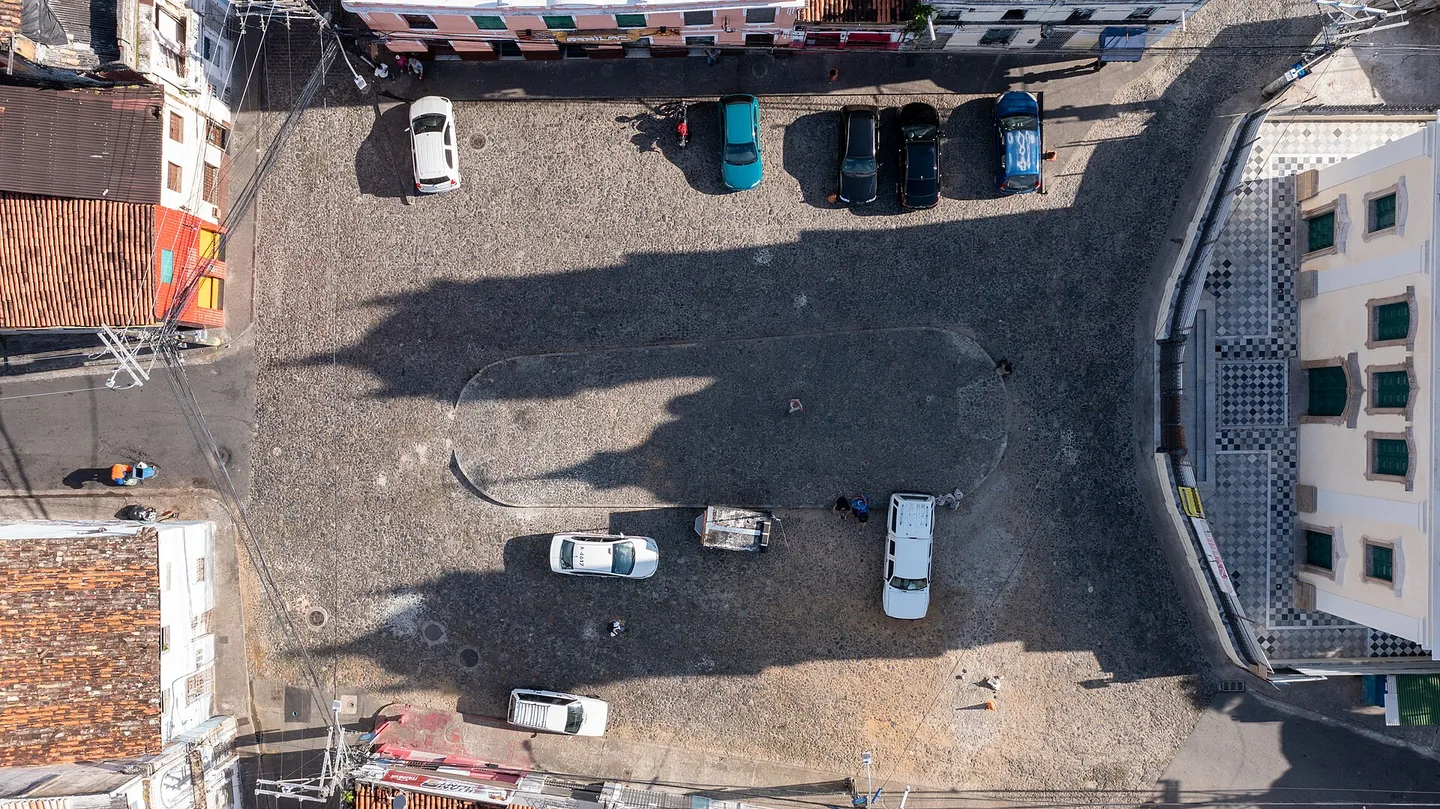
From Praça Anchieta, the route leads eastward down steep cobblestone inclines towards the prominent open plaza of Largo do Pelourinho. Past pastel-coloured townhouses painted in deep blues, ochres, and pale terracottas, the street scene reveals centuries of urban heritage. Footwear with reliable grip is essential here, as the rounded river stones can prove remarkably slippery after passing sea showers.
Largo do Pelourinho itself slopes naturally down towards the blue-fronted Church of Nossa Senhora do Rosário dos Pretos. This famous church was founded by enslaved and free Black brotherhoods, standing as a testament to deep Afro-Brazilian cultural traditions. The surrounding mansions now house cultural foundations, artisan workshops, and music schools where drum rhythms frequently drift through open shutters. Visitors enjoying various activities across Salvador can easily pair this architectural walk with museum visits nearby.
The triangular gradient of the lower square creates dramatic sightlines across tiered rooflines, pastel cornices, and decorative stucco mouldings. Traditional restaurants and community cafes occupy ground-floor colonial archways, serving regional Bahian fare seasoned with dendê oil and coconut milk. Street musicians and capoeira practitioners frequently gather in the open plaza, filling the stone amphitheatre with rhythmic berimbau melodies.
Neighbourhood Transport Connections and Upper City Transit
Reaching this historic district from the Lower City harbour front involves riding the historic Elevador Lacerda to the top ridge. The lift brings passengers straight onto Praça Municipal, leaving a flat, short walk across to Terreiro de Jesus. Check official municipal transport and parish portals ahead of setting out on foot for current lift fares and church entry conditions.
Visitors travelling from distant metropolitan districts or arriving from outer stations can use the CCR Metrô Bahia network. The underground line connects towards Campo da Pólvora station, situated within comfortable walking distance of the historic quarter's western boundary. Pair metro connections with airport rail and ferry transfer routes to map journeys across the ridge cleanly. Always confirm station hours and fare details through local Metrô displays.
Licensed urban taxis and rideshare vehicles maintain designated drop-off points along the western fringe of the pedestrianised historic zone. Walking remains the sole practical method for navigating the inner alleys, as narrow stone lanes exclude regular vehicular traffic. Street lighting illuminates the primary avenues after dusk, allowing pedestrians to return comfortably towards public transport hubs and hotel districts.
Official prices and opening hours
- Elevador Lacerda (Upper & Lower City Lift)Official site ↗
- CCR Metrô Bahia (Airport Line 2 to Lapa / Campo da Pólvora)Official site ↗
Where it is
- 1Pelourinho, Terreiro de Jesus and Golden São Francisco Church
- Deputado Luiz Eduardo Magalhães International Airport (SSA) · about 21 km from here in a straight line
- Directions in Google Maps
Stations and taxi ranks: OpenStreetMap. Airports: OurAirports. Distances are in a straight line.
Traveller tips
Real advice from people who have been to Salvador. Every tip is read by our team before it goes live.
No tips yet. Been here? Yours could be the first.
Thank you! Your tip will appear here after a quick review.
More in Salvador
Continue exploring Salvador with related neighbourhood, food, and planning guides
Day Trips from Salvador: Morro de São Paulo, Ilha dos Frades and Praia do Forte
Salvador, Brazil
Salvador: Essential Planning for Bahia's Historic Capital
Salvador, Brazil
12 Best Things to Do in Salvador: Golden Churches, Bay Sunsets and Acarajé
Salvador, Brazil
Getting to Salvador: Flight Arrivals, Metro Lines, and Port Transfers
Salvador, Brazil
