Pelourinho: Discovering Salvador's Historic Colonial Quarter
Pelourinho preserves the colonial heart of Salvador through colourful pastel townhouses, cobbled inclines, and lively baroque public squares.
Colonial Architecture and Cobbled Streets
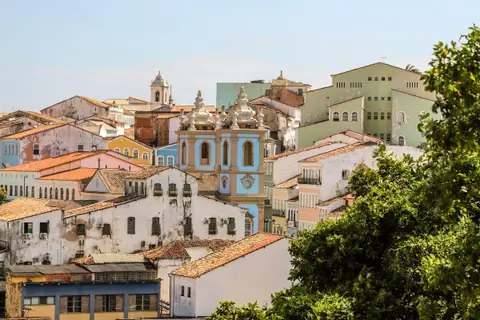
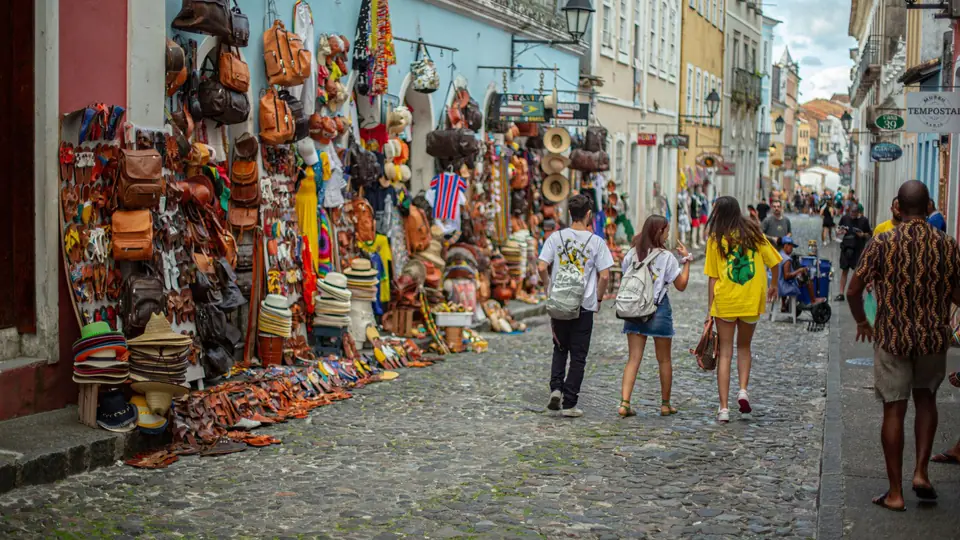
Pelourinho stands as the historic upper centre of Salvador, defined by steep cobbled lanes and rows of multi-storey colonial townhouses. Many facades display soft pastel shades, ranging from ochre yellow to pale indigo, offset by whitewashed plaster window frames and wrought-iron balconies. Walking through these hillside alleys gives direct access to the architectural heritage of Bahia. The uneven stone paving requires steady footing as streets drop towards natural coastal escarpments overlooking All Saints Bay. Tall wooden shutters frame arched doorways along narrow downhill lanes, opening onto former merchant warehouses and preserved tile courtyards.
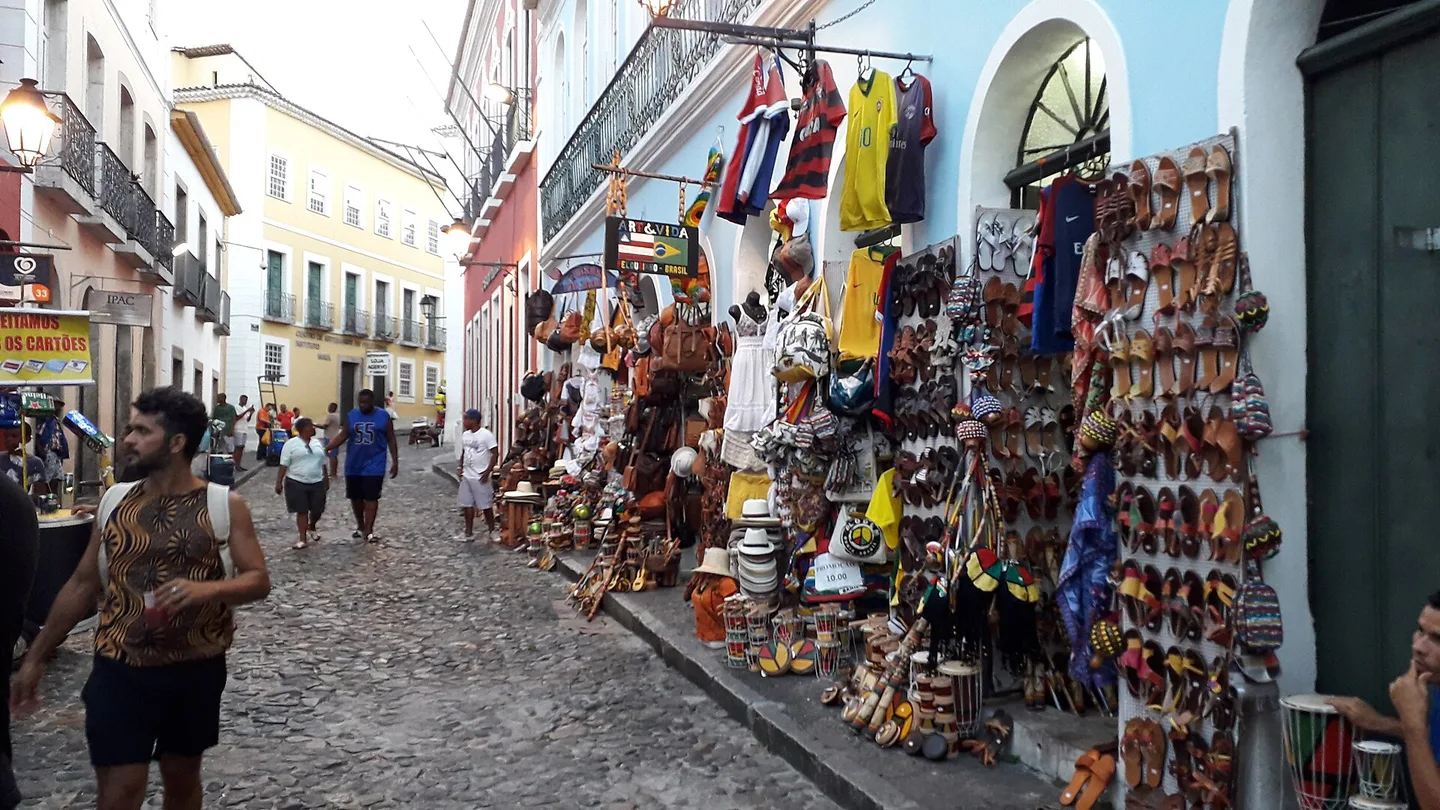
Craft stalls, local artisan workshops, and open doorways spill out into the pedestrian alleys throughout the afternoon. You can coordinate an afternoon stroll with recommendations from our Salvador sights list. Woodcarvers, painters, and percussion musicians regularly practise along these alleys, filling the stone corridors with lively rhythms. Shaded corners offer relief from the coastal heat, making slow exploration both rewarding and comfortable. Pausing on stone steps allows walkers to study carved timber doors, painted tilework, and decorative cornices dating back to colonial trading eras.
Historic Plazas and Baroque Churches
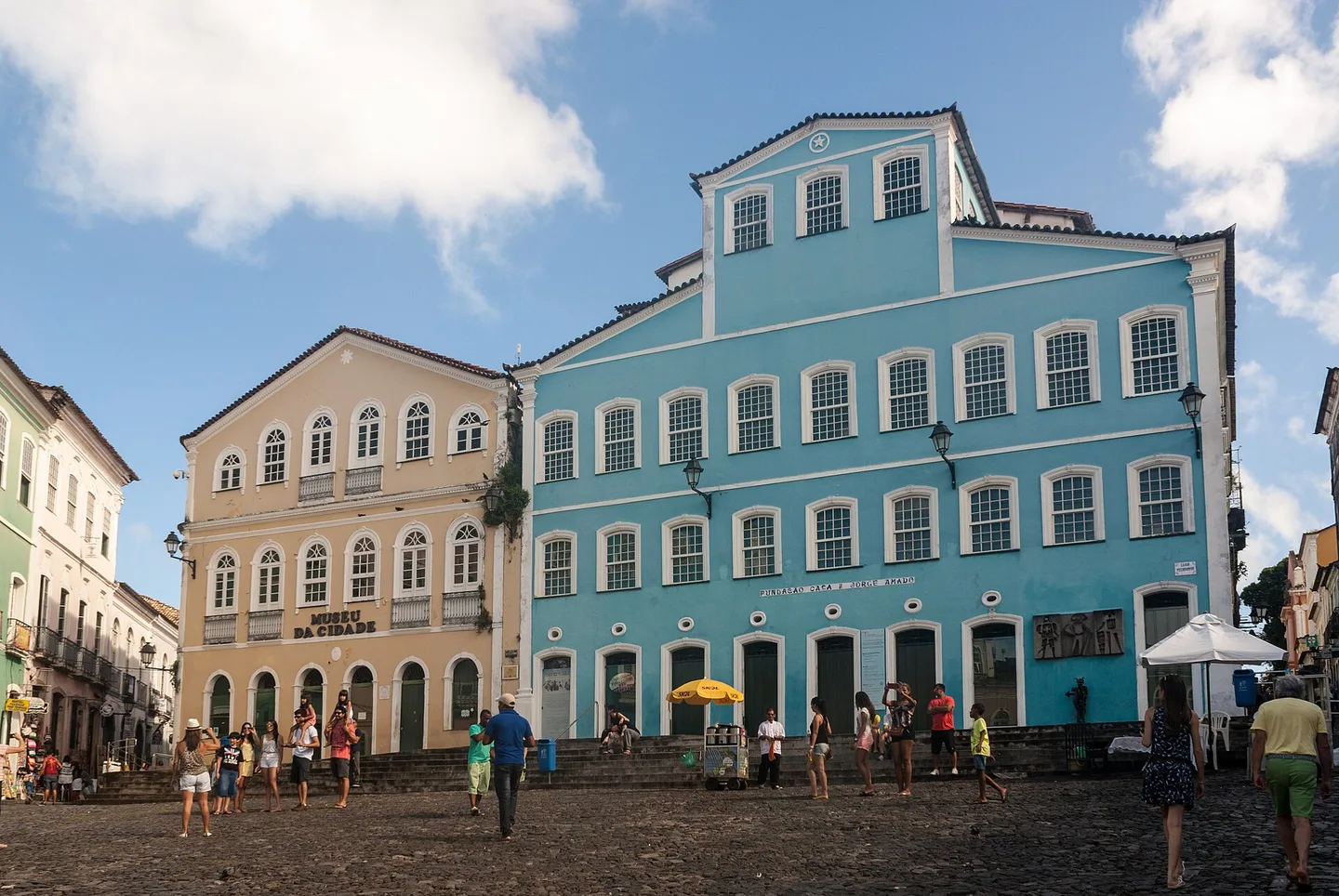
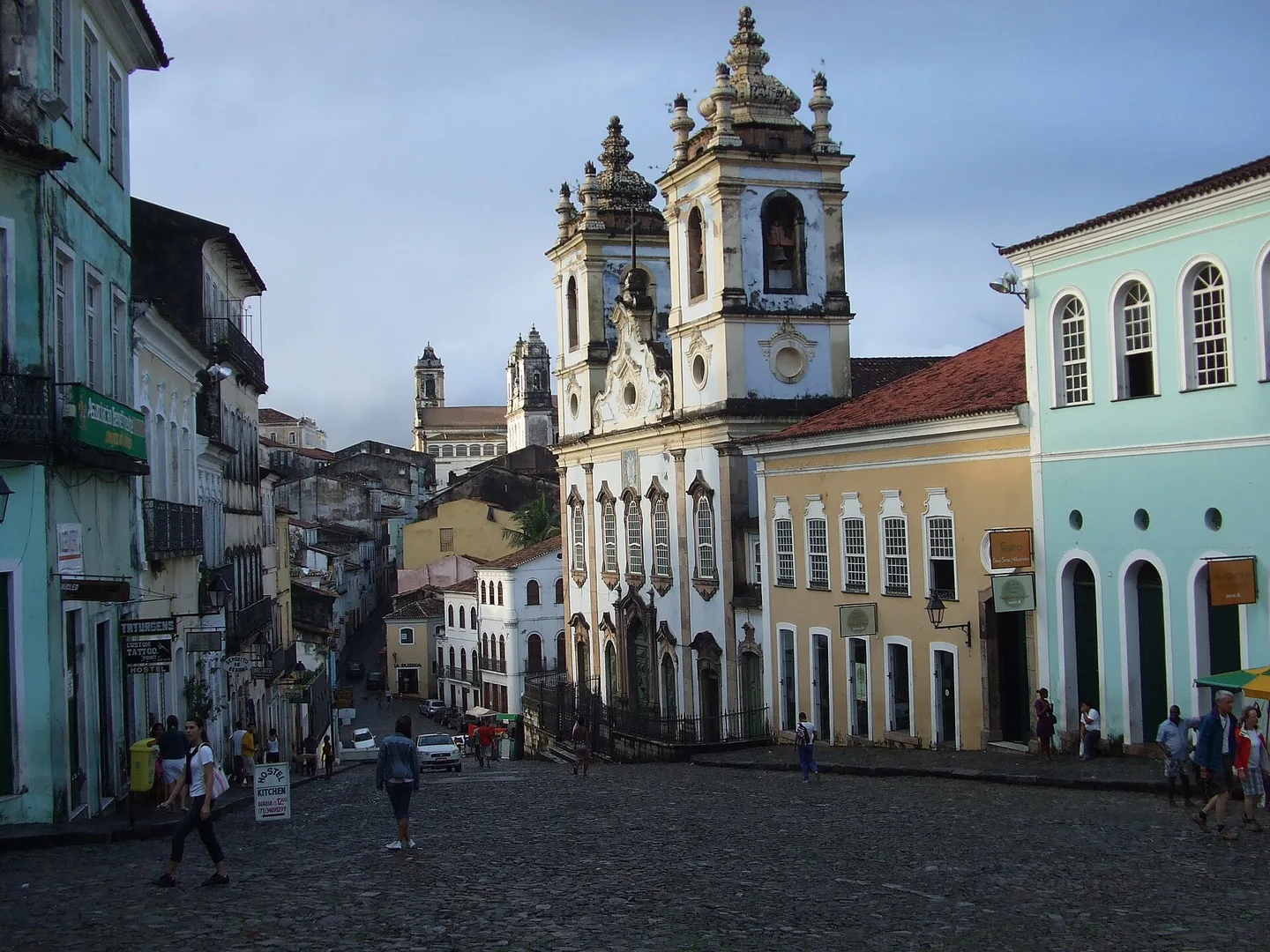
The district gathers around open civic spaces that have anchored community life for centuries. Largo do Pelourinho forms a central meeting point, bordered by tall pastel mansions and baroque church facades. Here, the gradient creates natural tiers where visitors and residents pause to watch street performers or drum rehearsals. Church towers rise above terracotta roofs, marking distinct focal points across the neighbourhood skyline. Adjacent squares such as Terreiro de Jesus and Praça Anchieta connect smoothly via short stone passages lined with outdoor cafes.
Gilded church interiors and stone portals display elaborate craftsmanship carved by local Bahian artisans. Visitors can pair cultural plans with the city overview and practical essentials before entering major sanctuaries. Public squares also serve as community hubs where evening food carts prepare warm street snacks and coconut sweets. These historic spaces remain central to civic gatherings, cultural festivals, and religious celebrations throughout the year. Entering active sanctuaries calls for quiet respect and shoulder-covering clothing across all public naves.
Transit Access and Arrival Routes
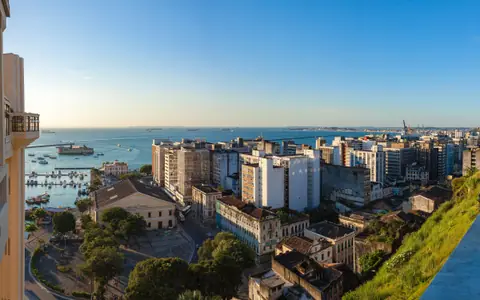
Reaching Pelourinho involves ascending from the coastal plain to the upper ridge overlooking the bay. Historic transport infrastructure connects the harbour district with the upper colonial streets, easing access for arrivals. Dedicated transport links assist pedestrians who prefer avoiding steep hillside stairways. Travellers moving between distinct city quarters can compare options in our airport rail, ferry, and cliff lift notes.
- Elevador Lacerda carries passengers swiftly between the lower port district and the upper colonial plaza.
- Metro lines connect central transport terminals such as Lapa and Campo da Pólvora with neighbourhoods bordering the historic old town.
- Local bus routes stop near the southern perimeter of the old quarter, offering simple pedestrian access without steep uphill climbs.
- Registered taxis and rideshare cars can approach designated perimeter squares where cobbled pedestrian streets begin.
Arriving by public transport allows you to enter the historic core near major landmarks without vehicular congestion. Official municipal transport portals publish current smartcard rules and lift operating notices before you board. Stepping out at Praça Tomé de Souza puts you steps away from shaded balconies overlooking the lower harbour docks and colonial fortifications.
Practical Walking Advice and Footwear
Exploring the historic centre on foot requires preparation for warm maritime weather and uneven paving. The slopes feature rounded granite cobbles that can become slippery after tropical showers, so sturdy rubber-soled footwear remains essential. Carrying drinking water, sun protection, and a light linen layer helps maintain comfort through humid afternoons. Combining morning exploration with rainfall planning from our seasonal weather and dry months overview helps you time outdoor walks outside tropical squalls.
Sticking to well-lit main plazas and populated streets during the evening gives visitors the most pleasant atmosphere. Keep bags zipped forward along crowded stairways and ask local shopkeepers or corner patrols for directions when branching into quieter side lanes. Pelourinho rewards unhurried foot travel, allowing you to absorb colourful colonial stonework, gilded church carvings, craft studios, and living Afro-Brazilian street rhythms at a gentle everyday pace.
Official prices and opening hours
- Elevador Lacerda (Upper & Lower City Lift)Official site ↗
- CCR Metrô Bahia (Airport Line 2 to Lapa / Campo da Pólvora)Official site ↗
Where it is
- 1Pelourinho
- Deputado Luiz Eduardo Magalhães International Airport (SSA) · about 21 km from here in a straight line
- Directions in Google Maps
Stations and taxi ranks: OpenStreetMap. Airports: OurAirports. Distances are in a straight line.
Traveller tips
Real advice from people who have been to Salvador. Every tip is read by our team before it goes live.
No tips yet. Been here? Yours could be the first.
Thank you! Your tip will appear here after a quick review.
More in Salvador
Continue exploring Salvador with related neighbourhood, food, and planning guides