Bahian Cuisine Guide: What to Eat in Salvador
Salvador serves Afro-Brazilian specialities defined by red palm oil, coconut milk, and aromatic spices cooked in traditional earthenware pots.
Street food in Salvador represents an unbroken culinary lineage rooted in West African traditions, shaped across centuries of maritime trade and local adaptation. The defining emblem of this heritage is acarajé, a fritter made from peeled black-eyed peas whipped with onions, then fried in bubbling dendê oil. Baianas de acarajé prepare these golden spheres at open-air stands, traditionally dressing in layered white skirts, turbans, and beaded necklaces. The fritter is split open while steaming hot and loaded with vatapá, caruru, spicy salad, and dried salted shrimp. To enjoy this street food alongside evening ocean breezes, head south from the historic centre towards coastal squares.
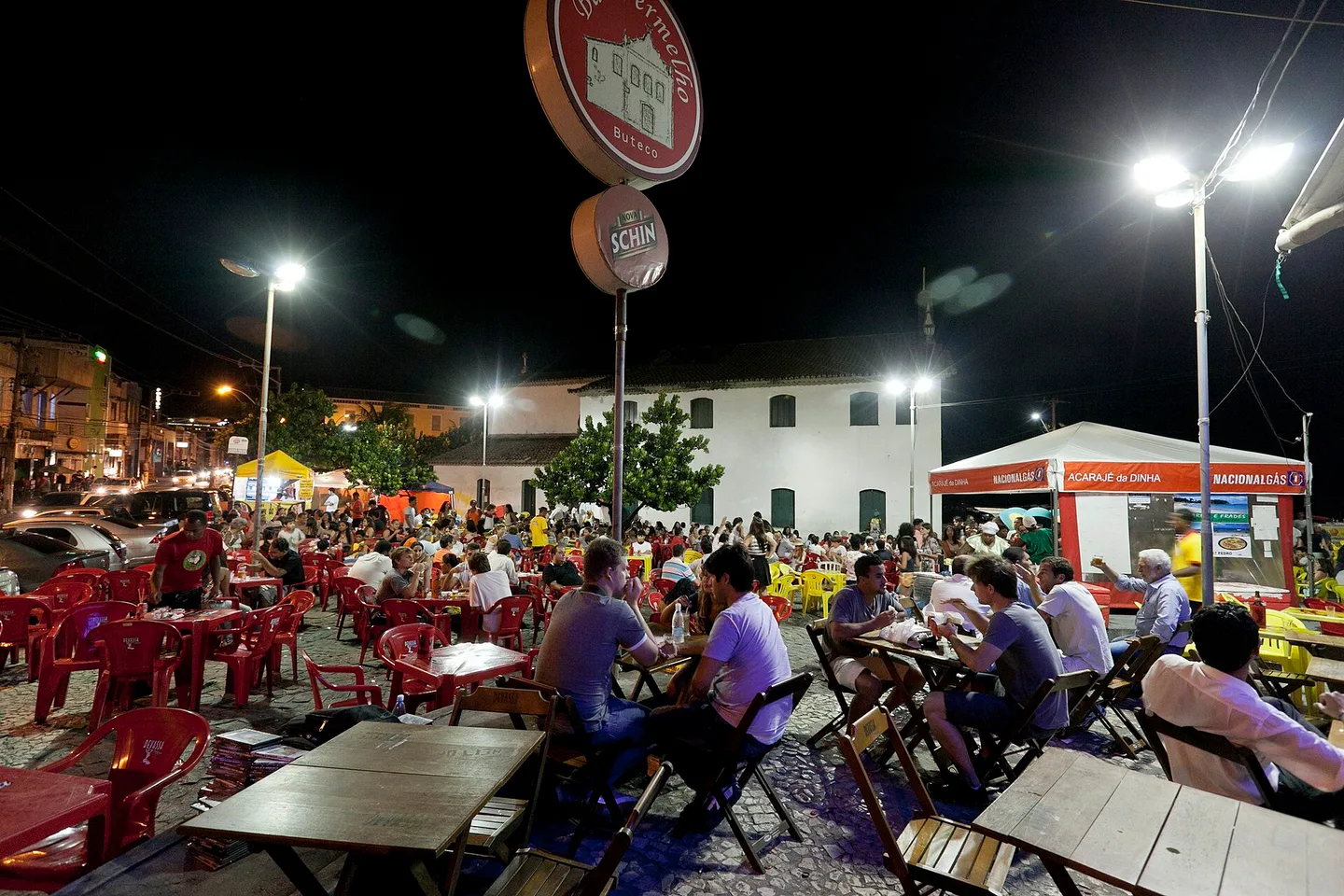
Rio Vermelho serves as the evening hub for street vendors, where multiple kiosks trade side by side. Queues gather outside established stalls where cooks fry bean batter continuously to keep every serving crisp on the outside and tender within. Alongside acarajé, vendors fry abará, which uses the identical bean mixture wrapped in banana leaves and gently steamed rather than fried in oil. Both items pack deep savouriness and rich heat, offering an immediate introduction to Bahian seasoning. Visitors can pair these street treats with cold coconut water or regional fruit juices while lingering by the beach pavement.
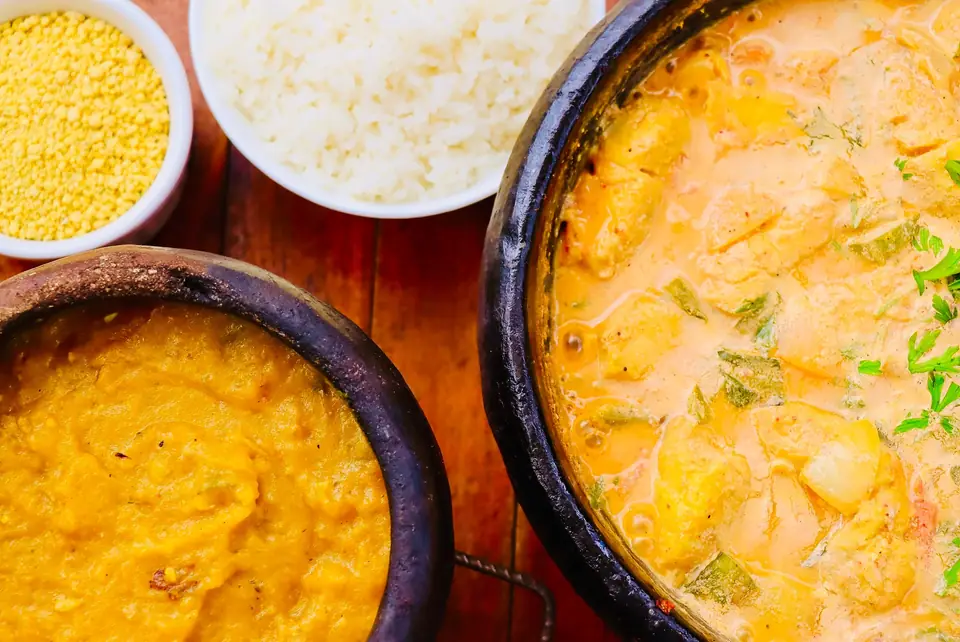
Sitting down for lunch introduces Bahian moqueca, the coastal stew that anchors family gatherings and long seaside afternoons across the city. Chefs prepare moqueca inside heavy clay pots that retain intense heat, building layers of sliced fish, prawns, sweet peppers, tomatoes, coriander, garlic, and fresh lime. Rich coconut milk softens the pungency of the dendê palm oil, producing a fragrant orange broth that arrives at your table still bubbling vigorously. The dish comes with fluffy white rice, pirão made by thickening broth with cassava flour, and toasted farofa.
Beyond classic fish moqueca, regional kitchens create variations using soft-shell crab, salt-cured cod, or plantains for vegetarian diners. Another prominent clay-pot staple is bobó de camarão, where tender prawns simmer in a velvety purée of manioc, coconut cream, palm oil, and fresh herbs. Because Bahian food relies heavily on dendê oil, first-time eaters often find these dishes extraordinarily rich. Pacing your midday meal with a light walk or combining food exploration with cultural activities across Salvador helps you digest the hearty coastal ingredients comfortably.
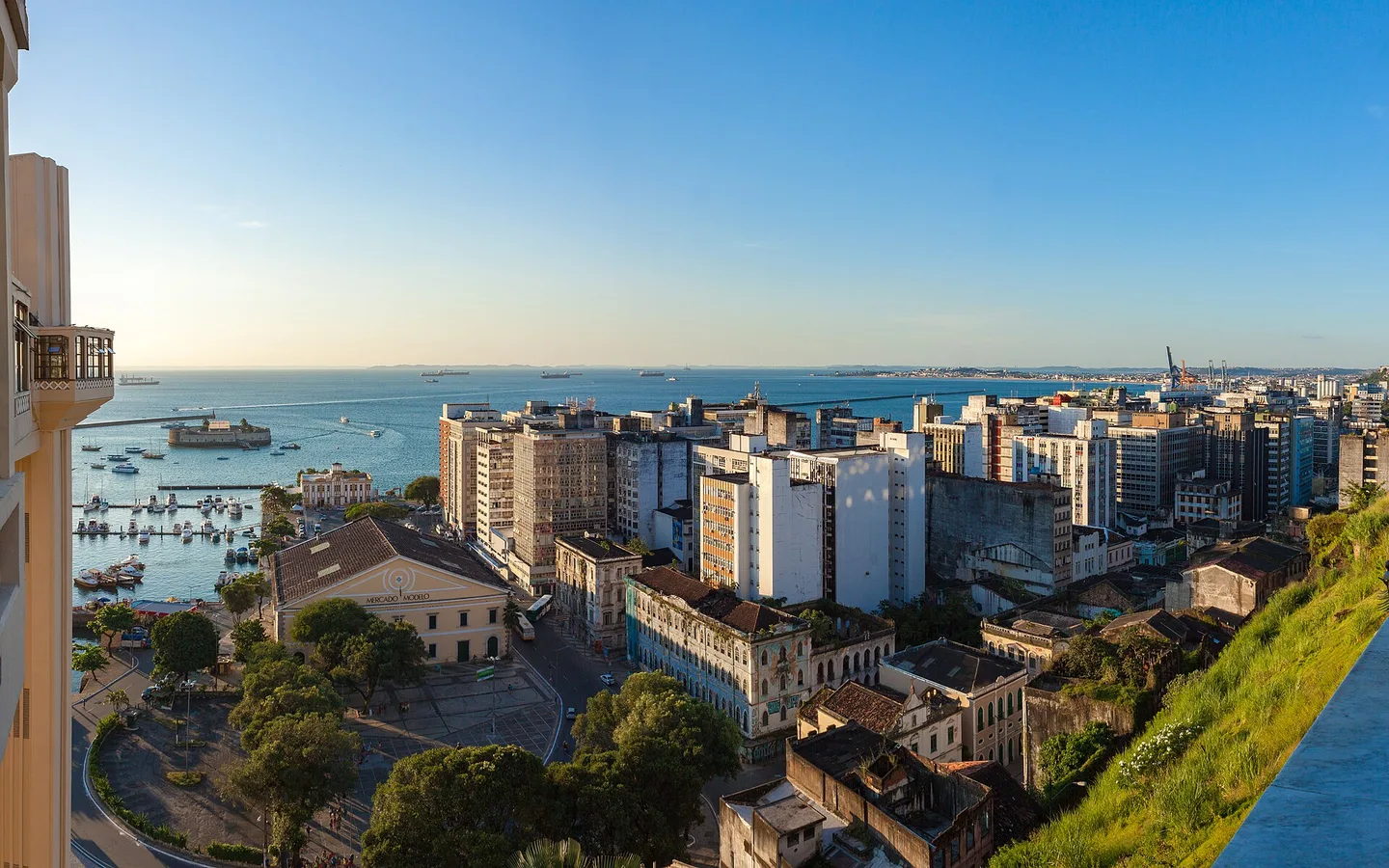
Exploring the historic upper district reveals charming colonial restaurants tucked into baroque townhouses and quiet stone alleyways. Upper dining rooms across the historic centre often feature shaded courtyards where cooling breezes cut through the midday heat. After strolling the cobblestones, travellers can descend to the lower town by lift to browse market stalls inside Mercado Modelo, sampling regional confectionery and freshly pressed fruit juices. When coordinating transfers across lower and upper neighbourhoods, transit options connect both waterfront and hillside sectors smoothly.
Planning your daily walks around food stops offers an authentic rhythm to your journey through the city. Coastal neighbourhoods like Barra and Rio Vermelho present casual beachfront restaurants where you can savour grilled fish with farofa. Pair evening meals easily with district orientation and metro tips to plan direct routes back to your accommodation. Eating in Bahia remains a communal, sensory pleasure enjoyed throughout every neighbourhood.
Essential Bahian Dishes at a Glance
The culinary traditions of Bahia combine native cassava products with West African spices and rich Atlantic seafood. The table below outlines core specialities you will encounter across street kiosks, market counters, and traditional restaurants.
| Dish Name | Primary Elements | Serving Style |
|---|---|---|
| Acarajé | Black-eyed pea fritters fried in palm oil | Street food with vatapá and dried prawns |
| Abará | Steamed bean paste wrapped in banana leaf | Street food served warm with pepper paste |
| Moqueca Baiana | Seafood, coconut milk, dendê oil, coriander | Hot clay pot with rice, farofa, and pirão |
| Bobó de Camarão | Prawns simmered in velvety manioc cream | Restaurant main dish with white rice |
| Vatapá | Breadcrumbs, nuts, dried prawns, coconut milk | Paste side dish for acarajé or fish stews |
Desserts in Bahia celebrate local tropical fruits, cane sugar, and grated coconut in abundance. Cocada stands on street corners sell small, chewy coconut patties flavoured with passion fruit, ginger, or dark toasted caramel. Freshly squeezed juices made from cajá, umbu, and graviola offer a refreshing tartness that cleanses the palate after rich seafood stews. Taking time to sample these traditional sweets rounds out an exceptional culinary exploration of Brazil's historic north-eastern coast.
Official prices and opening hours
- Elevador Lacerda (Upper & Lower City Lift)Official site ↗
- CCR Metrô Bahia (Airport Line 2 to Lapa / Campo da Pólvora)Official site ↗
Where it is
- 1Salvador
- Deputado Luiz Eduardo Magalhães International Airport (SSA) · about 22 km from Salvador in a straight line
- Directions in Google Maps
Stations and taxi ranks: OpenStreetMap. Airports: OurAirports. Distances are in a straight line.
Traveller tips
Real advice from people who have been to Salvador. Every tip is read by our team before it goes live.
No tips yet. Been here? Yours could be the first.
Thank you! Your tip will appear here after a quick review.
More in Salvador
Continue exploring Salvador with related neighbourhood, food, and planning guides
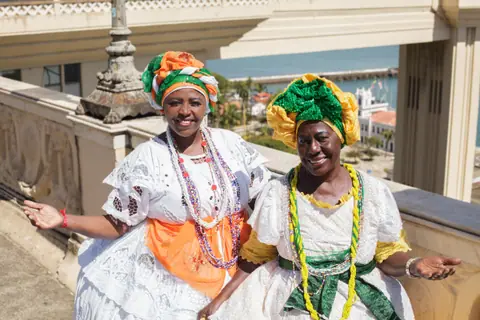
What to Wear in Salvador: Packing for Heat, Cobblestones, and Culture
Salvador, Brazil

3 Days in Salvador Itinerary: Pelourinho, Barra Sunset, Bonfim and Bay Islands
Salvador, Brazil
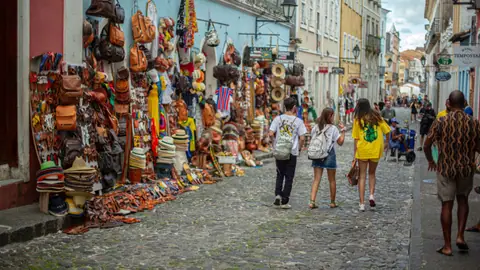
Pelourinho: Discovering Salvador's Historic Colonial Quarter
Salvador, Brazil
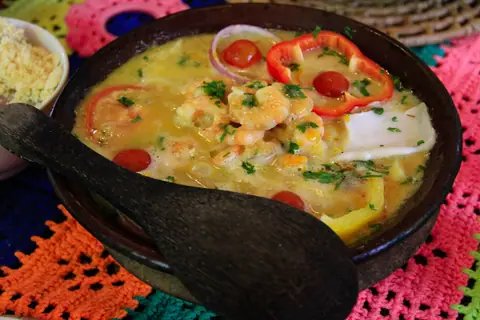
What to Eat in Salvador: Moqueca Baiana, Acarajé, Vatapá and Local Specialities
Salvador, Brazil
