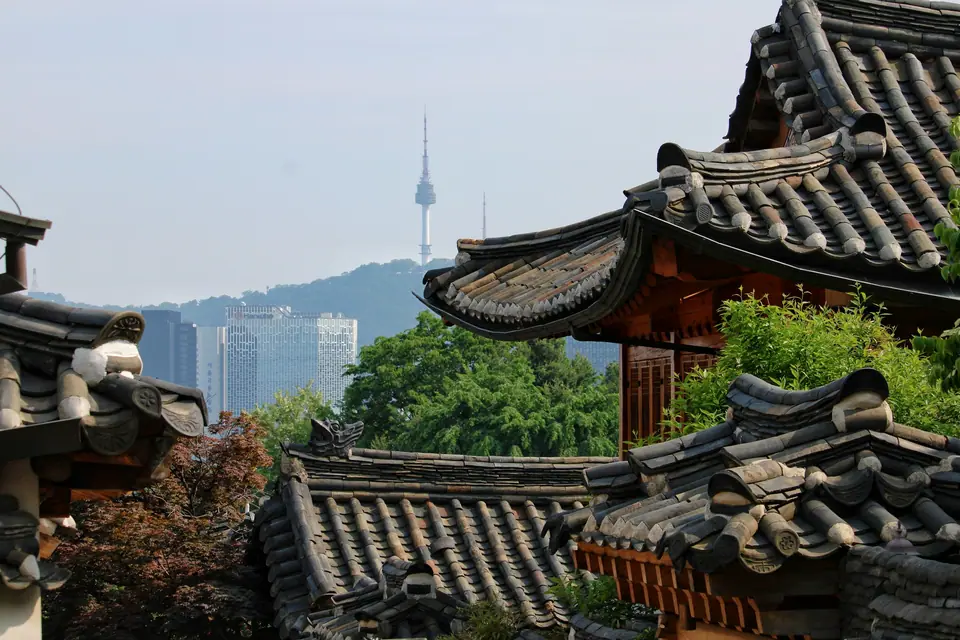
Photo by Timothée Gidenne on Unsplash
Seoul: Entry Rules, Apps, Bukchon & Local Laws
A practical briefing on Seoul's entry rules, the apps and transport card you need, Bukchon's visiting hours and the local laws visitors most often miss.
Short answer: check whether your passport needs a K-ETA before you book, send the e-Arrival card in the three days before you land, and carry identification every day. Install NAVER Maps and KorailTalk at home, buy a T-money card at the airport, and plan each day around one part of the city. Most of what surprises visitors in Seoul falls into place once those habits are set.
Entry rules for 2026
The UK government's travel advice says British visitors can stay in South Korea for up to 90 days for tourism or short business trips without a visa. Your passport has to stay valid beyond the date you leave. Visitors from other visa-free countries must hold a K-ETA, an online travel authorisation approved before departure, unless they are exempt.
Travellers from 22 countries and territories, the UK among them, are exempt from the K-ETA until 31 December 2026. If your trip runs past the end of 2026, check the rule again closer to the date, because the exemption has a fixed end. Arrivals can fill in the e-Arrival card online, within 72 hours before they land.
How the city fits together
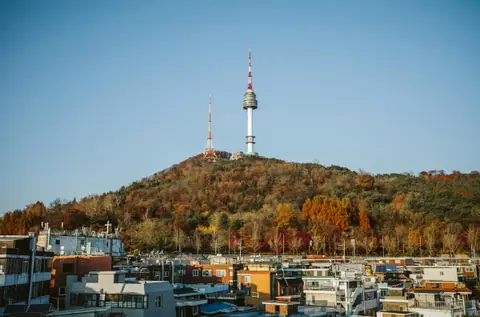
The Han River cuts Seoul in two. North of it lie the palaces of the Joseon kings, the hanok lanes of Bukchon, the craft shops of Insadong and the big traditional markets. Myeongdong and Namsan sit a little further south, still on the same bank, and Hongdae spreads out to the west in Mapo-gu. South of the river, Gangnam holds COEX, the temple of Bongeunsa and long avenues of offices.
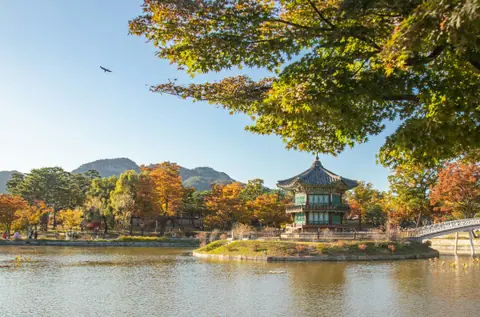
Distances are large, so plan your days by district rather than by sight. One day can cover Gyeongbokgung, Bukchon and Insadong. Another fits Jongmyo, Gwangjang Market and Namsan. A third suits Hongdae or Seongsu. Our three-day Seoul route follows that pattern, and the neighbourhood guide helps you pick a base near it.
Apps that make the trip easier
The Korea Tourism Organization published a list of five apps for visitors in May 2026. Set them up at home, while you have fast Wi-Fi and time to create accounts.
- NAVER Maps plans routes on foot, by bus and by subway, and it works in English.
- KorailTalk books trains, including the KTX from Seoul Station.
- k.ride hails taxis without a complicated verification step, in English, Chinese or Japanese.
- Klook and GoHanpass book express buses and other intercity trips.
Save the number of the 1330 Korea Travel Helpline as well. From a foreign phone you dial +82-2-1330, and staff answer in English, Japanese, Chinese, Russian, Vietnamese, Thai and Indonesian. It helps when a sign, a menu or a taxi address defeats you.
Money and the T-money card
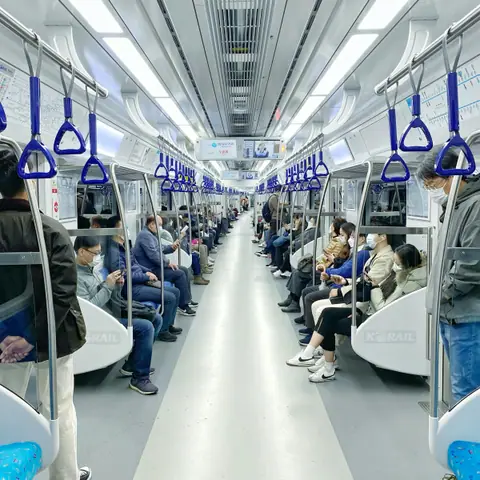
T-money is a reloadable prepaid card, and it is the simplest way to pay for transport. Convenience stores such as GS25, CU and 7-Eleven sell it, and so do the information centres in subway stations. Top it up at the ticket machines inside any station. It works on the subway, city buses, express buses and taxis, and it gives you a transfer discount when you change between bus and subway within a set time window.
When you leave, convenience stores can refund a small remaining balance. Refunds above 50,000 won go through Tmoney Town near Seoul Station. Seoul's Climate Card is a separate unlimited pass, but it can be bought and charged with cash or a card issued in Korea, so a foreign bank card will not work. Our transport guide covers the airport trains and buses.
Bukchon has visiting hours
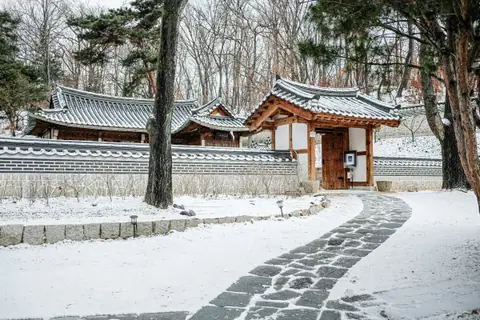
Bukchon Hanok Village is a neighbourhood where families still live in traditional houses. Since 1 March 2025, tourists may enter its red zone, the lanes between Gyeongbokgung and Changdeokgung, during daytime hours and not in the evening or early morning. Anyone who enters for sightseeing outside those hours can be fined. The rule came in because residents complained about noise and litter.
Walk quietly, keep away from doors and gates, and take your rubbish with you. Our palaces guide shows how to fit Bukchon between two palace visits so that you pass through at the right time.
Laws that visitors should know
- Carry identification. It is a legal requirement in South Korea, although people are rarely asked to show it. A passport is the simplest choice.
- Stay out of politics. Foreign nationals may not take part in political activities, so keep clear of demonstrations.
- Take drug laws seriously. Penalties include long jail sentences, even for a small amount of cannabis. The UK advice says British nationals have been detained on the basis of drug tests alone.
- Know what the sirens mean. The authorities hold civil emergency exercises announced by sirens. Traffic stops, and people may be asked to go into metro stations or basements. You do not have to take part, but follow officials' instructions.
Safety, weather and current events
Crime against foreigners is rare. The UK advice does note assaults, including sexual assaults, around bars and nightlife areas, so use licensed taxis or public transport when you head home late. Tensions with North Korea can change with little notice and may rise after missile tests or during joint South Korean and US military exercises. When that happens, tours to the border can be cancelled at short notice, as our DMZ and day trips guide explains.
Typhoon season normally runs from June to November, and the rainy season brings heavy downpours in early summer. Strong earthquakes are unusual and most are weak. The Korea Meteorological Administration publishes forecasts and earthquake information. The UK government's advice, still current in November 2026, carries a wider warning too: the conflict in the Middle East has closed airspace and disrupted flights well outside the region. Check your airline and any transit country before you fly.
Etiquette at palaces and markets
The royal palaces give free entry to visitors in hanbok, the traditional dress, but the rules are strict. You need a proper top and a separate skirt or trousers, with ties and buttons fastened and legs covered. Mixing a hanbok top with jeans or a T-shirt does not count, and revealing styles are refused.
Market food alleys are crowded, and diners sit shoulder to shoulder at the stalls. Order, eat and give up your seat for the next person, especially at mealtimes and on weekends, when waits are common. Our street food guide lists the markets that suit a short visit and the dishes to order at each.
How many days to plan
Three days cover the palaces, two markets, Namsan and one modern district at an easy pace. Five days leave room for Seongsu, a walk along Cheonggyecheon and the Han River parks. With a week, add a day at Suwon's fortress or a guided DMZ tour. Leave at least one evening free, because the markets and Hongdae are at their liveliest after dark.
Where it is
- 1Seoul
- Seoul Gimpo International Airport (GMP) · about 17 km from Seoul in a straight line
- Directions in Google Maps
Stations and taxi ranks: OpenStreetMap. Airports: OurAirports. Distances are in a straight line.
Traveller tips
Real advice from people who have been to Seoul. Every tip is read by our team before it goes live.
No tips yet. Been here? Yours could be the first.
Thank you! Your tip will appear here after a quick review.
More in Seoul
Continue exploring Seoul with related neighbourhood, food, and planning guides