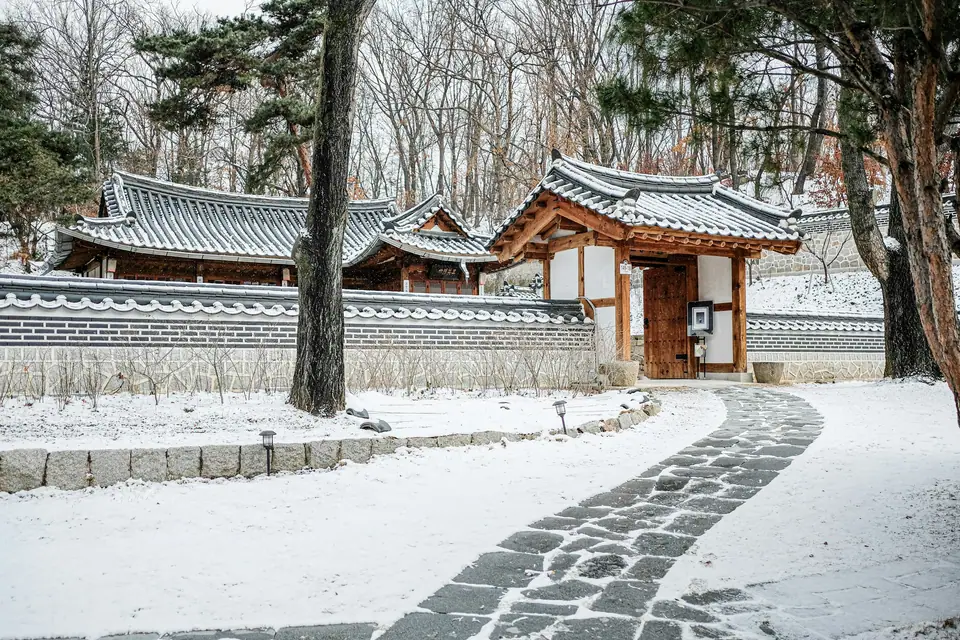
Photo by SingSing Wade Kim on Unsplash
What to Wear in Seoul
Seasonal packing for Seoul based on official temperatures, with the palace hanbok rules, rain gear for summer and what to wear at the DMZ and on Bukhansan.
Short answer: pack layers for spring and autumn, light clothes and real rain gear for July and August, and a warm winter coat for January. Bring comfortable walking shoes in every season, because a Seoul day means long distances in the palaces and on subway stairs. If you want free palace entry in hanbok, follow the official dress rules exactly.
Start with the season
The official climate averages for Seoul, from the Korea Meteorological Administration, show a city with wide swings between seasons. January highs average about 2.1°C, with lows near -5.5°C. In August, highs reach about 30.0°C and lows stay near 22.9°C. Spring and autumn sit between the two, and both can feel warm by day and cool after dark.
Check our best time to visit guide for the full figures. Then pack for the month you have chosen rather than for an average year.
Spring and autumn layers
In April, highs average about 17.9°C and lows about 8.0°C. October is similar, with highs of about 20.2°C and lows of about 10.6°C. Those gaps call for layers.
- A light jacket or a thin padded coat for mornings and evenings.
- A sweater or fleece that fits under the jacket.
- Long trousers or a skirt with tights for evenings on Namsan or by the river.
- T-shirts or thin shirts for warm afternoons.
Autumn is the season for walks in the palace gardens and on Bukhansan, so add a warmer layer if you plan to be out at sunset or up on a ridge.
Summer: heat and heavy rain
July and August are hot, humid and wet. July averages about 414.4 mm of rain and humidity of about 76.2%, and August brings about 348.2 mm. The rainy season starts in late June and lasts about 30 days on average, and the typhoon season runs from June into the autumn.
- Light, breathable clothing that dries quickly.
- A compact umbrella and a waterproof jacket.
- Sandals or shoes that cope with wet pavements, plus a spare pair of socks.
- A small towel and a waterproof bag for your phone.
- A thin layer for air-conditioned trains, museums and malls.
Winter: proper cold
Seoul winters are cold and dry. January lows average about -5.5°C, and January precipitation is about 16.8 mm, so little rain or snow falls. Wind on the observation decks of N Seoul Tower, about 480 metres above sea level, makes it feel colder.
- A warm, windproof coat that covers your hips.
- A hat, gloves and a scarf.
- Thermal underlayers for long days outside.
- Waterproof shoes with a good grip for icy steps.
Hanbok and the palace rules
The Korea Heritage Service gives free palace admission to visitors who wear hanbok, the traditional dress. Both traditional and modernised hanbok qualify, but the details matter.
- You must wear a jeogori, the jacket-style top, with a separate skirt or trousers. A long overcoat alone does not count.
- Ribbon ties and buttons on the jeogori must stay fastened.
- T-shirt-style hanbok does not qualify.
- Skirts or trousers must cover the legs.
- Mixing hanbok with everyday clothes, such as a jeogori with jeans, does not count.
- Revealing styles are refused, and staff can turn away anyone dressed inappropriately.
Our palaces guide covers the palaces and their closing days, so you can plan a hanbok day on a date when the palace is open.
Temples, shrines and the DMZ
Seoul's temples are active places of worship. Jogyesa is the head temple of the Jogye Order of Korean Buddhism, and Bongeunsa runs a templestay programme with dawn services and meditation. Dress modestly when you visit, with shoulders covered and no very short skirts or shorts, and keep your voice low in the halls.
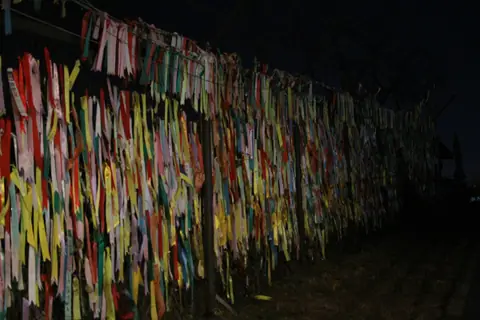
DMZ tours have their own rules. The Korea Tourism Organization notes that visitors may face limits on clothing, photography and access, and must follow the guide's instructions on site. Ask your tour company about its dress code when you book, and bring your passport, which is needed to enter sites beyond the Civilian Control Line. Our day trips guide has the details.
Shoes for a city of hills and stairs
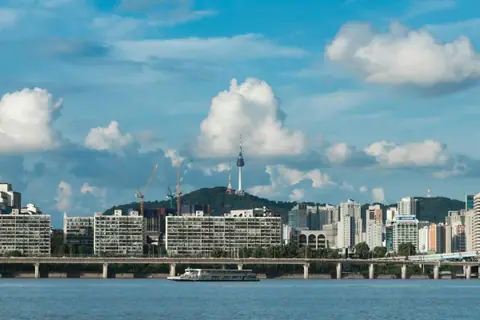
Seoul is a city of long walks. The palaces cover large grounds, Changdeokgung alone sits on a site of 57.9 hectares, and Namsan rises to 262 metres in the middle of town. Subway stations have long corridors and many stairs between exits. Bring broken-in walking shoes with cushioned soles, and a second pair in case one gets wet.
If you plan to hike in Bukhansan National Park, pack proper hiking shoes. The park is rugged, and its top, Baegundae, reaches 836.5 metres. Easier trails exist, but they still involve rock and steps.
A daypack that works
- Your passport or another form of identification, which you are required to carry.
- A T-money card for subways, buses and taxis.
- A phone with NAVER Maps installed and a power bank.
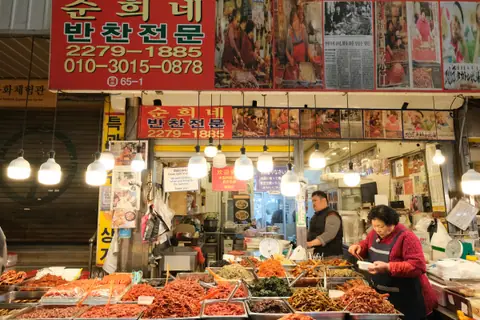
- Some cash for market stalls, plus a card.
- Tissues, hand sanitiser and a reusable water bottle.
- An umbrella in summer, gloves in winter.
Leave room for shopping
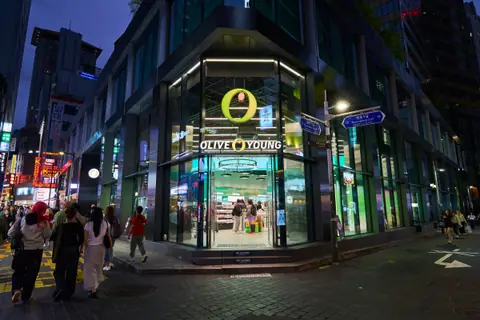
Many visitors come home with more than they brought. Myeongdong is packed with Korean cosmetics stores and fashion outlets, Insadong sells crafts and folk art, and Seongsu has workshops and pop-up stores, including a street of handmade shoes. Pack a foldable bag, leave space in your suitcase, and see our things to do list for where each district sits.
A day trip outfit
Day trips add their own demands. On Nami Island, the ferry dock is a 30-minute walk from Gapyeong Station, and the island's lanes are made for walking, so comfortable shoes matter. Suwon's fortress walls run for 5.74 kilometres. For the DMZ, choose neat, practical clothes and follow your operator's rules. In each case, carry a light rain layer from June to November, when the typhoon season can bring sudden changes.
Quick packing list by month
- December to February: a heavy coat, thermals, a hat, gloves and grippy shoes.
- March to May: a light jacket, layers and a scarf for cool evenings.
- June to August: breathable clothes, an umbrella, a rain jacket and quick-drying shoes.
- September to November: layers, a warmer jacket for late in the season and hiking shoes for Bukhansan.
Weather by month
Seoul is warmest in August, with average highs around 29°C, and coldest in January, when nights drop to about -7°C. July is the wettest month by rainfall (310 mm), with rain on about 18 days. For mild weather with fewer rainy days, aim for October.
| Month | Low | Range | High | Rain | Rainy days |
|---|---|---|---|---|---|
| Jan | -7°C | 2°C | 18 mm | 3 d | |
| Feb | -5°C | 5°C | 26 mm | 5 d | |
| Mar | 0°C | 12°C | 40 mm | 6 d | |
| Apr | 6°C | 18°C | 64 mm | 7 d | |
| May | 12°C | 23°C | 106 mm | 8 d | |
| Jun | 18°C | 27°C | 121 mm | 10 d | |
| Jul | 22°C | 29°C | 310 mm | 18 d | |
| Aug | 23°C | 29°C | 260 mm | 16 d | |
| Sep | 17°C | 25°C | 131 mm | 9 d | |
| Oct | 9°C | 19°C | 76 mm | 6 d | |
| Nov | 2°C | 11°C | 59 mm | 7 d | |
| Dec | -5°C | 3°C | 26 mm | 5 d |
Averages of daily values from 2015 to 2024. Rainy days are days with at least 1 mm of rain. Source: Open-Meteo · Compare destinations by month.
Where it is
- 1Seoul
- Seoul Gimpo International Airport (GMP) · about 17 km from Seoul in a straight line
- Directions in Google Maps
Stations and taxi ranks: OpenStreetMap. Airports: OurAirports. Distances are in a straight line.
Traveller tips
Real advice from people who have been to Seoul. Every tip is read by our team before it goes live.
No tips yet. Been here? Yours could be the first.
Thank you! Your tip will appear here after a quick review.
More in Seoul
Continue exploring Seoul with related neighbourhood, food, and planning guides