Arriving in Washington DC: Reagan National (DCA), Dulles (IAD) Silver Line, BWI MARC, Union Station & SmarTrip
How to choose between DCA, Dulles, and BWI airports, arrive at Union Station by rail, and pay on the Metro.
Washington DC is served by three major commercial airports spread across Virginia and Maryland, plus a major intercity rail hub at Union Station. Distances from the runway to the National Mall range from 4 miles at Reagan National to 32 miles at Baltimore/Washington International. Checking the three-letter airport code on your ticket before booking a flight saves up to an hour of ground transit and significant taxi fares.
Reagan National (DCA) vs Dulles (IAD) vs Baltimore/Washington (BWI)
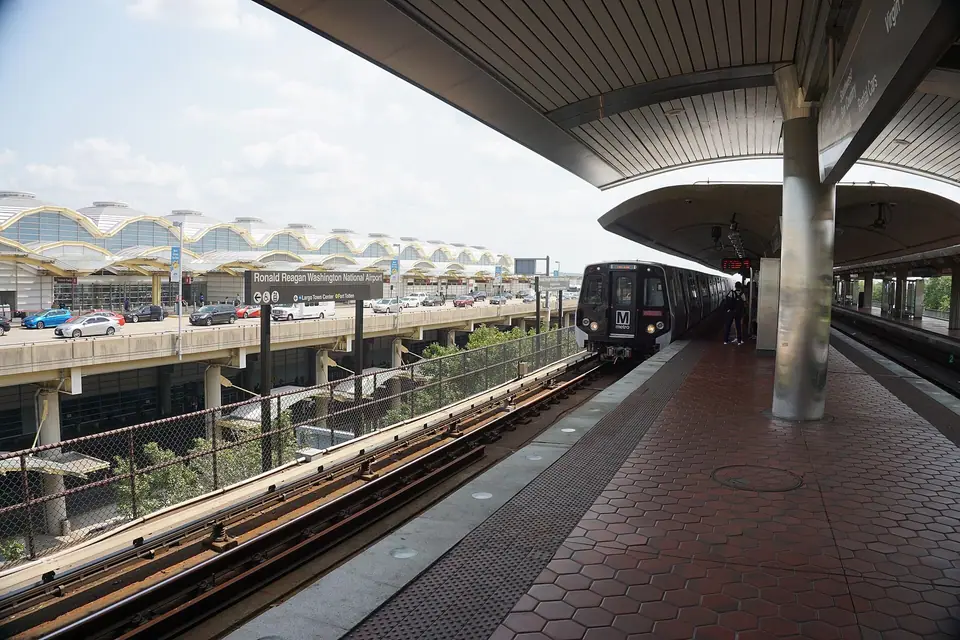
- Ronald Reagan Washington National Airport (DCA, 4 miles / 6.4 km south in Arlington, Virginia). Reagan National is the fastest and most convenient airport for domestic arrivals. DCA sits directly across the Potomac River from Southwest DC under a federal 1,250-mile perimeter rule (with select long-haul exemptions and pre-cleared flights from Canada). North-landing flights follow the famous River Visual Runway 19 approach banking past the Lincoln Memorial and Washington Monument. Enclosed pedestrian skybridges link Terminal 1 and Terminal 2 directly to the elevated Ronald Reagan Washington National Airport Metrorail Station. WMATA Yellow Line trains cross the Potomac bridge to reach L'Enfant Plaza in 11 minutes and Gallery Place-Chinatown in 15 minutes. Blue Line trains curve through Rosslyn to reach Foggy Bottom-GWU, Farragut West, and Metro Center in 15 to 18 minutes.
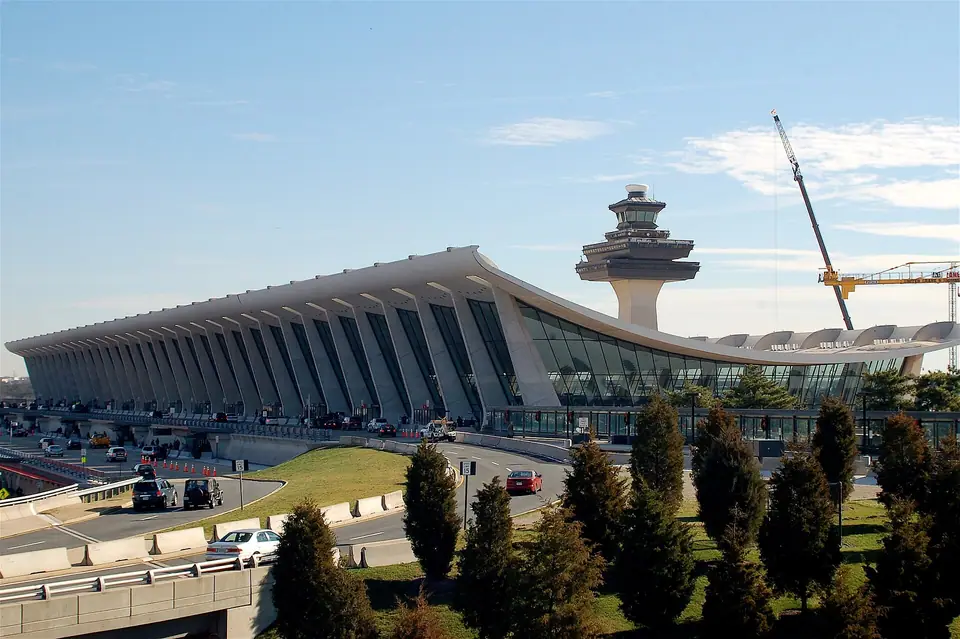
- Washington Dulles International Airport (IAD, 26 miles / 42 km west in Dulles, Virginia). Opened in 1962 with a sweeping concrete-and-cable main terminal designed by Finnish-American architect Eero Saarinen, Dulles is the region's primary intercontinental gateway. Non-stop flights arrive here from Europe, Asia, Africa, South America, and the Middle East. Since 15 November 2022, the 11.4-mile Phase 2 extension of the WMATA Metrorail Silver Line has connected Dulles directly to downtown Washington without changing trains. Follow the indoor underground moving walkway (a 5-minute walk from Baggage Claim) to Dulles Airport Station. Silver Line trains depart every 10 to 12 minutes for standard Metrorail fare. Ride times are 44 minutes to Rosslyn, 47 minutes to Foggy Bottom-GWU, 53 minutes to Metro Center, and 58 minutes to L'Enfant Plaza. Taxis and rideshares use the dedicated 14-mile Dulles Airport Access Highway (35 to 50 minutes outside rush hour, though costing many times the rail fare).
- Baltimore/Washington International Thurgood Marshall Airport (BWI, 32 miles / 51 km northeast in Maryland). Named after Supreme Court Justice Thurgood Marshall, BWI serves as a major low-cost and domestic hub between Washington and Baltimore. Free airport shuttle buses depart the terminal curb every 6 to 10 minutes for the 8-minute ride to the BWI Marshall Rail Station. From the rail platforms, MARC Penn Line commuter trains operate seven days a week, with frequent weekday service. Both MARC and Amtrak Northeast Regional trains run directly south into Washington Union Station in 30 to 35 minutes.
Arriving by Amtrak at Washington Union Station
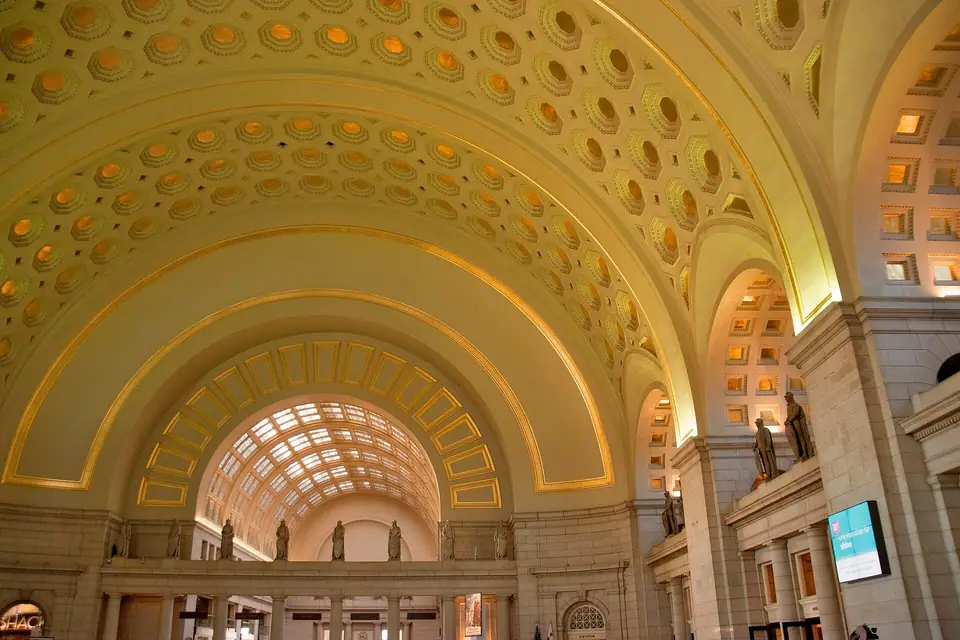
Between Washington DC and Baltimore, Philadelphia, New York, or Boston, the train consistently beats flying once airport security is counted. Opened in October 1907 by architect Daniel Burnham, Washington Union Station sits at 50 Massachusetts Avenue NE, five blocks north of the Capitol. Its 96-foot-high barrel-vaulted Main Hall, modelled on the Roman Baths of Diocletian and the Arch of Constantine, anchors the southern end of Amtrak's electrified Northeast Corridor. It also houses its own underground WMATA Red Line station.
High-speed Amtrak Acela trains link Union Station to Baltimore Penn Station in 35 minutes. They reach Philadelphia 30th Street Station in 1 hour 35 minutes (1 hour 55 minutes on Northeast Regional trains). Acela reaches New York Penn Station in 2 hours 45 minutes, while Northeast Regional trains take 3 hours 15 minutes. Trains continue north to Boston South Station in 6 hours 40 minutes. Union Station also serves Maryland's three MARC commuter lines and the Virginia Railway Express (VRE) to Old Town Alexandria, Fredericksburg, and Manassas.
WMATA Metrorail, contactless tap-to-pay, and mobile SmarTrip
Opened in March 1976 with monumental coffered concrete station vaults designed by architect Harry Weese, the WMATA Metrorail network spans 128 miles and 98 stations. Trains run across six colour-coded lines: Red, Blue, Orange, Silver, Green, and Yellow. Four practical transit rules make city travel straightforward:
- Contactless bank cards and mobile SmarTrip (May 2025 upgrade). You no longer need to buy a plastic card at a station machine unless loading a multi-day pass. Since May 2025, every Metrorail faregate accepts contactless Visa, Mastercard, American Express, and Discover credit or debit cards, Apple Pay, and Google Pay. Metrorail fares vary by distance and time of day. Every passenger must tap in at entry AND tap out at exit using the same card or device (one card per rider). You can also add a virtual SmarTrip card inside Apple Wallet or Google Wallet for 1-Day, 3-Day, or 7-Day Unlimited Passes and Metrobus fares.
- Permanent closure of the DC Circulator (31 December 2024). Many older guides still mention the red DC Circulator buses for the National Mall and Georgetown. The District Department of Transportation permanently discontinued the entire DC Circulator network on 31 December 2024.
- Reaching Georgetown without a Metro station. Georgetown has no underground Metrorail stop. Ride the Blue, Orange, or Silver Line to Foggy Bottom-GWU or Rosslyn Station and walk 12 to 15 minutes (crossing the 1923 Key Bridge from Rosslyn). You can also board frequent WMATA Metrobus routes 31, 33, or 38B along Pennsylvania Avenue and M Street NW.
- Capital Bikeshare on the National Mall. More than 700 docking stations and 6,000 red classic bikes and black pedal-assist e-bikes unlock via the Capital Bikeshare or Lyft app. Cycling along the paved Mall roadways and around the Tidal Basin is the quickest way to link the memorials. Riders must dismount inside the immediate stone plazas of the Lincoln, Jefferson, WWII, and Vietnam memorials. Compare station access by district in our where to stay guide and regional rail trips in our day trips guide.
Where it is
- 1Washington DC
- Ronald Reagan Washington National Airport (DCA) · about 6 km from Washington DC in a straight line
- Directions in Google Maps
Stations and taxi ranks: OpenStreetMap. Airports: OurAirports. Distances are in a straight line.
Traveller tips
Real advice from people who have been to Washington DC. Every tip is read by our team before it goes live.
No tips yet. Been here? Yours could be the first.
Thank you! Your tip will appear here after a quick review.
More in Washington DC
Continue exploring Washington DC with related neighbourhood, food, and planning guides
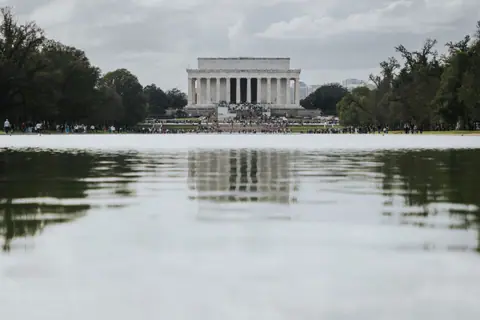
National Mall & Tidal Basin Walk: Washington Monument, WWII, Lincoln, Vietnam, MLK & Jefferson Memorials
Washington DC, United States
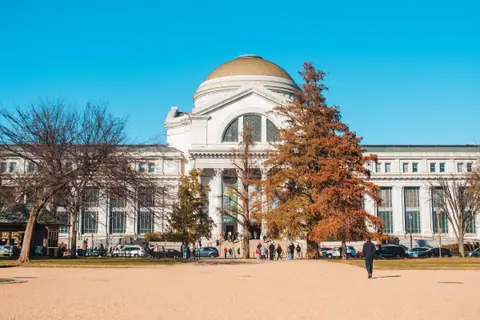
Smithsonian Museums & National Gallery Guide: Mandatory Timed Passes, Hope Diamond, Air & Space & Udvar-Hazy
Washington DC, United States
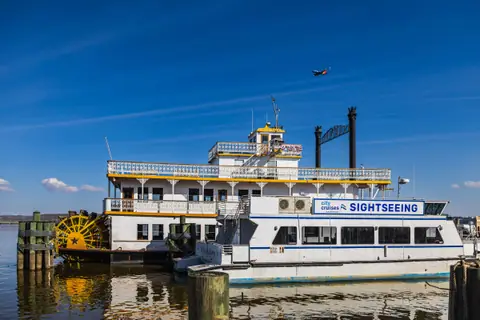
Day Trips from Washington DC: Old Town Alexandria, George Washington's Mount Vernon, Annapolis & Baltimore
Washington DC, United States
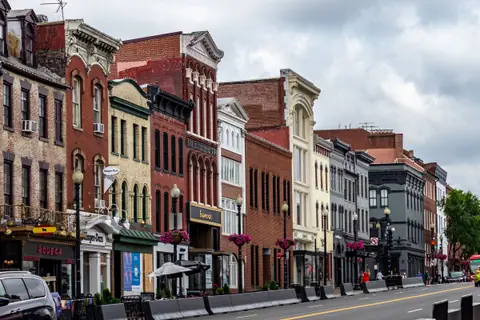
Where to Stay in Washington DC: Penn Quarter, Dupont Circle, Georgetown, Capitol Hill & The Wharf Compared
Washington DC, United States
