What to Wear in Washington DC: Walking Shoes for Marble Monuments, Humid Summers & Capitol Security Rules
How to dress for 8-mile marble and gravel walks, humid July afternoons, and strict Capitol Hill security scanners.
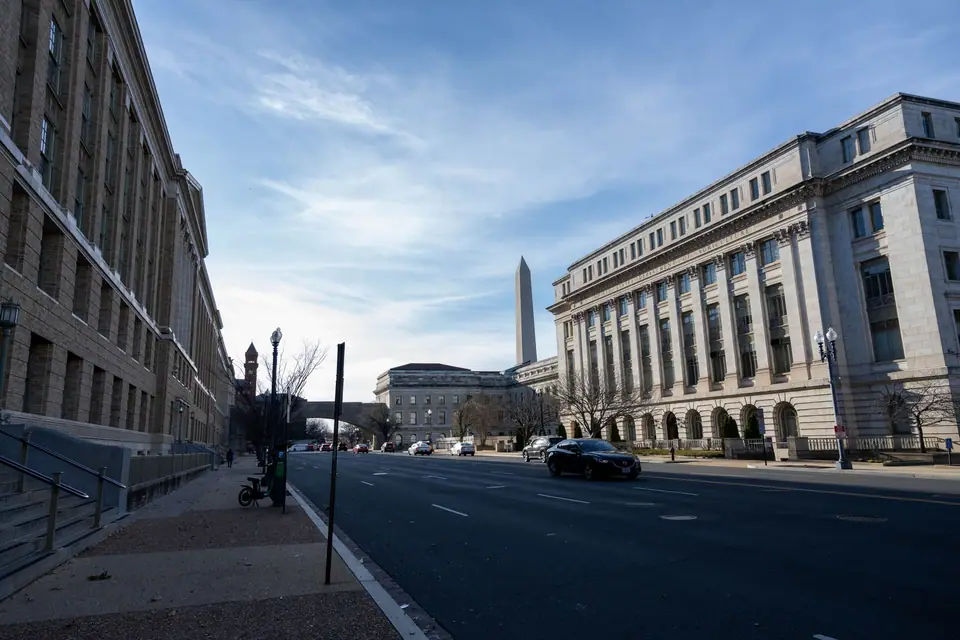
On weekday mornings around Farragut Square, K Street NW, and Capitol Hill, Washington DC looks like a city of dark suits and congressional lanyards. As a visitor, you can ignore the political dress code completely. Neat, comfortable walking clothes are welcome inside every Smithsonian museum, the US Capitol, the Library of Congress, and the National Gallery of Art. Neighbourhood bistros and evening performances at the Kennedy Center or Shakespeare Theatre Company require nothing stiffer than smart-casual trousers or a simple dress. Three practical factors shape what to pack for the capital. First is shoe cushioning across miles of stone and gravel. Second is layering for the 15°C temperature swing between humid avenues and chilled museums. Third is compliance with strict bag and liquid rules at federal security checkpoints.
Footwear for 8-to-10-mile days on gravel, marble, and brick
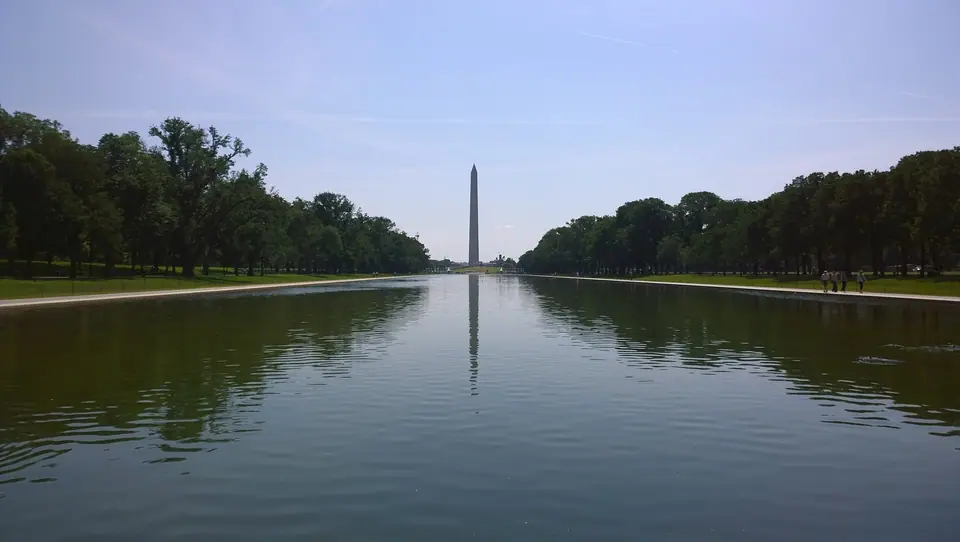
Even visitors who ride the WMATA Metrorail log 8 to 10 miles (13 to 16 kilometres, or 18,000 to 22,000 steps) a day in Washington. The National Mall between 3rd Street and 14th Street is surfaced with compacted crushed limestone and granite gravel. That surface coats shoes in pale dust during dry spells and holds shallow puddles after summer rain. At the western end of the Mall, you climb 87 marble steps from the Reflecting Pool up to the Lincoln Memorial chamber. Inside the National Gallery of Art and the Smithsonian museums, you stand for hours on hard Georgia, Tennessee, and Colorado marble or granite floors.
Step off the Mall into 1751 Georgetown, Capitol Hill, or Old Town Alexandria. Here the surface shifts to uneven 18th- and 19th-century red-brick pavements buckled by oak roots. You also cross river cobblestones on Prince Street and the 75 steep stone steps of Georgetown's Exorcist Steps. Deep underground Metro stations such as Dupont Circle (188-foot escalator) and Rosslyn (194 feet) feature grooved steel treads. Wheaton Station holds a 230-foot escalator, the longest single-span escalator in the Western Hemisphere. Pack two pairs of broken-in, rubber-soled walking trainers or cushioned walking shoes to rotate on consecutive days. Leave thin-soled sandals, flip-flops, and stiff new leather boots at home, and tuck blister plasters into your daypack.
Strict bag and liquid rules at the US Capitol
Every major civic building and museum in Washington screens visitors at the entrance. Carrying the wrong bag or bottle on a Capitol Hill morning can cost you your timed reservation because luggage storage lockers are unavailable at the monuments:
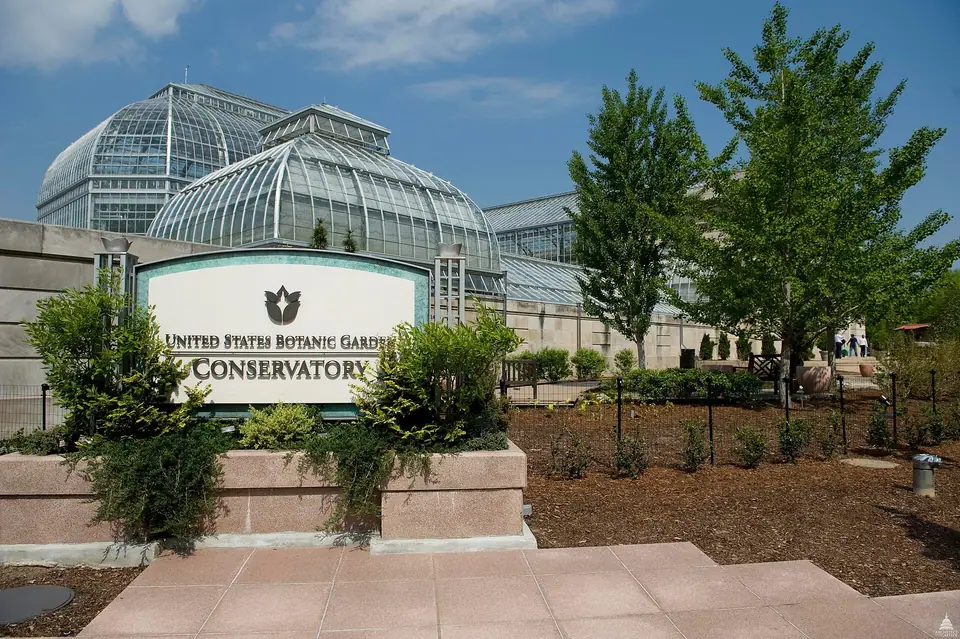
- US Capitol Visitor Center & Library of Congress Tunnel (Strictest Rules). Every visitor passes through airport-style magnetometers and X-ray machines, and there is no coat check or bag storage at the Capitol. Any bag, backpack, or purse larger than 18 by 14 by 8.5 inches (45.7 × 35.5 × 21.6 cm) is strictly barred. Even more importantly, all liquids (including plain water), food, snacks, aerosols, pocketknives, and tripods are prohibited inside the US Capitol. You may bring an empty reusable water bottle provided that it is completely dry before you enter the security queue. Most visitors walk straight through the underground tunnel from the Capitol tour into the Library of Congress. Your daypack must therefore meet the Capitol's zero-liquid, zero-food rule all morning.
- Smithsonian Museums & National Gallery of Art. All 17 local Smithsonian museums use contactless walk-through weapons-detection scanners and bag inspections. Bags exceeding 17 by 26 inches (43 × 66 cm), wheeled suitcases, selfie sticks, and tripods are prohibited. Most Smithsonian buildings no longer operate public coat rooms. The National Gallery of Art still runs a free checkroom at its West and East Building entrances. Unlike the Capitol, Smithsonian museums allow water bottles and provide free chilled bottle-refill stations near the restrooms.
- White House Tours & Arlington National Cemetery. On a White House tour, zero bags, purses, backpacks, strollers, food, liquids, or interchangeable-lens cameras are allowed. Bring your phone, wallet, and passport or photo ID in your pockets. At Arlington National Cemetery, visitors aged 16 and older must show a government photo ID or passport at the Welcome Center security check. Respectful dress is expected at the Tomb of the Unknown Soldier. Visitors remove hats during the Changing of the Guard and the playing of Taps.
Seasonal clothing: summer humidity, museum AC, and winter wind
Check our best time to visit guide for monthly temperatures, then pack around these seasonal rules:
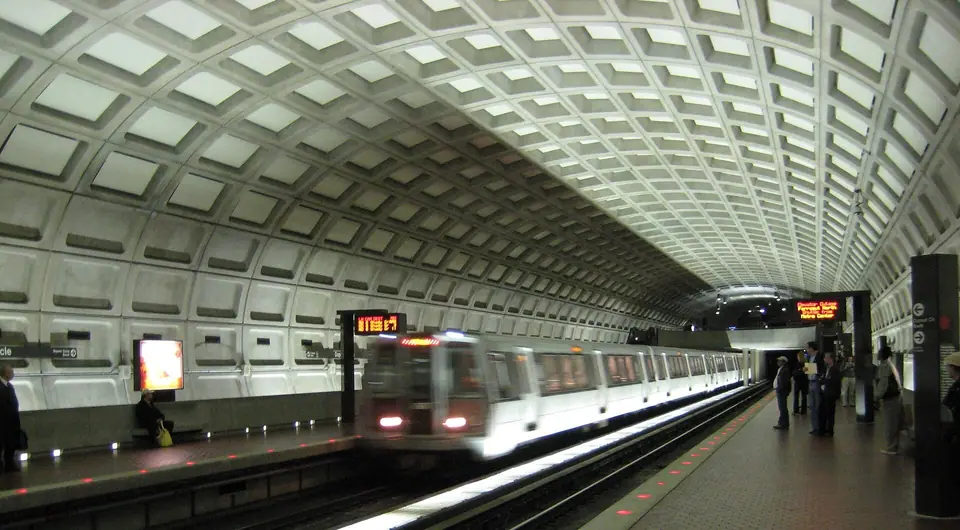
- Summer (June to August, Highs 29°C to 32°C / 84°F to 90°F). High humidity and radiant glare off white marble plazas push afternoon heat indices past 36°C (97°F). Wear loose linen or moisture-wicking cotton shirts, lightweight shorts or trousers, UV sunglasses, and a wide-brimmed sun hat. Apply lotion sunscreen rather than aerosol sprays on Capitol Hill days. Crucially, pack one lightweight cardigan or overshirt inside your daypack even in July. Smithsonian galleries keep delicate historical textiles like the 1814 Star-Spangled Banner at 20°C (68°F). Moving from 33°C humidity into chilled halls five times a day quickly feels cold. Carry a compact umbrella for 16:00 thunderstorms.
- Spring (March to May) and Autumn (September to November). Early morning cherry blossom walks around the Tidal Basin in late March often start at 3°C to 6°C (37°F to 43°F). Afternoon temperatures then warm to 18°C (64°F). October mornings in Dupont Circle and Georgetown feel equally crisp before sunny afternoons. Dress in three peelable layers: a breathable T-shirt, a merino wool jumper or fleece, and a windproof rain jacket that folds into a small daypack.
- Winter (December to February, Highs 6°C to 9°C, Lows -2°C to 1°C). Cold northwest winds sweep down the open two-mile National Mall and across the Potomac River. Bring a windproof insulated winter coat, thermal socks, a wool hat, a scarf, and touchscreen gloves for evening monument walks.
Weather by month
Washington DC is warmest in July, with average highs around 31°C, and coldest in January, when nights drop to about -2°C. July is the wettest month by rainfall (176 mm), with rain on about 14 days. For mild weather with fewer rainy days, aim for October.
| Month | Low | Range | High | Rain | Rainy days |
|---|---|---|---|---|---|
| Jan | -2°C | 6°C | 84 mm | 9 d | |
| Feb | -1°C | 9°C | 85 mm | 10 d | |
| Mar | 2°C | 13°C | 95 mm | 10 d | |
| Apr | 8°C | 19°C | 94 mm | 11 d | |
| May | 13°C | 24°C | 128 mm | 13 d | |
| Jun | 18°C | 29°C | 127 mm | 13 d | |
| Jul | 21°C | 31°C | 176 mm | 14 d | |
| Aug | 20°C | 30°C | 158 mm | 14 d | |
| Sep | 17°C | 26°C | 131 mm | 11 d | |
| Oct | 11°C | 20°C | 91 mm | 9 d | |
| Nov | 5°C | 14°C | 83 mm | 8 d | |
| Dec | 1°C | 9°C | 105 mm | 10 d |
Averages of daily values from 2015 to 2024. Rainy days are days with at least 1 mm of rain. Source: Open-Meteo · Compare destinations by month.
Where it is
- 1Washington DC
- Ronald Reagan Washington National Airport (DCA) · about 6 km from Washington DC in a straight line
- Directions in Google Maps
Stations and taxi ranks: OpenStreetMap. Airports: OurAirports. Distances are in a straight line.
Traveller tips
Real advice from people who have been to Washington DC. Every tip is read by our team before it goes live.
No tips yet. Been here? Yours could be the first.
Thank you! Your tip will appear here after a quick review.
More in Washington DC
Continue exploring Washington DC with related neighbourhood, food, and planning guides
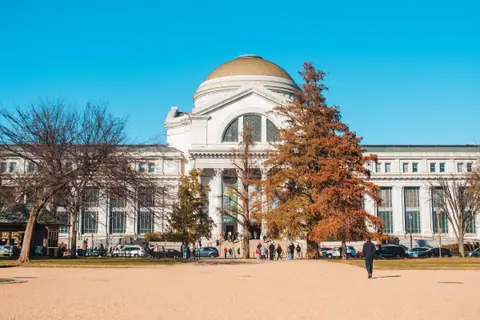
Smithsonian Museums & National Gallery Guide: Mandatory Timed Passes, Hope Diamond, Air & Space & Udvar-Hazy
Washington DC, United States
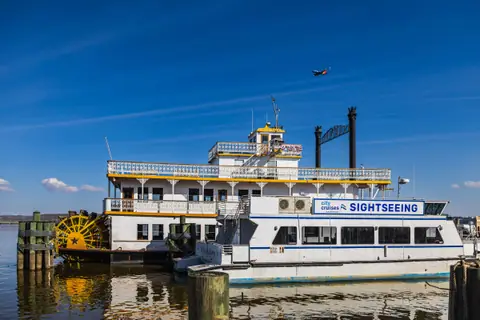
Day Trips from Washington DC: Old Town Alexandria, George Washington's Mount Vernon, Annapolis & Baltimore
Washington DC, United States
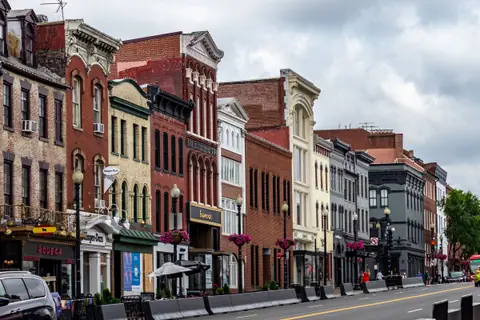
Where to Stay in Washington DC: Penn Quarter, Dupont Circle, Georgetown, Capitol Hill & The Wharf Compared
Washington DC, United States
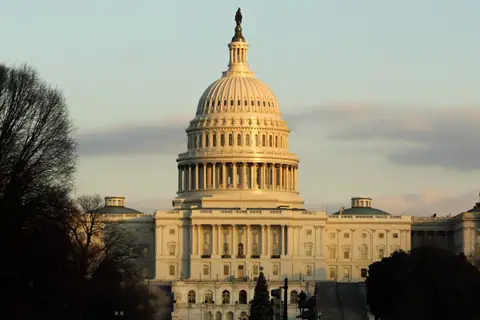
Washington DC 3-Day Itinerary: Capitol Hill, National Mall Monuments, Smithsonian Highlights & Georgetown
Washington DC, United States
