Photo: Marek Śliwecki · CC BY-SA 4.0
Arriving in Wrocław by Rail, Airport Bus and Cashless Trams
Navigating arrival routes into Lower Silesia brings visitors through historic rail platforms and efficient urban transit corridors across the Odra River.
Arriving by Rail at Wrocław Główny
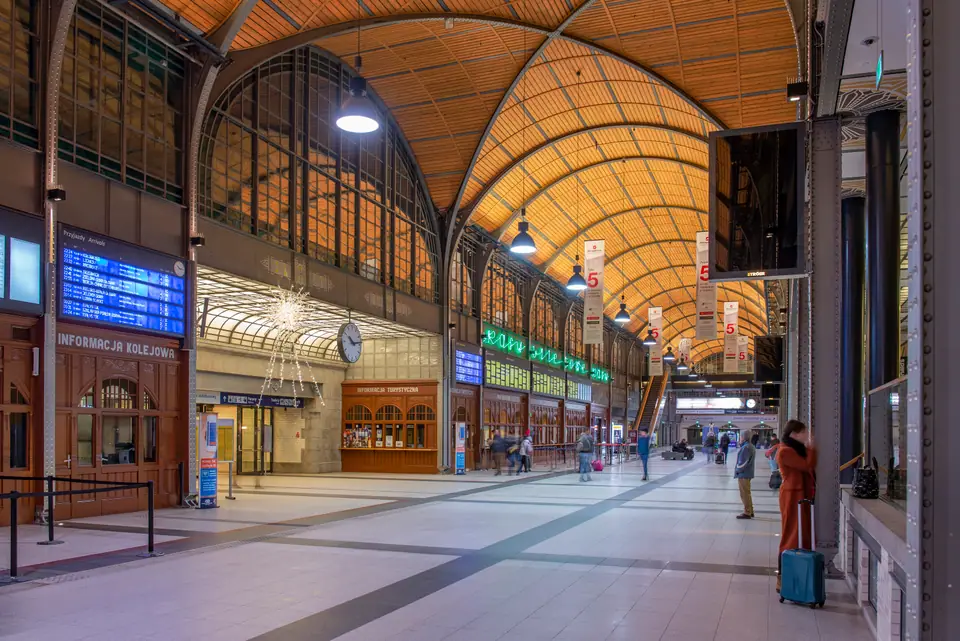
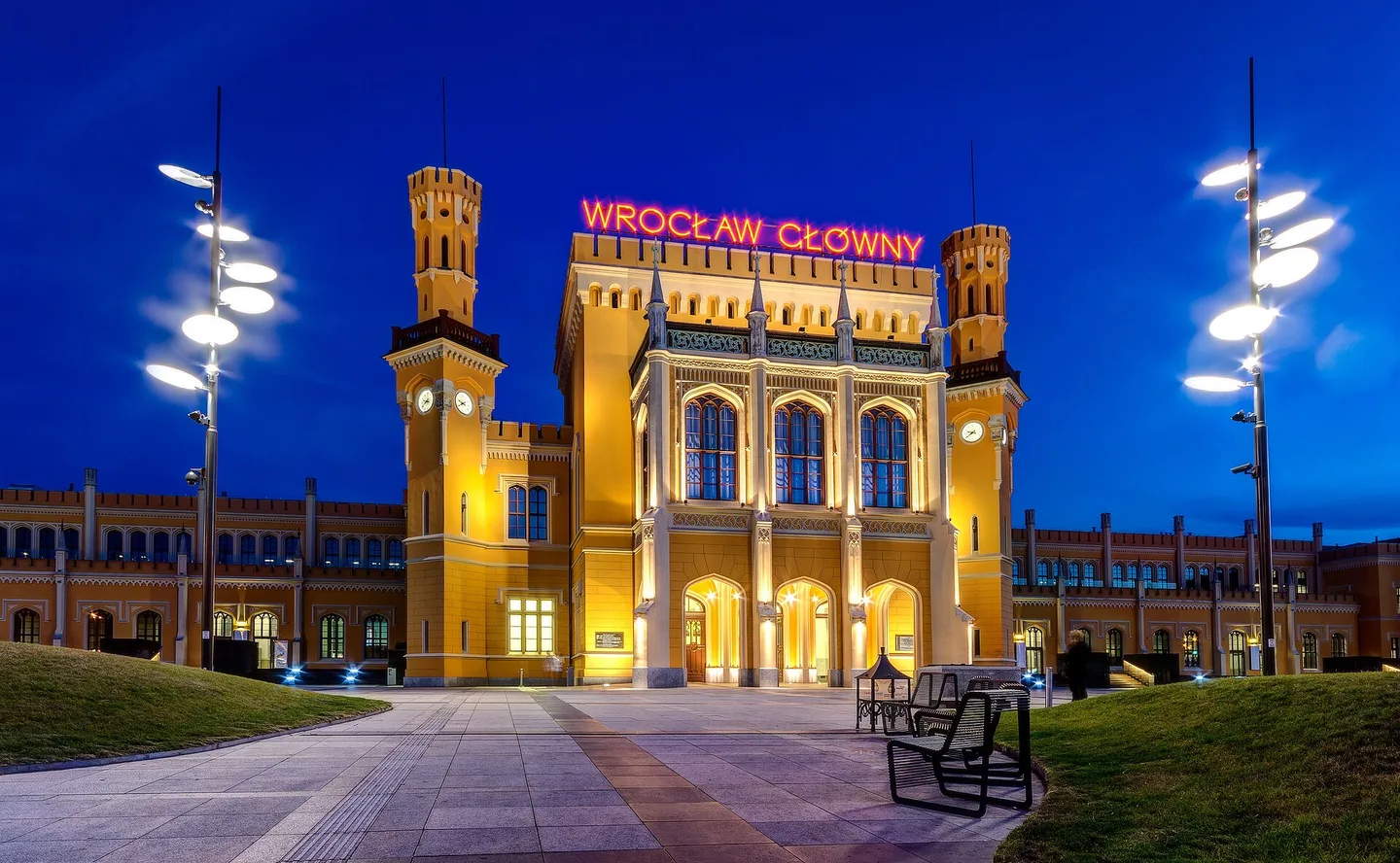
Entering the city by train reveals one of the most distinctive railway architectures in central Europe. The crenellated exterior of Wrocław Główny resembles an English Tudor castle, completed with broad archways and glowing saffron facades. Inside the passenger halls, wide pedestrian tunnels lead straight towards modern high-speed platforms and luggage storage lockers. Stepping through the northern exit brings travellers immediately into the southern edge of the core district, where tram tracks fan out towards every neighbourhood.
The central station acts as the primary junction for regional trains travelling through Lower Silesia as well as long-distance express services. Digital departure boards above the central hall display train numbers clearly, offering smooth interchange options. Travellers heading straight to historic quarters can walk out towards Piłsudskiego street to catch direct urban lines. Match station exits and river island tram stops with Old Town and Nadodrze hotel districts near your lodging.
The passenger building underwent meticulous restoration ahead of major European sporting tournaments. Polished terrazzo flooring and restored timber ticket counters preserve historical continuity throughout the ground concourse. Elevators and escalators serve each elevated platform, allowing easy movement for passengers carrying heavy luggage. Direct connections link the main rail hub with national expressways and southern regional lines.
Airport Transit Connections from Copernicus Airport
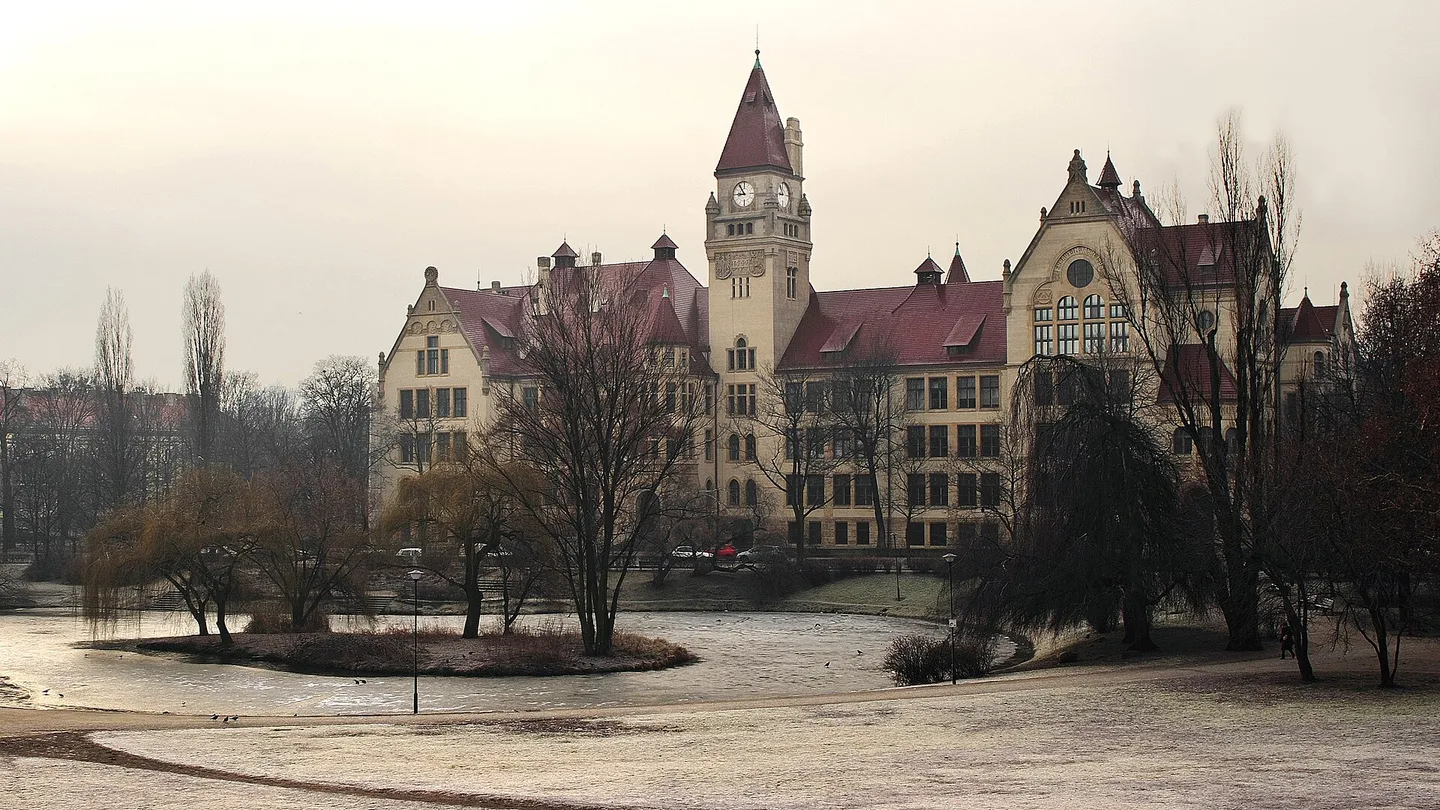
Air arrivals touch down west of the city centre at Wrocław Copernicus Airport, which features a compact single terminal building. Exiting the arrivals hall leads passengers directly towards the marked curbside bus shelters. Municipal bus routes operate regular connections linking the airport terminal straight to the central rail terminus at Wrocław Główny. The bus journey follows broad arterial roads, crossing residential quarters before terminating at the integrated bus station near the tracks.
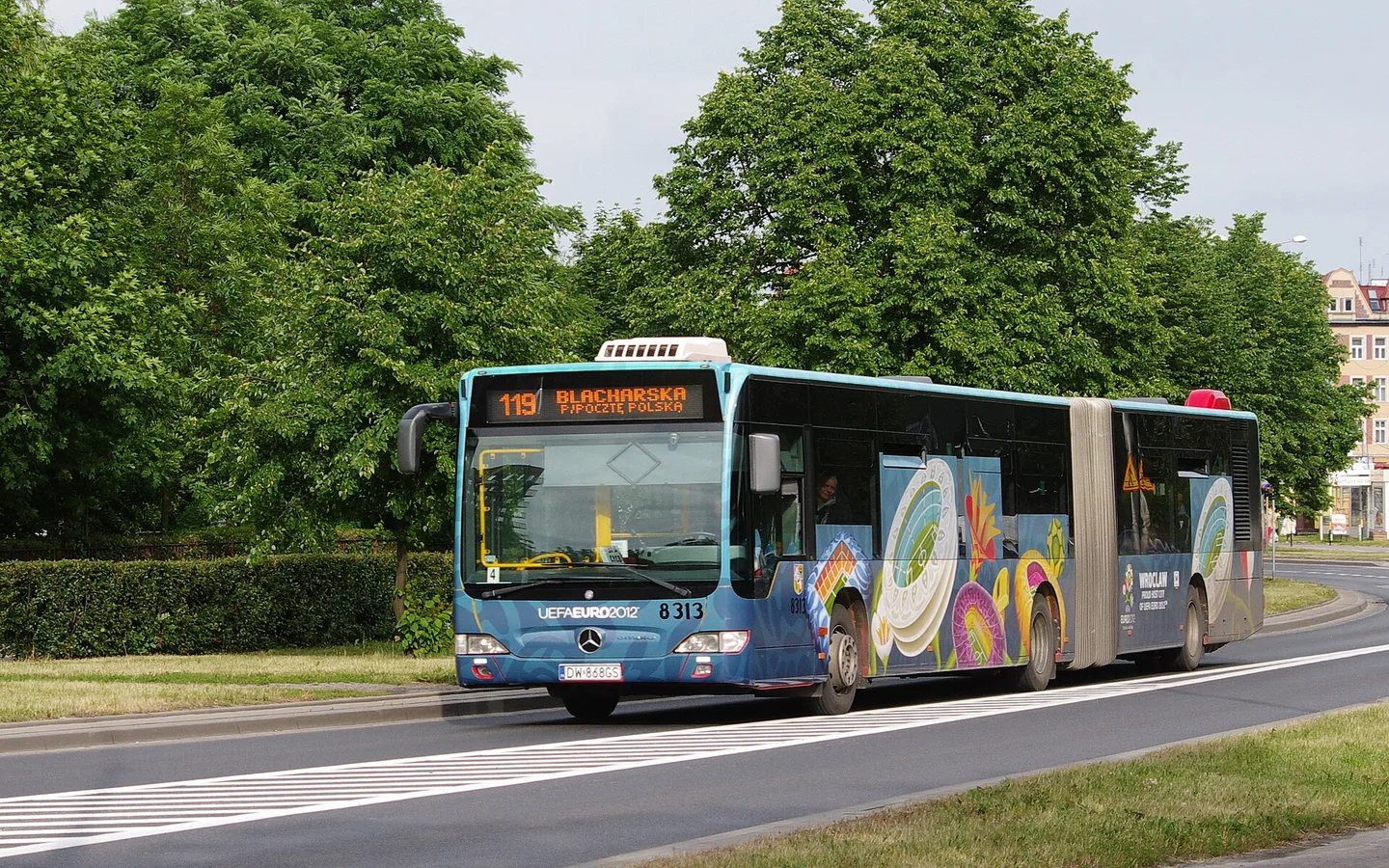
Taking public transit from the airport remains straightforward because onboard ticket machines accept contactless bank cards, removing any need for advance paper purchases. Travellers with heavy rolling bags find low-floor buses easy to board despite tall curbs. Late-night airport coaches also connect directly with municipal nocturnal lines so delayed arrivals still reach central quarters cleanly by public transport.
Express shuttle coaches also depart directly from the forecourt island outside the arrivals exit. These express vehicles take travellers directly towards the central coach station with minimal intermediate stops. Taxis queue at designated ranks outside baggage reclaim, offering clear fixed meter fares. Dedicated ride-hailing collection points sit in the short-stay car park right across the airport terminal entrance.
Navigating the Contactless Tram Network
Wrocław operates an extensive tramway system managed by MPK Wrocław, recognisable by its bright blue carriages running along both modern and historic streets. Onboard payment systems make purchasing travel completely paperless across all municipal lines. Every carriage contains contactless validator terminals mounted near the doors. Passengers select their ticket type on the screen, tap an active debit card or payment device, and receive digital validation directly encoded onto their physical card.
- Select your single-ride or timed urban ticket directly on the touchscreen validator terminal upon boarding.
- Hold your contactless payment card firmly against the scanner until the display turns green to register travel.
- Ticket controllers use secure handheld readers to confirm your transit validity without retrieving personal bank data.
- Validate a fresh ticket whenever boarding a new vehicle unless you travel on an active timed transfer fare.
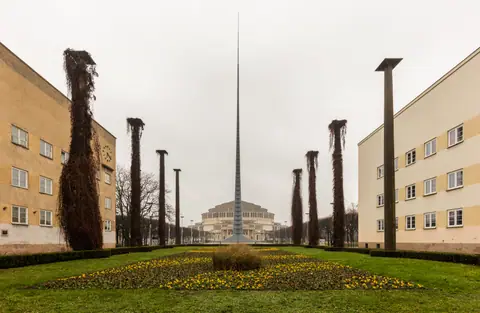
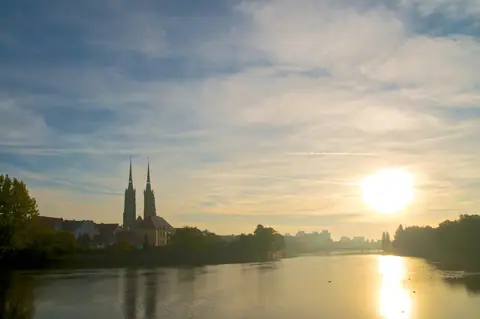
Trams offer swift links across water channels towards major cultural venues. Routes connecting northern districts carry passengers straight to architectural sights, including the modernist complex at Centennial Hall and the riverside grounds around Ostrów Tumski. Historic churches, island footpaths, and market landmarks cluster along Wrocław river islands and Rynek halls across town.
Tram lines cross major transit points including Plac Grunwaldzki and Dominikański square, linking universities and river embankments. Electronic departure displays positioned over platform shelters show real-time arrival estimates for upcoming cars. Modern low-floor rolling stock offers step-free entry along newly reconstructed radial routes.
Walking Sequences and River Crossing Corridors
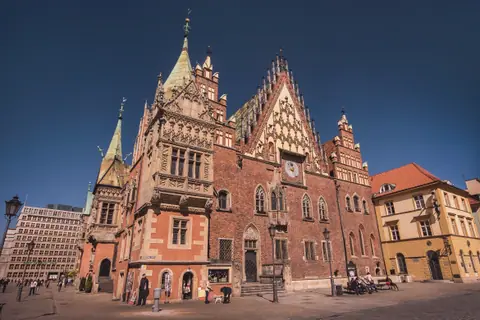
Once you disembark near the central square, footpaths become the most efficient way to explore old trading lanes. Cobbled avenues connect the market square with the Odra islands through a network of riveted iron bridges. Pavements around medieval churches require sturdy footwear, especially during damp autumn mornings or frozen winter days. Pedestrian zones remain strictly separated from vehicle traffic across the old town perimeter, giving walkers quiet passage between quays.
| Transit Corridor | Primary Destination | Pedestrian Connection |
|---|---|---|
| Station Forecourt | Piłsudskiego Tram Hub | Direct stairs to northbound platforms. |
| Old Town Ring | Rynek Market Square | Cobbled pedestrian alleys with tram borders. |
| Odra Riverfront | Ostrów Tumski Bridges | Paved embankments and historic iron crossings. |
Walking between the main station and the Market Square takes roughly twenty minutes along Kołłątaja and Świdnicka streets. This route passes classic city cafes, small squares, and cultural monuments, presenting an enjoyable introduction to the urban layout. Keep an eye out for miniature bronze dwarfs scattered along stone steps and window ledges along the journey.
Several footbridges span channels around Sand Island and Cathedral Island, creating direct links between medieval churchyards and riverside boulevards. Wayfinding signs mounted on street poles mark routes between major tram hubs and museum districts. Flat terrain along the Odra embankments makes walking accessible for visitors carrying modest daypacks across town.
Official prices and opening hours
- Centennial Hall (Hala Stulecia) & Pergola FountainsOfficial site ↗
- Racławice Panorama (Panorama Racławicka)Official site ↗
Where it is
- 1Wrocław
- Copernicus Wrocław Airport (WRO) · about 11 km from Wrocław in a straight line
- Directions in Google Maps
Stations and taxi ranks: OpenStreetMap. Airports: OurAirports. Distances are in a straight line.
Traveller tips
Real advice from people who have been to Wrocław. Every tip is read by our team before it goes live.
No tips yet. Been here? Yours could be the first.
Thank you! Your tip will appear here after a quick review.
More in Wrocław
Continue exploring Wrocław with related neighbourhood, food, and planning guides