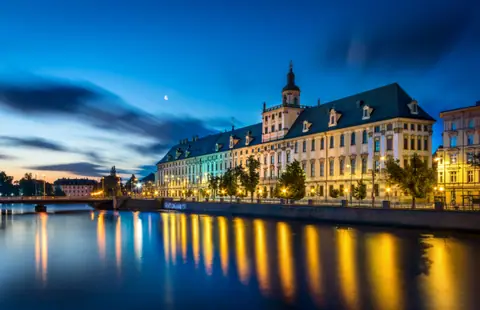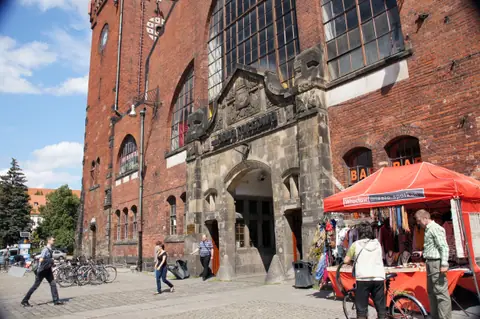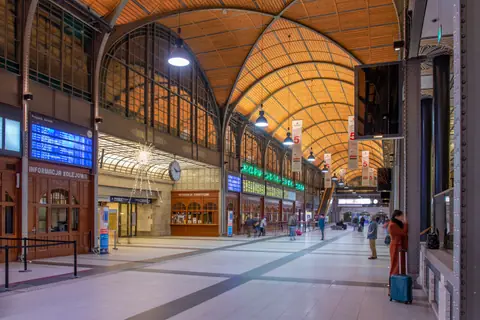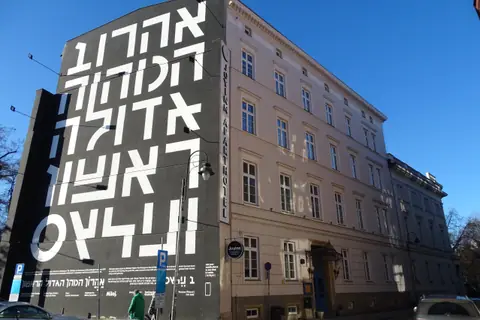
Photo: Barbara Maliszewska · CC BY-SA 3.0 pl
Lwów's 114-Metre Cyclorama and the Krasnale Trail
We explore the colossal canvas of the Racławice Panorama and trace bronze dwarf sculptures across Wrocław's historic centre.
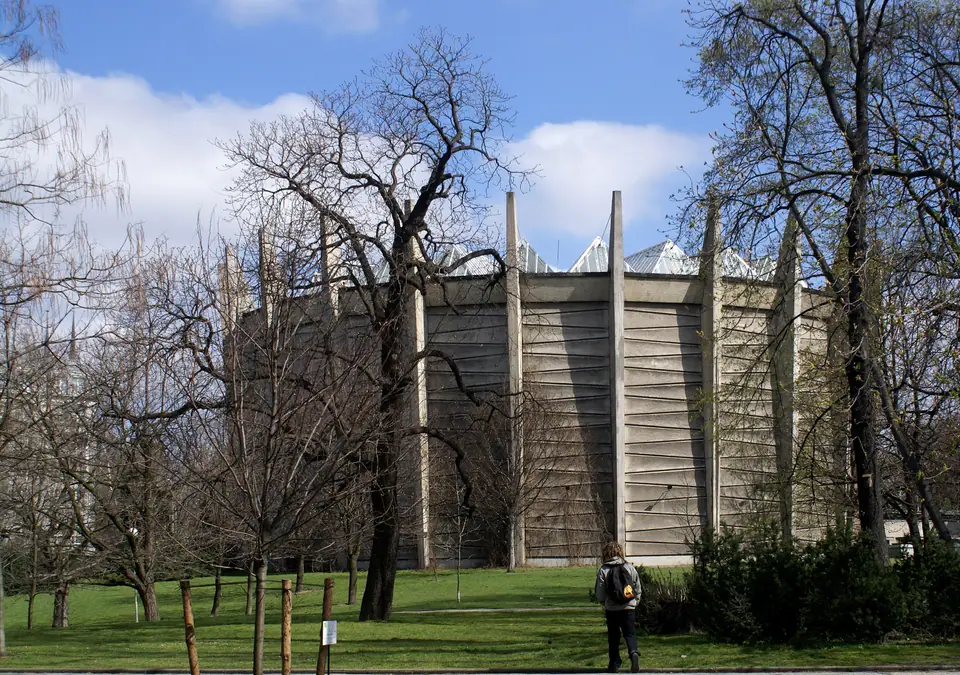
Wrocław holds an extraordinary visual heritage that stretches from heroic historical painting to subversive street sculpture. The circular rotunda housing the Racławice Panorama stands in Juliusz Słowacki Park, drawing travellers towards an immersive nineteenth-century masterwork. Stepping into the raised central viewing deck places us in the middle of a continuous panoramic sweep that blends real foreground terrain with painted canvas. The surrounding green space allows quiet walks after the visual intensity of the exhibition hall.
The painting measures an astonishing 114 metres in length and stands fifteen metres high, enveloping viewers in an unbroken circle of historical drama. Polish artists Wojciech Kossak and Jan Styka directed the monumental project in Lwów to commemorate the centenary of the Kościuszko Uprising. The canvas portrays the victorious battle fought at Racławice with energetic cavalry charges and peasant forces wielding scythes. Specially blended sandy soil, wooden fences, and abandoned wagon wheels bridge the space between the gallery platform and the painted horizon.
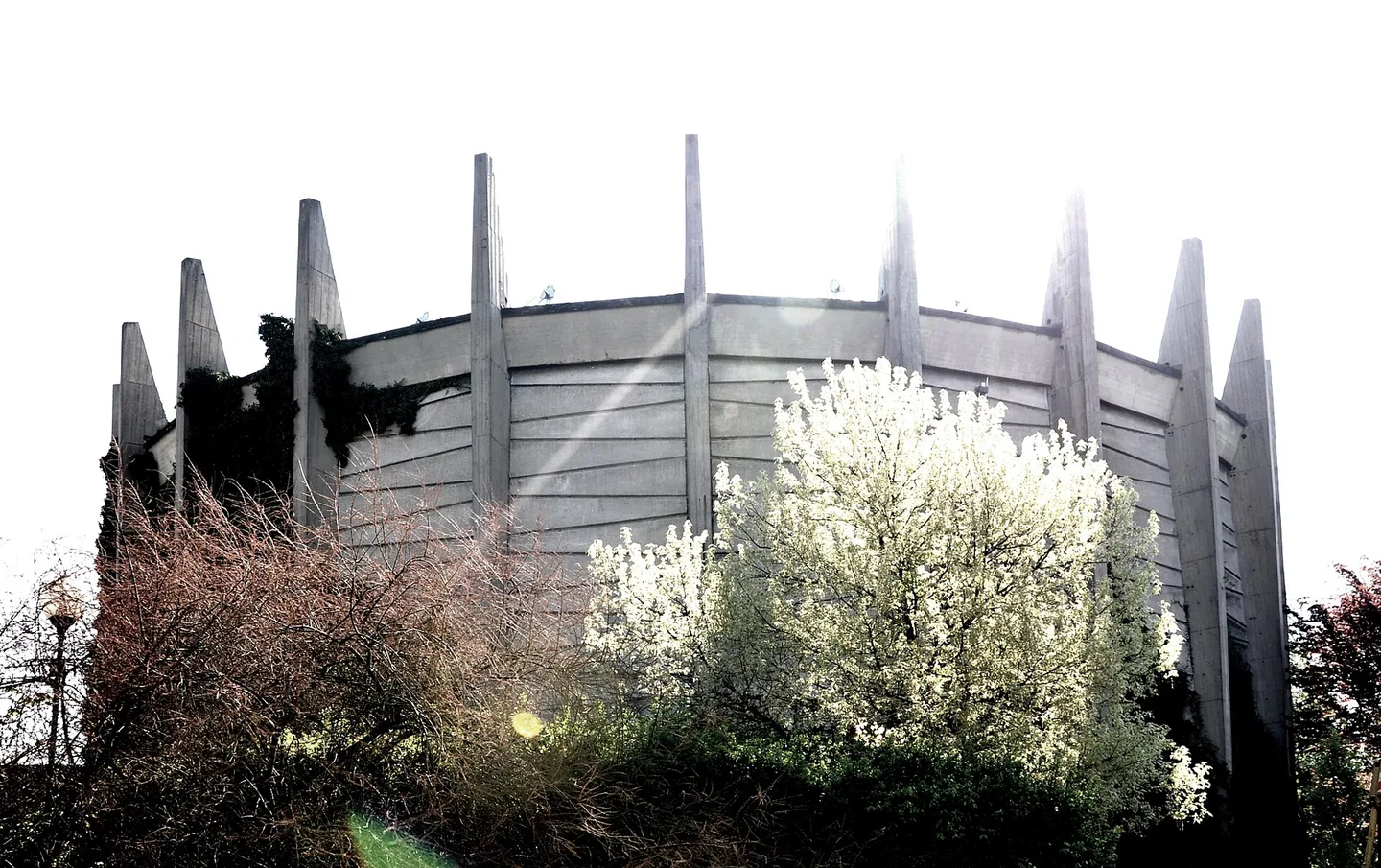
Sound effects and recorded commentary accompany viewers as lighting shifts naturally across the curved canvas walls. The artwork survived wartime displacement and decades in storage before finding its purpose-built modernist concrete home beside the Odra River. Before entering the hall, visitors can study the Wrocław urban hub to understand how the regional museum network coordinates access across different district branches.
The Immense Canvas of the Racławice Rotunda
Entering the darkened subterranean ramp of the rotunda prepares our eyes for the intense natural daylight filtering through the overhead canopy. The architecture directs pedestrian flow upwards along spiral walkways, maintaining steady movement around the viewing circle without crowding the railings. Because the painting curves around three hundred and sixty degrees, details reward sustained observation from multiple angles. We notice miniature field tents, drifting musket smoke, and expressive facial details painted across dozens of distinct military portraits.
Conserving such a massive expanse of primed linen requires strict atmospheric control within the cylinder. Air currents circulate continuously to protect the pigments from seasonal dampness along the riverside parkland. Travellers planning full itineraries through Lower Silesia can browse the catalogue of Wrocław cultural attractions to link the panorama ticket with nearby art galleries and historical institutions.
Navigating the Krasnale Bronze Trail
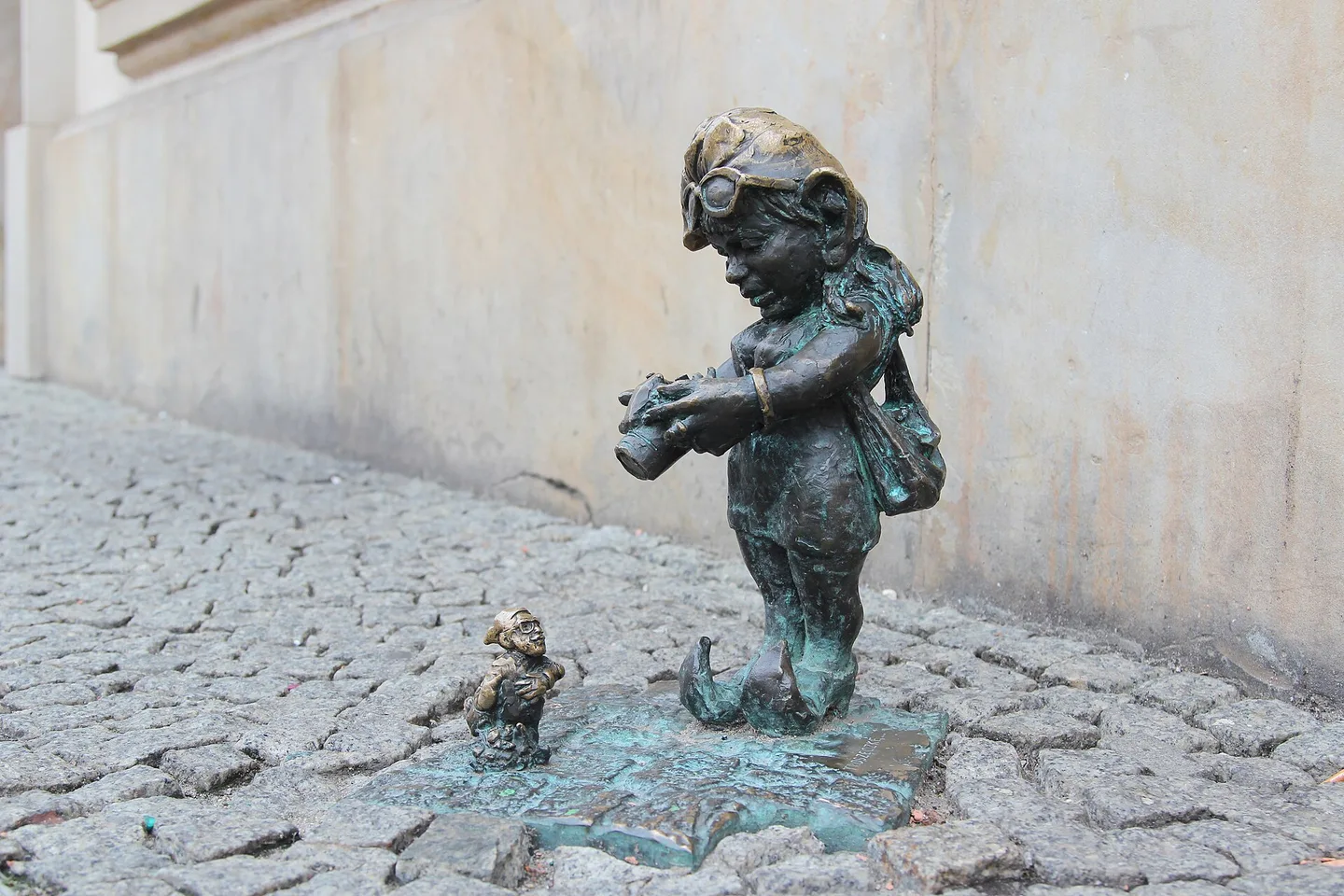
Moving from the military gravitas of the rotunda into the Old Town brings an immediate shift in artistic scale. Scattered across doorways, lampposts, and stone steps, small bronze figures known locally as Krasnale populate the streetscape. These whimsical sculptures trace their heritage back to the Orange Alternative, an anti-communist underground movement from the late twentieth century. Activists used playful dwarf graffiti to mock authoritarian absurdity, transforming small gnomes into permanent emblems of urban freedom.
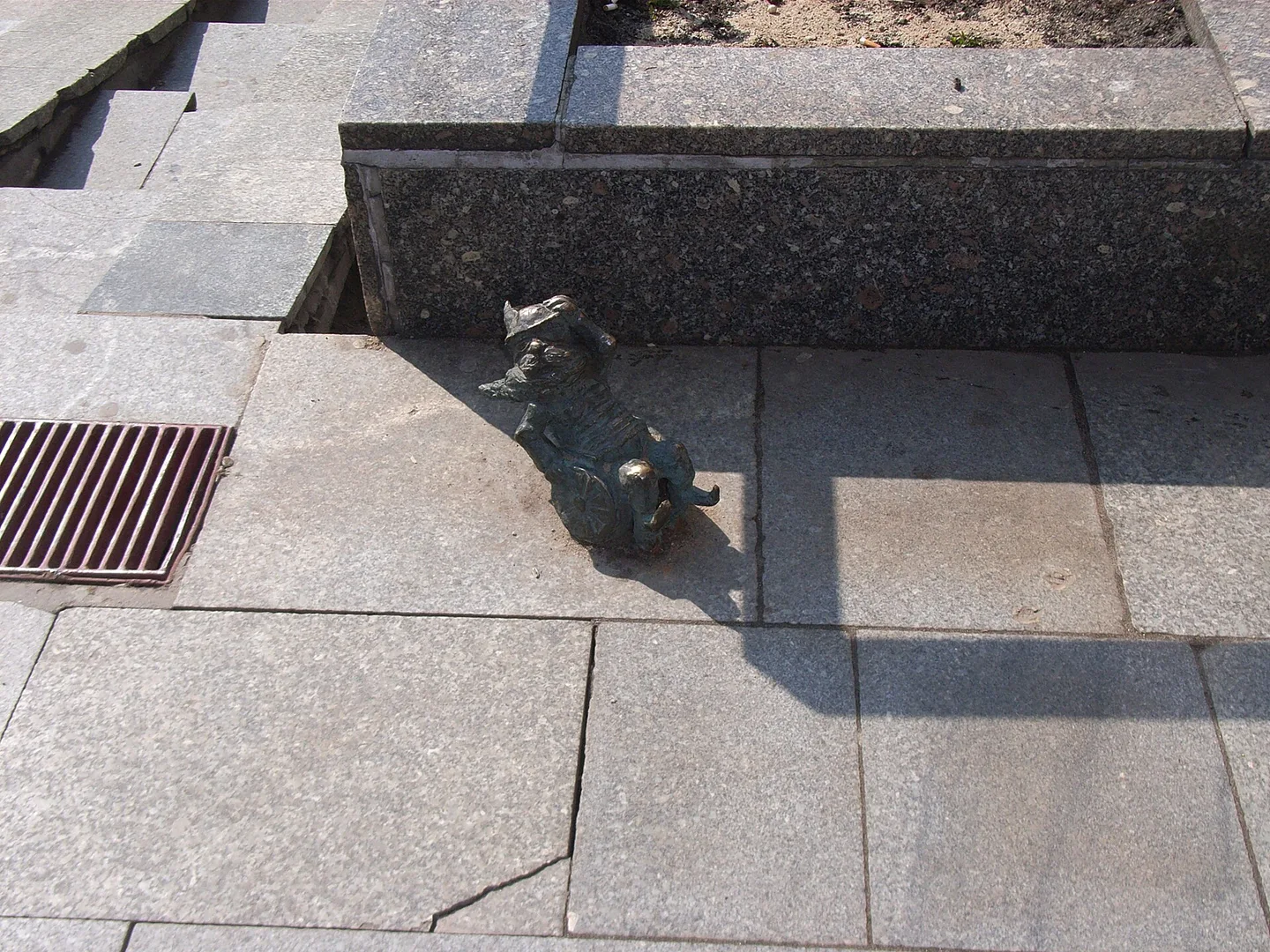
Today, several hundred bronze figures inhabit the historic core, each displaying a distinctive personality or trade. Outside branch banks on the central market square, the tiny figures titled Bitty and Admirer peer up at passing pedestrians. Near the monumental portal of the Gothic Town Hall, the dwarf named W-Skers rides a miniature wheelchair, representing community inclusion initiatives. Spotting these small statues encourages travellers to pay close attention to ground-level architectural details that often go unnoticed.
Walking Corridors Between Key Monuments
The walk from Juliusz Słowacki Park to the Rynek market square takes about fifteen minutes along pedestrianised boulevards. Leaving the concrete cylinder of the panorama, visitors follow paths past the National Museum towards the historic moat promenade. The route crosses tree-lined avenues before entering stone-paved lanes in the medieval centre, where bronze dwarf sculptures appear outside bakeries, bookshops, and pharmacies.
To explore this walking axis comfortably, travellers should follow sensible route sequencing:
- Begin at the Racławice rotunda during morning quiet before walking west along the promenade.
- Walk past the stone facades lining Oławska Street, searching along doorstep bases for bronze craftsmen.
- Gather at the Rynek perimeter to view the Town Hall statues, including the celebrated W-Skers.
- End along the riverside bridges leading towards Ostrów Tumski as evening daylight softens the masonry.
Public trams run regularly along the southern ring, allowing visitors to rest after navigating the historic cobblestones. Consulting the Wrocław public transit connections provides smooth transfers between suburban rail hubs and central tram stops.
Comparing Central Sight Sequences
Planning visits around the rotunda and the surrounding pavement sculptures requires balancing indoor attention with open-air exploration. The cyclorama commands deep focus on historical narrative, whereas the dwarf trail works best as an informal discovery game woven between cafe stops. Selecting convenient accommodation near the market square simplifies early morning starts before pedestrian crowds gather along the main shopping lanes.
| District Zone | Primary Focus | Walking Conditions | Atmospheric Context |
|---|---|---|---|
| Juliusz Słowacki Park | Racławice Cyclorama | Flat asphalt paths and landscaped gardens | Quiet parkland bordering museum quarter |
| Rynek Market Square | Town Hall & Krasnale Trail | Smooth stone flags and historic cobblestones | Open civic space surrounded by gabled facades |
| Old Moat Promenade | Sculpture Hunting & Shaded Walks | Gravel avenues alongside green water canals | Tranquil pedestrian corridor ringing the centre |
Guesthouses around central squares in Wrocław lodging districts place both the rotunda and Old Town perimeter within an easy walk. Combining the monumental scale of the cyclorama with the small bronze Krasnale shows how Wrocław balances national memory with inventive street art.
Official prices and opening hours
- Centennial Hall (Hala Stulecia) & Pergola FountainsOfficial site ↗
- Racławice Panorama (Panorama Racławicka)Official site ↗
Where it is
- 1Lwów's 114-Metre Cyclorama and the Krasnale Trail
- Copernicus Wrocław Airport (WRO) · about 11 km from here in a straight line
- Directions in Google Maps
Stations and taxi ranks: OpenStreetMap. Airports: OurAirports. Distances are in a straight line.
Traveller tips
Real advice from people who have been to Wrocław. Every tip is read by our team before it goes live.
No tips yet. Been here? Yours could be the first.
Thank you! Your tip will appear here after a quick review.
More in Wrocław
Continue exploring Wrocław with related neighbourhood, food, and planning guides