Photo: Diego Delso · CC BY-SA 4.0
Max Berg's Concrete Ribs: Hala Stulecia and Great Island
Max Berg transformed early reinforced concrete engineering at Centennial Hall, creating an imposing modernist dome beside the serene green trails of Great Island.
Architectural Innovation and Raw Concrete Vaults
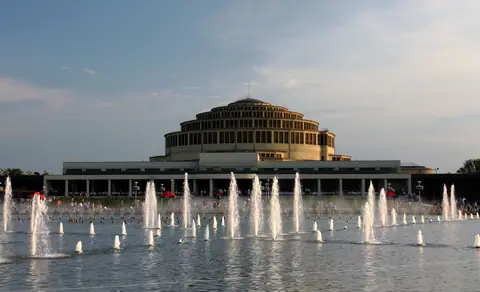
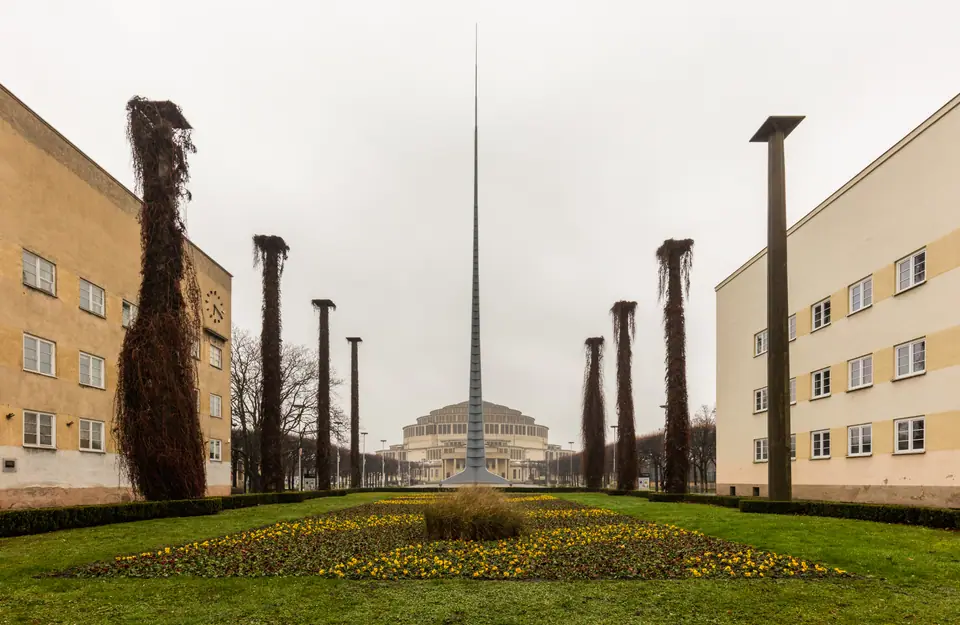
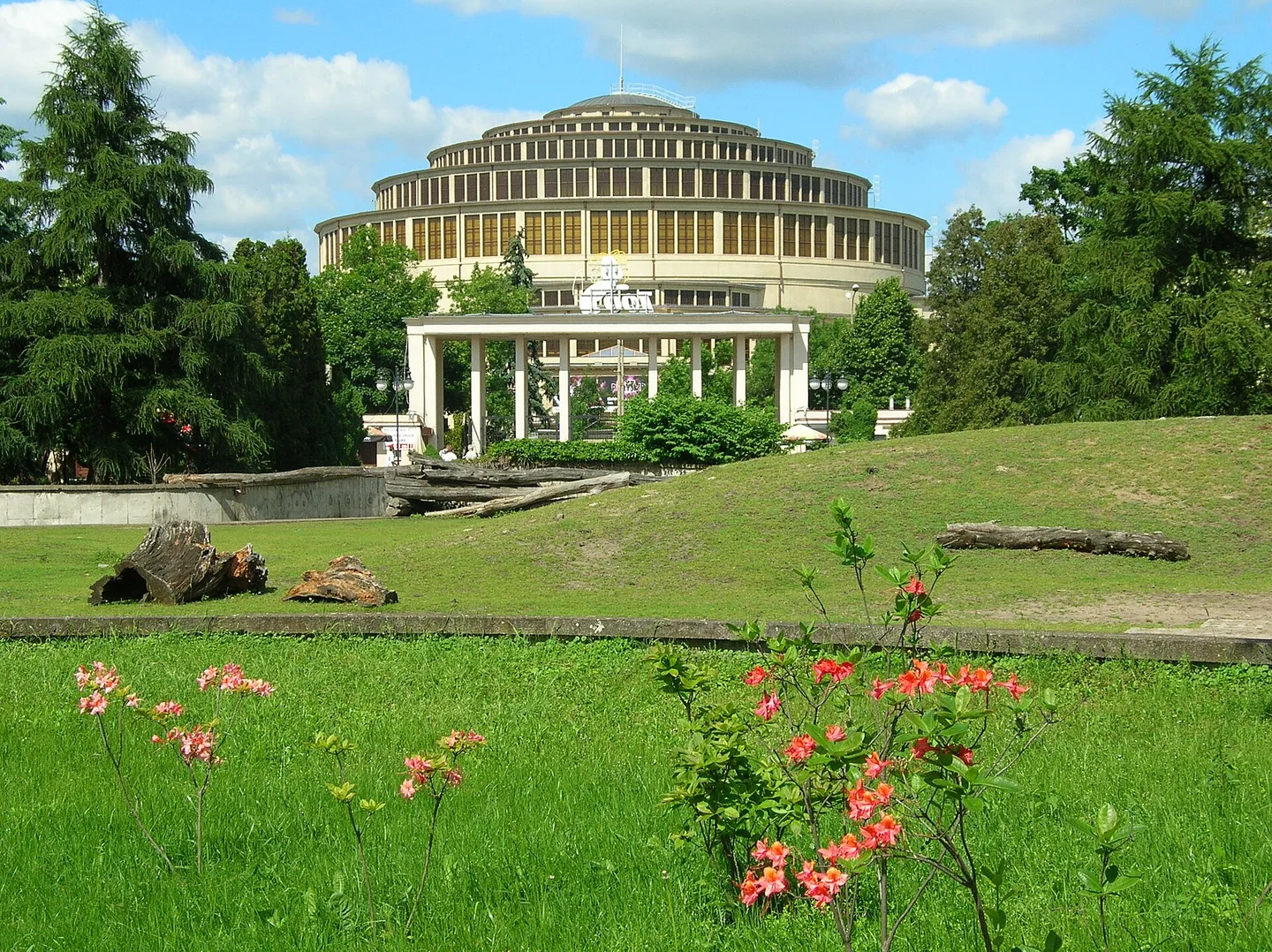
Rising above the eastern bend of the Oder river, Centennial Hall remains one of early modernism's boldest engineering feats. Max Berg designed the immense arena using exposed reinforced concrete. He defied contemporary critics who doubted whether such an expansive dome could stand unsupported. Instead of concealing the structural skeleton behind ornamental cladding, Berg celebrated the rough aggregate textures and functional ribs. Step beneath the central cupola, and the sheer volume immediately humbles onlookers as daylight streams through layered clerestory rings.
The cavernous interior originally hosted grand civic assemblies, trade exhibitions, and large concerts requiring vast unencumbered sightlines. Visiting inside shows how raw industrial concrete achieved quiet architectural proportion. That layout set a lasting precedent for twentieth-century civic arenas across central Europe. Interactive screens inside the visitor centre explain the rib-and-ring mechanics without bogging down casual guests. Direct tram routes connect this eastern campus cleanly back into central Wrocław along riverfront avenues.
The Surrounding Grounds and Four Domes Pavilion
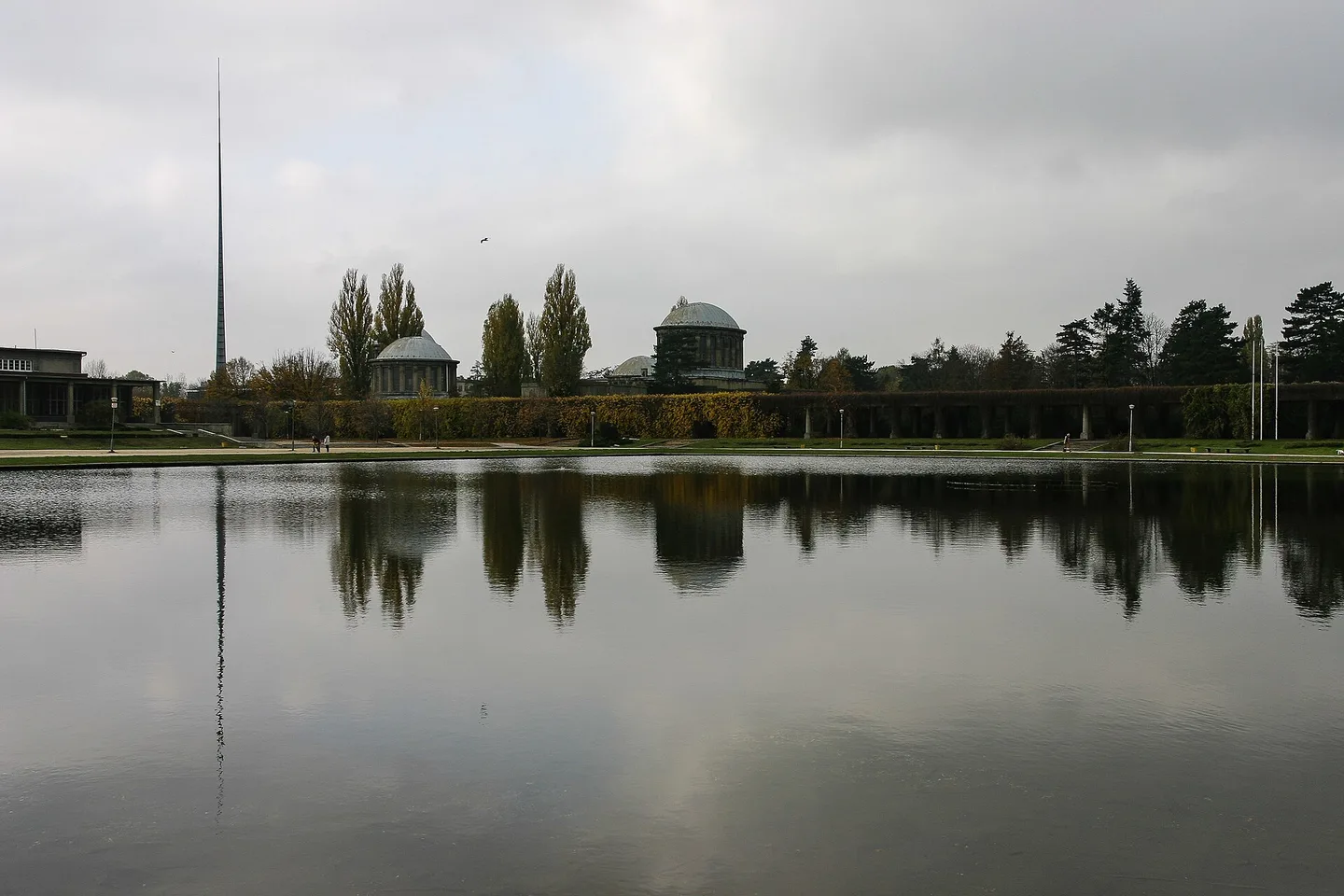
Directly outside the main rotunda lies an integrated ensemble of modernist exhibition architecture. Landscape designers and architects shaped these grounds across multiple early decades. The concrete Pergola curves gracefully around an artificial basin. Thick climbing vines wrap around the columns, turning deep crimson as autumn settles over Lower Silesia. In front of the hall, the needle-like steel Iglica spire pierces the open sky, serving as an orientation marker from adjoining streets.
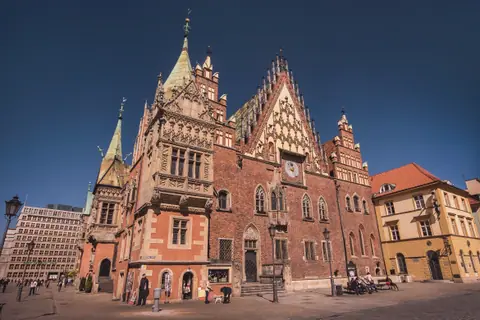
Opposite the water basin stands the Four Domes Pavilion, an auxiliary hall that displays an expansive collection of contemporary Polish painting and sculpture. Walking around this outer perimeter draws a clear contrast between Berg's muscular concrete frame and the quieter classical wings nearby. Pair modern exhibition halls on Great Island with Gothic brick monuments in Wrocław architectural highlights and river islands on a clear afternoon.
Szczytnicki Park Pathways and Green Transitions
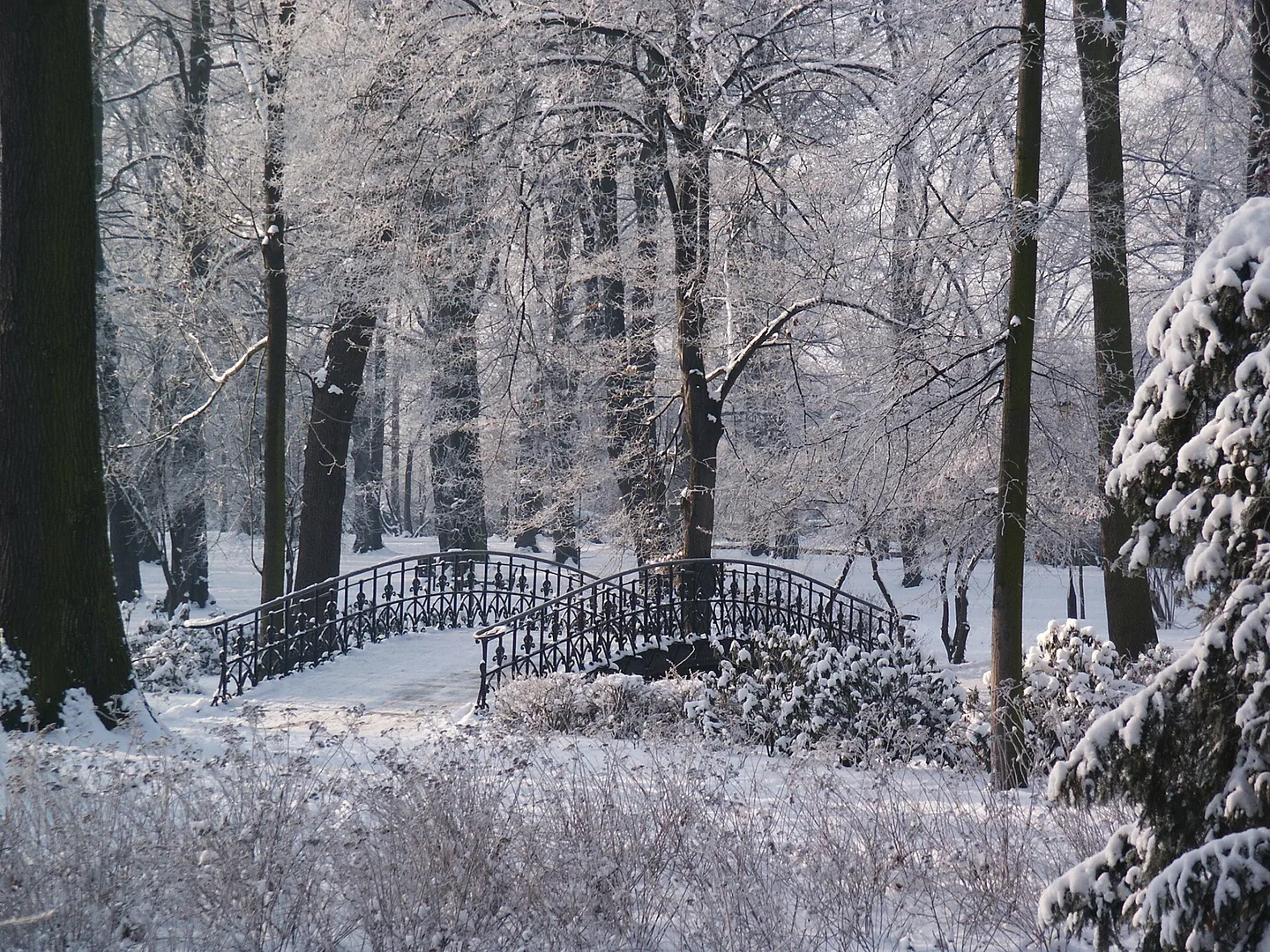
Beyond the concrete promenade of the Pergola, the urban environment dissolves into the winding shaded lanes of Szczytnicki Park. This woodland expanse constitutes one of the city's largest green spaces. It shelters centuries-old oak trees, sprawling rhododendron dells, and tranquil stream crossings. Stepping out from exposed concrete plazas into dense tree cover brings welcome cool shade during warm July afternoons. Visitors often pause beside quiet walled pools inside the landscaped Japanese Garden tucked behind the main exhibition grounds. Wooden bridges, raked gravel paths, and maples frame quiet corners steps away from major concert halls.
Wandering deeper into the arboretum brings walkers to timber footbridges and quiet duck ponds where local families spend unhurried weekends. Paved side trails link the hall directly toward brick zoological enclosures, wooden botanical pavilions, and riverside embankment benches across Great Island. Structuring a relaxed three-hour circuit here mixes industrial architecture, water basins, and deep woodland glades without steep gradients or busy traffic crossings. To plan a clear route across Great Island, compare the setting and focus of each main stop below:
- Centennial Hall Interior: Monolithic reinforced dome featuring multimedia historical archives, cavernous acoustic vaults, and architectural documentation.
- Pergola and Pond: Open-air colonnade with climbing flora, perimeter walking paths, and evening seasonal fountain displays against the hall facade.
- Szczytnicki Park Trails: Shaded wooded alleys, wooden bridges over meandering streams, and calm natural glades away from crowd traffic.
Navigating Great Island Tram Connections and Approaches
Reaching Great Island from the central market square requires a straightforward ride across the river bridges via municipal tram lines. Boarding frequent services heading east towards the zoo gate drops riders beside the wide gravel forecourt within twenty minutes. Cyclists can also follow paved riverside paths along the Oder embankments, bypassing busy downtown road junctions. Card validators inside every tram accept contactless bank cards immediately upon boarding without paper tickets.
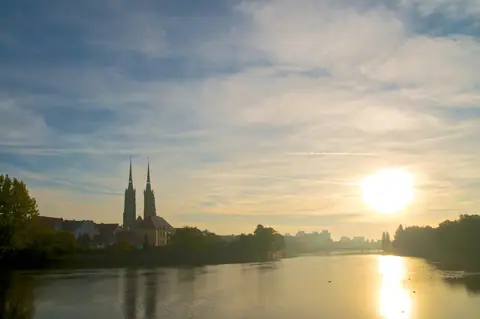
Pedestrian paths stay smooth year-round, while tram routes and ticketing basics appear in Wrocław district orientation and rail links before leaving downtown. Evening fountain light shows draw lively crowds along the broad gravel Pergola perimeter during warmer summer months before quieter autumn and winter schedules return. Boarding westbound trams back across Grunwaldzki Bridge at dusk frames reflections of historic brick spires along calm river water.
Official prices and opening hours
- Centennial Hall (Hala Stulecia) & Pergola FountainsOfficial site ↗
- Racławice Panorama (Panorama Racławicka)Official site ↗
Where it is
- 1Max Berg's Concrete Ribs
- Copernicus Wrocław Airport (WRO) · about 14 km from here in a straight line
- Directions in Google Maps
Stations and taxi ranks: OpenStreetMap. Airports: OurAirports. Distances are in a straight line.
Traveller tips
Real advice from people who have been to Wrocław. Every tip is read by our team before it goes live.
No tips yet. Been here? Yours could be the first.
Thank you! Your tip will appear here after a quick review.
More in Wrocław
Continue exploring Wrocław with related neighbourhood, food, and planning guides